White miso is suddenly hands-on in Kyoto. This class is built around white miso making from scratch, then you cook and taste white miso potage and finish with a fermented-food lunch. I like that it’s not just a lecture—your hands are busy, and you get to eat what you made. One key consideration: you won’t be able to take the miso home due to customs rules.
A miso expert shares the history and the practical “secrets” of miso making, and the fermentation angle is front and center. In one common thread from past groups, Miyuki Toko’s teaching style stands out: clear origins, strong focus on why fermentation matters in Japan and in modern diets. Still, because it’s a hands-on cooking class, it may feel a bit like work if you’re hoping for a mostly relaxed tasting-only experience.
In This Review
- Key Highlights You’ll Actually Care About
- Kyoto White Miso Class: Hands-On Fermentation Skills
- Where You Meet and How the 3h40 Workshop Flows
- Making White Miso from Scratch: What You’re Really Learning
- Potage Soup with White Miso: Tasting in Real Time
- The Fermented Food Lunch: A Practical Ending
- Price and Value at $120 per Person
- Group Size, Comfort Level, and Logistics That Matter
- Who Should Book This Kyoto White Miso Course
- Should You Book This Tour or Skip It?
- FAQ
- How long is the Kyoto white miso cooking class?
- Where does the tour meet in Kyoto?
- What time does the class start?
- How big is the group?
- What’s included in the experience?
- Can I take the miso home after the class?
- Is the tour refundable if I cancel?
Key Highlights You’ll Actually Care About
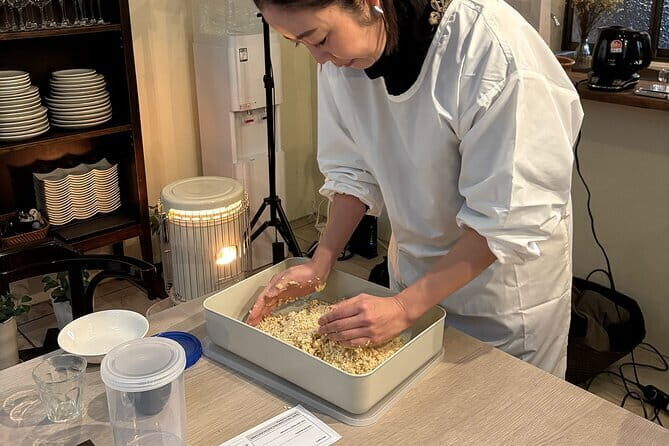
- Make white miso by hand, guided by a miso expert through the full process
- Cook and taste creamy potage soup using the white miso you created
- Fermented food lunch is included, aligned with the fermentation theme
- Small groups (max 6) mean you’re not stuck watching from across the room
- Expert-led history and culture talk, with fermentation framed as a daily food idea
- No take-home miso, so the real souvenir is the skill and the flavors
Kyoto White Miso Class: Hands-On Fermentation Skills
Kyoto does “food tradition” with a certain seriousness. This experience keeps that seriousness, but makes it practical. The core idea is simple: Japanese fermentation isn’t something you just read about—you work with it, cook with it, and eat it.
The class centers on making white miso from scratch. You’re not just hearing that miso has been a staple in Japanese cuisine for centuries; you’re learning why it’s treasured and how it fits into everyday life. The tone is both cultural and practical, which matters because fermentation can sound mysterious until someone shows you how to approach it.
What I like most for your planning: you get a complete arc. Instruction comes first, then you make the miso, then you cook with it right away. Most cooking experiences in Japan stop at tasting. Here, you get the “try it at the end” payoff with a meal that stays on theme.
And yes, there’s a real catch: you won’t be able to take miso home. If your plan is to bring back a jar for family, this likely won’t match your expectations.
If you're still narrowing it down, here are other tours in Kyoto we've reviewed.



Where You Meet and How the 3h40 Workshop Flows
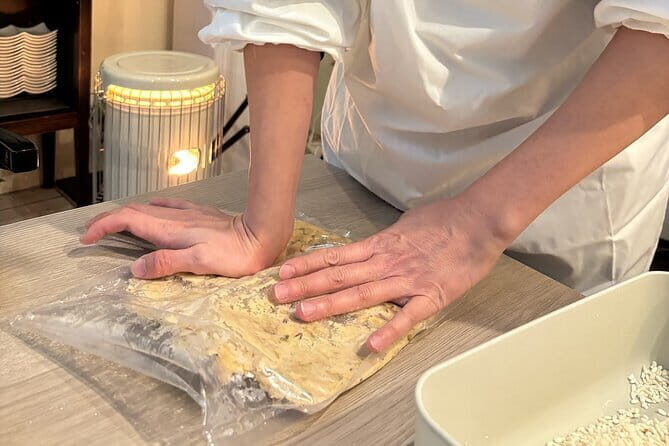
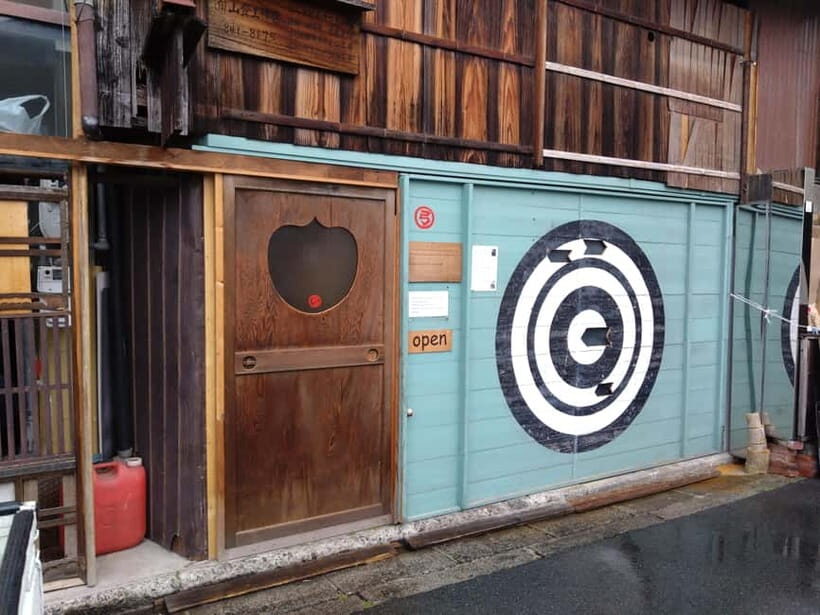
You start at 和想日々 京都Japan at Kyoto食と暮らしの研究所1F奥 (Nakagyo Ward, Higashitakeyachō 416). Start time is 9:20 am, and the class runs about 3 hours 40 minutes. It ends back at the meeting point.
That timing is thoughtful for a few reasons. Morning lessons like this tend to keep you from rushing. You also get lunch during the same block, which means you don’t have to hunt for food after cooking. If your Kyoto schedule is tight, the fixed start time helps you build the rest of your day around one anchored activity.
The flow itself follows a clear pattern:
- You meet and get the fermentation-and-miso intro.
- Then you move into hands-on white miso making.
- After that, you cook potage soup with white miso and taste it.
- Finally, you sit down for a fermented-food lunch tied to the same theme.
It’s a tight arc, which is good. You’re not spending half the time waiting for something to cool or settle.
One more practical note: the tour uses a mobile ticket. If you’re the kind of traveler who hates last-minute phone fiddling, make sure your ticket is accessible before you head over.
Making White Miso from Scratch: What You’re Really Learning
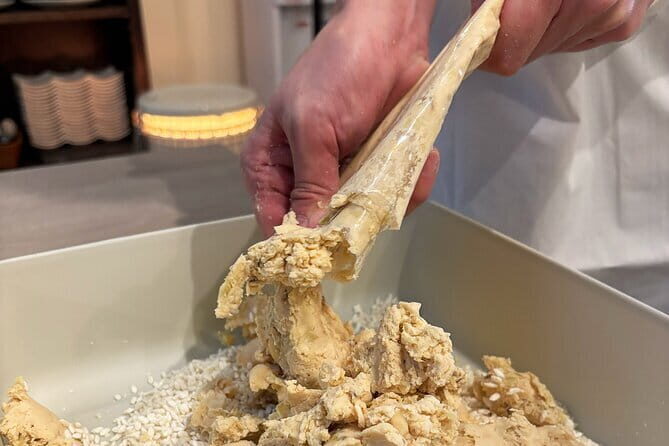
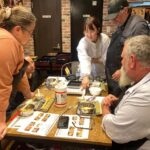
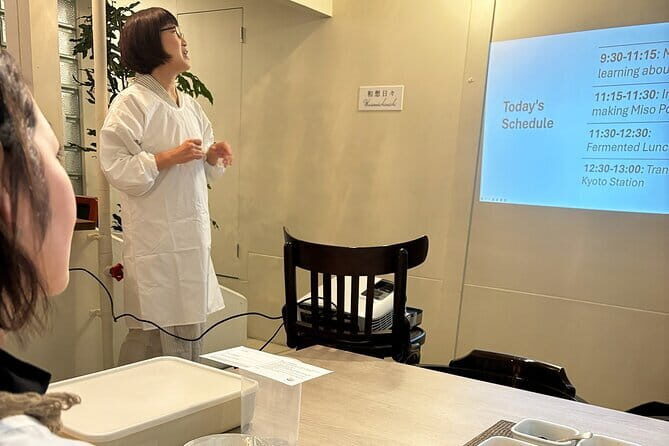
The heart of this experience is the hands-on white miso workshop. A miso expert guides you and shares the history and the secrets of miso making. In plain terms, you’re learning how to make something that many people treat as a pantry ingredient, but you’re experiencing it as a process.
Based on what’s worked well for past classes, the teaching style is the kind you’ll appreciate if you’re new to Japanese fermentation. People have described the guidance as soft and supportive, not stern. That matters because miso making can sound intimidating, but the goal here is to make you confident by the end.
Also, don’t expect this to be a five-minute demo. The process can feel like a workout. You’ll be actively involved, and you’ll likely spend enough time working that your brain has to stay on the job. That’s part of the value. When you leave with food skills, you actually remember them.
The best takeaway for you isn’t just that you made miso once. It’s that you understand the basic rhythm of how miso fits into cooking. One of the strongest points from earlier participants is that they felt confident making their own miso paste at home after learning the process in a real, guided way.
So ask yourself: do you want a cultural snack experience, or do you want a skill you can repeat? This is the second option.
Potage Soup with White Miso: Tasting in Real Time
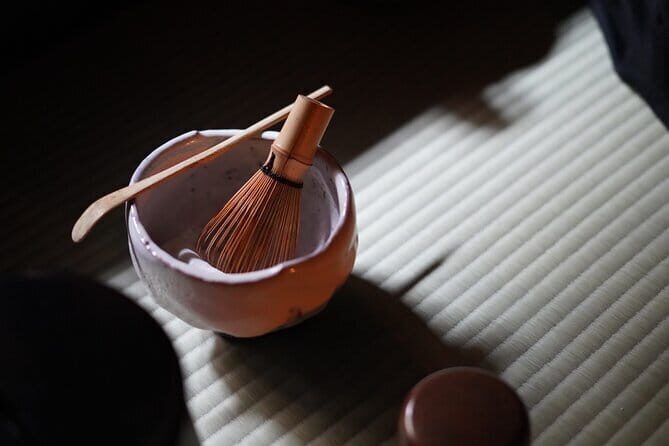
After you make your white miso, you cook and taste potage soup with it. This is a smart design choice for a couple reasons.
First, it helps you understand flavor quickly. When you taste the miso in a warm soup, you notice how it changes the overall character of food—something you can’t fully grasp from smelling or reading alone. Second, you get immediate context for how miso behaves in a cooked dish, not just as a side.
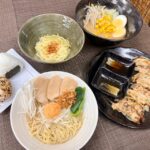
The soup is described as creamy, and that matches what you want here: a comfortable, familiar format that makes the miso the star without being harsh or complicated. You’re not eating a weird experiment. You’re eating a meal that teaches.
And because you taste the results right after making the miso, you’ll connect cause and effect in a way that sticks. It’s one thing to learn about fermentation. It’s another to feel how your work shows up on your spoon.
The Fermented Food Lunch: A Practical Ending
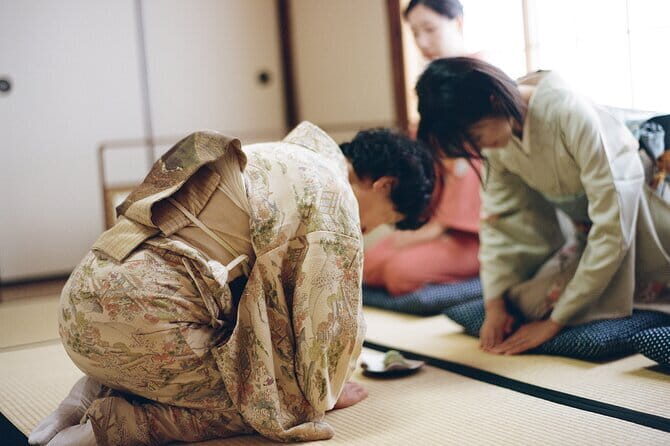
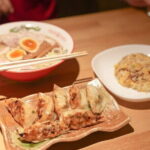
The workshop finishes with a fermented food lunch, positioned as something that can nourish your gut. Even if you don’t follow any strict nutrition rules, that framing makes sense because the whole class is built around fermentation as a real part of daily eating—not just a specialty hobby.
Lunch being included is more than a perk. It completes the “theme” so you leave with a fuller picture of what fermentation looks like beyond miso. If you’re someone who likes to understand how foods travel from tradition into modern habits, this portion helps.
A quiet benefit here: you’re already warmed up from cooking, and you’re not stuck planning your next meal right after. Kyoto day plans can get chaotic. This gives you a clean endpoint and a built-in place to relax.
One more thing to keep in mind: since you can’t take the miso home, the lunch is where much of your money-to-flavor payoff lands. Plan to stay hungry enough to enjoy it.
A few more Kyoto tours and experiences worth a look




Price and Value at $120 per Person
At $120 per person for about 3 hours 40 minutes, you’re paying for three things at once:
1) guided instruction from a miso expert
2) the hands-on white miso workshop
3) food that includes potage soup and a fermented-food lunch
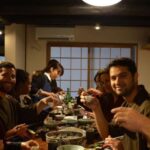
If you compare this to paying for lunch alone, the difference is that you’re also buying learning time and an active cooking experience. In a small group—this class caps at 6—you’re also buying attention. It’s easier to ask questions and get help when the room isn’t full.
Is it expensive? For many travelers, yes, it will feel like a “serious” food activity. But the structure supports the price. You’re not just watching. You’re making, cooking, tasting, and eating as part of the same storyline.
Where the cost can feel less fair is also clear: you can’t take miso home. That means this isn’t a jar-to-ship souvenir situation. The value is the skill and the flavors, not the product weight.
Group Size, Comfort Level, and Logistics That Matter
The tour maximum is 6 travelers, and it requires a minimum of 2 to operate. That small-group size affects your day in a good way: it’s easier to get guidance during the process, and you’re less likely to feel invisible.
The meeting point is specific and a little tucked in: Kyoto食と暮らしの研究所1F奥 inside 和想日々 京都Japan. If you’re arriving right at start time, it’s worth giving yourself a little buffer so you can get oriented.
Also, because it’s a morning start (9:20 am), your energy matters. If you’re used to sleeping in, this will be the one part of Kyoto that asks you to compromise. On the flip side, getting it done early can free your afternoon for sightseeing without the pressure of finding food.
Finally, the mobile ticket is helpful, but make sure you can show it smoothly on your phone. That’s the small “tech friction” to avoid.
Who Should Book This Kyoto White Miso Course
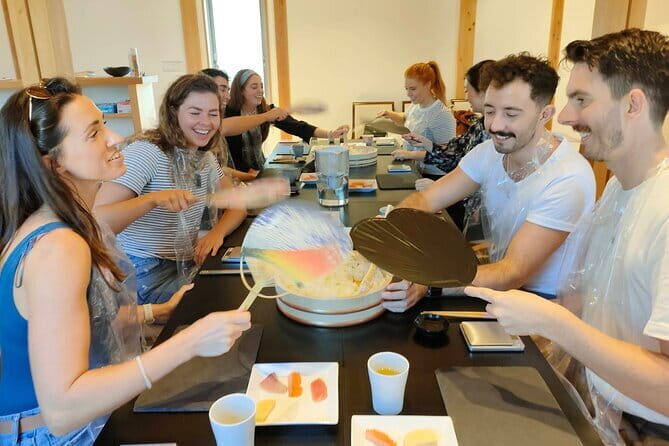
This workshop is a great fit if you:
- love fermentation topics and want something practical, not theoretical
- want a hands-on cooking class in Kyoto that includes food
- enjoy small-group learning where questions are possible
- want a skill you can try at home later (confidence is a big theme from earlier participants)
It’s probably not the best fit if you:
- mainly want a souvenir to take home, since you can’t take miso home due to customs regulations
- dislike hands-on cooking or want a mostly seated activity
- are looking for a low-cost meal option rather than instruction
Should You Book This Tour or Skip It?
If you’re a food-minded traveler who likes to go beyond eating and actually learn how something is made, I’d book it. The combination of white miso making, tasting potage soup you cooked, and finishing with a fermented lunch is a strong use of time in Kyoto.
If your top priority is bringing food back with you, skip this specific class and look for something that allows take-home items. Here, your souvenir is what you remember and what you can recreate—especially since you’re not leaving with a jar.
If the $120 price fits your style of travel, this is a thoughtful, hands-on way to understand fermentation through an everyday ingredient.
FAQ
How long is the Kyoto white miso cooking class?
It runs for about 3 hours 40 minutes.
Where does the tour meet in Kyoto?
You meet at 和想日々 京都Japan, Kyoto食と暮らしの研究所1F奥, 〒604-0085 Kyoto, Nakagyo Ward, Higashitakeyachō, 416.
What time does the class start?
The start time is 9:20 am.
How big is the group?
The class has a maximum of 6 travelers.
What’s included in the experience?
You’ll make white miso with a miso expert, cook and taste potage soup with white miso, and enjoy a fermented food lunch.
Can I take the miso home after the class?
No. You won’t be able to take miso home due to customs regulations.
Is the tour refundable if I cancel?
This experience is non-refundable and cannot be changed for any reason. If the tour is canceled because the minimum number of participants isn’t met, you’ll receive a full refund or be offered a different date/experience.