Kyoto can feel overwhelming. This plan makes it manageable fast. You get a private 16-hour flow across two of the city’s biggest zones—temples and tradition in the morning, then shopping and neighborhoods later—plus the option to tweak the route with your guide. I like that it hits the big-name sights without turning into a “checklist sprint,” and I also like that lunch is handled in a practical way (a break around Kyoto Station) so you’re not scrambling between stops. You can also be matched with guides such as Yuji, Noriko, Keiko, Marianna, Asano, Moto, and Takaichi, who were noted for planning, timing, and flexibility in past outings.
The one drawback to flag: this is a long day. Even with a relaxed pace, you’re moving for about 16 hours total, and admission fees and transportation are not included in the tour price—so your final cost depends on how you get around and which ticket types apply.
In This Review
- Key Things I’d Focus On First
- Two Days of Kyoto’s Best Hits, Built Around Your Pace
- Price and Value When It’s $980 per Group (Up to 8)
- Day 1: Nijo Castle, Kinkaku-ji, Ryoan-ji, Then Nishiki and Fushimi Inari
- Nijo Castle: Edo-Period Power Moves
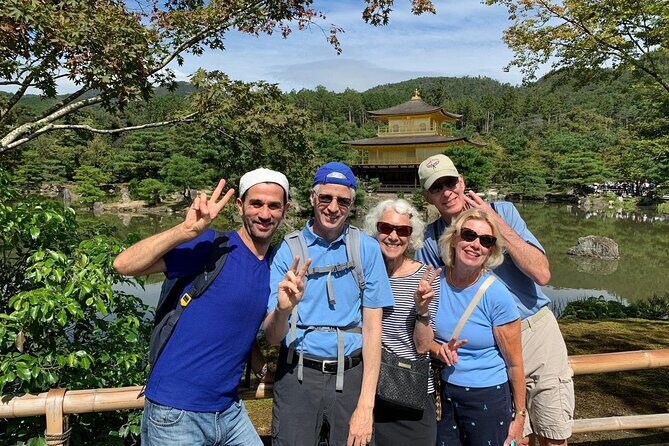
- Kinkaku-ji (Golden Pavilion): The Classic Kyoto Photo, Done Right
- Ryoan-ji: Zen Rock Garden With Real Quiet Time
- Nishiki Market: Kyoto Kitchen Energy (Lunch-Adjacent)
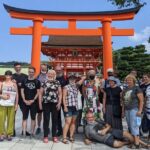
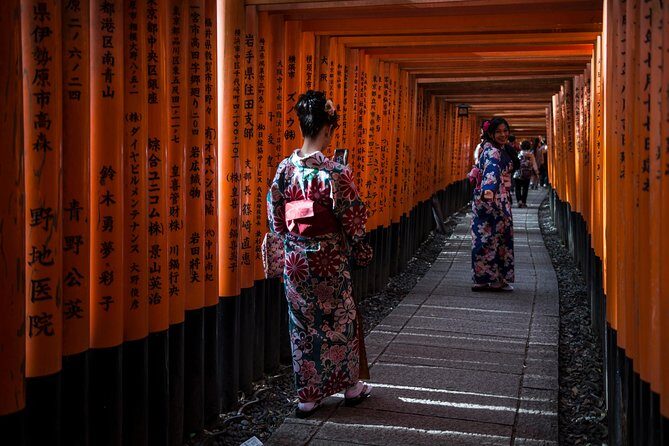
- Fushimi Inari: Torii Gates and a Footpath Pilgrimage
- Day 2: Arashiyama Bamboo, River Views, Monkeys, Then Kiyomizudera and Gion
- Bamboo Forest Street: The Photo Spot That Needs Patience
- Nonomiya Shrine and Tenryu-ji Garden Area: Where Bamboo Meets Gardens
- Hozu-gawa River and Togetsu Bridge: Scenic Kyoto Without the Temple Rush
- Monkey’s Park: Fun, But Build in Stamina
- Lunch Break Back by Kyoto Station
- Kiyomizudera: The UNESCO Hillside Icon
- Gion: Evening Streets and Traditional Neighborhood Vibes
- How the Private Guide Changes the Experience in Kyoto
- Money-Saving Notes: Tickets, Transit, and Lunch Reality
- Entrance fees: budget per person
- Transportation: don’t forget this line item
- Lunch: you’re getting breaks, not included meals
- Gratuities
- Weather, Crowds, and the Long-Day Reality
- Should You Book This Kyoto Top Highlights Private Tour?
- FAQ
- FAQ
- How long is the Kyoto top highlights private tour?
- What is the group size for this private tour?
- What does the $980 price include?
- What is not included in the tour price?
- How much are the entrance fees?
- How much is transportation if I use public transit?
- Where does the tour start and end?
- Is there a mobile ticket?
- Can the itinerary be customized?
- What happens if the weather is bad?
Key Things I’d Focus On First
- Two full days, not a token tour: temple morning energy, then markets and neighborhoods when you’re ready to wander.
- Arashiyama + Fushimi Inari on the same trip: big contrast days, both iconic, both worth your time.
- Timing and crowd strategy: guides like Marianna and Moto were specifically mentioned for choosing better moments to see places.
- Private means pace control: you can slow down, speed up, or swap order with the guide when possible.
- Comfort stops are built in: lunch breaks around Kyoto Station keep the day from falling apart.
Two Days of Kyoto’s Best Hits, Built Around Your Pace
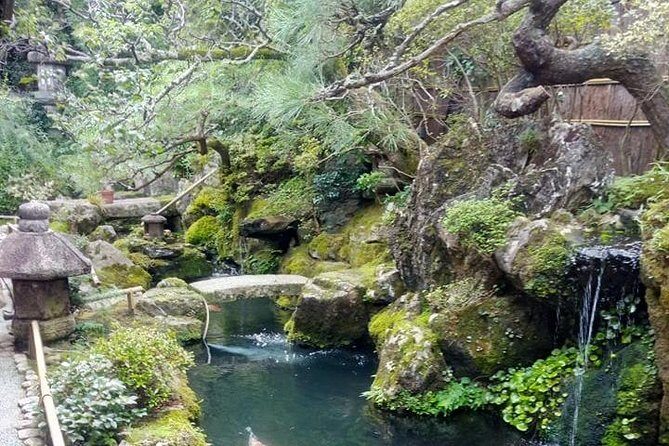
If you only have 2 days in Kyoto, your biggest enemy is decision fatigue. Kyoto’s highlights are spread out, and buses and trains can eat time. This private tour is designed to stitch the city together so you’re not bouncing between far-flung areas on your own.
What I find smart here is the rhythm. Day 1 leans into classic central Kyoto sights—Nijo Castle and the Golden Pavilion zone—then shifts toward the spiritual spectacle of Fushimi Inari. Day 2 is all about Arashiyama (bamboo, gardens, the river area), then ends with Kiyomizudera and the Gion streets. You get variety, but it’s still coherent.
You also get the “private guide effect.” Even if you’ve studied maps, a guide helps you understand what you should prioritize at that moment. It’s not just about seeing Nijo Castle; it’s knowing what to look for inside, and when to step aside so you’re not trapped in a crowd wave.
Other city tours we've reviewed in Kyoto

Price and Value When It’s $980 per Group (Up to 8)
The price is $980 per group for up to 8 people. That sounds steep until you do the math with a group-sized mindset. If you fill all 8 spots, you’re paying about $123 per person for the guiding and management portion. If you’re only 2 people, the per-person cost jumps a lot, since the price is grouped.
Then factor the add-ons that aren’t included:
- Entrance fees: ¥6,950 per person
- Public transportation estimate: ¥2,300 per person
- Food and gratuities are also on you
So the real question isn’t just the sticker price—it’s whether you’re buying time. With a plan this packed, you’re paying to avoid wasted half-hours and to keep your energy steady. If you and your group want to see major sights with less hassle, the price starts to make sense.
Also note the tour is booked about 69 days in advance on average. That’s a clue that dates can fill, especially in busier seasons.
Day 1: Nijo Castle, Kinkaku-ji, Ryoan-ji, Then Nishiki and Fushimi Inari
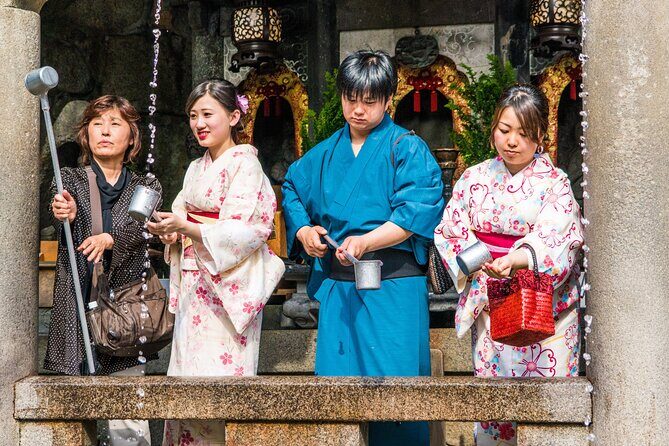
Day 1 starts with a pickup at your Kyoto hotel (09:00) and moves quickly into Nijo Castle. The schedule is built for sightseeing flow: major sites in the morning, a more relaxed break midday, and then Fushimi Inari as a late-day highlight.
Nijo Castle: Edo-Period Power Moves
Nijo Castle is a UNESCO site, and the standout is the Edo-period architecture plus the palace experience. You’ll spend about 1 hour here, which is enough time to see the big rooms and take in the gardens without turning it into an endurance event.
The practical benefit: with a guide, you’re more likely to notice details that make the castle feel alive—like how the palace spaces were designed for status and control. If you’re the type who likes “why was this built this way,” this stop pays off.
Admission isn’t included, so budget for tickets.
Kinkaku-ji (Golden Pavilion): The Classic Kyoto Photo, Done Right
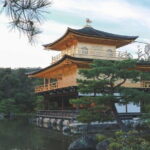
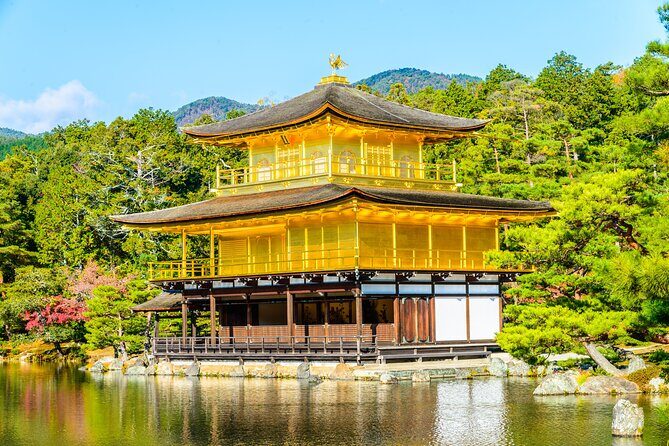
Next up is Kinkaku-ji, the Golden Pavilion. It’s one of those places where people expect a single photo and move on. The better move is to take time for the pond reflection views and the garden rhythm.
You’ll have about 1 hour for this stop. That’s useful because Kinkaku-ji isn’t just a building; it’s the whole water-and-garden framing.
Again, tickets are not included.
Other private tours in Kyoto


Ryoan-ji: Zen Rock Garden With Real Quiet Time
Then comes Ryoan-ji, famous for its rock garden. It’s also UNESCO-listed in the broader Kyoto canon, and the vibe here is about calm attention—simple forms, lots to think about, and a slower pace in your body.
You’ll get around 1 hour, which is enough to sit, look, and shift your angle. This is the kind of stop where rushing can turn it into background noise. A private schedule helps because you can step back when it gets busy.
Nishiki Market: Kyoto Kitchen Energy (Lunch-Adjacent)
The plan includes Nishiki Market as a free stop and about 1 hour. Nishiki is famous for food—small bites, snacks, and ingredients—so treat this as your “taste and snack” moment rather than a full meal plan.
Even if you don’t eat much, it helps you understand Kyoto’s daily life beyond temples. It’s a great contrast after the quiet stone-and-garden feeling of Ryoan-ji.
Fushimi Inari: Torii Gates and a Footpath Pilgrimage
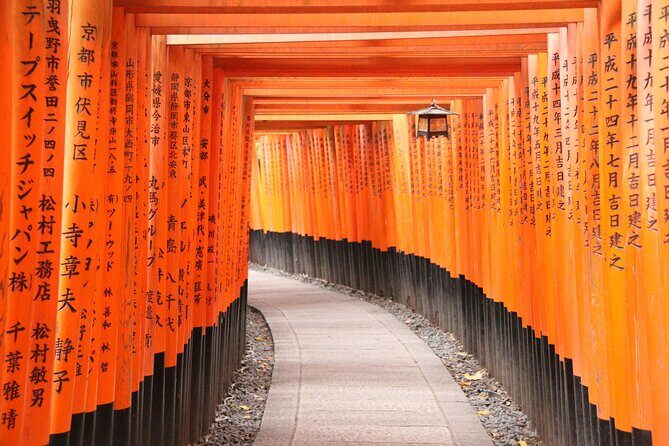
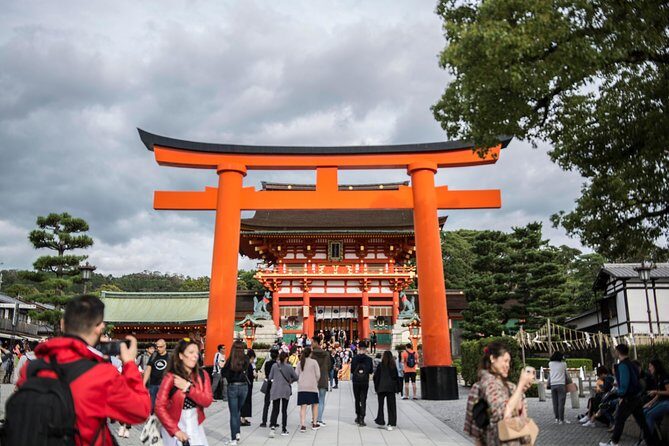
Day 1 finishes with Fushimi Inari Shrine (torii gates in rows). This is a free stop and timed for late afternoon on the schedule you were given.
The key here is pacing. Fushimi Inari can feel like an endless staircase if you’re not careful. A guide can help you choose the route length that matches your energy and the time you want to spend taking photos versus walking.
You’ll likely be walking more than at the earlier indoor stops, so comfortable shoes matter.
Day 2: Arashiyama Bamboo, River Views, Monkeys, Then Kiyomizudera and Gion
Day 2 starts again at your hotel (09:00) and leans into Arashiyama, one of Kyoto’s most scenic areas. You’ll see bamboo, shrines, temple gardens, river views, and then end in eastern Kyoto with Kiyomizudera and Gion.
Bamboo Forest Street: The Photo Spot That Needs Patience
The day begins around the bamboo forest area, typically 2 hours allocated including the smaller companion shrine/garden stops. The bamboo walk is famous for a reason, but it also gets crowded.
In practice, the best experience comes from slowing down and taking the time to notice how the light changes along the path. If your guide is strong on crowd timing—this has been specifically praised for Marianna and Moto—your bamboo experience will feel calmer.
Nonomiya Shrine and Tenryu-ji Garden Area: Where Bamboo Meets Gardens
Your schedule also includes Nonomiya Shrine and the Tenryu-ji temple garden area. These stops matter because they turn the bamboo from a single photo moment into a broader “Arashiyama as a place” experience.
This part of the day is where the atmosphere shifts from photo lines to slower strolls with garden views.
Hozu-gawa River and Togetsu Bridge: Scenic Kyoto Without the Temple Rush
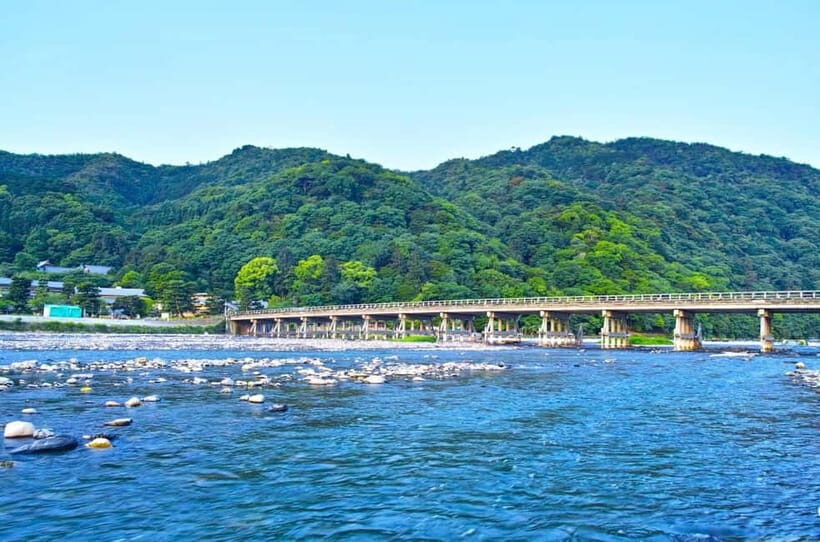
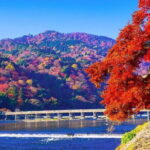
Next is the Hozu-gawa river area and Togetsu Bridge. It’s a change of pace and a good reset after you’ve been walking temple grounds.
The river view gives you a breath of open space, and the bridge area helps you understand why people romanticize Arashiyama.
Monkey’s Park: Fun, But Build in Stamina
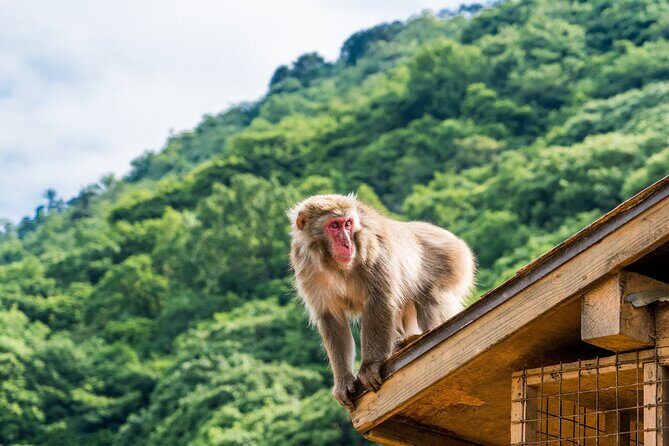
Then comes Monkey’s Park (timed around midday). This is where you’ll feel the physical effort—paths, steps, and the kind of uphill walking that makes you glad you wore shoes with support.
This stop can be worth it if you like quirky viewpoints and don’t mind a bit of climb. If your group includes anyone with mobility limits, this is the point where you might want a clear conversation with your guide about pacing and alternatives.
Lunch Break Back by Kyoto Station
You get a lunch break around 14:00 at Kyoto Station on the schedule provided. I like this strategy. Kyoto’s food options are everywhere, but the “right now” scramble is what costs you energy. Station time is predictable, and it’s an easy place to reset.
Kiyomizudera: The UNESCO Hillside Icon
In the afternoon, you head to Kiyomizudera and spend about 1 hour. This is one of Kyoto’s most iconic sights, perched on a hillside with dramatic views.
A guided stop helps you understand what areas are worth your time. At Kiyomizudera, the best moments come from looking out and taking in the location—not only staring at buildings up close.
Tickets aren’t included, so budget accordingly.
Gion: Evening Streets and Traditional Neighborhood Vibes
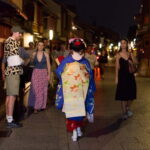
The tour includes Gion for about 1 hour. This is a great finish because you’re done with the “big ticket” temple intensity, and you can shift into a slower neighborhood stroll.
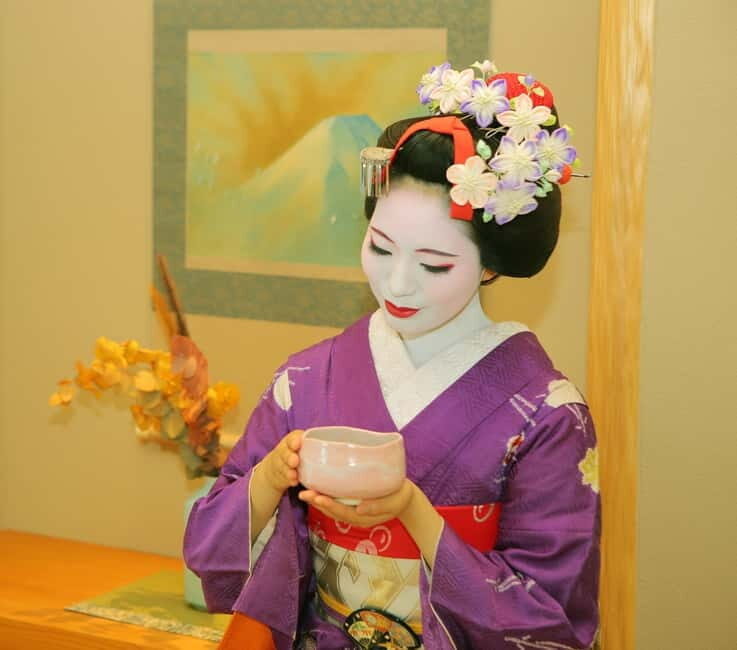
Gion is known for its traditional atmosphere and geisha-area reputation. Even if you’re not chasing specific people-watching, the narrow streets and old-style feel make it a memorable end to a two-day loop.
How the Private Guide Changes the Experience in Kyoto
What makes this tour feel different from a generic circuit is the guide flexibility and the pacing choices you can benefit from.
Several guides connected to this kind of outing were praised for specific strengths:
- Yuji was described as having a well-planned itinerary with a relaxed pace, plus “side” stops you might not consider on your own.
- Noriko was praised for organization and a balanced itinerary over two days.
- Keiko was highlighted as friendly and helpful with culture context.
- Marianna was noted for suggesting best times to avoid crowds.
- Asano was praised for flexibility and modifying the itinerary based on preferences.
- Moto adjusted with the weather in mind, so the day stayed pleasant.
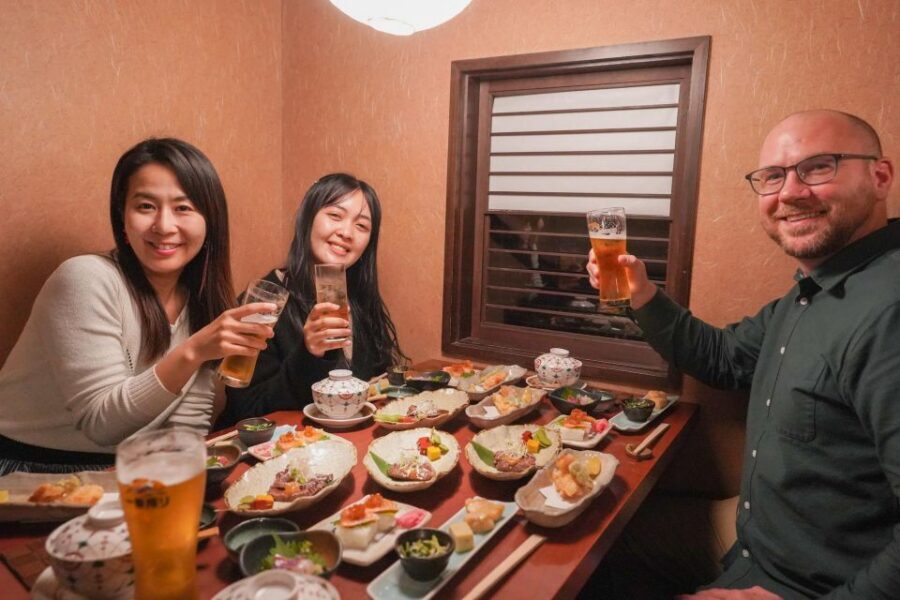
- Takaichi was described as accommodating and even called out as a sushi expert for lunch recommendations.
You may or may not get one of these exact guides, but the pattern is clear: the tour is meant to be adaptable. That’s valuable in Kyoto, where timing can make or break your experience.
If you want to customize, bring 2–3 priorities before the day starts. The itinerary shown is a backbone, but the guide can adjust within reason.
Money-Saving Notes: Tickets, Transit, and Lunch Reality
This tour’s price covers guiding and management, not the on-the-ground costs. Here’s how to think about money without stress.
Entrance fees: budget per person
The tour lists entrance fees of ¥6,950 per person. That’s your baseline for the main temple sites included in the plan.
Transportation: don’t forget this line item
Transportation is not included, and there’s an estimate of ¥2,300 per person for public transport. If you prefer taxis or private vehicle upgrades, your cost will rise, but the tour price won’t change—so treat transit as part of your total “trip budget,” not a surprise bill.
Lunch: you’re getting breaks, not included meals
Food is not included. The itinerary includes lunch breaks around Kyoto Station, which helps because you’re not locked into one restaurant or one hard-to-find location.
Practical tip: decide in advance what you want from lunch. If you want a full meal, use the station window for sit-down comfort. If you want light snacks, you can keep energy for later walking.
Gratuities
Gratuities are appreciated but never expected if you’ve done the right sort of planning. Still, it’s a common way to say thanks if your guide makes the day feel easy.
Weather, Crowds, and the Long-Day Reality
This experience requires good weather. If the tour has to be canceled due to poor weather, you’ll be offered a different date or a full refund.
Kyoto crowds are also real, especially around temples and bamboo areas. The tour schedule helps, but it can’t control the calendar. The best results happen when your guide times stops thoughtfully and helps you choose the length of walks and viewing areas.
Also remember the timing: the tour runs about 16 hours, starting with a hotel meeting in the morning and finishing in the early evening. That means you should plan for a full day of walking and standing. Bring water, wear comfortable shoes, and don’t schedule anything heavy the night before.
Should You Book This Kyoto Top Highlights Private Tour?
Book it if:
- You have only 2 days and want the major Kyoto highlights without building your own route.
- Your group is large enough to make the per-person guiding cost reasonable (up to 8).
- You want a guide to handle timing and pacing, especially around crowd-heavy spots like bamboo and major temples.
Skip it or reconsider if:
- Your group wants a totally DIY Kyoto day where you pick buses and wander at will, without a structured flow.
- You’re sensitive to long days of walking. Some stops (especially on Day 2) include terrain and steps.
- Your budget is strict and you don’t want to add on entrance fees and transportation costs.
If you do book, send your guide your top priorities before the day starts. This is one of those rare tours where small adjustments can make the whole trip feel less like a rush and more like Kyoto at human speed.
FAQ
FAQ
How long is the Kyoto top highlights private tour?
It runs for about 16 hours.
What is the group size for this private tour?
It’s a private tour for your group only, up to 8 people.
What does the $980 price include?
The price includes tour guiding and management.
What is not included in the tour price?
Entrance fees, transportation (public or private), food, and gratuities are not included.
How much are the entrance fees?
Entrance fees are listed as ¥6,950 per person.
How much is transportation if I use public transit?
Public transportation is listed as an estimate of ¥2,300 per person.
Where does the tour start and end?
It starts and ends in Kyoto. The meeting point is shown on Google Maps as on the spot, and you’ll meet at/near your hotel based on the schedule.
Is there a mobile ticket?
Yes, the tour offers a mobile ticket.
Can the itinerary be customized?
The itinerary is shown, and you can still customize it in arrangement with your guide.
What happens if the weather is bad?
If the tour is canceled due to poor weather, you’ll be offered a different date or a full refund.