Cooking in a real Kyoto home changes everything.
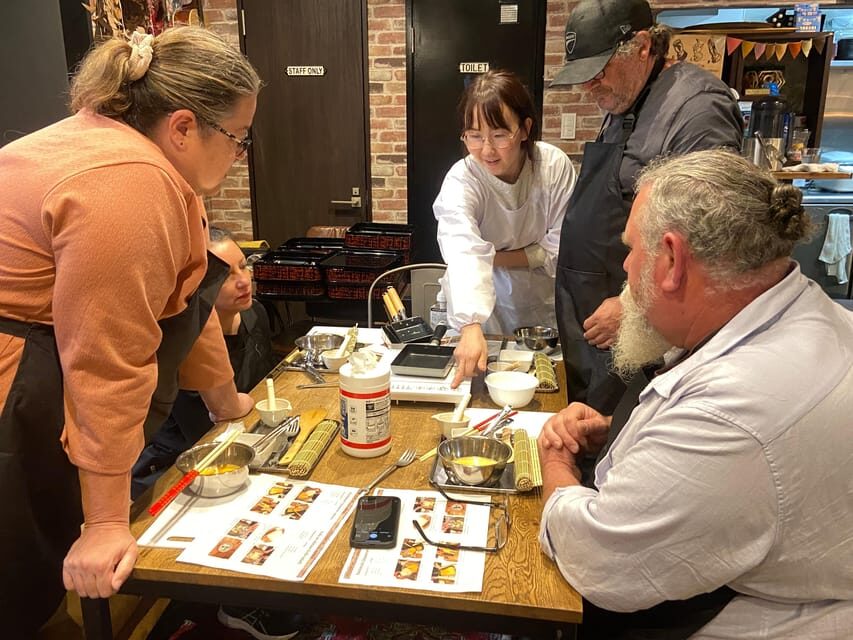
This 3.5-hour class is built around hands-on food you can actually repeat later: you make home-style ramen soup and homemade gyoza from scratch in a warm, non-touristy setting. You’ll also make cucumber pickles and then taste what you made right there, which is a big part of the fun.
I love how step-by-step it feels. Two standouts for me are the chance to work through key parts from scratch (especially the gyoza wrappers) and the small group size that keeps the pace friendly and the teaching clear. One thing to consider: this is not a vegetarian class, because the ramen soup uses dried fish, and the noodles aren’t part of the ramen you make.
In This Review
- Key Highlights to Know Before You Go
- Kyoto Home-Style Ramen and Gyoza: What Makes This Class Special
- What You’ll Make: Ramen Soup, Gyoza Wrappers, and Cucumber Pickles
- Ramen soup (with broth skills from a family-style recipe)
- Gyoza with homemade skins (from dough to wrappers)
- Cucumber pickles for brightness and balance
- A Real Kyoto Kitchen Flow (From Meeting to Eating)
- Meet in Sakyo Ward, start at 10:00 am
- The practical sequence: ingredients, technique, then hands-on builds
- Cooking and tasting your results
- Nariko’s Teaching Style: Friendly, Clean, and Step-by-Step
- Dietary and Age Rules You Should Not Ignore
- Not vegetarian
- Age 10+ only, and kids must handle a knife
- No spectators
- Price and Value: What You’re Paying For
- Who This Kyoto Cooking Class Is Best For
- Should You Book Nariko’s Ramen and Gyoza Class?
- FAQ
- Is this cooking class vegetarian?
- Do you make ramen noodles in this class?
- What age can children join?
- How many people are in the class?
- What food do we make during the class?
- Where do we meet, and when does it start?
- Is this experience refundable if I cancel?
Key Highlights to Know Before You Go
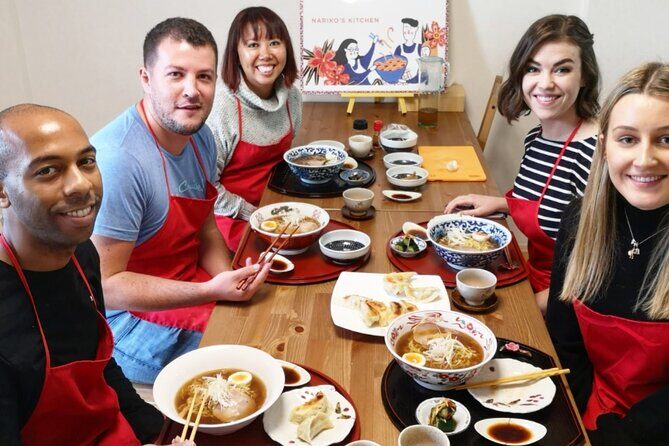
- Scratch-made gyoza skins: you don’t just assemble dumplings, you make the wrappers.
- Ramen soup, not ramen noodles: you’ll learn the broth focus, using mother’s recipe style technique.
- Small max group (8): easier questions, more hands-on time.
- Knife-involved class for kids: participants must be age 10+ and able to use a knife.
- You eat what you cook: the meal is part of the activity, not an afterthought.
- Recipes shared after class: you’ll leave with what you need to try again at home.
Kyoto Home-Style Ramen and Gyoza: What Makes This Class Special
If you’ve done cooking classes before, you might expect a show-and-tell format. This one leans the other way. It’s centered on real technique, using simple ingredients and clear guidance, so you’re actively making the parts that matter.
The biggest appeal for me is that you’re not just learning how food tastes in Kyoto. You’re learning how it’s built—broth, dumpling skins, and flavor finishing. That’s the kind of skill that follows you home, even if your kitchen setup is wildly less charming than a Kyoto home.
You’ll also spend the morning in a domestic space rather than a classroom full of cookware. That matters more than people think. A home kitchen pushes you toward practical habits: how to handle ingredients, how to keep things organized, and how to cook with calm attention instead of racing.
If you're still narrowing it down, here are other tours in Kyoto we've reviewed.



What You’ll Make: Ramen Soup, Gyoza Wrappers, and Cucumber Pickles
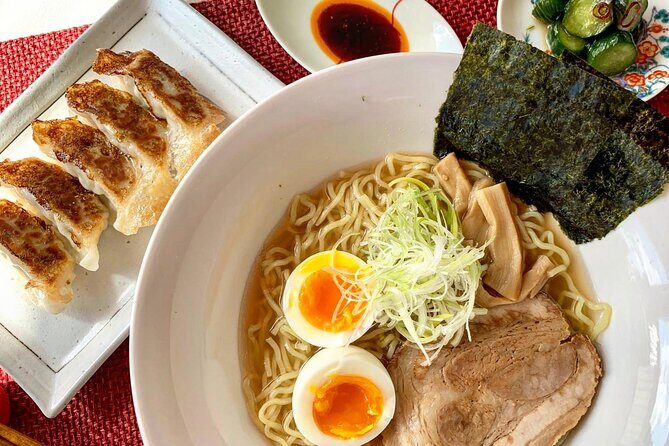
Let’s get specific about the food, because this class has a clear menu.
Ramen soup (with broth skills from a family-style recipe)
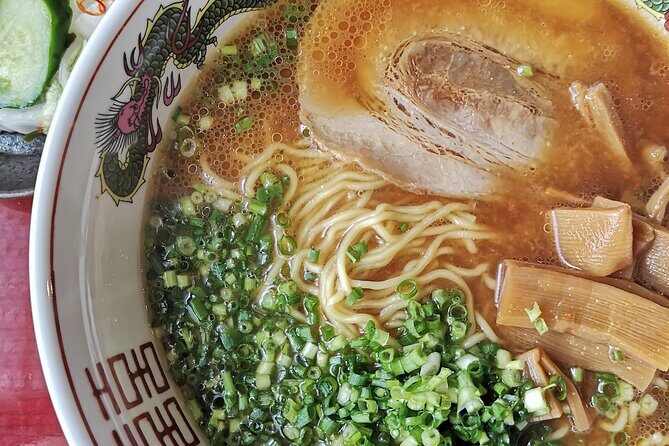
You’ll make ramen soup using a recipe style based on the instructor’s mother. The broth is built with ingredients that include dried fish, which is common in ramen. Important: this class can’t make ramen soup without dried fish, so it’s not vegetarian-friendly.
Also note the structure: you won’t make ramen noodles here. The focus is the broth and the flavor system behind it. If your ramen dream is a full bowl with chewy noodles, this is still ramen—but the noodles are not part of the assignment.
Gyoza with homemade skins (from dough to wrappers)
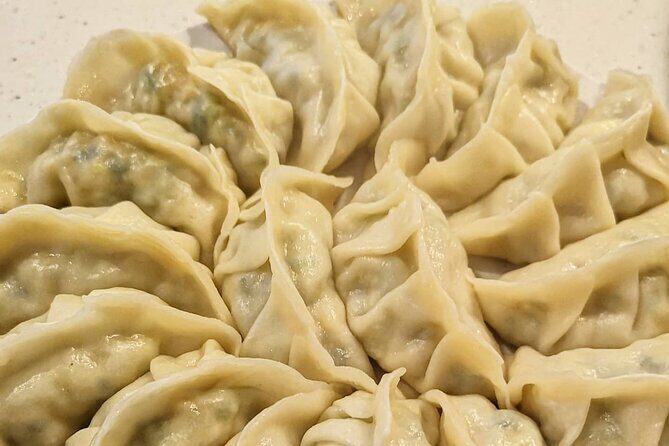
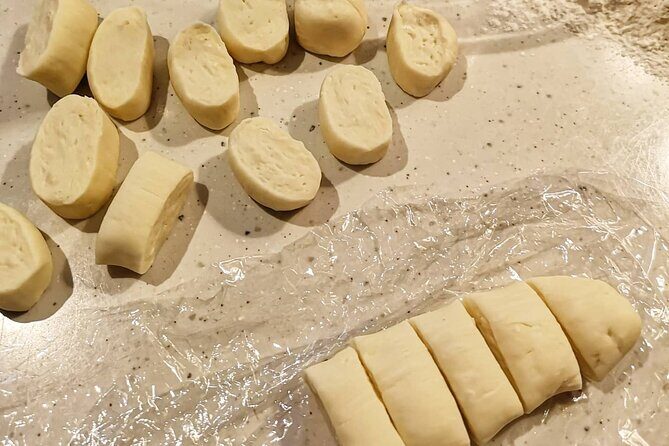
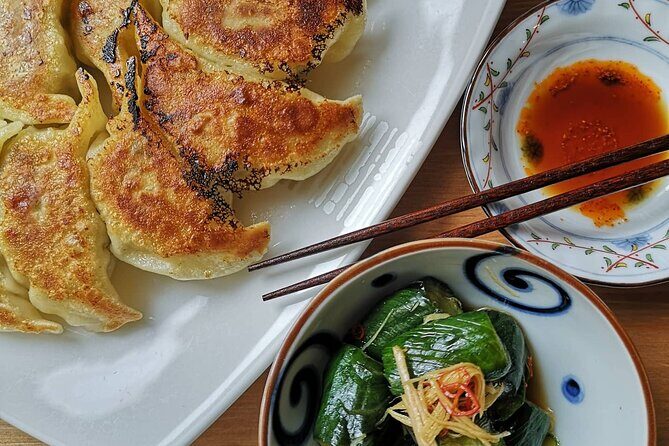
This is the class centerpiece. You’ll make gyoza (Japanese dumplings) and—key detail—make the gyoza wrappers from scratch. That means you’ll work the dough and learn wrapper-making basics, then assemble dumplings.
You’ll likely get hands-on instruction for how to portion and shape, but the real win is that you’re not treating gyoza as a store-bought shortcut. The wrappers are where the texture magic happens, and you get to create that.
Cucumber pickles for brightness and balance
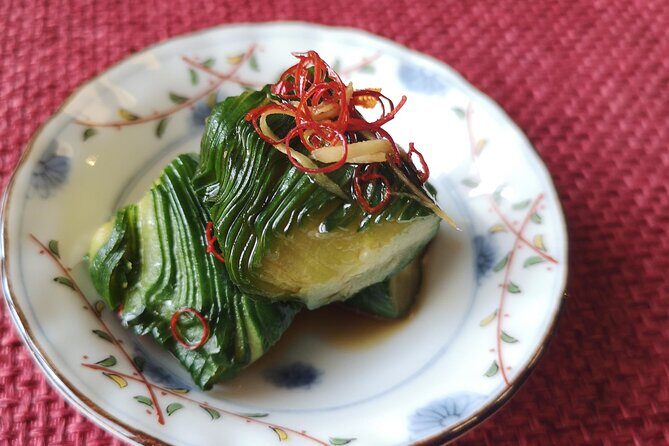
You’ll also make cucumber pickles, which helps balance the richness of broth and dumplings. Pickles are the perfect “don’t skip this” side in Japanese meals, because they reset your palate and keep the meal from feeling heavy.




A Real Kyoto Kitchen Flow (From Meeting to Eating)
This is not a large-group bus tour disguised as cooking. You start at the meeting point and then the class happens in a home kitchen setting.
Meet in Sakyo Ward, start at 10:00 am
You’ll meet at 5-6 Matsugasaki Rokunotsubochō, Sakyo Ward, Kyoto, 606-0915. The start time is 10:00 am, and it ends back at the same meeting point. It’s also described as near public transportation, which is helpful if you don’t want to rely on taxis.
The practical sequence: ingredients, technique, then hands-on builds
The class is structured around making the key components:
- ramen soup broth,
- gyoza dough and wrappers, then dumpling assembly,
- cucumber pickles.
From what’s emphasized in the class format, you’ll get technique demos and then you’ll do the work. The instructor guides you through key steps instead of just letting you figure it out. That pacing shows up repeatedly in people’s feedback, especially the idea that nothing is rushed and you can ask questions while you work.
Cooking and tasting your results
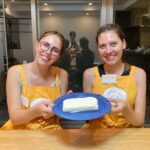
One of the best parts is simple: you get to eat what you made. You’re not leaving on a sugar-high lesson with only photos. You’ll taste the broth and the dumplings you created, plus the pickles.
In a good cooking class, you should leave thinking, I can do this again. Eating what you make is how you learn what “done” actually tastes like.
Nariko’s Teaching Style: Friendly, Clean, and Step-by-Step
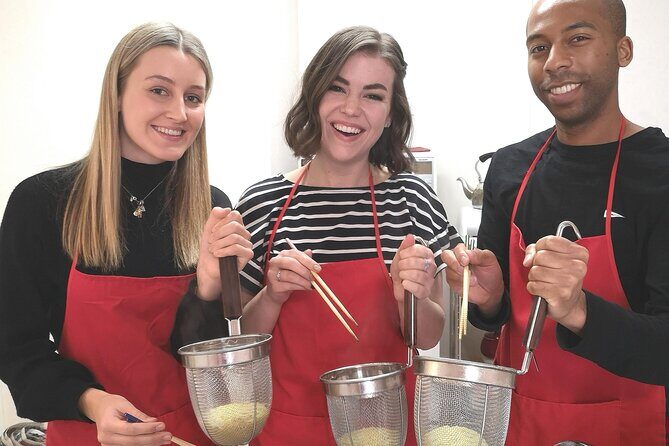
The experience is provided by Nariko’s Kitchen, and Nariko runs the class. What stands out is the combination of warmth and instruction.
In multiple accounts, people highlight the kitchen as spotlessly clean and the teaching as patient and organized, with attention to small steps. That’s important for technique-heavy tasks like wrapper-making. When dough is involved, a minor adjustment can change the texture a lot, so clear guidance matters.
You’ll also get explanations that connect technique to outcome. Instead of just telling you what to do, the class helps you understand why you’re doing it—especially for broth-building and gyoza assembly.
Dietary and Age Rules You Should Not Ignore
This class has a few “read this first” rules, and they genuinely affect who it’s right for.
Not vegetarian
Because ramen soup uses dried fish, the class can’t be vegetarian. If you have dietary restrictions, you’ll want to contact the provider before booking. Even with good intentions, not every restriction can be accommodated.
If you’re a strict vegetarian traveler, this may be a mismatch. If you eat fish but avoid other ingredients, you might still be able to join—just confirm ahead of time.
Age 10+ only, and kids must handle a knife
Participants must be older than 10. The reason is straightforward: the class requires knife use, and children must be able to use a knife.
This isn’t a “sit and watch” kids class. It’s a real cooking class, with real prep. If you’re traveling with older kids who are comfortable in the kitchen, it can be a fun shared project.
No spectators
Because space is limited, only people participating can attend. That keeps the class focused in a small kitchen setup and ensures there’s room and attention for each participant.
Price and Value: What You’re Paying For
At $118.92 per person for about 3 hours 30 minutes, this isn’t a cheap activity. But it also isn’t generic.
Here’s what you’re buying:
- Hands-on cooking skills for ramen broth and gyoza wrappers,
- instruction geared to technique, not just assembly,
- a small group setting (max 8) that helps you actually learn,
- and you eat what you make during the class.
In many cooking classes, you pay for ingredients and a meal plus a bit of instruction. This one leans more toward instruction that transfers to real home cooking. The reviews repeatedly mention that it felt simple once you were shown, which is exactly what you want in a class like this. If you leave with recipes and basic technique you can trust, the price starts to make sense.
One more value angle: gyoza wrappers are the kind of skill that feels intimidating until someone shows you. If you’ve ever thought homemade dumplings were only for experts, this class directly challenges that idea.
Who This Kyoto Cooking Class Is Best For
This is a great fit if you want something more grounded than a typical sightseeing afternoon.
You’ll probably enjoy it most if:
- you like cooking or you’ve tried gyoza before and want the real wrapper skill,
- you want a home-based cultural experience (not a commercial cooking theater),
- you’re traveling in a group size that fits a small class format,
- you care about practical recipes you can redo later.
It may be less ideal if:
- you want ramen noodles made from scratch (this class focuses on the broth instead),
- you need a vegetarian meal (the soup includes dried fish),
- you’re traveling with kids under 10 or kids who aren’t comfortable using a knife.
If you’re a couple or a small group, the experience is especially comfortable because there’s time and attention for each person’s questions and technique.
Should You Book Nariko’s Ramen and Gyoza Class?
I’d book this if your goal is real skill, not just eating a tasty lunch. The combination of broth-making, scratch gyoza wrappers, and a small kitchen setting is a strong mix for anyone who wants to take Kyoto food culture home in a usable way.
Skip it if you’re vegetarian, need a no-fish setup, or you specifically want ramen noodles made in-class. Also consider the age/knife rule if you’re traveling with children.
If those fit your situation, this class is one of the more rewarding “one afternoon” experiences in Kyoto—because you leave with both a meal and the confidence to cook again.
FAQ
Is this cooking class vegetarian?
No. The ramen soup uses dried fish, and the class can’t make the soup without it.
Do you make ramen noodles in this class?
No. You make ramen soup, but you do not make ramen noodles. You do make gyoza wrappers from scratch.
What age can children join?
Participants must be older than 10, and kids need to be able to use a knife because the class involves knife work.
How many people are in the class?
The class has a maximum of 8 travelers, and only participants can attend due to limited space.
What food do we make during the class?
You make ramen soup, gyoza with homemade skins (wrappers), and cucumber pickles, then taste what you cook.
Where do we meet, and when does it start?
You meet at 5-6 Matsugasaki Rokunotsubochō, Sakyo Ward, Kyoto, 606-0915, Japan. The class starts at 10:00 am and ends back at the meeting point.
Is this experience refundable if I cancel?
No. It’s non-refundable and cannot be changed for any reason. If the minimum number of travelers isn’t met and it’s canceled, you’ll be offered a different date or a full refund.