Kyoto feels way less chaotic with the right plan. This private tour is built around your interests and your pace, so you’re not stuck doing a one-size-fits-all checklist. I like that you can choose a half-day or full-day route and pick major highlights like Fushimi Inari, the Golden Pavilion, Arashiyama bamboo area, and Gion, with smart timing advice along the way. I also like that the guide helps with real-life travel needs, including where to go next in Kyoto after your tour. One thing to consider: lunch and most entrance fees are not included, and Japan often means cash-only shops and restaurants.
If you want Kyoto without the stress of figure-it-out logistics, this is a strong option. You can do it via public transit for a more walk-and-see day, or add a private car for a smoother ride across town. The tour also asks for WhatsApp or email contact ahead of time, which helps your guide tailor the day before you meet.
In This Review
- Key highlights that make this tour worth your time
- How the route works: 4-hour vs 8-hour Kyoto days
- A quick “think about your day” tip
- Entering Fushimi Inari Shrine’s torii maze (and why timing matters)
- What to watch out for
- Golden Pavilion: not just pretty, also a serious Buddhist place
- A practical tip
- Nijo-like history and the politics of Kyoto’s past
- Consideration
- Japanese gardens: pond views, 15 rocks, and booked-in-advance calm
- My favorite way to experience them
- The drawback
- Kannon statues, moon-viewing traditions, and the “why” behind the rules
- One note about temple visits
- Arashiyama’s Togetsu-kyo bridge and bamboo trails for photos that actually work
- Quick reality check
- Gion: shrine and bridge photo moments near Shirakawa
- Best way to enjoy Gion on a private tour
- Shopping and culture time: when your wish list drives the day
- Getting around Kyoto: public transit vs private car
- Which option makes sense?
- What you actually get for the price (and why it can be good value)
- Booking timing matters
- Who this tour is best for
- Should you book this private Kyoto tour?
- FAQ
- FAQ
- How long is the private Kyoto tour?
- How many places can I visit during the tour?
- Does the tour include pickup?
- Is a private car included?
- Is lunch included in the price?
- Are entrance fees included?
- Do I need cash in Kyoto?
- Will I be walking a lot?
- How does the guide contact you before the tour?
- What if it’s canceled due to weather or I need to cancel?
Key highlights that make this tour worth your time
- Private, just your group: you set the pace and the stops.
- 4 hours or 8 hours: pick 2–3 places for a half-day or 4–5 places for a full-day.
- Major Kyoto classics plus photo stops: Fushimi Inari torii gates, Golden Pavilion, Arashiyama bamboo, and Gion bridges/shrines.
- Cash-ready planning: the guide nudges you about Japan’s cash culture, so you’re not scrambling.
- English-speaking guidance with bottled water and route strategy.
- Real personalization: including shopping stops and culture time when it fits your wish list.
How the route works: 4-hour vs 8-hour Kyoto days
You choose between a 4-hour and 8-hour private tour, and the guide helps you pick what fits. For the half-day, you’ll typically land on 2–3 places; for the full-day, plan on 4–5 places. That ratio matters in Kyoto because many famous sights take time to get between, and you don’t want to burn your energy on transit instead of atmosphere.
I like the flexibility because it makes the tour feel like a Kyoto day built for your priorities. If you’re into shrine-and-temple walking, you can load up on them. If your idea of Kyoto includes food and shopping, the guide can steer your day toward those priorities too.
The other advantage of the time structure: it helps you avoid the most common Kyoto mistake—trying to see too much. Even with a private guide, you’ll move slower at places with crowds, photo lines, or steps. You’ll get better photos and better memories when you leave breathing room.
Other guided tours in Kyoto

A quick “think about your day” tip
Before your tour, decide how you want your day to feel:
- Relaxed walking with public transportation between stops
- More comfortable travel with a private car option
If anyone in your group has moderate mobility needs (the tour notes moderate fitness level), the private car option usually buys you a lot of comfort.
Entering Fushimi Inari Shrine’s torii maze (and why timing matters)
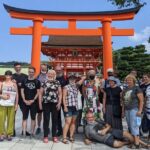
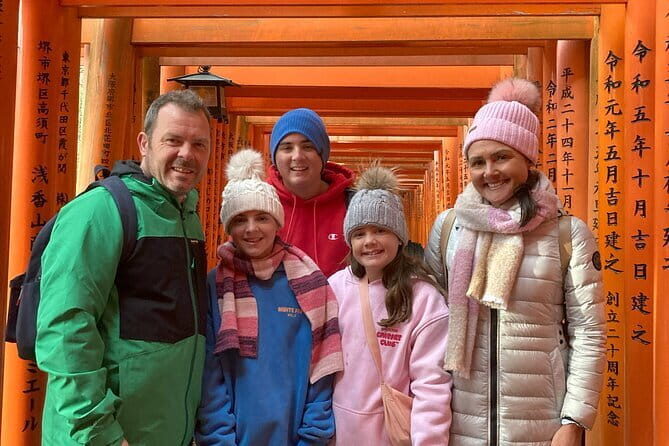
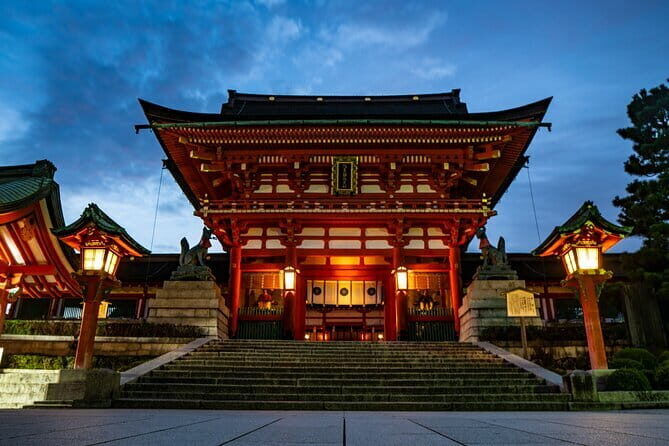
Fushimi Inari Shrine is one of Kyoto’s most famous places for a reason: the torii gates are a whole experience by themselves. You’ll see the famous stretch of red torii gates running upward through the hillside, built from below to the top, and tied to the huge network of Inari shrines across Japan.
What makes this stop special is that it doesn’t feel like a static monument. You’re moving through a series of viewpoints. The best moments are often the pauses—when the torii tunnel narrows, when the view opens, and when the pace lets you take photos without rushing.
The tour also includes a neat cultural detail: you can donate a new red torii gate. If you want to do this, keep some yen handy so you can follow the shrine process smoothly. Also, wear shoes you can walk in for a bit of uphill terrain.
What to watch out for
This is a photo magnet, which means crowds can show up. If you want quieter walking and fewer interruptions, tell your guide what you prefer (morning calm vs. later energy), and they’ll build your other stops around it.
Golden Pavilion: not just pretty, also a serious Buddhist place
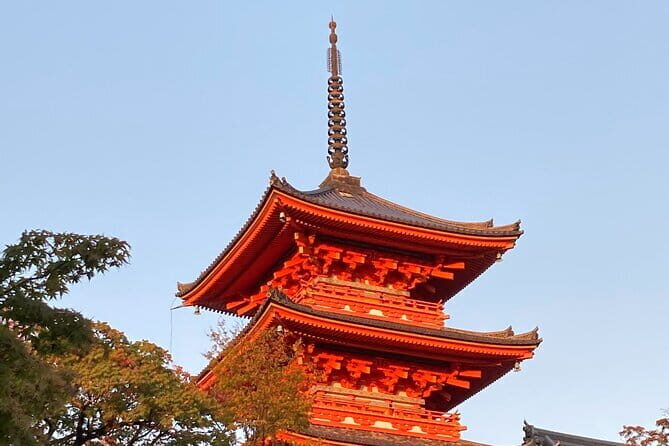
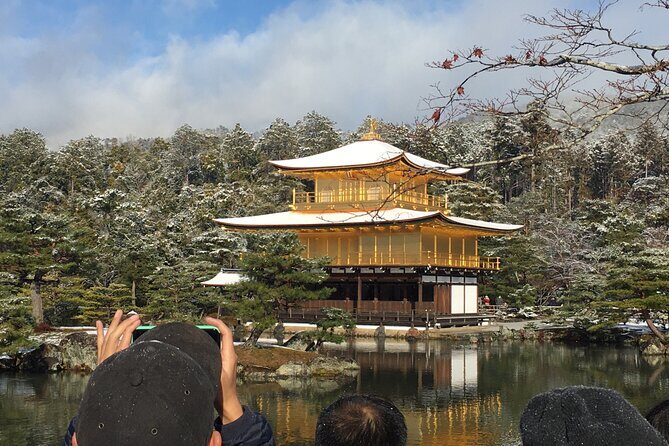
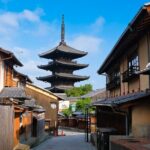
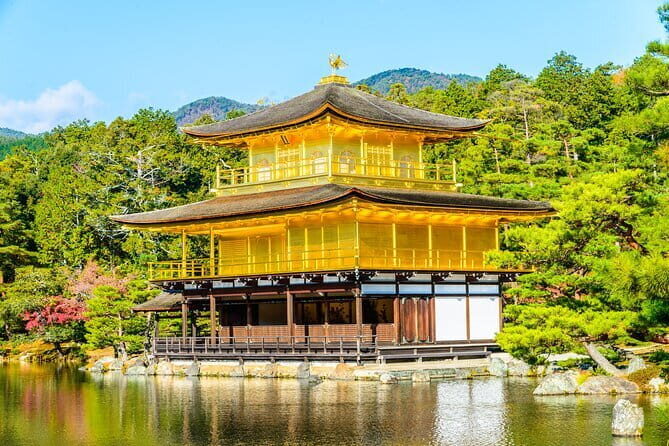
The Golden Pavilion stop is one of those Kyoto highlights you’ve probably seen in pictures, but the real thing has a weight that photos don’t fully capture. The complex includes the container of Buddha’s ashes and bones, which gives the site a deeper meaning than just architecture and reflections.
If you like details, this is a good stop to slow down. The structures and surroundings help you understand why people treat this place as a major spiritual landmark.
Other private tours in Kyoto


A practical tip
Bring patience here. Even when you’re not doing a long walk, you might spend time repositioning for better sight lines or waiting for the right moment. That’s where having a guide helps: they can help you find a good viewing rhythm without you feeling like you’re constantly chasing crowds.
Nijo-like history and the politics of Kyoto’s past
One of the big “wow” stops is a converted military complex that was reshaped into a place meant to harmonize the military government in Edo (Tokyo) and the Imperial Palace in Kyoto. It’s a reminder that Kyoto wasn’t only temples and gardens—it was also power, administration, and ceremony.
What I appreciate about this kind of stop on a private tour is how it balances the day. You get visual beauty at the shrine and temple stops, then history that explains why certain buildings were built the way they were.
Consideration
This is a good match if you like context. If you only want photogenic scenery with minimal explanations, tell your guide early so they can keep things focused and move you along at your preferred pace.
Japanese gardens: pond views, 15 rocks, and booked-in-advance calm
Kyoto’s gardens can feel like magic if you know how to look at them. This tour includes several garden-style experiences, including:
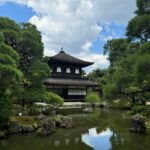
- A Japanese garden with a pond in the backside of a temple, where Zen sect monks trained for many years.
- A famous rock garden built with a set of 15 rocks, often experienced as a quiet mental exercise.
- A garden that requires advance booking to visit, with multiple built-in surprises in how the garden reveals beauty from different angles.
Even if gardens aren’t your obsession, these stops can still work because they’re designed for short attention shifts. You step into a view, then another. You don’t need to understand everything to feel how carefully the space is arranged.
My favorite way to experience them
Give yourself a small routine: stand, look, then walk a few steps. Repeat. Let the garden change as your angle changes instead of trying to capture everything at once.
The drawback
Gardens can involve extra time waiting or careful viewing rules. That’s not a dealbreaker, but it’s a reason to pick the half-day vs full-day option wisely. If you want more garden time, go full-day.
Kannon statues, moon-viewing traditions, and the “why” behind the rules
This tour also leans into temples tied to Kannon and specific traditions. You’ll see places with lots of Kannon Boddhisattva statues and guardians connected to ancient Indian deities. The day may also include a temple known for moon viewing around August 15th (old calendar), with a key rule: you can’t enter the temple at night.
These details matter because they change how you plan your time. If you want the mood that goes with moon-viewing season, you’ll need to listen to local rules and build your schedule around what’s allowed, not what looks best in photos.
Another temple focus can include the way the site was supported over centuries by commoners, plus the temple’s connections to prayers for loved ones. That kind of context makes the visit feel more grounded than just sight-seeing.
One note about temple visits
At several of these stops, you may encounter limits on where you can go or how long you can stay inside. The guide’s job is to keep you moving at the right pace while respecting the rules. That’s exactly where private guidance pays off.
Arashiyama’s Togetsu-kyo bridge and bamboo trails for photos that actually work
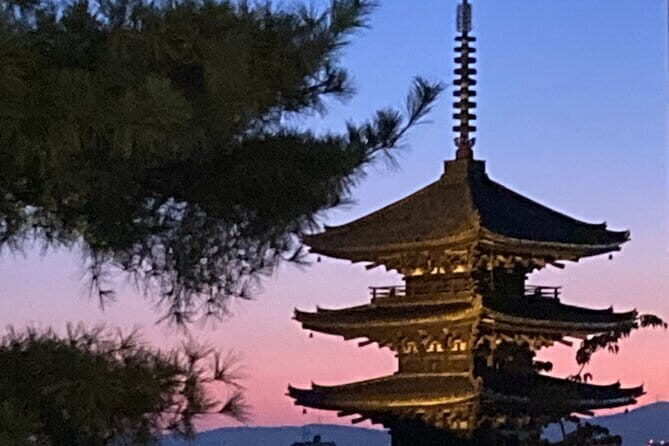
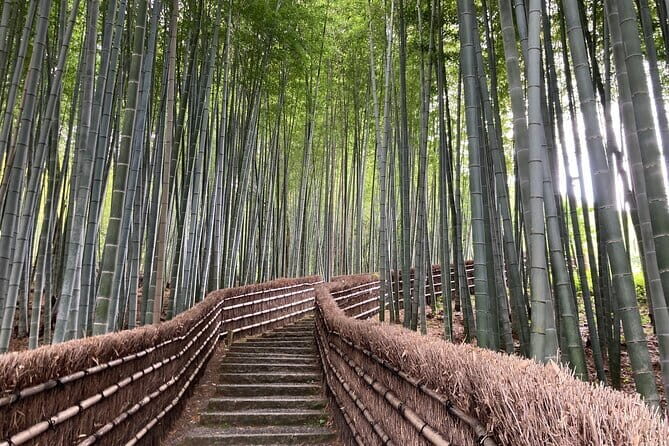
After temple time, Arashiyama adds a different Kyoto mood. The tour includes the Arashiyama area with the Togetsu-kyo bridge over the River Katsura and the bamboo trails.
This is the part of the day where your camera gets a workout, but it’s also where having a guide helps you avoid wasting time. You’ll want a rhythm: bridge for views, then bamboo for walking and photos, then back out before you hit max crowd frustration.
Quick reality check
Bamboo trails are popular, so the experience can swing from magical to busy depending on timing. Tell your guide what you want—classic photo, quieter walking, or both—and they can route your day to match.
Gion: shrine and bridge photo moments near Shirakawa
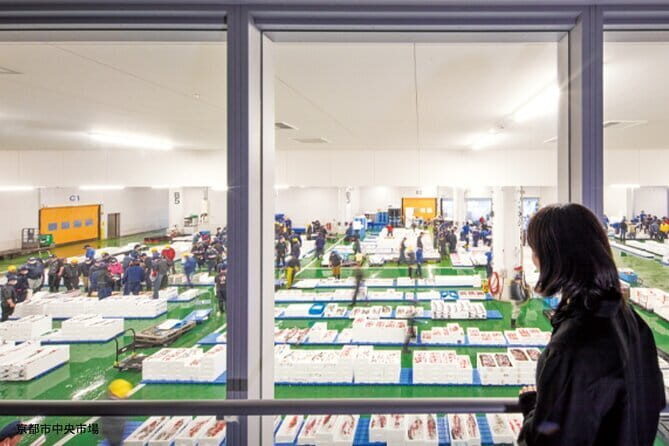
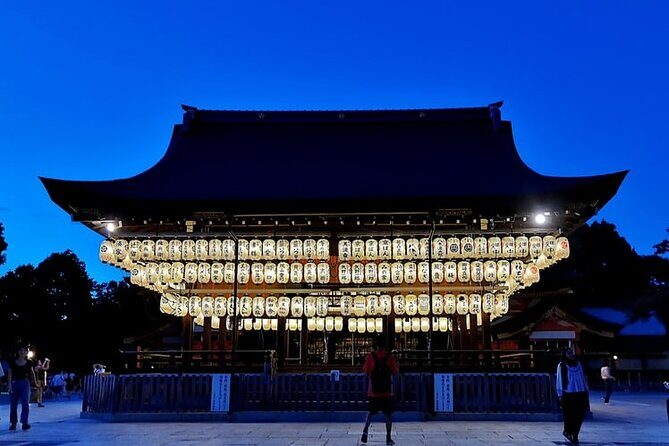
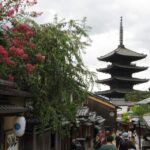
Gion is next, with a focus on photo-friendly stops around Tatsumi Daimyo-jin Shrine and Tatsumi-bashi bridge along the River Shirakawa. Even if you’ve seen Gion from afar, these specific points give you a concrete way to enjoy the area instead of wandering endlessly.
I like the approach here. You get a structure to your time in Gion, which helps you notice details instead of spending the whole afternoon trying to find the right street.
Best way to enjoy Gion on a private tour
Ask your guide to build one short “wander block” into your schedule. That way you can shop or take photos without turning the day into a random walk.
Shopping and culture time: when your wish list drives the day
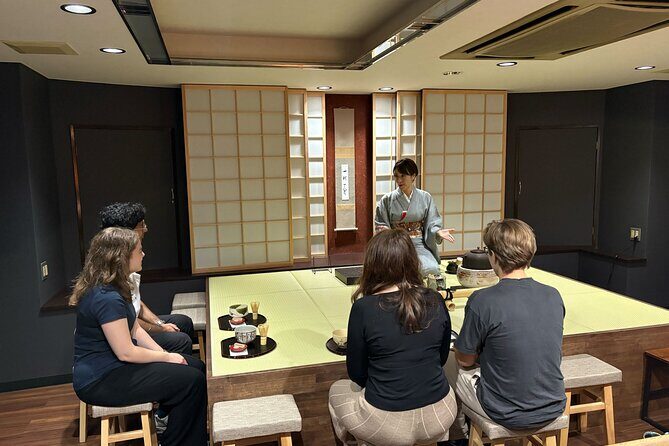
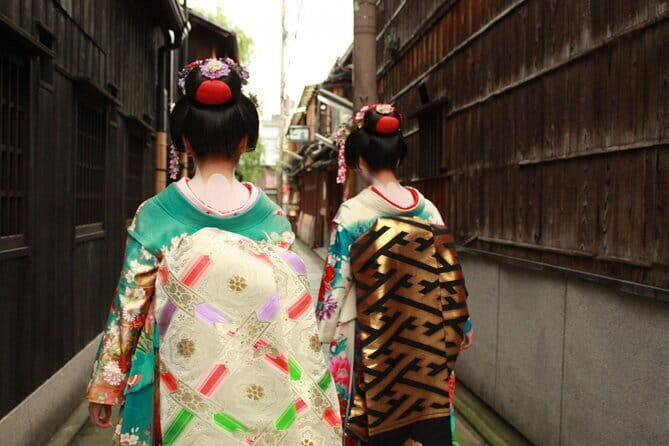
The tour is designed for personalization, and it can include shopping and culture activities that match your interests. In one full-day experience with Yumiko-san, the guide worked with a specific wish list that included kimono shopping and even tracking down a Japanese Giants MLB hat. That kind of help is more than convenience. It turns Kyoto from a checklist into a story your group can actually remember.
So if you have your own must-dos—food experiments, a shopping target, a cultural experience—put it on the list. A good guide can turn “maybe” into “done.”
Getting around Kyoto: public transit vs private car
Your guide can work with two different travel styles. You can do a more relaxed walking tour using Kyoto’s public transportation, or you can choose a private vehicle option for smoother movement between far-apart stops.
Which option makes sense?
- Choose public transit if you want more walking, more street scenes, and you’re comfortable reading transit routes (the tour isn’t providing transport costs).
- Choose a private car if you want less time in transit, more comfort, or you’re traveling with kids or anyone who tires quickly. The private car option includes a smoother day, and the tour includes bottled water.
Either way, you’ll still want sensible shoes and a bit of patience. Kyoto days move at footspeed, not airport-speed.
What you actually get for the price (and why it can be good value)
The tour costs $149.85 per person. On paper, that might sound like a lot for a walking day. But you’re paying for an English-speaking guide who builds the day around you and helps manage timing, routes, and on-the-ground choices at major sights.
Also look at what’s included:
- English-speaking guide
- Bottled water
- Private car option if you choose it
- Advice on future plans from an experienced guide
What’s not included matters for value:
- Lunch is not included
- Entrance fees are not included (and if you want the guide to accompany you inside ticketed facilities, there may be extra costs for the guide portion)
- Public transportation isn’t included
So the “value equation” is simple. If your plan includes 2–3 big sights in half a day, or 4–5 in a full day, a private guide can prevent you from wasting hours figuring things out. If you also plan to pay for multiple taxis and separate guides, the private format can start to feel like the cheaper path.
Booking timing matters
This type of tour is often booked around 50 days in advance on average. If you have a tight travel window or specific dates for a garden visit, book early so the guide has more room to shape the day.
Who this tour is best for
This works especially well if:
- You want Kyoto tailored to your interests, not forced onto a single route
- Your group includes different ages or walking comfort levels
- You want help with practical choices like where to go next and how to pace each stop
- You care about cultural context at temples and shrines, not just photos
It may be less ideal if your group wants zero guidance and prefers to self-navigate with no coaching. In that case, you could do Kyoto solo, but you’ll trade away the “someone else handles the logic” benefit.
Should you book this private Kyoto tour?
Book it if you want a Kyoto day that feels designed for you, with an English-speaking private guide and a route that can stretch from major icons like Fushimi Inari and the Golden Pavilion to Arashiyama and Gion. This is also a good choice if you like the idea of adding personal shopping or culture time, like the kimono and Giants hat hunt that worked out in a recent full-day tour with Yumiko-san.
Skip it or consider a different option if you’re trying to keep costs ultra-low and you’re happy self-guiding every stop. With lunch and entrance fees separate, you’ll still need a cash budget for food and tickets.
If you’re aiming for the most memorable Kyoto day with the least hassle, this tour style is a strong match.
FAQ
FAQ
How long is the private Kyoto tour?
You can choose either a half-day option of about 4 hours or a full-day option of about 8 hours.
How many places can I visit during the tour?
For a 4-hour tour, you can choose 2–3 places. For an 8-hour tour, you can choose 4–5 places.
Does the tour include pickup?
Yes, pickup is offered.
Is a private car included?
A private car is included if you choose the private car option. If you don’t choose it, you may use public transportation instead.
Is lunch included in the price?
No. Lunch is not included, and you should pay for lunch together with the guide’s portion.
Are entrance fees included?
No. Entrance fees are not included, and if you want the guide to accompany you inside a facility, you will need to pay for the guide as well.
Do I need cash in Kyoto?
Yes. Many stores and restaurants accept cash payments only, so you should have some Japanese yen on hand.
Will I be walking a lot?
The tour is described as requiring moderate physical fitness, so expect some walking and stairs at temple and shrine sites.
How does the guide contact you before the tour?
You’ll be asked to download WhatsApp or share your email address so the guide can contact you in advance.
What if it’s canceled due to weather or I need to cancel?
The experience requires good weather. If it’s canceled due to poor weather, you’ll be offered a different date or a full refund. You can cancel up to 24 hours in advance for a full refund.