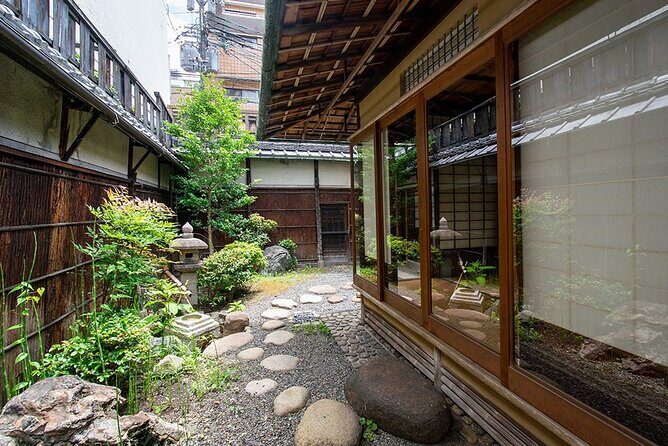
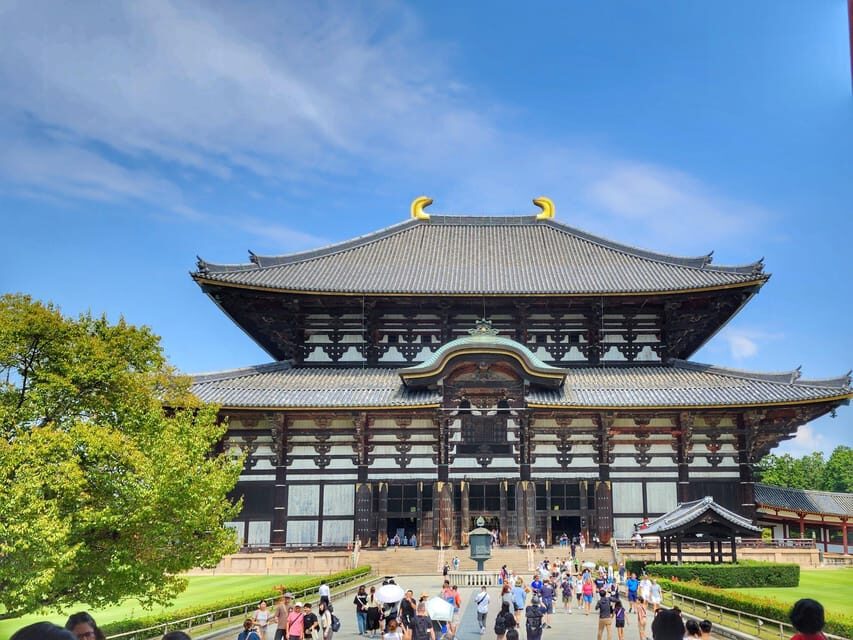
Kyoto looks different when you leave the main roads. This 3-hour afternoon bike tour is built for that moment—when the city shifts from calm alley air to the energy of the streets you recognize. You pedal narrow lanes lined with old wooden houses, and you get the little sensory cues that don’t show up in photos: the angle of sunlight in tight streets, the sounds coming from doorways, and the smells drifting out from everyday life.
I especially love how the route mixes geisha district streets (like Miyagawacho and Gion) with practical local scenery, instead of treating everything like a postcard stop. I also like the focus on riding well and safely, which matters when you’re sharing roads with real people. If you’re expecting a long sit-and-spectacle tour, this is more like active street-reading on wheels—fast enough to feel efficient, but still paced for short breaks.
One possible drawback: you’ll spend the whole 3 hours cycling, so if you’re not comfortable riding (and handling turns in narrow lanes), you may find it a bit tiring. The upside is that electric assist can take the edge off, and the guide keeps the group together.
In This Review
- Quick hits before you book
- Why hidden-alley cycling feels like real Kyoto
- Meeting at 2:00 pm and getting set up for the ride
- Miyagawacho Kaburenjo: wooden-house calm in the second geisha district
- Gion on wheels: refined streets without getting trapped in one spot
- Tatsumi Bridge: a limped-stream stroll and willow sway
- Kyoto Imperial Palace: cycling along gravel paths in a calmer zone
- Kashiwayacho and the Kamo River: a local break that actually counts
- The guide makes or breaks the experience (and it shows)
- Price and timing: value for a fast, focused afternoon
- Rain plan and how the tour stays moving
- Who should book this Kyoto alleyway bike tour
- Should you book this Hidden Alleyway with a Local Expert bike tour?
- FAQ
- How long is the Kyoto Hidden Alleyway bike tour?
- Where is the meeting point, and what time does it start?
- How much does the tour cost?
- Is this tour private?
- How many people can be accepted per guide?
- Does the tour operate in rain?
- Do I need a mobile ticket?
- What’s the minimum age and height for children?
- What’s the cancellation and refund situation?
Quick hits before you book
- A 3-hour e-bike style loop that hits quiet alleys and famous districts without dragging on forever
- Miyagawacho’s wooden-house lanes where the mood turns noticeably calmer
- Gion time on the move—close to the geiko/maiko atmosphere without feeling stuck in a crowd
- Tatsumi Bridge and a willow-lined stream path for a change of pace and views
- Kyoto Imperial Palace grounds on gravel paths—a different kind of space from the streets
- Kamo River break at Kashiwayacho with time to relax by local life
Why hidden-alley cycling feels like real Kyoto
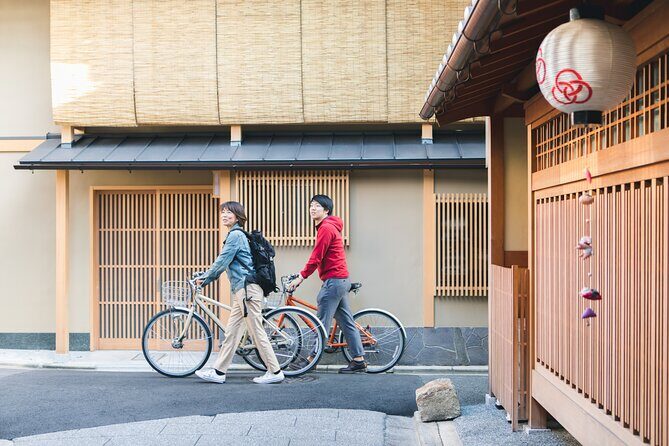
Kyoto is famous for looking beautiful. But it can also feel curated—full of the same viewpoints, the same lanes, and the same kind of footsteps. This tour is designed around a simple idea: ride where people actually move day to day. When you switch from a main street rhythm to a narrow alley rhythm, you feel it quickly. The pace changes. The light changes. Even the sound changes.
You also get something practical: a guided route that helps you connect dots. You’re not just bouncing between sights. You’re learning how these neighborhoods link together—how old districts sit next to river paths, how a quiet lane can funnel you toward a busier frontage, and how the city’s geography creates natural atmosphere shifts.
And yes, this kind of tour can be a lifesaver if you have limited time. Three hours is long enough to feel like you did something meaningful, but short enough to keep the rest of your Kyoto day flexible.
If you're still narrowing it down, here are other tours in Kyoto we've reviewed.


Meeting at 2:00 pm and getting set up for the ride
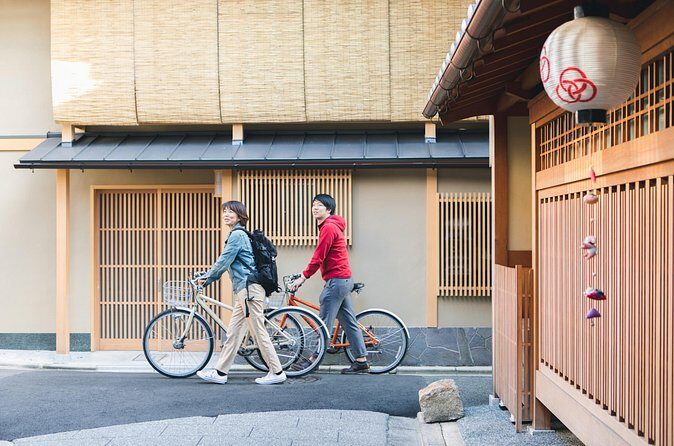
The tour starts at 2:00 pm at 552-13 Higashiaburanokōjichō, Shimogyo Ward, Kyoto, 600-8235. It ends back at the meeting point, so you’re not playing transportation chess after.
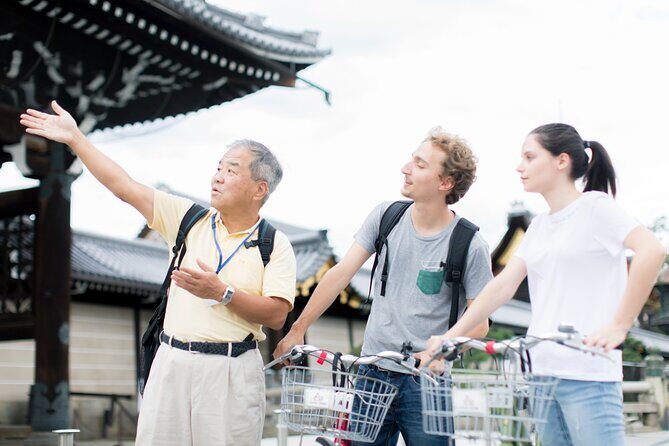
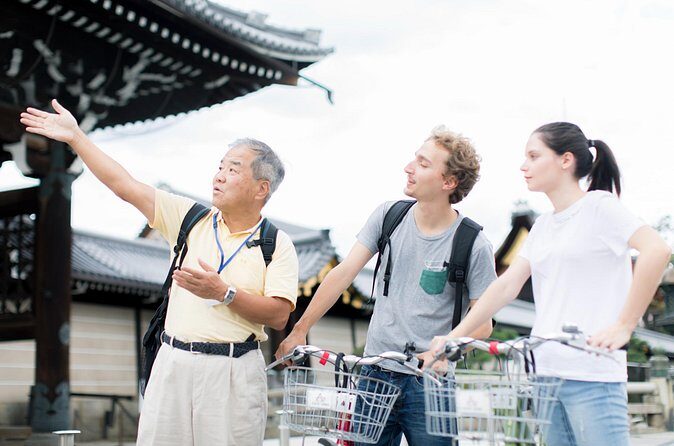
You’ll ride as a group, so plan to arrive a few minutes early and be ready to follow instructions right away. The operator uses professionally trained guides, and that matters in a city where streets range from wide and busy to tight and turny. The training covers traffic safety, group cycling technique, and local etiquette, so you’re not just rolling around hoping for the best.
If you like to travel light, this is a good format. You won’t need a long checklist of “museum gear.” But do bring what you’d need for a 3-hour ride: comfy clothes, water, and something for rain if the forecast is iffy.
Miyagawacho Kaburenjo: wooden-house calm in the second geisha district
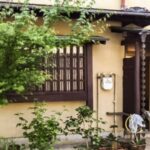
Your first highlight is Miyagawacho Kaburenjo. Miyagawacho is described as the second biggest of Kyoto’s five geisha districts, and you feel that identity immediately—not with big signs, but with the street shape. It’s an alley lined on both sides with traditional wooden houses, and the mood settles fast.
This is the part of the tour where you can slow down mentally. The alley isn’t just pretty. It’s also human-scaled. Doorways sit close to the street. The street doesn’t “open up” the way a wide road does, so your attention stays on small things: the quiet stretch in front of you, the way the lane narrows and curves, and how the neighborhood keeps its own tempo.
One practical note: narrow lanes can be visually easy but physically careful—small turns, careful spacing, and more attention than on a wide road. If you’re even slightly unsure on a bicycle, this is where the guide’s group management helps.
Gion on wheels: refined streets without getting trapped in one spot
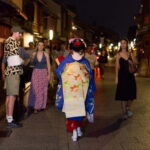
Next you head to Gion, and this is the “Kyoto you recognize” moment. Gion is where the geisha district identity really stands out, with maiko girls and geiko women part of the district’s traditional picture. The tour time here is short, but it’s timed for atmosphere: you’re there long enough to understand the mood, not long enough to feel stuck.
What I like about doing Gion by bike instead of only on foot is that you get options. You can see how streets and corners redirect foot traffic. You can notice the difference between a lane that feels lived-in and a frontage that feels more public. And because you’re moving, you’re not relying on waiting for the perfect photo angle.
Also, Gion can be busy at certain times. A bike route with a guide helps you avoid the “stand still and blend in” trap. You still get the feeling of the district, but you keep momentum.
Tatsumi Bridge: a limped-stream stroll and willow sway
Then the tour changes gears with Tatsumi Bridge. You’ll cycle toward a path that runs along a stream. The description focuses on a limped stream path and the feeling of Kyoto in motion—especially with willows swaying in the breeze.
This is the stop where you can breathe. Streets can be sharp-edged and attention-demanding. A stream-side path gives your brain a different job: noticing water movement, tree lines, and the way the soundscape changes once you’re not only listening to traffic.
If you like photography, this is usually where you’ll pause longer without forcing it. If you’re tired from the ride, it’s also a mental reset. Just remember: it’s still a guided stop, so don’t wander too far ahead of the group.
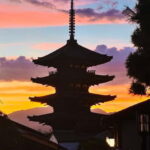
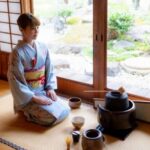


Kyoto Imperial Palace: cycling along gravel paths in a calmer zone
Your biggest “public space” stop is Kyoto Imperial Palace. The palace used to be the residence of Japan’s Imperial Family. Today, it’s open to the public as a national garden with seasonal flowers, and the tour takes you through the grounds by gravel paths.
This part is valuable because it’s not a street canyon. It’s a different scale. You get to see Kyoto’s planning—how open space and garden space create relief after dense neighborhoods.
The gravel paths also add a practical cycling detail. Gravel tends to feel less predictable than smooth pavement. The guide’s group technique and spacing become extra important here, not just for comfort, but for safety. It’s also why training matters; you’re on a maintained pathway, but still cycling on a surface that can slow you down.
If you’re the type who likes gardens but finds typical garden visits slow, this is a good compromise: you get time in the grounds without turning your afternoon into a long foot march.
Kashiwayacho and the Kamo River: a local break that actually counts
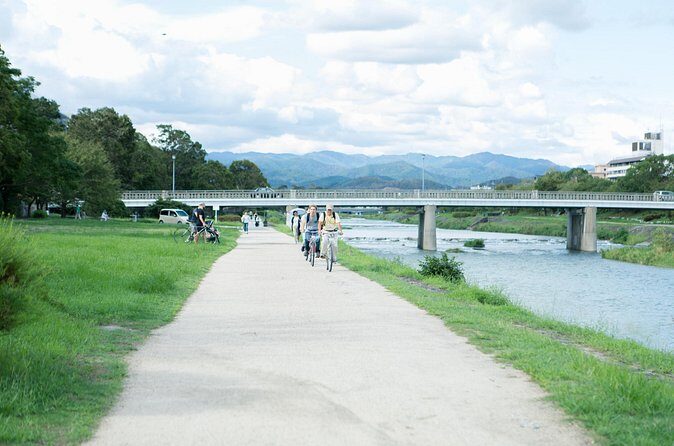
Near the river, the tour stops at Kashiwayacho, where you get time to relax by the Kamo River. The river area is described as loved by local residents, and that’s the key idea. This isn’t only a view stop. It’s a reset stop.
Even short river time can change your energy for the last stretch of cycling. It’s where you can sit, check your bearings, and let the experience sink in. After alley lanes and district streets, the river gives you a different kind of perspective—wide enough to feel like space, close enough to stay connected to the neighborhoods you just rode through.
If rain is in the forecast, river stops can become a wet gear situation. Bring whatever you need to keep your ride comfortable, and listen to your guide’s plan for staying together.
The guide makes or breaks the experience (and it shows)
This is billed as a tour led by professionally trained guides. That training isn’t just “culture talk.” It includes traffic safety, group cycling technique, and local etiquette. In Kyoto, that combination matters, because you’re moving through mixed areas where pedestrian density, street width, and local habits can change block to block.
The reviews strongly emphasize that the guide experience is a standout. One name that pops up is Yuichi, praised as funny, personable, and informative. That’s not a small detail. A guide who can explain what you’re seeing while also keeping the group riding smoothly helps you enjoy the city instead of managing stress.
For you, the practical takeaway is simple: read the room and follow the guide’s pacing. Ask questions when you have them. But also trust that the guide will steer you through the route rhythm that makes the hidden-alley concept work.
Price and timing: value for a fast, focused afternoon
The price is $102.47 per person, and the tour runs about 3 hours. It’s booked around 13 days in advance on average, which tells me people treat this as a planned slot, not a last-minute wander.
Is it worth it? I think it can be, depending on your travel style. If you want Kyoto highlights plus the benefit of route guidance, you’re paying for three things:
- Time savings from having a planned loop through different neighborhoods
- Support for riding safely and moving as a group
- Access to the “in-between” streets that you might skip if you’re just navigating alone
For a city where the best experiences often require timing, a 2:00 pm slot can be a smart choice. It’s late enough to avoid the earliest rush, and it still leaves room for dinner plans after.
One more detail: the tour is private in the sense that it’s only your group. That can make the experience feel less chaotic, especially in busier areas like Gion.
Rain plan and how the tour stays moving
This tour operates in rain. You have two options if weather turns:
1) Continue on bikes with rain poncho provided at no extra charge.
2) Switch to a walking tour using public transportation (bus or metro), included in the tour fee.
That matters because it means your afternoon isn’t automatically ruined by forecast jitters. You still get your Kyoto time. The flip side is that wet streets can make cycling less comfortable, especially on gravel or in tight lanes. If you’re sensitive to rain or slippery footing, the walking-public-transport option may suit you better.
Who should book this Kyoto alleyway bike tour
This tour fits you best if you want:
- Kyoto districts with less crowd-stress
- A guided route that helps you connect neighborhoods
- An active afternoon that’s not just walking
It’s also a good match if you like e-bikes or want an easier way to cover ground. The tour format gets praised specifically for electric assist, which helps when you’re weaving through short segments and making turns.
It may be less ideal if:
- You hate riding on streets with other people and traffic
- You’re worried about narrow-lane cycling
- You want long, slow museum-style time
Kids need to be at least 10 years old and 145 cm or above, and able to ride a bicycle safely on the road unassisted.
Should you book this Hidden Alleyway with a Local Expert bike tour?
I’d book it if you’re aiming for the Kyoto “off the postcard” feeling without giving up famous districts. The combination of Miyagawacho’s wooden-house calm, Gion’s refined atmosphere, Tatsumi’s stream-side pause, and Kyoto Imperial Palace grounds makes the afternoon feel varied and efficient.
But book with your eyes open: it’s a real bike tour. You’re cycling for about 3 hours, so your comfort level matters more than curiosity. If you like getting around under your own legs (with electric assist), this is a strong use of time.
If you want, tell me your travel dates and whether you prefer e-bike over walking. I can suggest the best time slot for pairing this with a morning temple plan and an evening food route.
FAQ
How long is the Kyoto Hidden Alleyway bike tour?
It runs for about 3 hours.
Where is the meeting point, and what time does it start?
Meet at 552-13 Higashiaburanokōjichō, Shimogyo Ward, Kyoto, 600-8235, Japan. The start time is 2:00 pm.
How much does the tour cost?
The price is $102.47 per person.
Is this tour private?
Yes. It’s private in the sense that only your group participates.
How many people can be accepted per guide?
The maximum is 6 guests per guide. In larger groups (7–12), an extra guide can be arranged.
Does the tour operate in rain?
Yes. It operates in rain. You can either continue on bikes with a rain poncho, or switch to a walking tour using public transportation (bus or metro), included in the tour fee.
Do I need a mobile ticket?
Yes. The tour uses a mobile ticket.
What’s the minimum age and height for children?
Children must be at least 10 years old, at least 145 cm, and able to ride a bicycle safely on the road unassisted.
What’s the cancellation and refund situation?
The cancellation policy provided says the experience is non-refundable and cannot be changed for any reason. If you need to make changes, it’s worth double-checking details directly with the provider before booking since other notes mention refund timing.