Fushimi turns a walk into a tasting lesson. In about 3 hours, you’ll move through Kyoto’s sake district with a local guide and sample the kinds of drinks that make sake culture more than just a bottle on a shelf. I like that this tour doesn’t stop at one stop: you get multiple brewery-style experiences and tastings in different settings.
I also like the focus on names you can’t ignore in Kyoto’s sake world, especially Gekkeikan, founded in 1637. You’ll walk through the story of how sake fit into the area over centuries, then finish with a guided tasting set where you can start talking about differences on your tongue. One thing to consider: this is a walking tour with a lot of instruction spread across stops, so if you want very detailed flavor breakdowns all the time, your enjoyment may depend on how talkative (and structured) your guide is.
In This Review
- Key things you’ll notice on this Kyoto Fushimi sake tour
- Kyoto Fushimi starts with a barrel: meeting point and first steps
- Gekkeikan Ōkura Sake Museum: 1637 roots and a tasting mindset
- Kizakura Kappa Country: beer and sake in the same walk
- Fushimi Saka Gura Kōji: the alley feel and guided tastings
- Fushimi Yume Hyakushu Café: ship history, snacks, and a breather
- Ginjo Shubo Aburacho: the finish where you compare tastes
- Price and value: what $80 buys (and what it doesn’t)
- The alcohol rules if you’re traveling with teens
- Boat ride question: the 1500 yen detail you should not ignore
- Who this Kyoto Fushimi sake tour fits best
- How to get more out of it: questions to ask your guide
- Should you book this Kyoto Fushimi sake breweries tour?
- FAQ
- FAQ
- How long is the Kyoto Fushimi sake breweries tour?
- Where do I meet the guide?
- What breweries or stops are included in the itinerary?
- How many sake tastings do I get?
- Is the boat ride included in the tour price?
- What’s included with the tour besides sake?
- Can someone under 20 join the tour?
- What languages are the guides available in?
- Is the tour refundable if I cancel?
- Is the tour suitable for seniors?
Key things you’ll notice on this Kyoto Fushimi sake tour
- Gekkeikan Ōkura Sake Museum as your anchor stop, including guided time inside the museum
- 2–3 breweries and tasting sets, including a multi-sample session at Aburacho and another at Gekkeikan
- Fushimi Sake Brewery Alley vibe, with several historic-ish “factory alley” styles of production spaces
- A logistics-history connection via Fushimi Yume Hyakushu, linked to shipping and rice/sake movement
- Optional boat cost if your day includes it: jukkokubune boarding fee is 1500 yen (pay at the dock)
Kyoto Fushimi starts with a barrel: meeting point and first steps
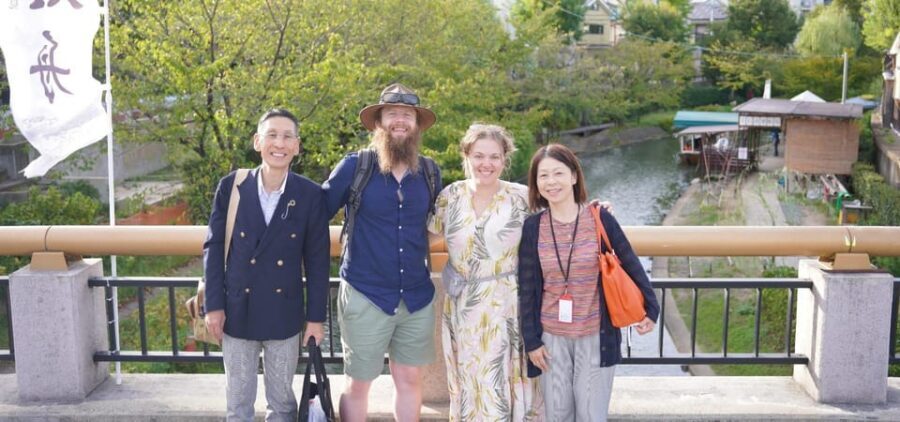
Your day begins at 中書島駅 (Nakaoshima Station). Meet just outside the north exit ticket gate by the sake barrel object. Your guide will be holding a sign that says 888, which is easy to spot if you know what you’re looking for.
Here’s the small-but-important catch: there’s another station with a similar name (JR Sumiyoshi Station), so slow down and make sure you’re at the right place. If it’s raining (it can happen in Kyoto), plan for damp streets and comfortable walking shoes. This tour is designed for strolling between stops, not hopping on transit every few minutes.
From the start, you’re also getting the basic rhythm: a short walk, a guided segment, another walk, and then another tasting. That pacing matters because it keeps the tour moving while still giving you enough time to notice differences in aroma and style.
If you're still narrowing it down, here are other tours in Kyoto we've reviewed.



Gekkeikan Ōkura Sake Museum: 1637 roots and a tasting mindset
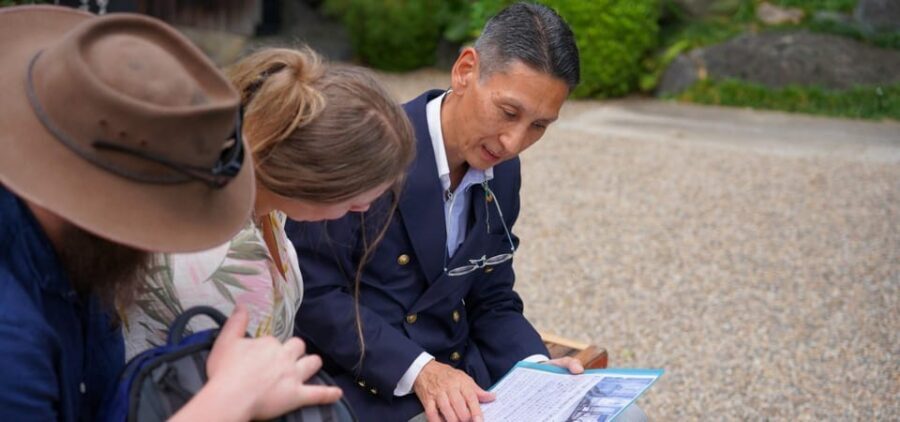
Your first major stop is Gekkeikan Ōkura Sake Museum, with a guided tour lasting about 35 minutes. Gekkeikan matters here because it’s not just a brand; it’s part of the long arc of how sake became tied to Fushimi’s identity. The tour also frames what you’re doing with tastings: you’re not just drinking. You’re learning how to compare.
In practical terms, think of this museum visit as your setup phase. You’re going to see how sake-making fits into the bigger story of the region, and you’ll get language and context that help during later tastings. If you’re new to sake, this is the stop that makes everything else make more sense.
You’ll also receive a commemorative sake cup for the Gekkeikan Brewery. It’s small, but it’s a nice souvenir that feels tied to the experience rather than a random shop item.
Kizakura Kappa Country: beer and sake in the same walk
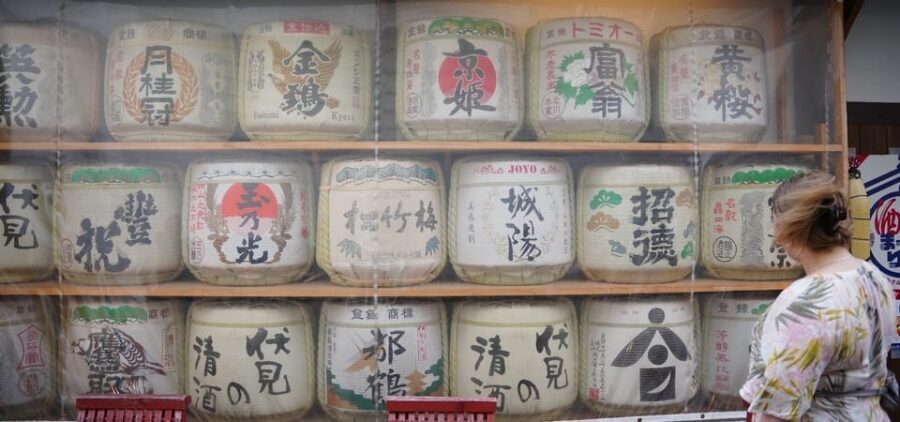
Next is Kizakura Kappa Country for a shorter guided visit of around 5 minutes. Even though it’s brief, the idea is clear: this isn’t only about sake as a concept. It’s about how local brewing culture evolved, and how different drinks lived side by side.
The tour info points out that Kizakura made the first local beer—then you sample Kyoto Beer as part of what’s included. That pairing is smart for beginners. Beer gives you a familiar “control” drink while you start separating the flavors you’re tasting in sake later.
The included drink here is one glass of Kyoto Beer. It’s not an entire pub stop. It’s more like a quick palate reset so you can continue your sake comparisons with less fatigue.
Fushimi Saka Gura Kōji: the alley feel and guided tastings
After another short walk (about 5 minutes), you reach Fushimi Saka Gura Kōji for roughly 25 minutes of guided time. This is where the tour really leans into the “place” aspect of Fushimi: it’s an area shaped by multiple sake makers, and it feels different than a modern warehouse tour.
The details here matter because this part of the neighborhood is tied to the Fushimi Sake Brewers Association, including the idea of a brewery alley created with support from many breweries. Instead of feeling like a single brand promotion, it gives you a sense of how an entire district worked together (and competed) over time.
This stop also leads into a tasting-and-understanding rhythm. A well-run guide will help you notice things like dryness, sweetness impression, and aromatic character. If you’re hoping for very specific flavor profiling, this is the time to ask questions early—because the tour moves fast and you don’t want to realize halfway through that you weren’t given enough tasting labels.
Fushimi Yume Hyakushu Café: ship history, snacks, and a breather
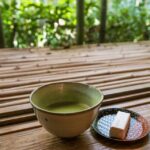
The next guided stop is Fushimi Yume Hyakushu Café for about 35 minutes, plus a short walk between points. This café visit is included with a snack: Sake ice cream.
The setting matters. The tour info ties Yume Hyakushu to the former head office of Gekkeikan, built in the Taisho period, and it also references a ship used as a logistics hub connecting Fushimi and Osaka—moving people, sake, rice, and more. Even if you’re not a ship-history person, the takeaway is useful: sake wasn’t just made locally; it had to travel, and Fushimi’s location helped it become a major player.
The ice cream works as a practical break from alcohol-heavy tasting. It can help your palate reset so later sips feel clearer. If you’re sensitive to strong flavors, this pause is a good moment to slow down, eat something light, and regroup.
Other drinking tours in Kyoto



Ginjo Shubo Aburacho: the finish where you compare tastes
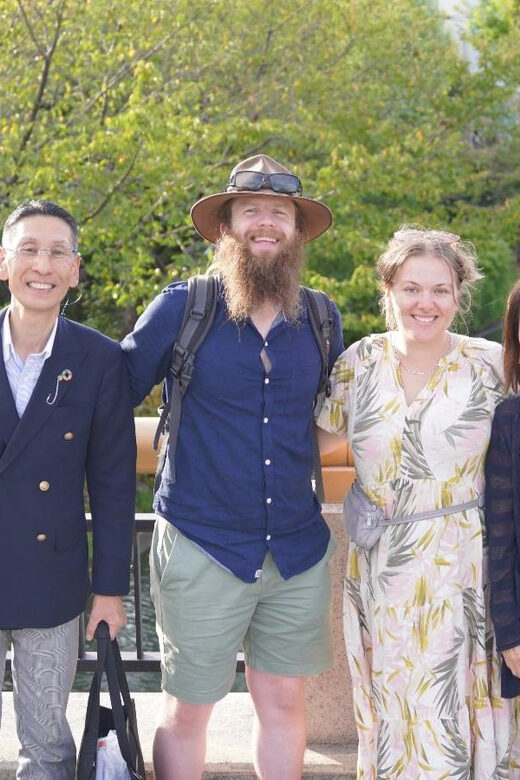
Your final stop is 吟醸酒房 油長 (Ginjo Shubo Aburacho), guided for about 40 minutes. This is a strong way to end a sake-focused tour, because the final tasting set becomes your “summary in your mouth.”
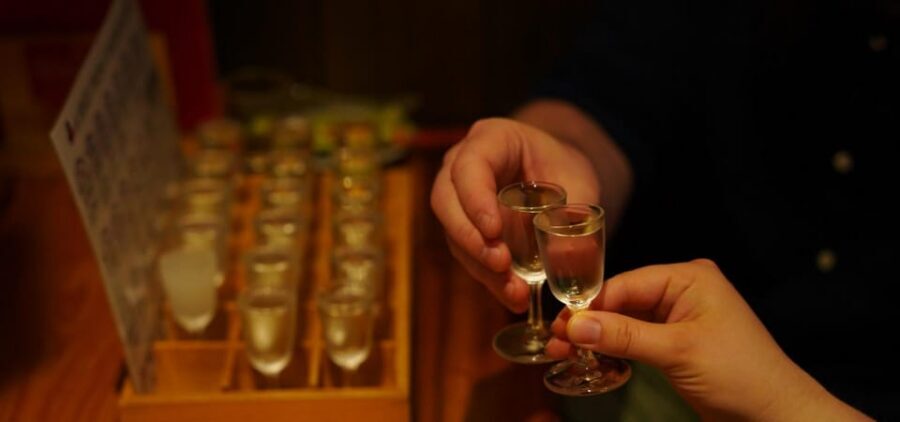
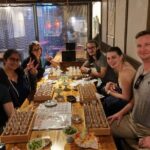
You get a tasting set of three types of Japanese sake here (included). That gives you a chance to practice what you learned at Gekkeikan. Ideally, you’ll be able to talk about differences in style—especially if your guide gives you even a basic framework for aroma and taste.
This is also where I’d watch for communication style. Some guides can be very structured, walking you through what you’re tasting and why each sample differs. Other guides may keep it moving and pour the samples without much explanation. If you’re new to sake and you care about learning flavor profiles, it’s totally fair to ask your guide during this segment for plain-language descriptors like dry vs. mellow, fruity vs. earthy, and aroma intensity.
After the tasting, you finish at Aburacho. At that point you’ll likely feel you can order with more confidence—at least enough confidence to ask questions in a shop.
Price and value: what $80 buys (and what it doesn’t)
At $80 per person, this Kyoto Fushimi sake breweries tour sits in the “premium walking tour” category. So you should check whether you’re getting enough value for your style of travel.
Here’s what’s included:
- Admission fee to Gekkeikan Ōkura Sake Museum
- A commemorative Gekkeikan sake cup
- One glass of Kyoto Beer
- Sake ice cream
- A three-sake tasting set at Aburacho
- A three-sake tasting set at Gekkeikan
What’s not included:
- Jukkokubune boarding fee: 1500 yen to pay at the boat dock
- Any additional eating and drinking expenses at breweries and restaurants
So is it worth it? For me, it comes down to whether you want guided context plus tastings rather than just strolling the district on your own. If you’re comfortable tasting without explanations, you could probably self-tour. But if you want structure—museum first, then brewery settings, then tastings that connect to what you learned—this price can make sense.
Also note the “tasting amount vs. explanation amount” balance. When the guide provides clear tasting notes, the tour feels like an education. When the guide keeps answers short, you may feel like you paid for pours more than for learning. You can reduce that risk by asking early for guidance on what to look for during each sample.
The alcohol rules if you’re traveling with teens
This tour allows participants under age 20, but alcohol is illegal under Japanese law for minors. The tour info says you’ll still be offered sake during the experience, while non-alcoholic options and juices are also available.
If you’re booking for a mixed-age group, this is a good tour to choose. It doesn’t assume everyone can drink. Just plan to ask your guide how tastings will be handled for under-20 participants so everyone gets an experience that fits the rules.
Boat ride question: the 1500 yen detail you should not ignore
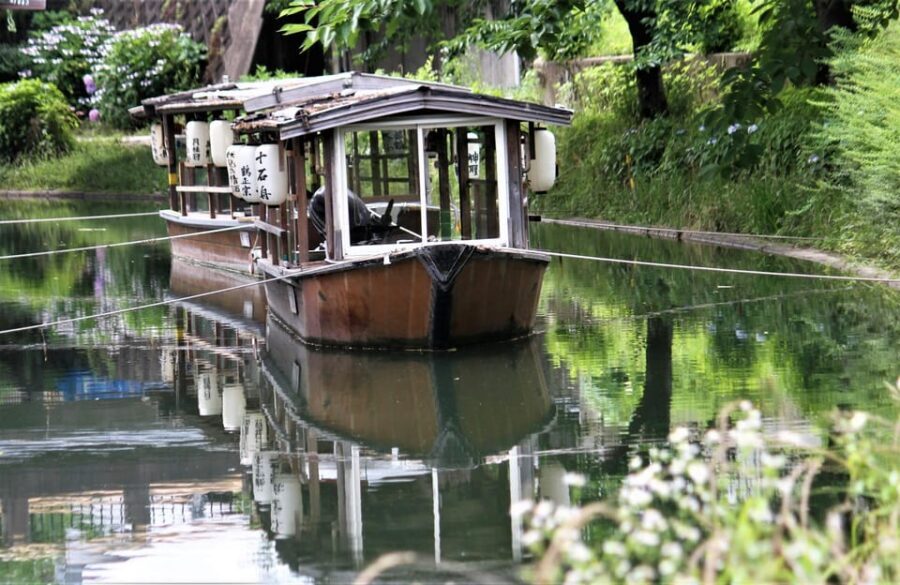
The tour includes the idea of shipping history tied to Fushimi and mentions a jukkokubune boat component with a 1500 yen boarding fee paid at the dock. But your actual day may or may not include a boat ride, and in some cases it may not be front-and-center.
If the boat part matters to you, ask at the start of the tour whether your route includes it. At minimum, confirm where you’ll be in relation to the dock so you’re not surprised by a cost that isn’t included.
Who this Kyoto Fushimi sake tour fits best
This tour works best if you:
- Are new to sake and want a guided path through Fushimi’s production culture
- Like walking tours that combine history, food, and tastings
- Enjoy comparing multiple samples rather than doing one “big tasting” stop
It may feel less satisfying if you:
- Want a long, deep technical lesson on brewing mechanics with lots of time at each brewery
- Prefer lots of free time to browse independently between tastings
- Really need the boat ride as part of the plan
There’s also an age consideration. The tour is listed as not suitable for people over 80.
How to get more out of it: questions to ask your guide
To make the tastings do more work for you, ask simple questions that match the tour’s flow:
- What should I notice first: aroma or taste?
- Is this sample meant to feel dry, medium, or sweet?
- How would you describe the difference between these two styles in plain words?
If you end up with a guide who’s more of a steady “walk-and-go” type, these questions help you steer the experience toward learning. If your guide is talkative, they’ll likely appreciate the direction.
One fun detail from guide feedback: some groups get a guide named Musaki (Bob), described as having experience working around sake brewing and giving a clear sense of how things work in the real world. So you may get more storytelling than you expect.
Should you book this Kyoto Fushimi sake breweries tour?
Book it if you want an easy, structured way to see why Fushimi matters in Kyoto’s sake world, and you like tastings that come with context. For $80, the mix of a museum visit, two tasting-set moments, plus beer and sake ice cream can feel like a fair deal—especially if you’re traveling with someone who likes food and drinks as part of sightseeing.
Skip it (or change expectations) if you only want free-form district wandering, or if you’re hunting for heavy technical brewing explanations. In that case, self-guiding with a few targeted tastings might suit you better.
FAQ
FAQ
How long is the Kyoto Fushimi sake breweries tour?
It lasts about 3 hours.
Where do I meet the guide?
Meet outside the north exit ticket gate at 中書島駅, at the sake barrel object. The guide will be holding a sign that says 888.
What breweries or stops are included in the itinerary?
The stops include the Gekkeikan Ōkura Sake Museum, Kizakura Kappa Country, Fushimi Saka Gura Kōji, Fushimi Yume Hyakushu Café, and Ginjo Shubo Aburacho.
How many sake tastings do I get?
You’ll get tasting sets of three types of Japanese sake at Gekkeikan and three types at Aburacho.
Is the boat ride included in the tour price?
The jukkokubune boarding fee is not included. You pay 1500 yen at the boat dock.
What’s included with the tour besides sake?
Included items are admission to the Gekkeikan Sake Brewery Museum, a commemorative sake cup, one glass of Kyoto Beer from Kizakura, sake ice cream at Yume Hyakushu, and the two three-sake tasting sets.
Can someone under 20 join the tour?
Yes, participants under 20 can join, but alcohol is illegal for minors in Japan. Non-alcoholic options and juices are available.
What languages are the guides available in?
The tour offers a live guide in English, Chinese, and Japanese.
Is the tour refundable if I cancel?
Yes. You can cancel up to 24 hours in advance for a full refund.
Is the tour suitable for seniors?
The tour is listed as not suitable for people over 80.