Kyoto by bike beats guessing where to go. This half-day loop feels like joining daily life, with a relaxed pace on a Mamachari bike while you cover big-name sights without the stress of transit changes. Two things I really like: you get a solid orientation through places like Gion and the Philosopher’s Path, and the English-speaking guide tells you what to notice so the stops make sense instead of feeling like random photo ops.
One drawback to consider: you need to be comfortable riding a bike for about four hours, and the tour isn’t set up for people with mobility or heart/respiratory concerns (or anyone who can’t ride). If that’s you, you’ll get more out of a walking or private option.
In This Review
- Key things to know before you pedal
- Entering Kyoto’s rhythm on a Mamachari
- Meeting at Gojo Station: the easiest start point
- Gion first: why starting there works so well
- Nanzenji Temple: the ticketed anchor stop
- Philosopher’s Path by bike: a gentle pace on water
- Ginkakuji (Silver Pavilion) and the feel of refined quiet
- Shimogamo-jinja: old Shinto roots under trees
- Kyoto Imperial Palace grounds: space to land the plane
- What you’re paying for: $79 value that adds up
- Who this tour suits (and who should skip it)
- What to bring for a smooth half-day
- Should you book this Kyoto biking half day?
- FAQ
- Where do I meet the guide?
- What’s the total duration?
- What bike will I ride?
- Is a helmet provided?
- Are any entrance fees included?
- What should I bring?
- Is this tour suitable for people with mobility or health concerns?
- How big is the group?
- Is there a cancellation option?
Key things to know before you pedal
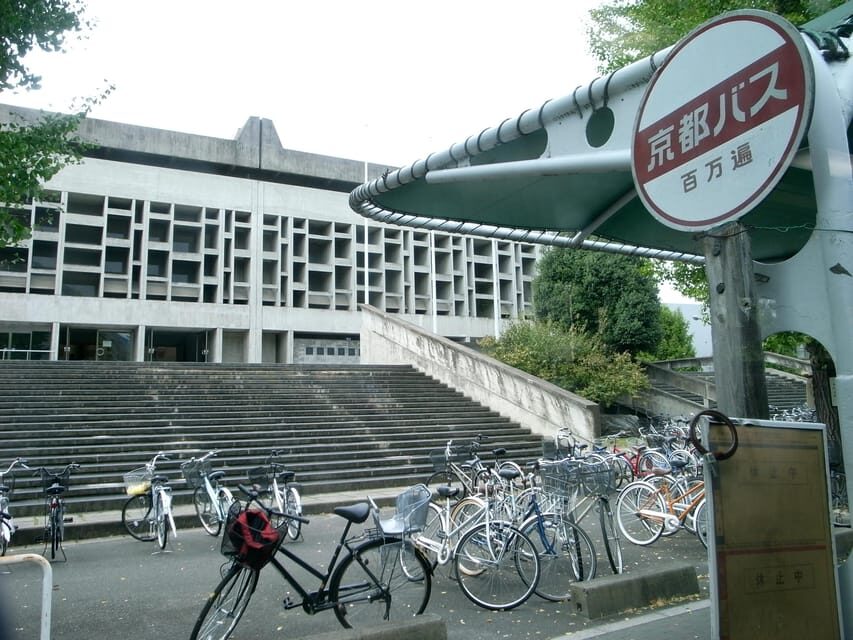
- Mamachari bike comfort: Standard, non-electric “mom’s bike” style with 3 gear shifts for gentle hills.
- Small group pace: Limited to 9 people, so questions don’t get swallowed by the crowd.
- Focused route: You’ll ride through the neighborhoods and then pause at key temple/shrine stops for short guided moments.
- Helmet and insurance included: Helmets are provided, and insurance is part of the package.
- Nanzenji entrance fee is covered: One major temple ticket is included in the tour cost.
Entering Kyoto’s rhythm on a Mamachari
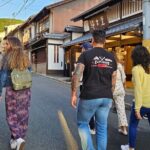
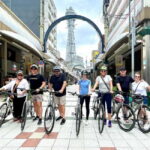
Kyoto is bike-friendly in a very practical way. You’ll see locals doing everyday errands, commuting, and weaving through streets that feel built for two wheels. This tour leans into that. The bikes are Mamachari style—comfortable, stable, and made for easy riding rather than speed.
What matters for you: you won’t spend half your time thinking about balance. You’ll pedal at a sightseeing pace, and the route is described as mostly flat with only a few gentle slopes. Even if you’re not a “bike person,” this is the kind of ride where your attention stays on the streets and the sites.
The rental is standard (not electric) with 3 gear shifts. Translation: if you hit a mild rise, you have options. If you get tired, you can still keep moving without feeling like you’re racing uphill the whole time.
And yes, you’re getting a helmet. That small detail is a big comfort boost when you’re riding through unfamiliar roadways.
Other cycling tours in Kyoto


Meeting at Gojo Station: the easiest start point
The meeting point is Subway Gojo Station, Exit 2. Look for a guide in a TripGuru shirt or holding a TripGuru sign. That’s about as straightforward as it gets in a city where signage is excellent but your first day still needs a lifeline.
The tour runs about 4 hours, and it’s designed as a flowing rhythm: ride, brief sight stop, guided walk or talk, then back on the bike. You’re not stuck waiting around. You also won’t feel like you’re being hurried from one place to the next—this tour is paced for learning and photos.
Group size is small (up to 9). That can sound like a marketing line, but you’ll feel it in real life: it’s easier to hear the guide, and it’s easier to regroup if the group stretches a little on slower segments.
Gion first: why starting there works so well
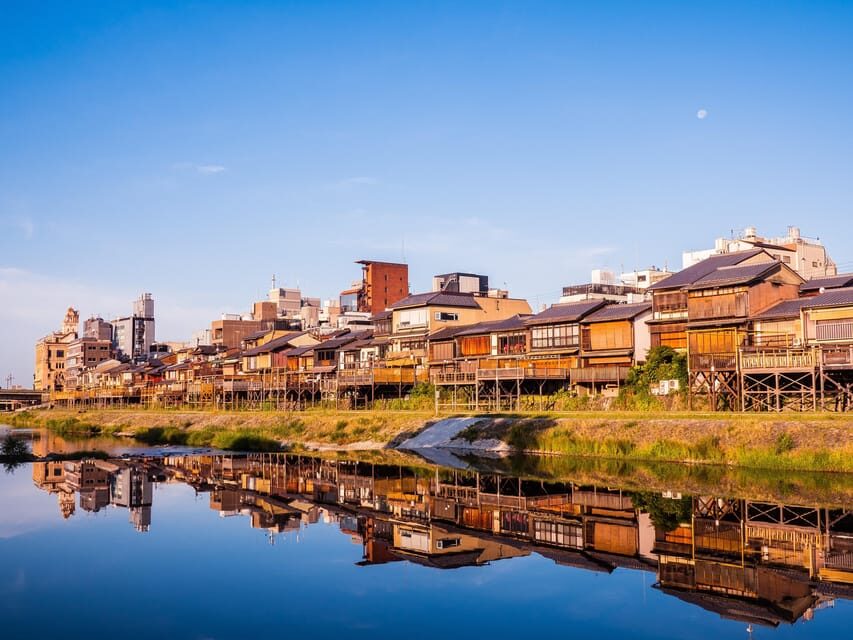
You begin with a short bike section to Gion, one of Kyoto’s best-known geisha districts. This is a smart first stop because you’re introduced to the mood of the area early, before your legs get tired and your brain fills up with too many facts at once.
What you’ll likely enjoy here is the sense of place. Gion isn’t just one landmark—it’s lanes, street rhythm, and the way buildings sit back from the road. Riding through keeps you slow enough to take it in, but fast enough to cover more than you would on foot in the same amount of time.
If you’re on your first day in Kyoto, this is a real advantage. You’re not trying to memorize a map and figure out where everything is while you’re jet-lagged. You’re getting your bearings while the city is doing its most photogenic work for you.
Nanzenji Temple: the ticketed anchor stop
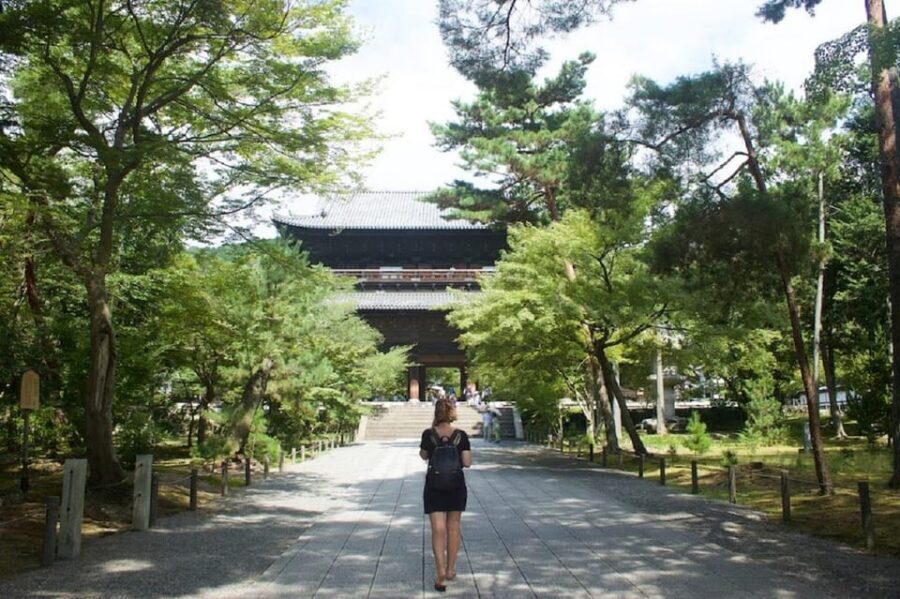
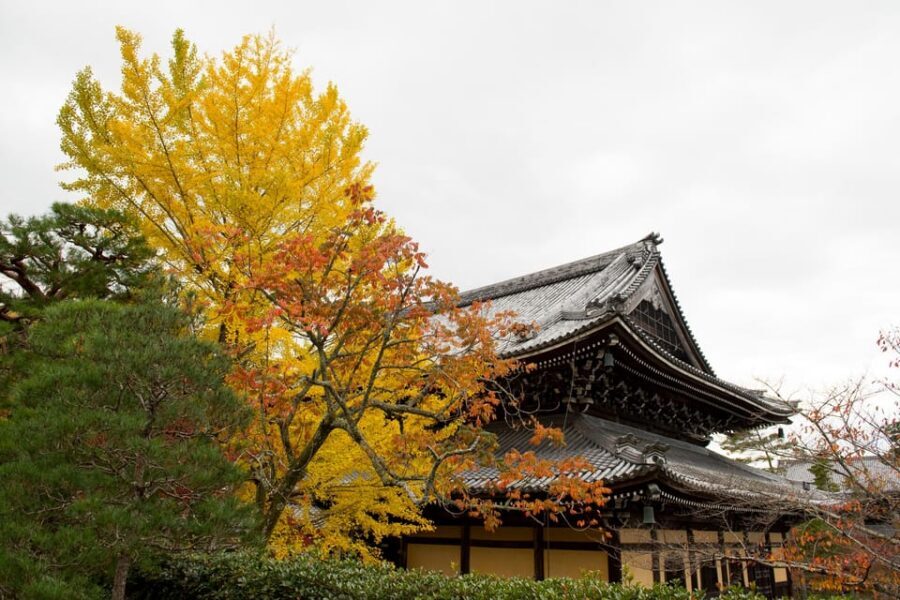
The tour’s next big spiritual stop is Nanzenji Temple. You’ll ride there in a dedicated segment (45 minutes by bike), then later you’ll return for a visit with guided context before riding onward again.
Here’s what makes Nanzenji important for your overall route: it’s a major Zen temple complex, and it’s also the kind of place where a guide helps you “read” what you’re seeing. Without that, it can be easy to admire the scenery and miss the meaning.
Entrance fee at Nanzenji is included, so you’re not juggling extra costs at the gate. That matters because it keeps the day smooth. You can focus on walking slowly for the moments you actually need to slow down.
Timing-wise, the guided visit segment is short, but that’s by design. The goal is to give you orientation and highlight the main areas, not turn this into a full-day temple marathon.
Philosopher’s Path by bike: a gentle pace on water
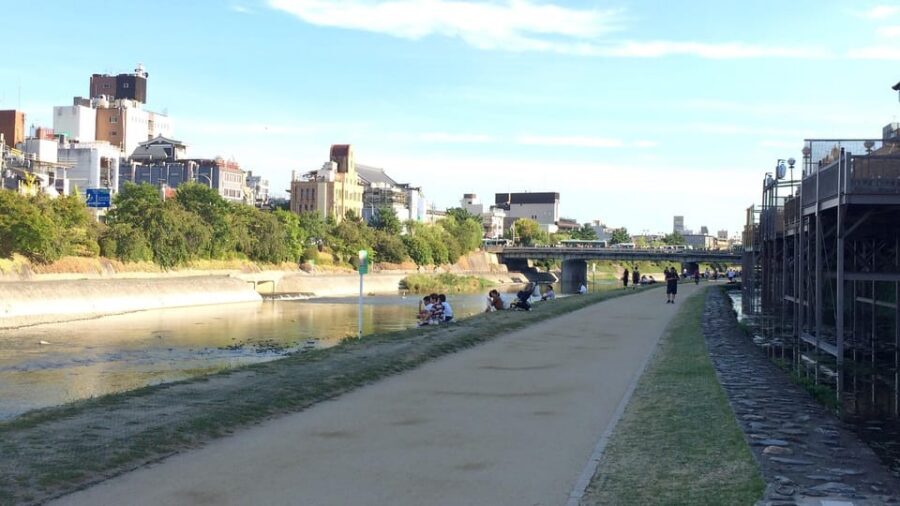
Next comes the Philosopher’s Path—the canal-side route people love for a reason. The charm is in the repeatable rhythm: step, look, breathe, then keep going. On foot, that kind of path can be a time sink. By bike, you get the feel without losing the whole morning.
You’ll ride segments along this route (one stretch early on, and another later). That structure helps you experience it as a continuous corridor rather than a single quick stop where you miss the best parts because you’re looking for the next landmark.
If you like nature-walk energy but want to keep moving, this is the sweet spot. It’s also a good place to practice slowing down without getting behind schedule. The guide can point out details while you’re still moving, so you don’t have to choose between motion and meaning.
Pro tip for you: bring your camera, but also be ready to just watch. This isn’t a “run to the viewpoint” kind of place. The value comes from the pace.

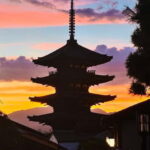
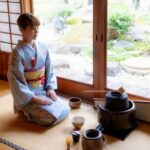

Ginkakuji (Silver Pavilion) and the feel of refined quiet
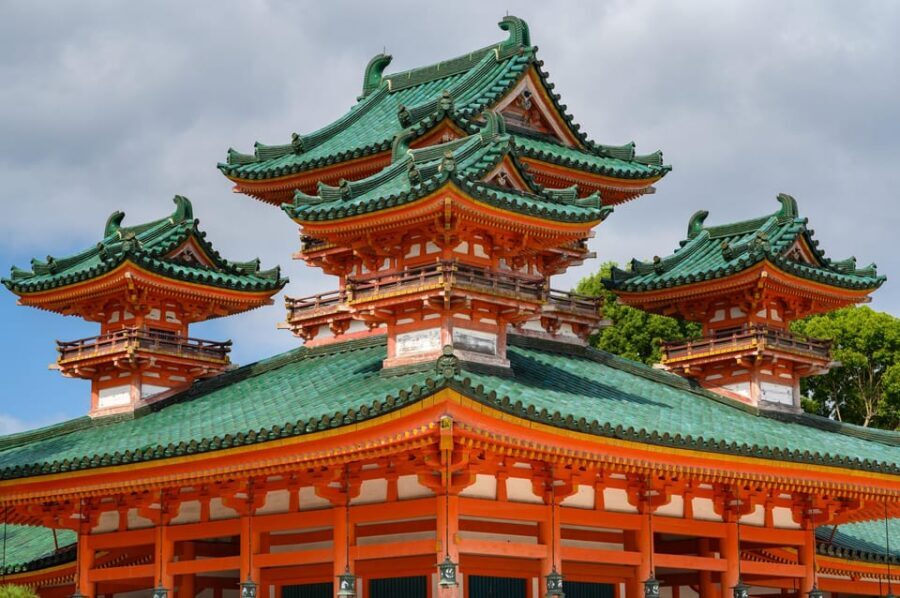
From the Philosopher’s Path route, you’ll reach the Ginkakujicho area and connect to Ginkakuji, often called the Silver Pavilion. This part of Kyoto has a calmer tempo than the louder streets. Gardens, temple grounds, and quiet corners do the work for you.
In a half-day tour, you shouldn’t expect endless wandering at every stop. Instead, think of Ginkakuji as a mental gear shift. It’s where the day’s story turns from “here’s how Kyoto looks” to “here’s how Kyoto thinks.” Even a short guided moment can help you understand what you’re seeing—why certain arrangements matter, and what traditions shape the space.
If you love photography, this is a good place to take your time for a few angles. The tour’s structure gives you room to stop and shoot without turning the entire day into a series of long waits.
Shimogamo-jinja: old Shinto roots under trees
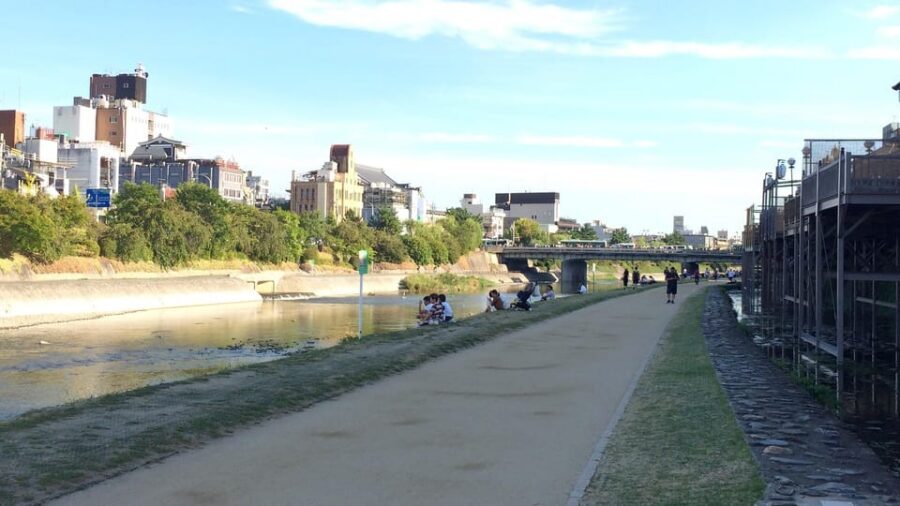
Then you’ll ride to Shimogamo-jinja (Shimogamo Shrine), with a longer bike segment leading into a visit. Shimogamo is described as one of Kyoto’s oldest Shinto shrines, and the setting is part of the experience—wooded grounds and a quieter atmosphere that feels a little different than the more temple-dense city zones.
Guided context helps here too. Shinto shrines aren’t just scenery; they’re living places of meaning, and the guide’s storytelling is what helps you notice the right things at the right time.
You’ll also get to continue the ride after the visit. That’s valuable because it keeps the day from turning into a single long stop. The tour keeps your energy moving while still giving you the pause you need to actually feel the shrine space.
Kyoto Imperial Palace grounds: space to land the plane
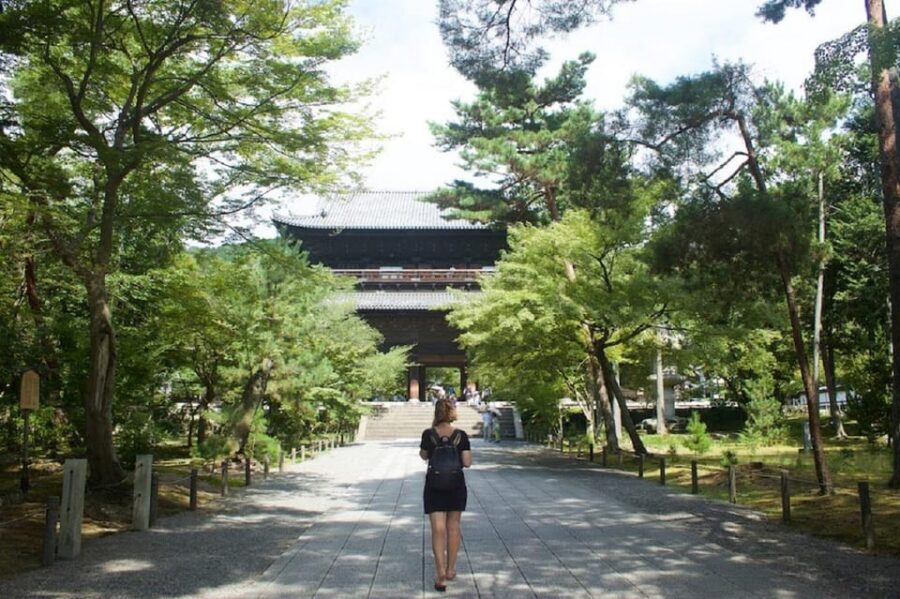
Your final major site is the Kyoto Imperial Palace. You’ll bike there and then have time to relax and take in the expansive palace grounds.
This stop works well at the end of the route because it’s less about “one specific photo” and more about settling your thoughts. After temples, shrines, and walking corridors, palace grounds give your eyes and legs a breather.
This is also a good moment to step back and ask yourself: what did I enjoy most, and what do I want to see again on a deeper visit? If you plan to come back to Kyoto (and most people do), the palace-area calm helps you figure out where you want to spend more time later.
What you’re paying for: $79 value that adds up
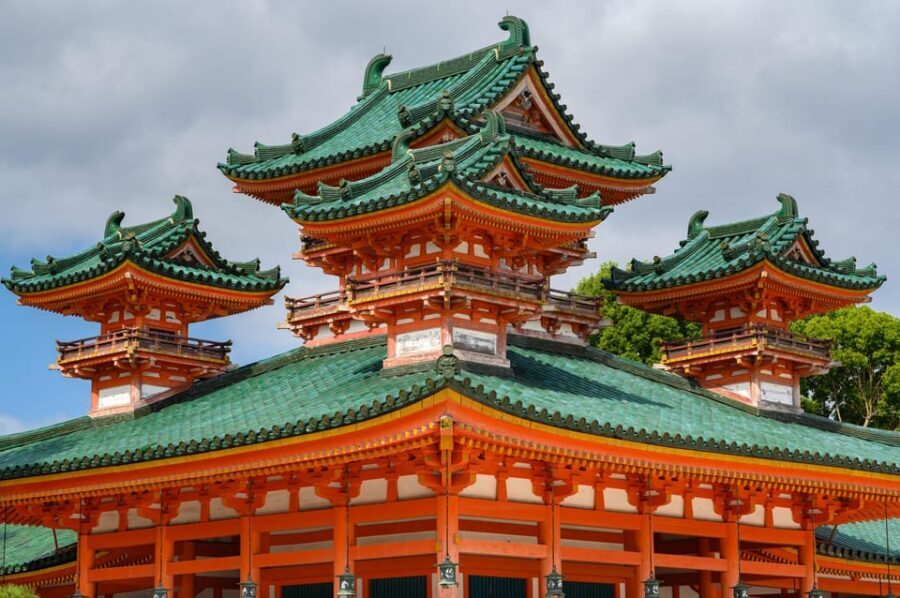
At $79 per person for about 4 hours, this tour isn’t just bike rental. You’re paying for:
- An English-speaking guide who explains what you’re seeing
- A standard Mamachari bike with 3 gear shifts
- A helmet
- Insurance
- Nanzenji Temple entrance fee (so at least one major ticket is handled)
What isn’t included: meals and drinks, and hotel pickup/drop-off. You’ll also want to have cash in case you want a snack or something small along the way.
Value-wise, this price makes sense if you treat it like a first-day orientation. You’re buying time efficiency plus interpretation. Walking or trying to self-navigate is possible, but you’ll spend more mental energy deciding where to go next. With a guide, your energy goes into enjoying the sites.
And you cover a lot of ground in a half day without turning it into a strenuous workout. That’s the sweet spot for many first-timers.
Who this tour suits (and who should skip it)
This experience is best for people who want a structured “greatest-hits” route with breathing room.
It’s a good fit if:
- You’re in Kyoto for the first time and want easy orientation
- You can ride a bike comfortably for a few hours
- You want stops that include short guided moments, not just sightseeing from the saddle
It’s not suitable for:
- Pregnant women
- People with mobility impairments
- People with heart problems
- People with respiratory issues
- Anyone who can’t ride a bike
If you’re bringing kids, note that the ride includes time on the bike plus short site visits. The tour description doesn’t list a minimum age for kids, so you’ll need to judge based on your child’s cycling ability and comfort.
What to bring for a smooth half-day
Bring comfortable shoes (you’ll be walking inside temple/shrine areas). Pack a camera, and keep some cash available. You should also dress for the weather—this ride can feel cooler or brighter depending on the season since you’re outside most of the time.
The bike and helmet are handled for you, which is one less thing to manage on arrival.
Should you book this Kyoto biking half day?
If you want a smart way to see Kyoto’s key spiritual and historic highlights while still feeling relaxed, I’d say this is an easy yes. It’s especially strong as a first-day plan because it gives you structure and context right away—plus you get the local feel of biking through neighborhoods instead of playing catch-up with buses and maps.
Book it if:
- You can ride a bike comfortably
- You want a guide-led route that covers major stops in about four hours
- You’d rather spend your energy looking at Kyoto than planning it
Skip it if:
- Bike riding isn’t comfortable for you
- You need a more accessible or lower-impact option
- You want long, unhurried time at every site (this is a half-day route, not an all-day crawl)
If the weather’s decent and you’re ready to pedal, this tour is one of the better ways to get your Kyoto bearings fast.
FAQ
Where do I meet the guide?
Meet at Subway Gojo Station Exit 2. Look for a guide wearing a TripGuru shirt or holding a TripGuru sign.
What’s the total duration?
The tour lasts 4 hours.
What bike will I ride?
You’ll ride a standard non-electric B-type Mamachari bike with 3 gear shifts.
Is a helmet provided?
Yes. A helmet is included.
Are any entrance fees included?
Yes. The entrance fee at Nanzenji Temple is included.
What should I bring?
Bring comfortable shoes, a camera, and cash.
Is this tour suitable for people with mobility or health concerns?
No. It’s listed as not suitable for pregnant women, people with mobility impairments, people with heart problems, or people with respiratory issues.
How big is the group?
It’s a small group, limited to 9 participants.
Is there a cancellation option?
Yes. You can cancel up to 24 hours in advance for a full refund.