Kyoto tastes different when you shop first.
This private Nishiki Market + townhouse cooking class mixes a 400-year-old food stroll with hands-on sushi and soup in a traditional kyomachiya. I especially like that the market time is guided and practical, with seasonal sampling that helps you understand what Kyoto cooks actually buy and why. I also like the end-to-end class structure: rolled sushi practice, homemade miso soup using dashi, and a simple dessert to close it out. A fair consideration: it’s not a lazy afternoon—expect a good mix of walking and cooking—and snacks are not included.
If you want your Kyoto food day to feel like a real local routine, this hits the mark. The pace is active, but the setup is cozy and private for your group, so you’re not stuck watching from the sidelines. One more thing to plan for: the experience includes alcoholic beverages, so if you’d rather not drink, just be clear with your host.
In This Review
- Key highlights at a glance
- Why Nishiki Market is the perfect start
- A short Nishiki Shrine detour in lantern alleys
- Kyomachiya townhouse base: private, traditional, and calm
- Mini sake tasting: cultural context, not just shots
- Rolled sushi that beginners can pull off
- Miso soup from scratch with dashi
- Seasonal Japanese side dishes and the flavor-building meal
- A simple Japanese-style dessert to close the meal
- Price and logistics: what you’re paying for
- Who should book this sushi and sake townhouse class
- Should you book this Nishiki-to-townhouse class?
- FAQ
- How long does the Nishiki Market and sushi class last?
- What’s included in the experience?
- Do I need to pay separately for the market?
- Is it a private tour?
- Is the class offered in English?
- Are vegetarian or vegan options available?
- Where do I meet, and where does it end?
- Is cancellation free?
Key highlights at a glance
- A guided Nishiki Market walk with tastings and explanations of Kyoto’s key ingredients
- Nishiki Shrine stop tucked behind lantern-lit alleyways
- Private kyomachiya setting reserved exclusively for your group
- Mini sake tasting tied to Japan’s sake culture
- Hands-on sushi rolling plus miso soup from scratch with dashi
- A recipe booklet so you can recreate flavors at home
Why Nishiki Market is the perfect start
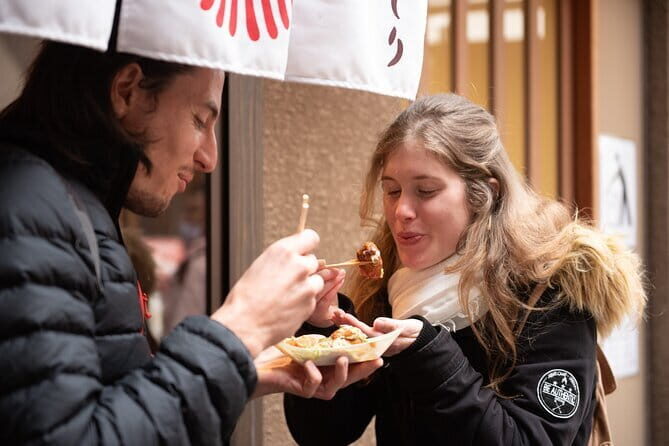
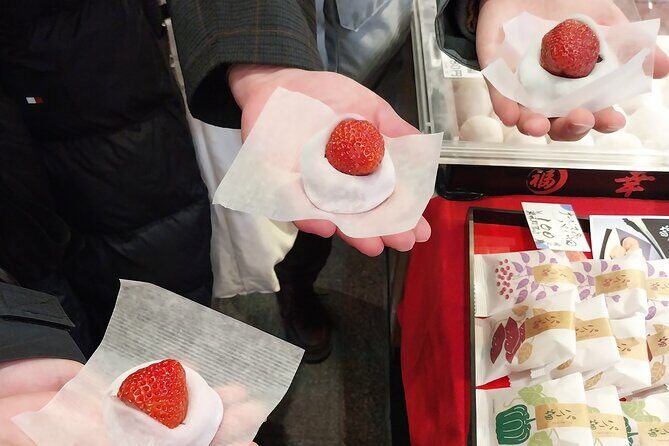
Nishiki Market is where Kyoto food becomes real fast. You’re not just sightseeing—you’re moving through a 5-block shopping street that’s been feeding the city’s cooks for over 400 years, with well over 100 shops and restaurants along the way. The guide keeps you pointed at what matters: fresh seafood, seasonal vegetables, pickles, dried goods, and pantry ingredients that show up again later in your cooking.
The best part is the tasting. Instead of only hearing about flavors, you get to sample seasonal treats while someone explains what you’re looking at and how it fits into Kyoto-style cuisine. I like this approach because it turns the chaos of a busy market into something you can actually follow—get your bearings fast, then enjoy without guessing.
A few more Kyoto tours and experiences worth a look
A short Nishiki Shrine detour in lantern alleys
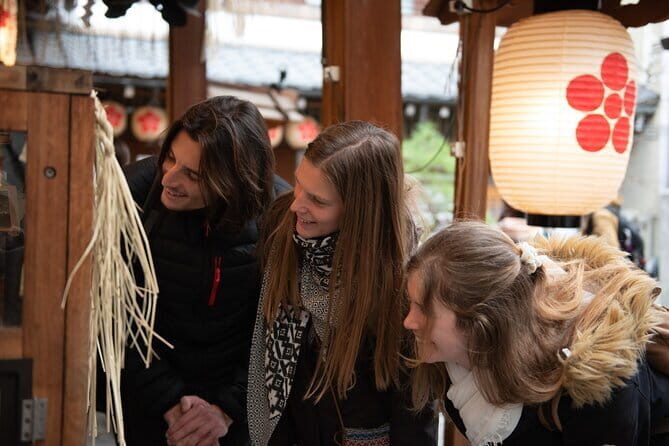
After the market, you slip into a quieter pocket behind the lantern-lit alleyways at Nishiki Shrine. This is a nice reset. Markets are loud and crowded; shrine lanes slow down your pace and give you a chance to catch your breath before the hands-on cooking part.
You’ll also learn a bit about the connection between everyday food culture and the spiritual rhythm of the city. Even if you’ve visited shrines before, this one works well in the flow of a food day because it feels like part of the neighborhood—not a rushed checkbox.
Kyomachiya townhouse base: private, traditional, and calm
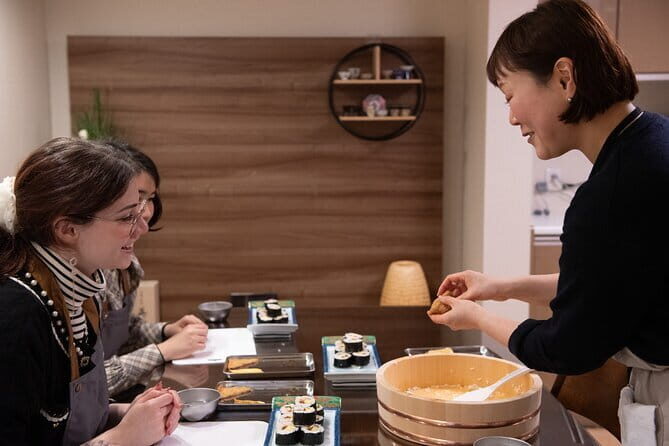
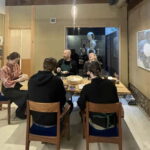
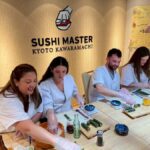
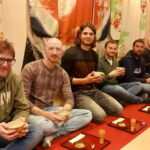
Your cooking happens in a preserved Kyoto townhouse, a kyomachiya, and the space is reserved for your group. That reservation matters more than people expect. In Kyoto, “class experiences” can sometimes feel crowded, like you’re sharing a kitchen with a dozen strangers. Here, you’re in your own bubble, with your host guiding you step-by-step.
The atmosphere is part of the lesson. Kyomachiya have that old-wood calm and room layout that makes cooking feel grounded, not staged. You’re moving from street-level food shopping into a home-like kitchen where you can focus on technique and timing.
Mini sake tasting: cultural context, not just shots
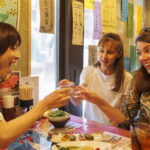
You’ll get a mini sake tasting in the townhouse, along with explanations of Japan’s sake culture. Since this is part of the class package, the alcohol is included as alcoholic beverages during the experience.
Two practical notes:
- If you like trying small amounts, this is a great add-on because it’s paired with the food you’ll be making and eating.
- If you prefer not to drink, it’s smart to say so at the start. The tasting is included, but you can still participate in the food parts without turning your day into a drinking contest.
Either way, the goal isn’t to make you an instant sake expert. It’s to give you context for why sake shows up alongside meals in Japan—and to make the later flavors feel more intentional.
Rolled sushi that beginners can pull off
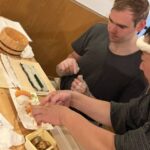
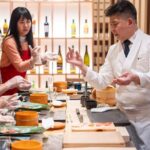
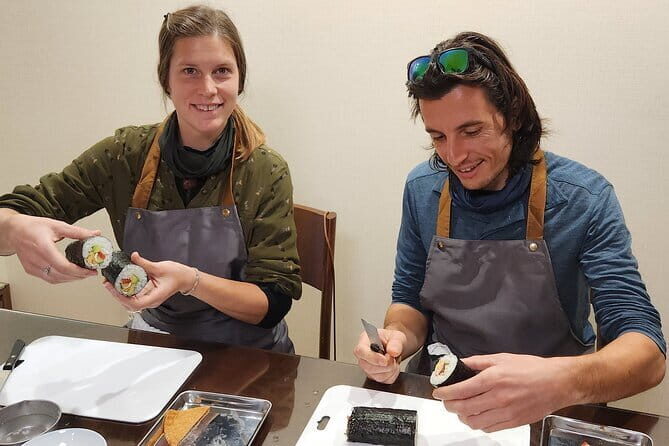
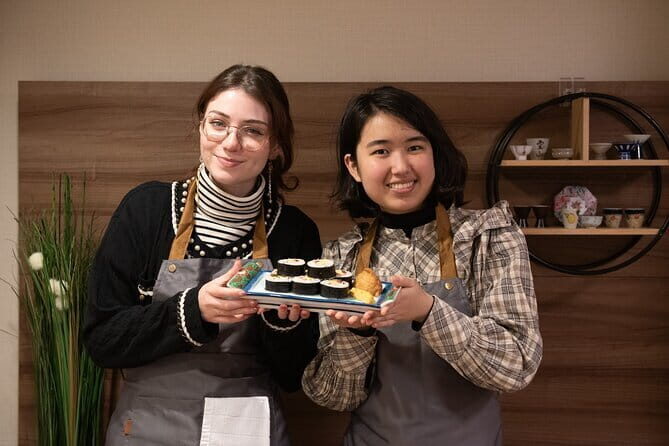
The highlight is hands-on rolled sushi, guided by a local instructor. This is where the class pays off for first-timers. Sushi rolling sounds intimidating until someone shows you the rhythm—how to handle the rice, spread evenly, and roll without turning the whole thing into a sushi-shaped disaster.
The structure matters. Instead of dumping ingredients and hoping you figure it out, you work through the process step by step. That makes a difference if you’ve never rolled sushi before, or if you only make basic stuff at home. And because you’re working in a teaching setup, you can ask questions without feeling rushed.
After you finish, the experience doesn’t stop at the kitchen. You also receive a recipe booklet, which is ideal if you want to recreate what you cooked once you’re back in your own place. It’s one thing to eat sushi that tastes good in Kyoto. It’s another to be able to recreate the flavor logic afterward.
Other sake brewery and tasting tours in Kyoto



Miso soup from scratch with dashi
You’ll also make homemade miso soup from scratch, using dashi. This part is more than a side task—it’s a foundation lesson. Dashi is the kind of ingredient people often treat as a mysterious shortcut, but once you see how it fits into the soup, you start understanding how Japanese cuisine builds flavor in layers.
You’ll learn how the soup comes together and how miso works best when it’s treated with care. The point is not just taste; it’s technique you can reuse later. If you like soups, ramen toppings, or any Kyoto-style comfort flavors, this is where you’ll notice the biggest at-home payoff.
Seasonal Japanese side dishes and the flavor-building meal
Alongside sushi and soup, you prepare seasonal Japanese side dishes. The exact dishes can vary by what’s available and what fits the class flow, but the emphasis stays the same: learn how flavors are balanced in Japanese meals.
One example mentioned in the experience is egg and spinach omelets with sesame sauce. That kind of dish is a perfect lesson partner for sushi and miso because it teaches a different flavor structure—savory, lightly sweet, and often enriched with sesame.
When the meal is assembled at the end, it feels less like a cooking demo and more like you’ve made a real Kyoto lunch. That’s the real win: you don’t just leave with photos. You leave with a complete sense of how the different parts work together.
A simple Japanese-style dessert to close the meal
A Japanese-style dessert is included to finish things off. This is a small detail, but it’s smart. After tasting savory foods and rolling sushi, the dessert gives you a clean ending point and helps you leave satisfied without feeling overly full.
Think of it as the sweet punctuation mark at the end of a structured meal—small enough to be part of the class rhythm, not a heavy restaurant-style finish.
Price and logistics: what you’re paying for
The price is $121.84 per person, and the experience runs about 2 to 3 hours. That’s a fair cost when you consider what’s included: lunch, alcoholic beverages, a guide, restroom access, and all the cooking instruction plus the recipe booklet.
This is also a private tour/activity, meaning only your group participates. In a city like Kyoto, private instruction is usually where the money goes, and here you’re paying for real teaching time—not just a guided walk with a quick stop.
Logistics are straightforward:
- The meeting point is at 79 Nishiuoyachō in Shimogyo Ward.
- The endpoint is a 5-minute walk from Gojo Subway Station at 96-13 Asazumachō.
- It’s near public transportation, which makes it easy to pair with other Gojo-area plans.
- You’ll use a mobile ticket.
Two practical planning tips:
- Snacks aren’t included, so if you tend to get hungry between activities, consider eating a light breakfast or having a small snack before you start.
- Wear comfortable shoes. You’re on your feet in the market and then moving in the kitchen.
Who should book this sushi and sake townhouse class
This experience fits best if you want more than just watching cooking from the outside. You’ll enjoy it if:
- you’re curious about Kyoto food beyond sushi as a concept
- you want hands-on rolling and soup-making skills you can repeat
- you like the idea of market shopping that feeds directly into your meal
- you want a private setting for your group rather than a large class crowd
Vegetarian and vegan options are available with advance notice. That’s a big deal for planning, so if you eat plant-based, reach out early so the kitchen can adjust the menu.
If you’re looking for a slow, sit-down tasting with zero cooking, this may feel more active than you expect. But if you’re open to getting your hands a bit busy, it’s a very good match.
Should you book this Nishiki-to-townhouse class?
Book it if you want one tidy package that covers market ingredients, a bit of shrine atmosphere, and then real Kyoto cooking skills in a traditional townhouse. The value isn’t only that sushi is involved—it’s that the class includes the pieces that create the flavor story: dashi-based miso soup, seasonal side dishes, and a structured sushi rolling lesson.
Skip it or think twice if you’re very snack-dependent, dislike walking, or strongly prefer no alcohol. The cooking and guide support are the core here, and the sake tasting is part of that package—so plan accordingly.
If your Kyoto goal is to leave with both memories and repeatable know-how, this is a smart use of time.
FAQ
How long does the Nishiki Market and sushi class last?
It runs about 2 to 3 hours.
What’s included in the experience?
Lunch, a guide, restroom access, and alcoholic beverages are included, along with the market and cooking activities.
Do I need to pay separately for the market?
No separate admission is listed for the market part.
Is it a private tour?
Yes. It’s private, and only your group participates.
Is the class offered in English?
Yes, it’s offered in English and includes a recipe booklet.
Are vegetarian or vegan options available?
Yes, vegetarian and vegan options are available if you request them in advance.
Where do I meet, and where does it end?
You start at 79 Nishiuoyachō, Shimogyo Ward, Kyoto, and end at 96-13 Asazumachō. The end point is about a 5-minute walk from Gojo Subway Station.
Is cancellation free?
Free cancellation is available up to 24 hours before the experience start time for a full refund.