Kyoto feels personal on this one-day walk. This private Kyoto guided walking tour turns famous neighborhoods like Nishiki Market and Gion into a story you can actually follow, with time carved out for quieter temple stops in the Higashiyama orbit. I love the easy way the day balances street life and temple calm, and I especially like having a guide who can explain what you’re looking at, not just where it is. One thing to consider: you’re walking, and shorter tour lengths can mean you’ll trade off a few major stops to keep the pace comfortable.
The value is strong because you get pickup in Kyoto city plus a live English guide, and the route is adjusted around what you want to see. You also get real flexibility, with tour lengths from 1 hour to 8 hours, so you’re not forced into a one-size plan. The only real drawback is that food, entrance fees, and transit aren’t included, so you’ll want a small budget buffer for those add-ons.
If you’re the kind of traveler who likes to understand Japan’s culture while you’re actually standing in it, this works well. And if you’ve got a short trip to Kyoto, it can help you prioritize without overthinking. Just wear comfortable shoes and bring water—your feet will thank you.
In This Review
- Quick highlights you can plan around
- Why this private format works better than a rushed group
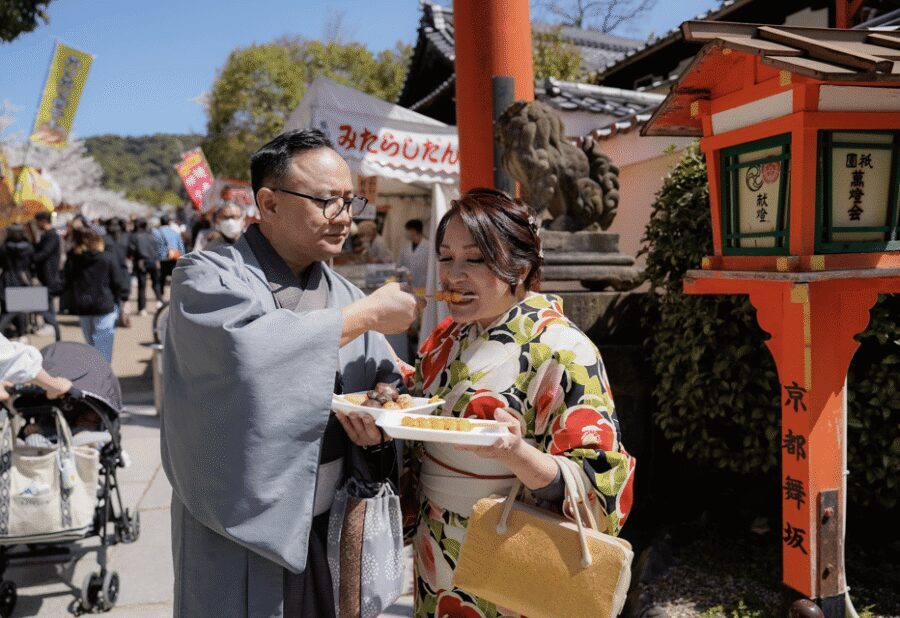
- Start smart at Nishiki Market: where Kyoto’s food culture becomes clear
- Gion on foot: understanding the neighborhood beyond the photos
- Your lunch hour in Kyoto: planning built into the pacing
- Nanzen-ji and the quieter side of Kyoto’s temple world
- Higashiyama focus and the Kiyomizu-dera area: where stories stick
- How the guides turn Kyoto into something you can explain
- Price and value: what about $24 per person actually buys you
- Timing and logistics that affect your comfort
- Who this tour is best for
- Should you book this Kyoto private one-day tour?
- FAQ
- How long is the Kyoto tour?
- What does the tour include?
- Is the tour guided in English?
- Are food, drinks, and entrance fees included?
- What stops will I see during the day?
- Does pickup work for any hotel in Kyoto?
Quick highlights you can plan around
- Private, English-language guiding that adapts to your requests during your chosen time slot
- Nishiki Market time built in (about 1.5 hours) so you can taste, browse, and learn
- Gion on foot with context for the streets, traditions, and everyday rhythms
- Higashiyama as the main theme, including Kiyomizu-dera area storytelling
- Temple calm with crowd-avoidance focus, including Nanzen-ji and the offbeat side of Kyoto
- Guides who actively answer questions, like Takuma, Yuki, and Nori in the experiences you’ll learn from
Why this private format works better than a rushed group
This is a private walking day, not a cattle-car parade. That matters in Kyoto, where the best parts are small-scale and sensory—shopfront details, street angles, temple grounds, and the way crowds ebb and flow.
You choose your length: 1, 2, 5, or 8 hours. In a city like Kyoto, that choice is the difference between feeling like you saw things and feeling like you actually understood them. I like that the experience is built for flexibility: if you want more time on food and streets, you can lean that way. If temples are your priority, your guide can steer accordingly.
Pickup is included if you’re staying at a hotel within Kyoto city, which saves you the awkward start of figuring out meeting points with a time crunch. The tour is also listed as wheelchair accessible, which means the provider designed for mobility needs, but you’ll still want to confirm route specifics if you have limitations beyond standard access.
Other private tours in Kyoto


Start smart at Nishiki Market: where Kyoto’s food culture becomes clear
Nishiki Market is one of those places that can feel overwhelming on your first visit. This tour gives it structure. You’ll spend about 1.5 hours here, which is enough time to walk the lanes, spot what the vendors are known for, and get explanations that make the food choices feel less like random picking.
What I like about this stop is that it’s not only about eating. A good guide helps you understand what you’re seeing—how the market evolved, what locals treat as everyday food versus special-occasion treats, and how the stalls and products reflect Kyoto’s identity.
A practical way to use your market time:
- Go in hungry enough to sample, but not so hungry you’ll panic-buy.
- Watch for what your guide encourages you to try first, since they know what’s most representative.
Possible drawback: markets move fast, and people naturally cluster around anything that smells strong or looks photo-ready. If you’re sensitive to crowds, it can still be busy—but a skilled guide can usually steer you toward workable angles and quieter moments.
Gion on foot: understanding the neighborhood beyond the photos
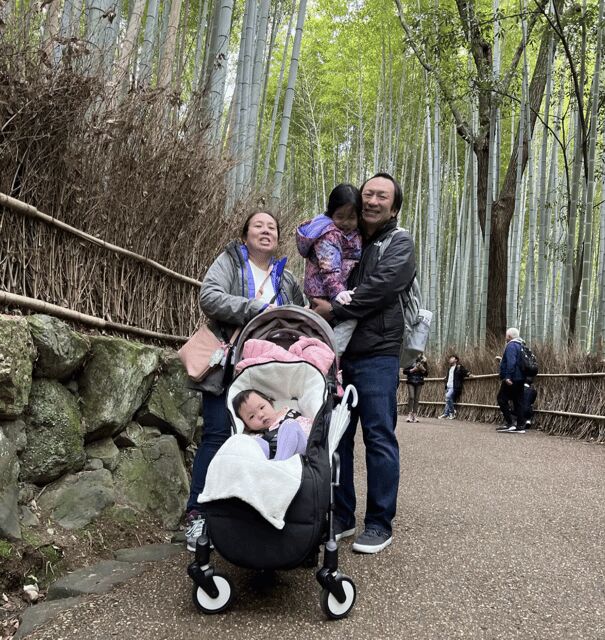
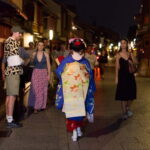
After the market, you’ll head into Gion, usually about 1 hour. This is your “Kyoto streets” chapter: historic wooden architecture, narrow lanes, and the feeling that the neighborhood has its own pace.
The biggest win here is context. It’s easy to treat Gion like a backdrop for photos. With a guide, you can learn what the area means historically, what kinds of traditions you’re likely to notice from the outside, and how the neighborhood functions as a lived-in place rather than a museum set.
One of the most praised parts of these experiences is how well guides keep people moving while still helping you pay attention. In the feedback you’re drawing from, guides like Nori are highlighted for keeping you away from big crowds while still showing the sites that matter. That kind of routing makes Gion feel less like a queue and more like a walk through a story.
Practical tip: bring a small amount of cash if you plan to buy snacks or souvenirs. The tour won’t cover food and drinks, and many market-and-street purchases are quick transactions.
Your lunch hour in Kyoto: planning built into the pacing
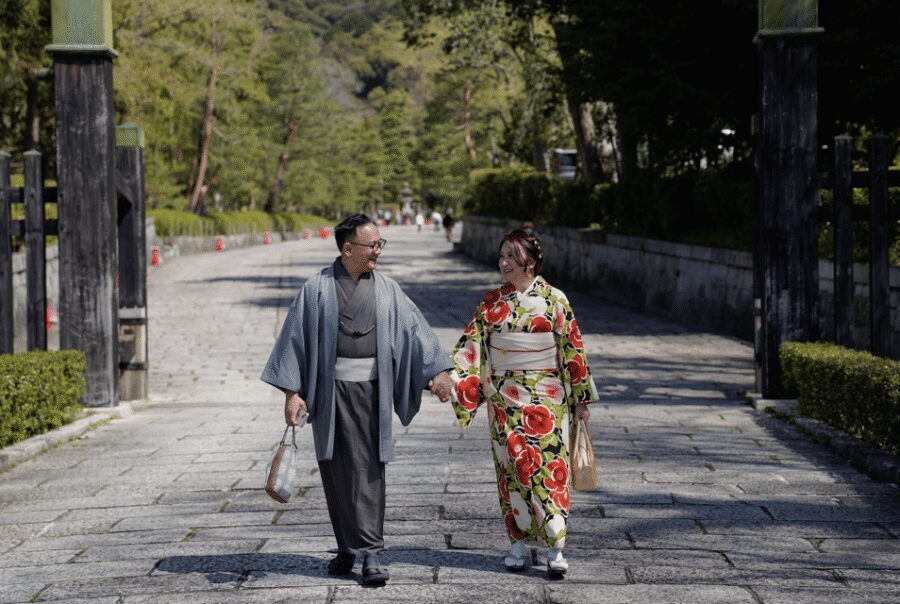
You get about 1 hour for lunch. That slot is more important than it sounds, because it reduces decision fatigue. If you’ve never eaten in Kyoto, lunch can become a time-waster: you scan menus, question translations, and end up rushing into the wrong place.
With a guide, lunch becomes part of the day’s logic. You’ll likely get suggestions based on what you’ve already seen and what you still want before temple time. Also, because this is private, you can move according to your appetite and energy level.
What’s not included: lunch itself isn’t included, and neither are food and drinks. So treat that hour as a helpful window where the guide can set you up, not as a fully catered meal.
Nanzen-ji and the quieter side of Kyoto’s temple world
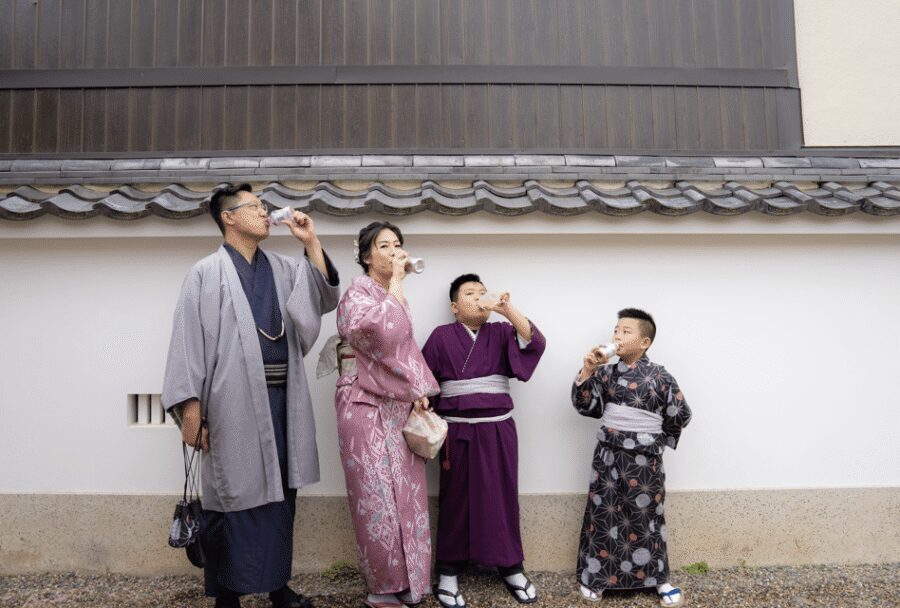
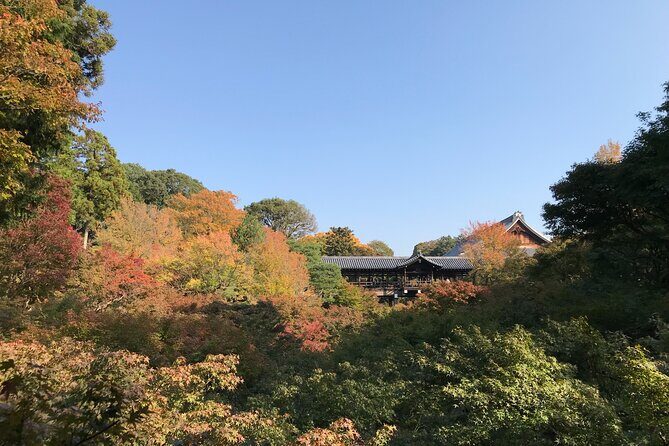
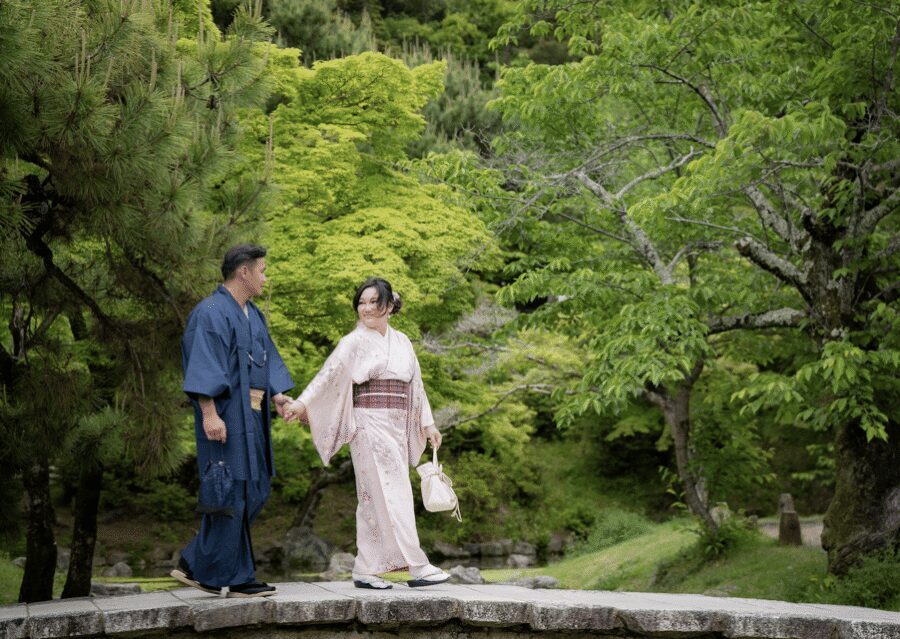
Next comes temple time, with Nanzen-ji included for about 1 hour. Nanzen-ji can feel like a different Kyoto from the busy streets. It’s a place where you can slow down and notice details—garden shapes, stone pathways, and the way the grounds create breathing room.
The tour’s description also points you toward serene spots such as Chion-in Temple as part of the off-the-beaten-path experience. Since the day is flexible by duration, you may find that your guide incorporates quieter temple options depending on how much time you choose.
Why temple stops like these are worth it:
- They give contrast. Kyoto isn’t only streets and markets.
- They help you understand how faith and daily life shaped the city.
- They offer a break from the strongest crowd pockets.
One consideration: temple etiquette can slow things down a bit—ticket lines if applicable, photo rules, and simply taking time to walk through grounds. A guide who manages timing matters here, especially in a one-day window.






Higashiyama focus and the Kiyomizu-dera area: where stories stick
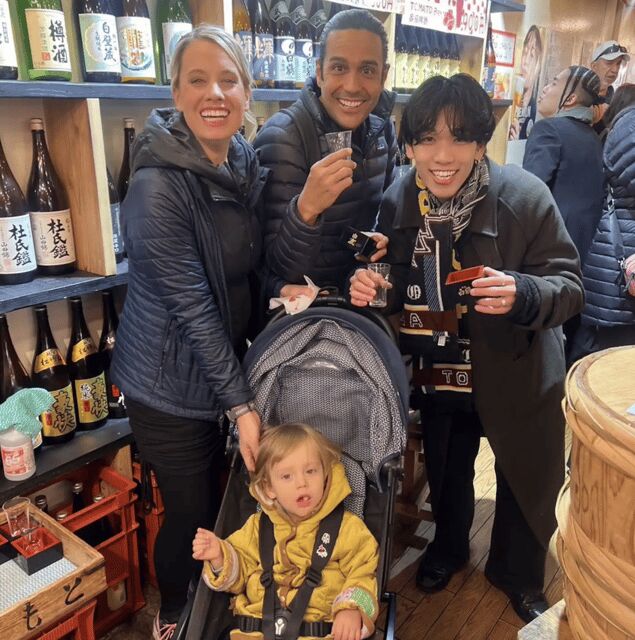
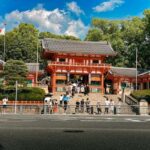
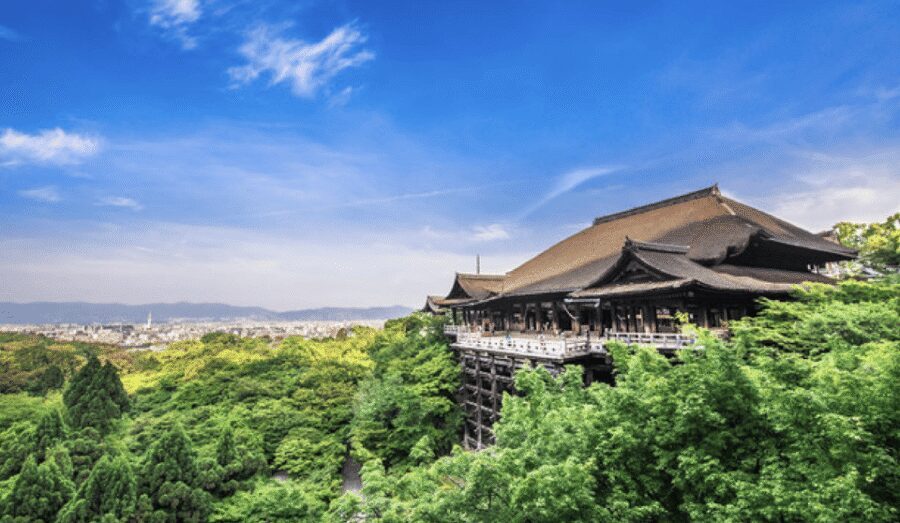
The heart of the tour is Higashiyama, the historic district where temple culture, old streets, and landmark views overlap. The tour specifically calls out Kiyomizu-dera Temple as part of what you’ll experience here.
This is one of my favorite types of guided stops because it turns a famous site into a readable place. Instead of you just looking at a landmark, you can connect it to the surrounding streets and to why this area matters in Kyoto’s story.
In the feedback that stands out, guides like Yuki are praised for fitting must-see stops into a 5-hour day and still suggesting extra sights for the rest of the trip. That’s the kind of guide that helps the main landmark feel like a starting point, not the ending of your Kyoto day.
Photo reality check: the Kiyomizu-dera area can get busy. If that matters to you, ask your guide about timing and best walking order. Private guiding makes that easy—you’re not stuck at the same starting point as everyone else.
How the guides turn Kyoto into something you can explain
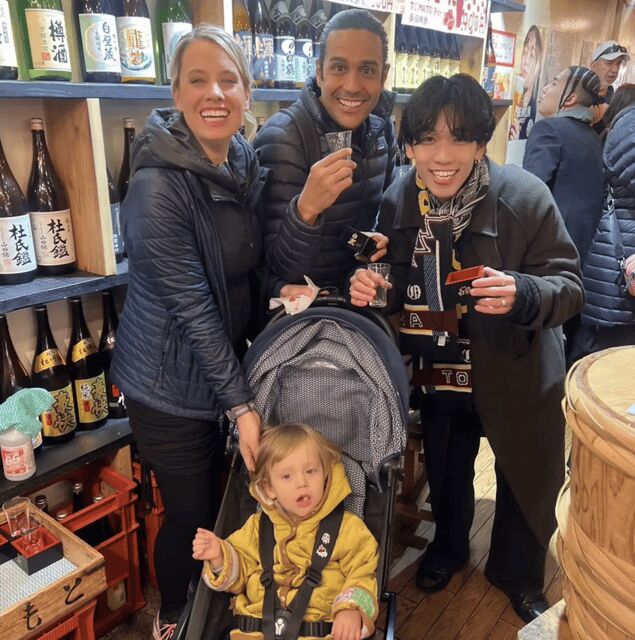
What truly separates this tour from a basic walk-through is the guide style. In the experiences shared, guides come across as warm, thoughtful, and quick to connect history to what you’re seeing.
Examples you’ll appreciate when choosing this kind of tour:
- Takuma is noted for being polite, attentive, and very familiar with Kyoto.
- Yuki is described as friendly and extra knowledgeable, with the ability to tailor the 5-hour plan to what the group wanted.
- Nori is praised for making Japanese history easier to understand, and for routing people away from major crowds.
Even if you don’t speak Japanese, a strong English guide can do two things fast:
- Give you a mental map of how the city developed.
- Help you read visual clues on the street—signs, structures, and the reasons certain places sit where they do.
One practical plus: because it’s private, you can ask questions without worrying about holding up a group. If you’re the type who wonders why a temple looks a certain way or what a street name implies, this format gives you room to go there.
Price and value: what about $24 per person actually buys you
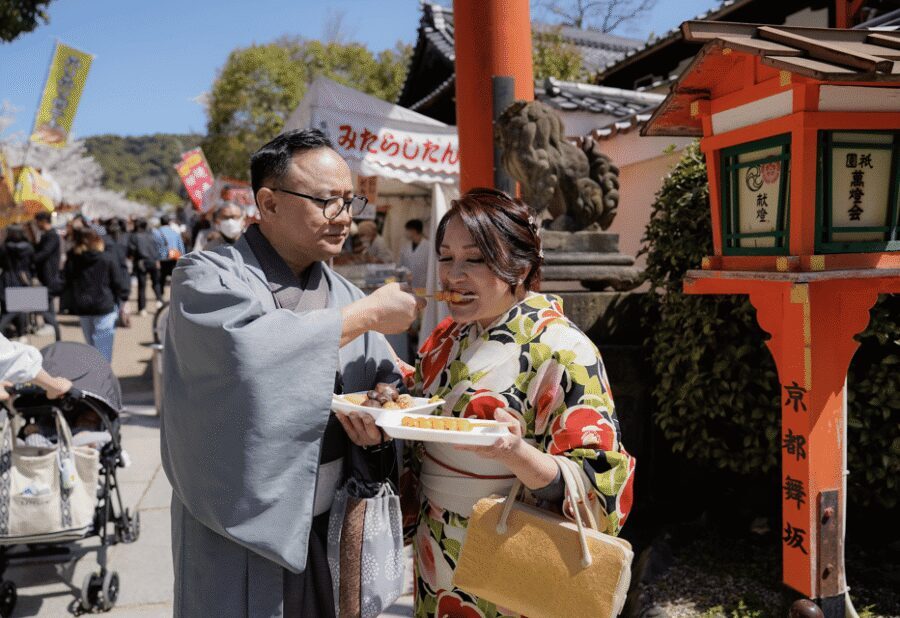
At $24 per person, this tour is priced like a smart add-on—not a luxury splurge. The main value isn’t only that you have a guide. It’s the combination of:
- a planned route built around Kyoto’s key neighborhoods,
- pickup included for hotels inside Kyoto city,
- and a private pacing option that lets you choose 1 to 8 hours.
But be clear on what you’re still paying yourself:
- Food and drinks are not included.
- Entrance fees are not included.
- Transportation fee is not included.
So the real cost depends on your choices. If you mostly walk, you’ll mostly spend on food, and possibly a few entrance fees. If you plan to enter multiple temple sites, your total will climb, but you’ll usually feel more satisfied because you’re seeing things you actually care about.
My rule of thumb for value: this tour is worth it if you want someone to help you prioritize and understand. If you already have a detailed self-guided plan and you’re comfortable translating, you might not need it. For most people, especially on a first or mid-trip visit, it saves time and makes the city click faster.
Timing and logistics that affect your comfort
This is a walking tour, and Kyoto can be deceptively tiring. In a one-day experience, energy management becomes part of the sightseeing.
Here’s what helps you get the best outcome with minimal stress:
- Choose a longer duration if you want both markets and temples without feeling rushed. A 5-hour day is often a sweet spot because it leaves room for the big hitters and time to slow down.
- If you’re short on time, a 1- or 2-hour tour can work as a focused introduction, but be ready to skip some parts.
- Wear shoes you can walk in for stretches. Temple areas and market lanes add up.
Also, because pickup is included only if you’re staying within Kyoto city, double-check that your lodging qualifies. If not, you may need a plan to reach your meeting point.
Who this tour is best for
This tour fits best if you:
- want a private Kyoto day without the guesswork,
- like mixing food streets with temple stops,
- prefer explanations in English,
- and enjoy asking questions and shaping the route.
It’s also a good option if you’re traveling with someone who has different priorities. Private guiding can help balance things like market time versus more temple time.
If your travel style is mostly self-guided shopping, you might not need a guide. If your travel style includes history, streetscapes, and wanting to understand what you’re seeing, you’ll probably love this format.
Should you book this Kyoto private one-day tour?
I’d book it if you want a guided Kyoto day that mixes famous stops with quieter temple moments, and you care about context—not just checklists. The standout strength is the guide interaction. In the experiences tied to this tour, guides like Takuma, Yuki, and Nori are repeatedly praised for being friendly, attentive, and able to explain Japanese history in a way that makes the city feel understandable fast.
I’d think twice if you have a very strict budget that can’t absorb food plus possible entrance fees, or if you’re not comfortable with a walking-heavy day. In that case, a self-guided route might be cheaper.
If you’re in the middle—curious, time-limited, and wanting your Kyoto to make sense—this is a solid, flexible way to do it.
FAQ
How long is the Kyoto tour?
You can choose a tour length of 1 hour, 2 hours, 5 hours, or 8 hours, based on availability.
What does the tour include?
The tour includes a local tour guide, plan your travel itinerary, and pickup from your accommodation within Kyoto city.
Is the tour guided in English?
Yes, the live tour guide is English.
Are food, drinks, and entrance fees included?
No. Food and drinks, any entrance fees, and transportation fee are not included.
What stops will I see during the day?
You’ll spend time at Nishiki Market and Gion, then visit Nanzen-ji, with the tour’s main focus on the Higashiyama area and its landmarks like Kiyomizu-dera.
Does pickup work for any hotel in Kyoto?
Pickup is included if you are staying at a hotel within Kyoto city.