Fushimi Inari hits different when you have context. This walking tour pairs the famous Senbon Torii trail with a calmer stop at Sekiho-ji Temple, plus explanations of customs you would miss on your own. I love the way the Kyoto City Tourism Association guide keeps the stories practical, not just theatrical. I also like that the plan uses public transit, so you feel good about how you’re getting around. One thing to consider: it is a walking-first tour (about two hours), so you’ll want comfortable shoes and a pace that suits stairs and crowds.
The tour starts at Kyoto Station, then moves to Fushimi Inari Taisha with a guide who knows how to read the place. You get to learn etiquette and traditions as you go, not after the fact, which makes the shrine and temple feel more intentional. In one set of guide feedback, Junko stood out for being engaging and helpful, and that kind of guide energy really matters here. A possible drawback is that train fare is not included, so you’ll need to budget a little extra for transit.
By the end, you’ll understand why the torii gates are more than a photo stop. You’ll also get a change of mood at Sekiho-ji Temple, where the focus shifts to quiet and serenity, including Jizo statues and a Zen garden moment. Just keep in mind the schedule runs October 6 to 31, 2025 (excluding Saturdays and Sundays), so it won’t work for every date.
In This Review
- Key highlights to look for
- Meeting at Kyo-Navi inside Kyoto Station
- Getting to Fushimi Inari by eco-friendly public transport
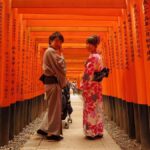
- Fushimi Inari Taisha and the Senbon Torii trail
- Shrine etiquette: how to act like you belong
- Sekiho-ji Temple: the calmer stop with Jizo statues
- Walking pace, timing, and what fits your day
- Price value: $34 and what’s included vs. not
- Who should book this tour, and who might not
- Should you book? My practical take
- FAQ
- How long is the Kyoto Fushimi Inari Taisha walking tour?
- What is included in the $34 price?
- What is not included?
- Where do I meet the guide?
- Is the tour offered in English?
- Are children allowed?
Key highlights to look for
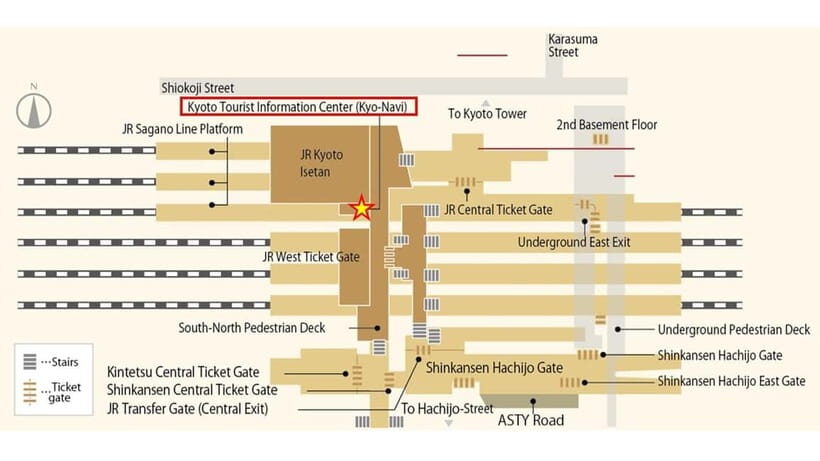
- Official certified guide from Kyoto City Tourism Association who explains local customs as you walk
- Senbon Torii experience at Fushimi Inari Taisha, guided so you notice more than the obvious
- Public transit, not private transfers, which keeps the trip simpler and more eco-minded
- Sekiho-ji Temple stop with Jizo statues you’ll likely never find as easily alone
- Zen garden time that adds a calmer counterpoint to the shrine crowds
- Clear communication and responsiveness from the guide, with time saved by having questions answered on the spot
Meeting at Kyo-Navi inside Kyoto Station
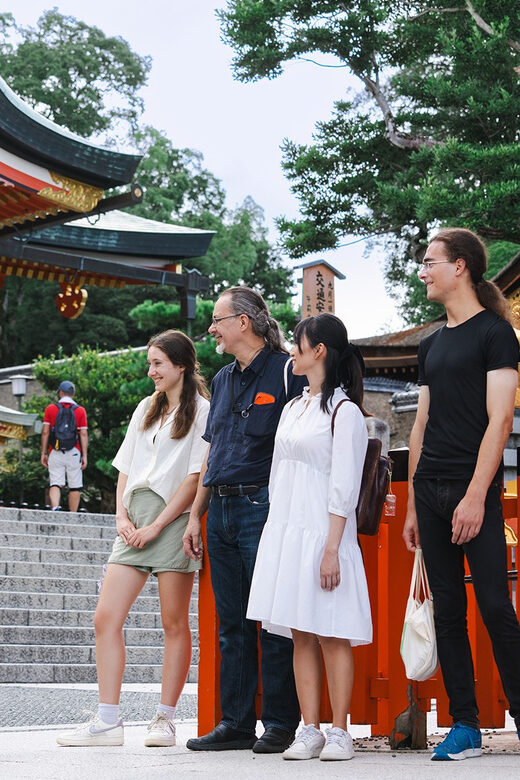
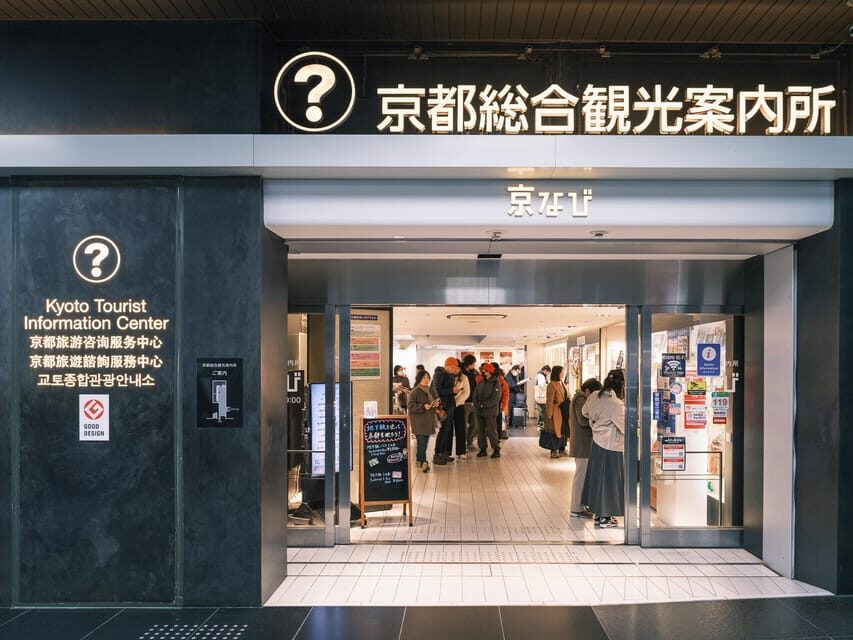
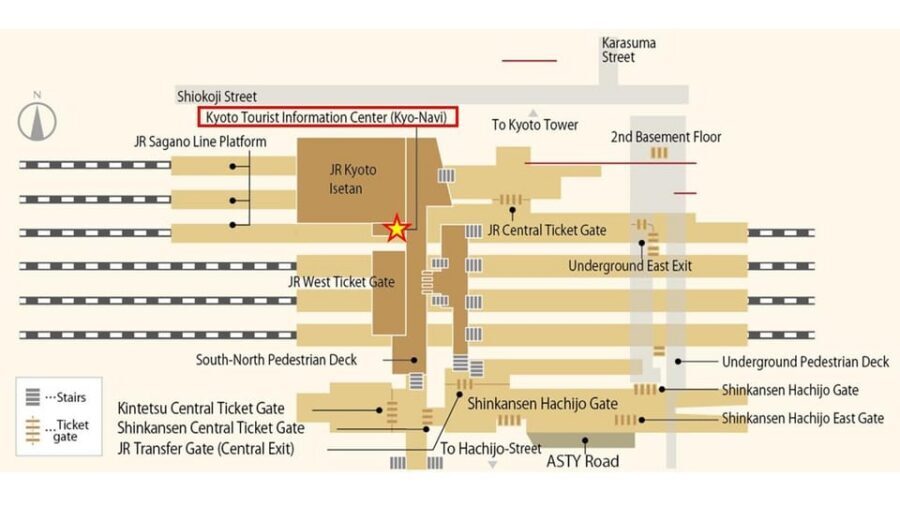
Your tour begins at the Kyo-Navi Kyoto Tourist Information Center in Kyoto Station. This is a good start because Kyoto Station can feel like a maze, and the meeting point is easy to reference in person.
The Kyo-Navi center is on the second floor. From there, look for the pedestrian walkway area on the north side, near Kyoto JR Isetan (a big department store right by the station foot traffic). If you’re unsure, ask for Kyo-Navi, which is the local shorthand.
Arrive early. The tour won’t wait if you show up late, and being early also helps you settle in, use the restroom, and double-check what you’re carrying before you head out.
A few more Kyoto tours and experiences worth a look



Getting to Fushimi Inari by eco-friendly public transport
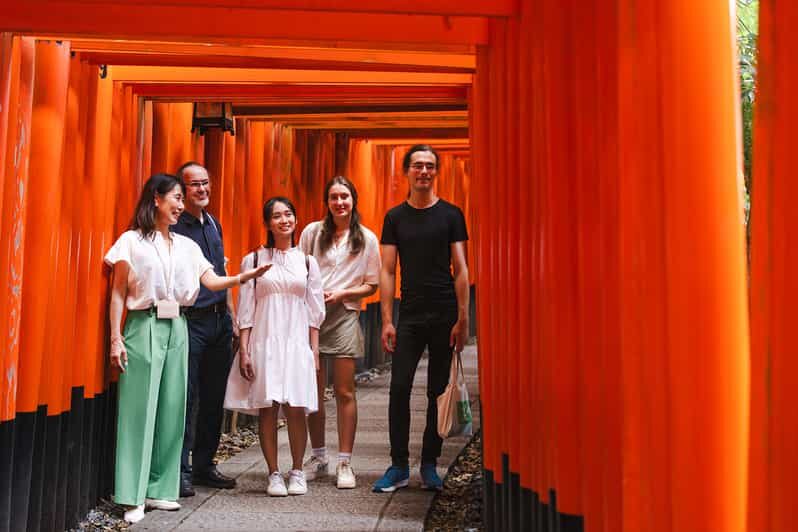
One smart choice here is how you travel. Instead of jumping into a private van, the experience uses public transportation and a guide who talks you through what you’re seeing along the way.
That matters because Kyoto is best navigated by locals-style routes, especially when you’re trying to save time. It also reduces the “tour bus feeling,” since you’re moving through real stations and real streets rather than being carried end-to-end.
The guide is there during the ride too, sharing customs and etiquette as part of the overall experience. It’s a small thing, but it makes the trip feel like a guided orientation to Kyoto, not just transportation to a landmark.
Budget one small extra: train fare to Fushimi Inari Taisha is not included. You can keep things simple by planning to load your transit payment method before you meet your guide.
Fushimi Inari Taisha and the Senbon Torii trail
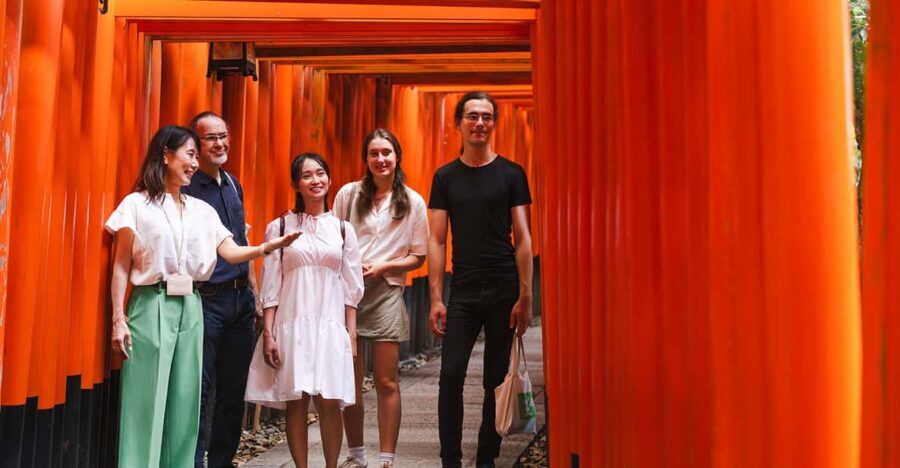
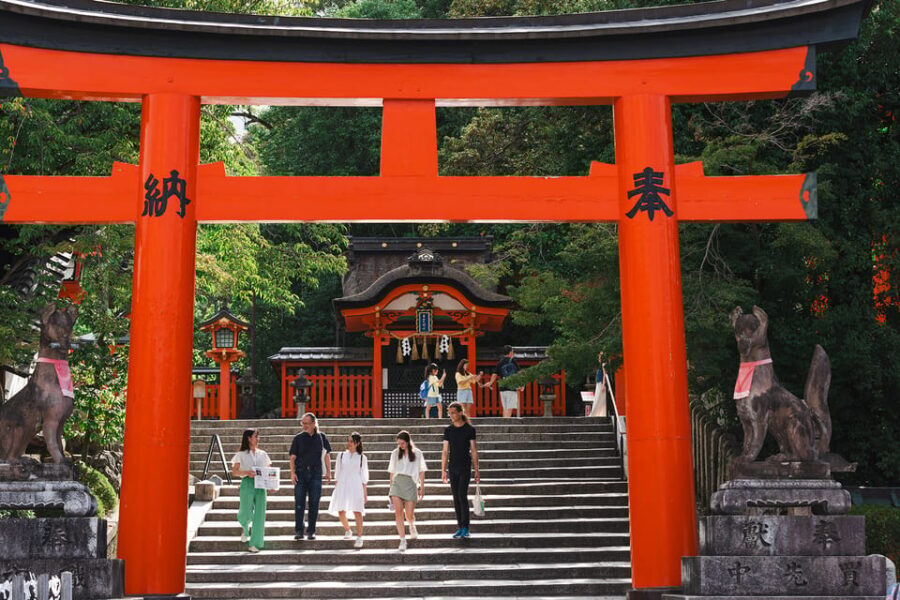
Fushimi Inari Taisha is one of Kyoto’s biggest names, but the guide changes the experience. Yes, you’ll see the iconic torii gates, but you’ll also understand how the shrine fits into local practice and why people treat the space with care.
The Senbon Torii gates are the signature path. The sheer repetition of the gates is what makes it awe-inducing, but what you’ll notice more with a guide is how your movement through the space follows a rhythm—quiet turns, respectful pauses, and the feeling that you’re walking through something living, not staged.
The tour also focuses on the shrine side of the visit beyond the main gate photos. Expect time to absorb architecture, learn a bit about customs and traditions, and pick up etiquette tips that make your visit feel smoother. When you know what’s expected, you don’t spend mental energy wondering.
One practical note: crowds are real at Fushimi Inari. A guide helps you avoid awkward stops and keeps your pace manageable, especially if your goal is to enjoy rather than speed-run.
Shrine etiquette: how to act like you belong
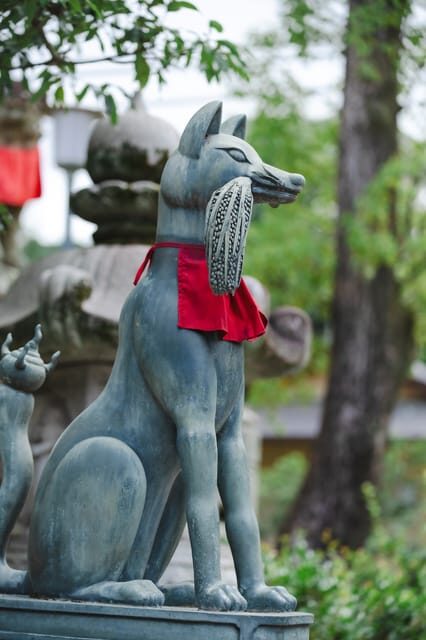
This is where a good guide pays off. Kyoto has specific norms around shrines and temples, and on your own it’s easy to miss what matters. With an official Kyoto guide, you get explanations as you encounter the moments—so you can adjust right away.
From the tour’s emphasis on etiquette and tradition, expect guidance on how to behave in shrine spaces and how to handle the flow of people around you. Even if you’ve visited other shrines in Japan, these small reminders help you feel respectful and confident.
The guide’s communication quality is repeatedly praised. In one write-up, the guide was described as friendly and clear, with quick, easy answers to questions. That matters because when you’re unsure about what to do, you don’t want to guess and risk doing it wrong.
Sekiho-ji Temple: the calmer stop with Jizo statues
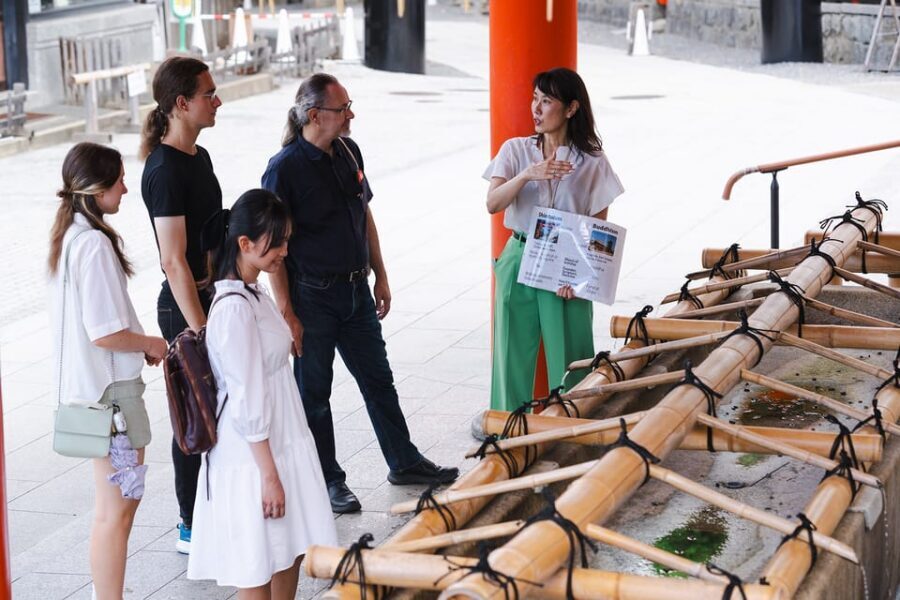
After the energy of Fushimi Inari, you get a quieter shift at Sekiho-ji Temple. This is part of what makes the tour feel worth paying for: not everyone builds in time for the less obvious temple experience.
Sekiho-ji is known here for its Jizo statues. Jizo figures often connect to themes of protection and care in Japanese Buddhist culture, and having a guide explain what you’re looking at changes the mood. Instead of just spotting statues, you’ll be able to connect them to the reason people visit and the atmosphere they try to hold.
And there’s another bonus: the tour includes a Zen garden stop. One highlight specifically mentioned enjoying the Zen garden, which makes sense as a contrast—shrines can feel busy, while a garden visit gives you a slower, more reflective beat. If you like tourism that balances big sights with quiet ones, this part is a strong reason to book.
A potential consideration: because it’s “hidden” and less central than Fushimi Inari, you’ll appreciate the guide’s navigation. The value isn’t only the location—it’s knowing where to look and what to understand once you’re there.
Other walking tours we've reviewed in Kyoto






Walking pace, timing, and what fits your day
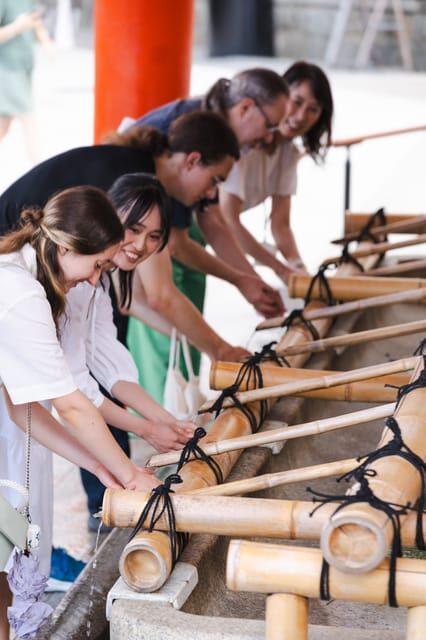
This is a walking tour recommended for people who actually like to walk. Plan for about two hours total, and keep in mind that it’s not designed as a short stop-and-go photo scramble.
I’d treat it as a morning or early afternoon move. That way, when you finish back near the meeting point area, you can keep exploring without feeling wrecked. The tour also gives you time to gather local recommendations from the guide at the end, which is useful if you want to build the rest of your day wisely.
Group energy matters. While the tour doesn’t state group size, a walking format usually means you’ll want to stay close so you don’t miss guidance or key stops. If you prefer fully independent pacing, you may find it more structured than you want.
Price value: $34 and what’s included vs. not
At $34 per person, this tour is priced like a guided morning. Here’s what you’re paying for, in plain terms:
Included:
- Kyoto City Tourism Association official certified guide
- Entry tickets to Sekiho-ji Temple
Not included:
- Train fare to Fushimi Inari Taisha
- Food and drinks
- Hotel pickup and drop-off
So is it a good deal? For me, the value comes from two areas. First, you’re getting an official guide, and the reviews strongly emphasize communication and responsiveness. That turns the walk into a learning experience instead of a route you could do with Google Maps.
Second, the Sekiho-ji Temple stop adds value because it’s not the obvious “top three” tourist agenda. Combine that with the Zen garden moment, and you get a tour that feels like more than just a torii gate walk.
Who should book this tour, and who might not
You’ll likely enjoy this most if you:
- Want to see Fushimi Inari without feeling lost in the crowd
- Care about etiquette and traditions, not just sights
- Like contrast: a major shrine plus a calmer temple with Jizo statues
- Prefer public transit and straightforward logistics from a guide
You might skip it if:
- You hate walking or stairs and want a very light schedule
- You’d rather go fully at your own pace with no guide input
- Your dates don’t match the listed run window (October 6 to 31, excluding Saturdays and Sundays)
One more good fit detail: English-only instruction is confirmed, which helps a lot for travelers who don’t want to translate or guess.
Should you book? My practical take
Yes, I think you should book it if your priority is understanding Fushimi Inari and then seeing a quieter temple side of Kyoto. The combination of Senbon Torii + Sekiho-ji Temple + a Zen garden moment gives you variety in about two hours, and the guide support makes the time feel efficient.
If you’re on the fence, here’s a simple decision rule: if you want stories, customs, and “what to notice” help, this guide-led format is worth the $34. If you only want the big landmark and you love wandering alone, you could save money by planning your own route. But if you want fewer uncertainties and better context, the official guide is the point.
In short: book this when you want Kyoto to make sense while you walk through it.
FAQ
How long is the Kyoto Fushimi Inari Taisha walking tour?
It’s a walking tour recommended for people who enjoy walking, and it takes about two hours.
What is included in the $34 price?
The tour includes an official certified guide from Kyoto City Tourism Association and entry tickets to Sekiho-ji Temple.
What is not included?
Train fare to Fushimi Inari Taisha Shrine, hotel pickup and drop-off, and food and drinks are not included.
Where do I meet the guide?
Meet at the Kyo-Navi Kyoto Tourist Information Center inside Kyoto Station. It’s on the second floor, next to Kyoto JR Isetan, on the north side pedestrian walkway area.
Is the tour offered in English?
Yes, the tour runs in English.
Are children allowed?
Unaccompanied minors are not allowed. Each paid participant can bring one child aged 0–6 for free (with the child accompanied by an adult). If a free child wants to use luggage service, a service fee is required. If you bring more than one child, each additional child must purchase an adult ticket.