Kyoto’s Philosopher’s Path feels calm for a reason. You get a slow, story-led walk along the tree-lined canal, and you’ll also see Zen beauty up close at Ginkakuji and Nanzenji. I like that the pace stays relaxed so you can pause for photos, stop at the occasional café, and actually notice details most people miss.
Two things I especially like: the guide focus on Zen and how it shaped Japanese arts and culture, and the way the route stays foot-friendly (about 5 km total) instead of turning into a rush from gate to gate. One consideration: this is still a walking tour, so you’ll want at least a moderate fitness level.
Kyoto Fun runs it with small groups (up to eight people), so it feels more like going with a local friend than joining a crowd. Guides are long-term Kyoto residents, and in the past they’ve included locals like Kevin and Craig, both praised for pacing and for answering questions beyond the obvious.
In This Review
- Key highlights worth planning around
- Walking the Philosopher’s Path without feeling rushed
- The Zen garden logic at Ginkakuji (Silver Pavilion)
- Nanzenji’s architecture and aqueduct: a dramatic Kyoto contrast
- Why the small group size changes everything
- What you’ll walk, how long it takes, and what to wear
- The guide’s role: turning sights into understanding
- Price and value: $64 for four hours that don’t feel expensive
- Who this tour fits best (and who should reconsider)
- Quick checklist before you go
- Should you book Sacred Pathways: Discover the Philosopher’s Path of Kyoto?
- FAQ
- Is the tour duration really about 4 hours?
- How much walking is involved?
- Are entrance fees included in the price?
- What language is the guide available in?
- Do they include food or drinks?
- Can I bring kids under 10?
- Is the group large?
- Are drones allowed?
Key highlights worth planning around
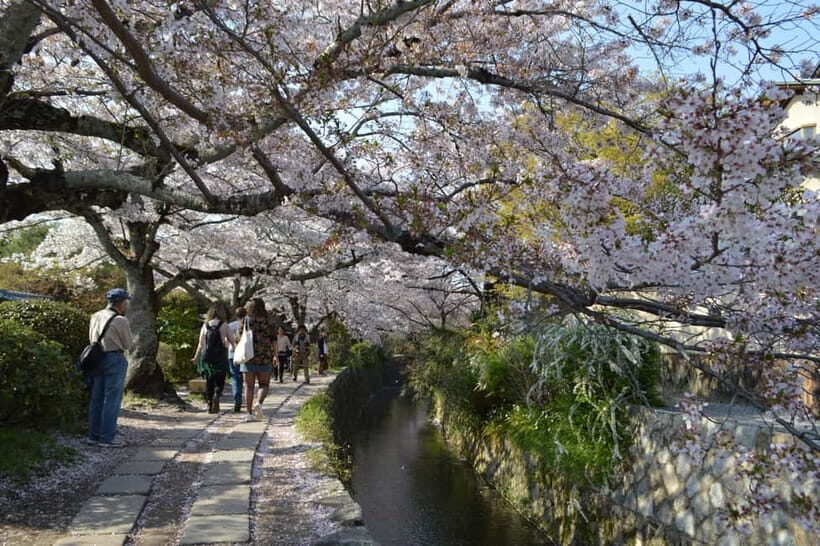
- Philosopher’s Path, foot of the Eastern mountains: a canal-side stroll with lots of nature and breathing room
- Ginkakuji Silver Pavilion garden: the Zen garden design details that change how you look at “just rocks”
- Nanzenji’s architecture and aqueduct: a big, dramatic change of scale from the quieter walkway
- Chill pace with time to sit: built for photos, tea breaks, and actually enjoying the route
- No-cash entry fees: entrance costs are included, so your wallet stays in your pocket
- Small groups, no mics or buses: fewer crowds and easier movement
Walking the Philosopher’s Path without feeling rushed
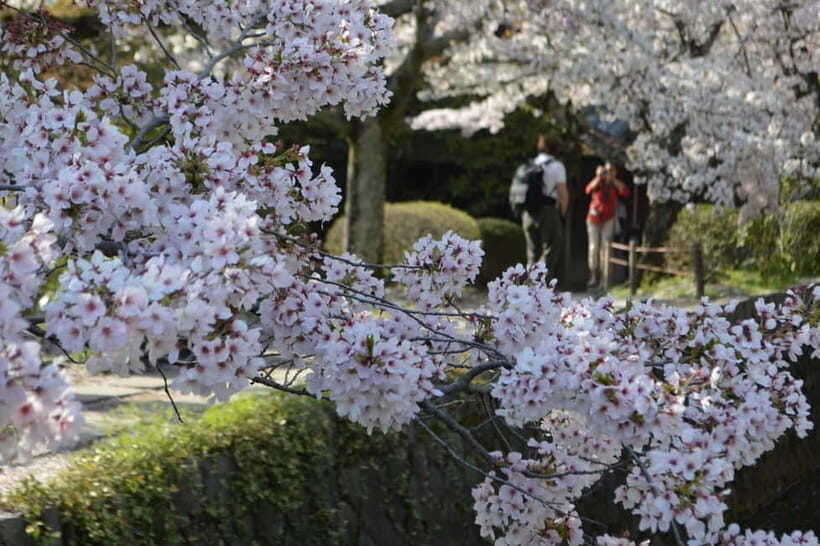
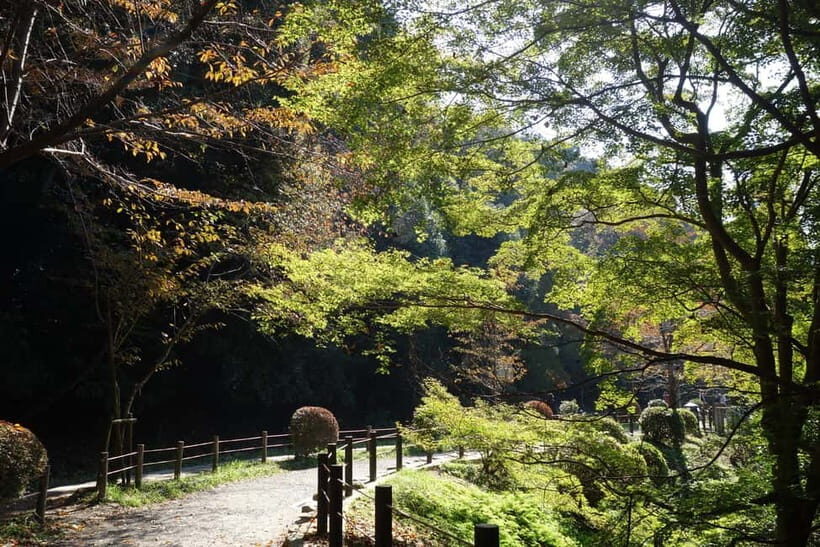
The Philosopher’s Path is one of those Kyoto walks that people love for the vibe, but it’s the details that make it memorable. Think gentle water sounds from the stream, leaves moving in the breeze, and a walkway that feels like it’s hugging the foot of the Eastern mountains. Even if you’ve seen photos online, being there changes the scale. You notice how the canal pulls you forward, and how the trees frame your steps like a natural corridor.
On this tour, you’re not trying to conquer Kyoto. You’re taking a chill pace and moving stop to stop without the “keep up” energy that can turn sightseeing into stress. That matters because Philosopher’s Path rewards slow attention. When you walk it quickly, you miss the quieter moments: the way moss can look almost soft under morning light, or how you start to recognize Zen garden patterns before you even reach the temples.
There are also little shops and cafés along the route, which is a big practical plus. You’re not stuck only doing temples. You can take a breath, grab a warm drink, and keep your day moving at a human tempo. If you’re the kind of traveler who likes a pause to reset, this setup fits.
If you're still narrowing it down, here are other tours in Kyoto we've reviewed.


The Zen garden logic at Ginkakuji (Silver Pavilion)
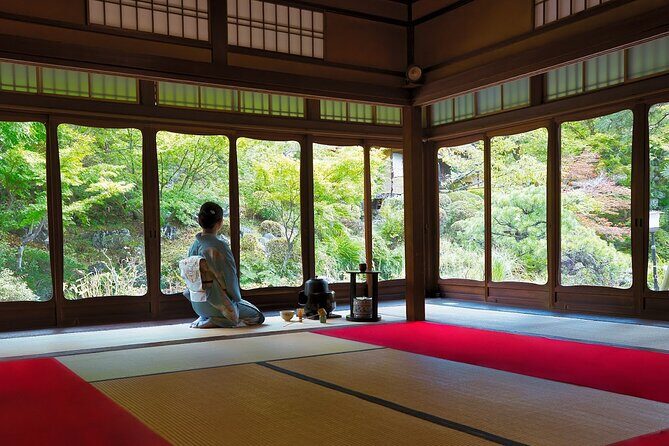
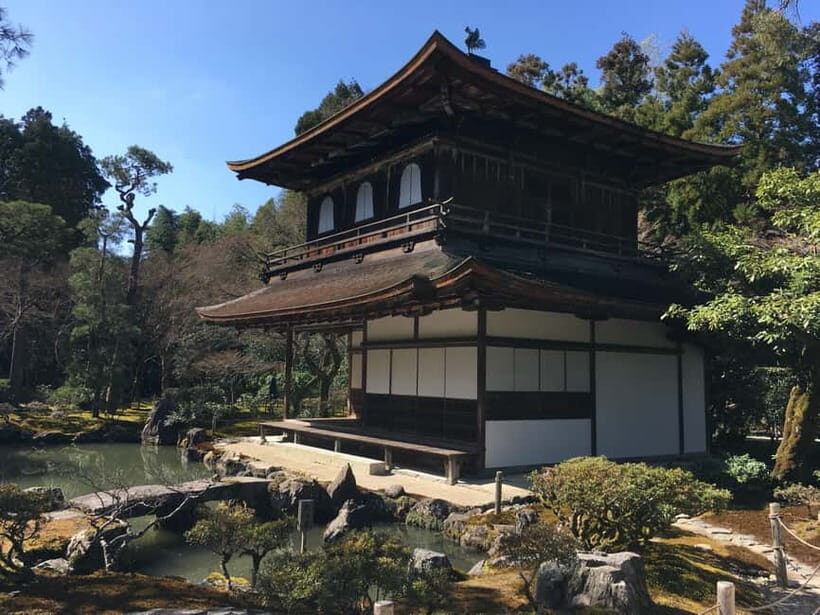
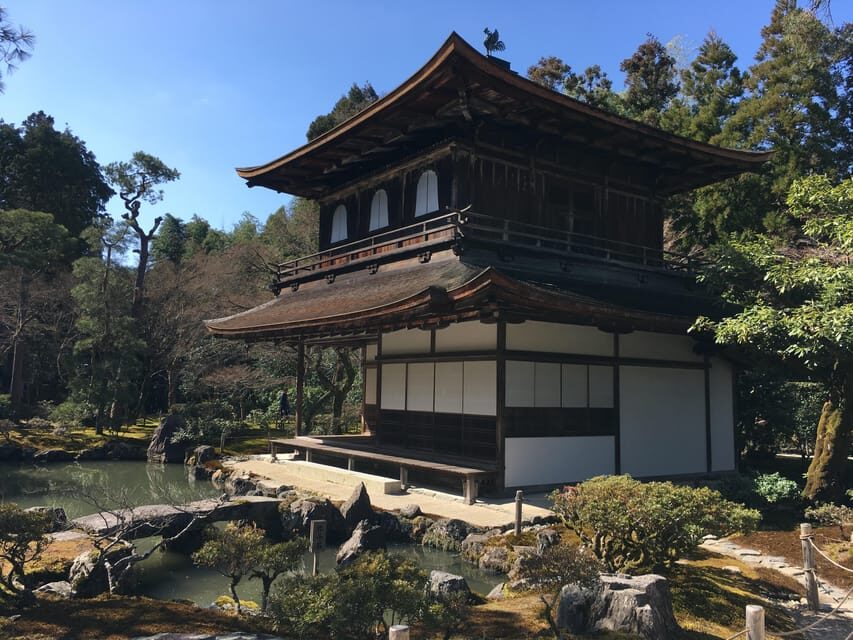
Ginkakuji Temple, often called the Silver Pavilion, is where the tour shifts from “pretty walk” to “Zen you can see.” The garden here is described as immaculate, with meticulously raked gravel and stones placed with intention. That might sound abstract, but the point becomes clear when you’re standing in front of it and the guide gives you the right context.
Here’s what I find useful when a guide explains Zen gardens: they aren’t about filling space. They’re about teaching your eyes to slow down and your mind to stop grabbing at every surface. You start noticing the small design decisions—how textures contrast, how rocks sit like anchors, and how the gravel’s lines pull the gaze. Even the moss is more than decoration; it adds a living softness that can look different depending on moisture and light.
You’ll also get a chance to appreciate how Zen influenced the arts and culture beyond temple walls. That’s not just trivia. It changes how you interpret everyday Kyoto. A lot of visitors look at gardens and think only about “beauty.” With the right framing, you start to see the thinking behind the beauty.
One practical note: this stop is a garden experience. It’s not just wandering and taking a few quick snapshots. Build in time to watch the garden, not just pass through it.
Nanzenji’s architecture and aqueduct: a dramatic Kyoto contrast
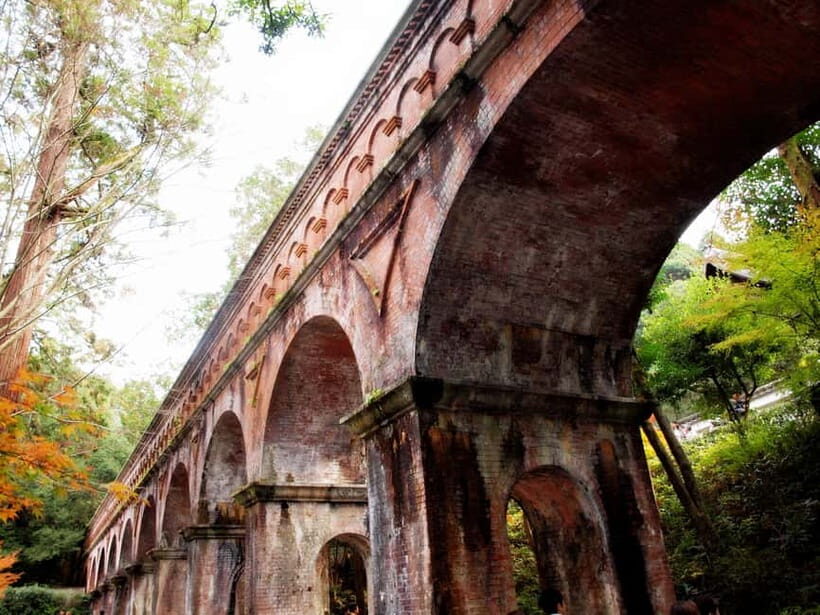
After the softer calm of Philosopher’s Path and Ginkakuji, Nanzenji Temple brings a different energy. This is where the tour leans into scale: you’ll visit one of Kyoto’s prominent Zen temples and see impressive architecture along with an imposing aqueduct.
That change matters because it keeps the day from feeling repetitive. Some Kyoto days feel like “temples, photos, repeat.” Here, you get rhythm: quiet walkway, detailed garden, then a bigger, more architectural scene. When you’re looking at the aqueduct, the environment starts to make more sense too—you can feel how water, stone, and design shaped life around these places, not just aesthetics.
If you like places where buildings do the storytelling, Nanzenji is a great match. And because the guide tells the stories behind what you’re seeing, you’re less likely to miss the meaning while you’re distracted by how impressive something looks.
Why the small group size changes everything
This tour caps groups at eight people. That isn’t a marketing detail—it affects your actual experience. With fewer people, you can move at a natural pace and stop without feeling like you’re holding up a giant line. It also means you’re less likely to get “herded” through temples on a timer.
Kyoto Fun also doesn’t use flags, mics, or buses. Again, that sounds logistical, but it’s felt on the street. It’s easier to hear the guide when you’re not packed into a loud moving cluster, and it’s easier to step aside for photos without constant friction.
In the feedback, people consistently liked how relaxed the pace was and how the guide kept things aligned to their group. That matters most for Philosopher’s Path, because the best moments aren’t those that last one minute. You need a little time for the route to sink in.
What you’ll walk, how long it takes, and what to wear
The tour runs about 4 hours and includes roughly 5 km (3 miles) of walking. That’s not an extreme distance, but it does add up. Expect a moderate pace with breaks for viewing and time to sit when it fits the day. If your feet tire easily, wear supportive shoes. If you plan to visit other places afterward, plan a slower evening so your legs can recover.
Timing is also worth thinking about. When you hit gardens and shaded walkway sections can depend on the day, but you’ll generally get a calmer rhythm with plenty of pauses. If you’re traveling in warm or wet seasons, bring an umbrella or light rain layer, since the route follows outdoor scenery.
Food isn’t included, so you’ll want to decide in advance if you’ll eat before or after. The route has cafés and shops, so you won’t be completely stuck finding something, but don’t expect the tour to provide lunch.

The guide’s role: turning sights into understanding
A guided walk only works when the guide does more than point. On this tour, the guide’s job is to explain the stories that connect what you see to why it matters. Without context, it’s easy to see temples and gardens as separate photo stops. With context, you start connecting the dots—how Zen shaped arts and culture, how design choices reflect thinking, and how each site fits into Kyoto’s spiritual geography.
Guides are long-term residents of Kyoto and speak English and French. That bilingual setup can be a big deal if you’re traveling as a couple or with friends who prefer different languages. It also helps if you’re the type who asks follow-up questions. The guides are clearly comfortable answering, including questions about history and cultural practice, not only the name of the place.
In past experiences shared with the company, locals such as Kevin and Craig were praised for being personable, keeping the pace matched to the group, and giving practical recommendations for what to do next. That last part can be surprisingly valuable: a good guide helps you avoid wasting the rest of your day on guesswork.
Price and value: $64 for four hours that don’t feel expensive
At $64 per person for a 4-hour small-group tour, the value comes from what’s included and how the time is spent. Most of the “tour cost” you pay elsewhere often turns into entrance fees you still have to manage yourself. Here, all entrance fees are included, and you don’t need cash for those visits.
You also get a bilingual guide and a digital city guide. The digital piece matters if you want to extend the day on your own afterward—especially in a city where neighborhoods and transit can feel confusing. Even if you don’t use it immediately, having a guide reference later can save you time.
Is it a luxury price? Not really. It’s priced as a day experience that replaces some of your independent planning with a local’s pacing and cultural context. If your goal is to enjoy Philosopher’s Path and still understand what you’re seeing, this is the kind of tour that can feel worth it fast.
Who this tour fits best (and who should reconsider)
This is a great fit if you want:
- a relaxed walking day with structure
- Zen temples and gardens explained in plain language
- fewer crowds and less “tour bus” energy
It may be less ideal if:
- you don’t handle walking well (it’s about 5 km)
- you’re traveling with children under 10 (this is not suitable; you’d need to ask about a private option)
- you’re very advanced in age (people over 95 aren’t listed as suitable)
Also, plan your expectations around food and drinks. This tour doesn’t include meals or drinks. You’ll likely want to purchase something along the way, especially if you’re out for the full four hours.
Quick checklist before you go
You’re walking outdoors, so keep it simple:
- wear comfortable shoes for about 5 km
- bring a light rain layer if weather looks uncertain
- keep some cash or a card handy for snacks and drinks (not included)
- arrive on time, since the meeting point can vary by option
And one rule to note: drones aren’t allowed.
Should you book Sacred Pathways: Discover the Philosopher’s Path of Kyoto?
Book it if you want a calm, well-explained Kyoto day that focuses on quality time on the ground—Philosopher’s Path, then the garden craft at Ginkakuji, and finally the architectural impact at Nanzenji. The small group size and the guided context are the two big reasons this works, especially if you’re the type who likes to understand what you’re looking at.
Skip or rethink it if you’re looking for a fast hit of “see as much as possible” in a short window. This is for savoring, not sprinting. And if walking 5 km is hard for you, you’ll feel it by the end.
If you’re deciding between independent wandering and a guided route, this is a strong middle path: you still get the charm of the area, but you don’t have to guess what matters most.
FAQ
Is the tour duration really about 4 hours?
Yes. The tour is listed as 4 hours, with a total walk of about 5 km (3 miles) over that time.
How much walking is involved?
Expect around 5 km (3 miles) of walking. You’ll want at least a moderate fitness level.
Are entrance fees included in the price?
Yes. All entrance fees are included, and the tour is designed so you don’t need to bring cash for entry.
What language is the guide available in?
The live guide is available in English and French, and the tour includes a digital city guide.
Do they include food or drinks?
No. Food and drinks are not included, though there are cafés and shops along the route.
Can I bring kids under 10?
Children under 10 are not listed as suitable for this activity. If you want to bring younger kids, you’ll need to enquire about a private tour.
Is the group large?
It’s a small-group format with a maximum of eight people. The tour avoids flags, mics, or buses.
Are drones allowed?
No. Drones are not allowed on this activity.