Red gates take over your morning in Kyoto.
This private 4-hour route strings together Fushimi Inari’s thousands of torii gates, then shifts into Gion and the quieter Higashiyama temple lanes with an English-speaking guide who knows Kyoto culture well. I like that your key costs are covered up front, especially admission and transit, so you can focus on walking and learning instead of budgeting in small chunks. The main catch is the pace: there’s plenty of uphill, downhill, and city heat, so wear solid shoes and plan for breaks.
What makes the flow work is the geography. You start at the southern end of Higashiyama, climb through the shrine’s gate tunnel world, then use included transit to land in Gion at the right time of day for atmosphere. You’ll cover classic sights like Hanamikoji Street without getting trapped in a long group shuffle.
You also get flexibility that’s rare on fixed tours. If you want to slow down or adjust the walk, the guide is set up for that—plus you might meet guides such as Oisin, Ferdinand (with a trainee), or Duygo/Duygu, all of whom are described as friendly, clear, and good at adapting when the route feels steep.
In This Review
- Key things you’ll notice on this Kyoto private route
- Red Torii Trails at Fushimi Inari: how the climb feels
- What to consider
- Training Ride to Gion and Hanamikoji Street: atmosphere without the guesswork
- What to consider
- Yasui-Konpiragu: love shrine rituals in a short stop
- What to consider
- Yasaka Pagoda and Kodai-ji’s calmer gardens
- What to consider
- Sannenzaka and Ninenzaka: old-street lanes toward Kiyomizudera
- What to consider
- Private guiding in practice: what you gain beyond the stops
- Friendly, flexible, and adapted for different needs
- What to pack
- Price and value: is $129 per person worth it?
- Discounts
- Who should book this Kyoto private route
- Who might find it tough
- Should you book this tour?
- FAQ
- FAQ
- How long is this private Kyoto tour?
- Where does the tour start and end?
- Is this tour private or shared?
- What’s included in the price?
- What is not included?
- Is admission to the stops included?
- What level of walking should I expect?
- Can I cancel for a full refund?
- Are any children offered a free option?
Key things you’ll notice on this Kyoto private route
- Fushimi Inari’s torii tunnel: more than photos—your guide helps you read what you’re seeing as you walk uphill
- Gion right after the train ride: you get straight to the tea-house district lanes instead of wasting time getting oriented
- Yasui-Konpiragu’s practical shrine moment: a short, meaningful stop tied to relationship hopes and rituals
- Yasaka Pagoda + Kodai-ji timing: a dramatic pagoda viewpoint, then a calmer garden-temple break
- Sannenzaka and Ninenzaka: preserved old-street lanes leading toward Kiyomizudera’s area, with great line-of-sight street views
Red Torii Trails at Fushimi Inari: how the climb feels
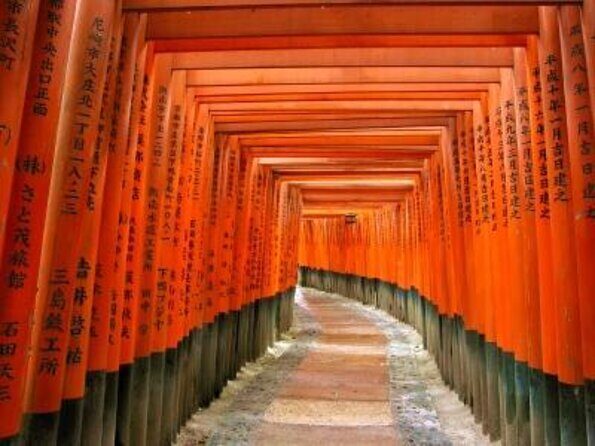
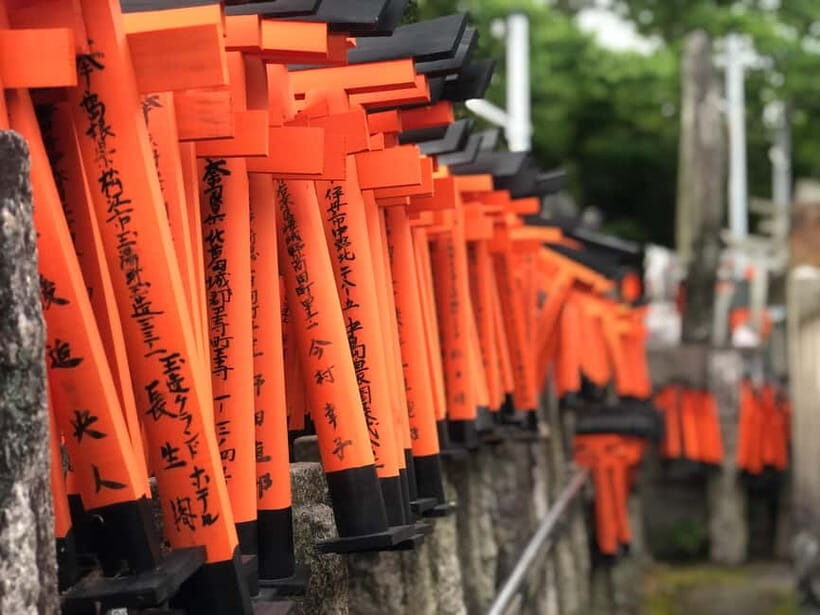
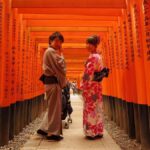
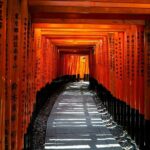
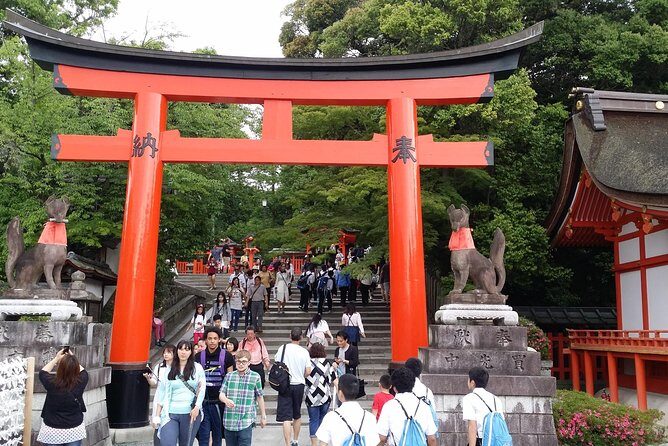
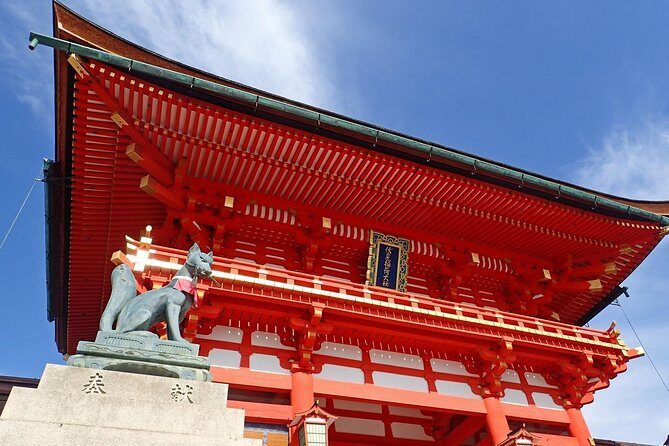
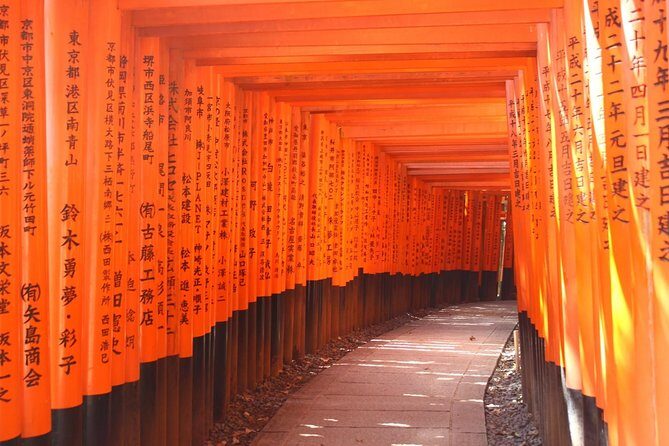
Fushimi Inari is one of Kyoto’s sights that you can’t really fake with a quick photo stop. The magic is the gate corridor itself—thousands of bright red torii that turn a shrine visit into a long, walking “room” you move through. This tour starts at Inari Station at the Fushimi ward side of things, so you begin near the action instead of spending your time navigating.
Your guide leads you through the shrine grounds for about 1 hour 15 minutes, with admission included. The route gives you time to experience the torii gates as a sequence, not just a backdrop. That matters because the view changes as you climb: gates tighten into tunnel-like passages, then open up into broader sight lines higher up. You also get cultural context—why Inari matters, what people do there, and what the setting is trying to communicate.
A few more Kyoto tours and experiences worth a look


What to consider
There’s a steady amount of walking, and parts of the route slope. In hot weather it can feel intense fast, so bring water even though breaks aren’t guaranteed by the itinerary. If someone in your group uses a cane or needs slower pacing, the guide should be willing to accommodate, but you’ll still want to plan for the physical demands of uneven temple steps and hills.
Training Ride to Gion and Hanamikoji Street: atmosphere without the guesswork
After Fushimi Inari, the tour uses included transit to get you to Gion. That’s a big value point: getting from the shrine area to Higashiyama’s nightlife/heritage district can eat up time if you’re doing it on your own—especially if you’re trying to time foot traffic.
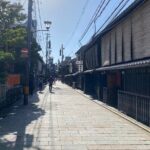
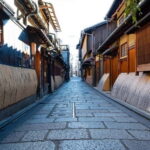
Once you’re in Gion, you get a short but classic orientation stop at Hanamikoji Street. This lane is the “granddaddy” entertainment district vibe, with tea-house streets and references to traditional performance culture. The itinerary also points out the nearby presence of a Kabuki theater, which helps you understand why this neighborhood has always been a place for artists, not just tourists.
The visit here is only about 15 minutes, and that’s the point. You’re not stuck repeating the same photo stops. Instead, you get the feel of the district, pass key landmarks, and move on to quieter, more temple-focused stops.
What to consider
Gion can get busy, and short timing means you should pay attention when the guide points out the best angles. If you want extra time in one shop street or want to linger for a longer look, that’s where a private setup helps. You can ask to adjust the pace, and the guide can usually work with it.
Yasui-Konpiragu: love shrine rituals in a short stop
Next comes a shrine stop that’s popular because it feels personal. Yasui-Konpiragu is known for romantic wishes, plus the slightly dramatic side of relationship trouble—people don’t just ask for comfort, they also come for luck in love and relationship outcomes.
You’ll spend about 15 minutes here, with admission included. The visit includes a specific ritual element linked to strengthening bonds—described as crawling through or around a power-stone-related point in the shrine’s practices. Even if you’re not into rituals, a short stop like this is useful because it gives you a grounded example of how everyday hopes are expressed through shrine culture.
A few more Kyoto tours and experiences worth a look


What to consider
This is a quick stop, so if you want to read every sign closely or watch every ritual sequence, you may not have enough time. Think of it as a focused cultural “snapshot,” then move on while the route stays efficient.
Yasaka Pagoda and Kodai-ji’s calmer gardens
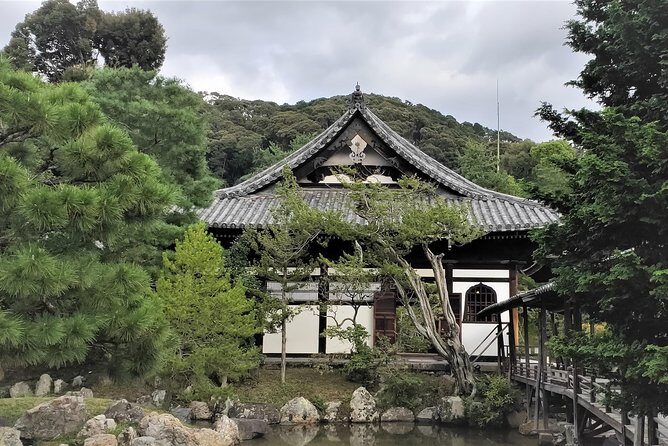
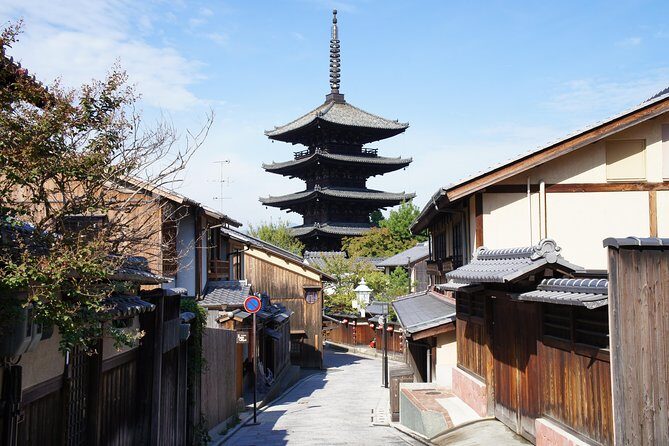
Higashiyama has big-photo moments, and this tour includes one of them: the Yasaka Pagoda. It towers over the district and is part of the visual identity of Eastern Mountain Kyoto, with an age cited as dating back to 1440 AD. You’ll stop briefly for views and context—often the ideal moment is when the street scene opens and you can see the pagoda as the anchor above the pedestrian lanes.
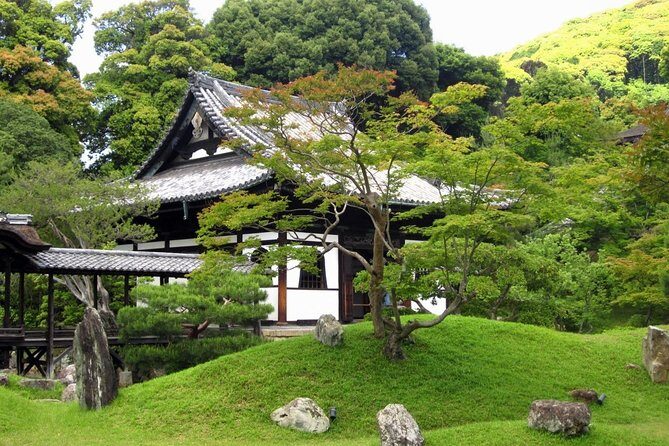
Then you move to Kodai-ji Temple for about 45 minutes with admission included. This stop is a smart contrast after the gate tunnels and the Gion street vibe. Kodai-ji is described as less crowded than some other Kyoto temple must-dos, which changes the experience completely: you can actually slow down, look at garden structure, and feel the difference between “photo rush” and “temple time.”
The tour’s Kodai-ji angle is about letting your brain rest. Even if you’ve been walking since the gates, you’ll get breathing space—time to sit, look at garden lines, and take in temple layout at a slower rhythm.
What to consider
The pace from stop to stop still involves walking hills. If heat is a factor (and it often is in summer), Kodai-ji’s calmer feel can be a lifesaver—so plan to bring a hat, and don’t be shy about asking your guide for a pause if your group needs it.
Sannenzaka and Ninenzaka: old-street lanes toward Kiyomizudera
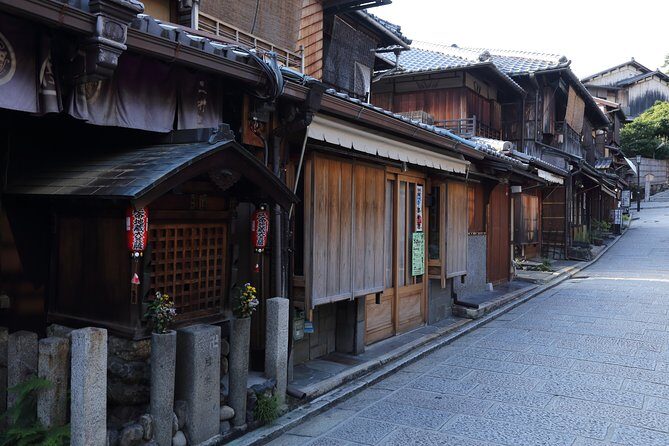
From Kodai-ji, the tour continues into the preserved old-street zone: Sannenzaka and Ninenzaka. These lanes are known for medieval-style townhouses and for the way shopfronts sit right along pedestrian paths. The itinerary notes clear lines of sight, so you get the chance to walk through the “postcard” side of Higashiyama without always having to chase views uphill.
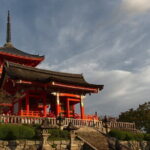
This segment runs about 20 minutes, and it’s free of admission stops. The real value is what it sets up: the lanes lead toward the famous Kiyomizudera area. Even when you’re not paying for entry on this specific route, the street geometry and sight lines help you understand why Kiyomizudera is so visually dominant in this part of Kyoto.
What to consider
This is the part of Kyoto where you can get swept along by crowds. If you’d rather browse shops, buy snacks, or take longer breaks, use the private format to adjust. The tour is designed to be efficient, not to linger everywhere.
Private guiding in practice: what you gain beyond the stops
The biggest difference with this experience is that it isn’t “walk behind a flag.” It’s a private, English-speaking guide who can tailor pacing. That matters in Kyoto because the terrain is real: steps, slopes, and narrow lanes make it hard to maintain a smooth pace without local help.
Your guide is also positioned to make sense of what you’re seeing. For example, when you move from the torii tunnel experience at Fushimi Inari into Gion’s entertainment district lanes, you’re jumping between two different layers of Kyoto identity—religious practice and cultural performance history. A good guide connects those dots so you don’t just collect sights.
Friendly, flexible, and adapted for different needs
From the way guides are described, you can expect a warm style and practical explanations. Guides such as Oisin have been noted for meeting people right at the station and getting the day going with shrine and temple introductions. Ferdinand has been described as knowledgeable and supportive, including when a trainee was present. Duygo/Duygu has been highlighted for clear explanations and friendly attention, including accommodating groups that found steeper hills challenging.
This is where private really pays off. If your group has someone who needs a slower rhythm or more patience for hills, the guide’s job is to keep the experience enjoyable instead of turning it into a test of willpower.
What to pack
I’d treat this as a serious walking day. Wear supportive shoes, bring a hat, and carry water. Even with temple shade, your time starts near Inari and includes multiple uphill stretches, so you’ll feel the day quickly.
Price and value: is $129 per person worth it?
At $129 per person for about 4 hours, the value depends on what you’d do if you were planning solo.
Here’s what you’re effectively paying for:
- Admissions included for the paid stops (not just a “maybe you’ll see a temple” plan)
- Transit included between the key areas, so you’re not spending part of your Kyoto day on logistics
- A private, English-speaking guide who handles context and pacing
- A mobile ticket feature, which reduces the friction of getting started
This is especially good if you want a route that hits Kyoto’s signature east-side story—Fushimi Inari, the Gion atmosphere, and major Higashiyama temple lanes—without building a complicated schedule. The itinerary also keeps you from over-committing: it’s only a few stops, but each has a clear purpose and time block.
It’s also booked fairly in advance, with an average of 40 days. That’s a clue this route fits popular schedules. If you have fixed travel days, you’ll usually do better booking early.
Discounts
The tour notes first child (12 and under) free, with additional children at reduced pricing. That can make it more cost-effective for families than piecing together multiple attraction tickets plus a separate guide.
Who should book this Kyoto private route
This tour makes the most sense if you:
- Want a high-quality highlights route in a short time window
- Prefer a guide-led explanation rather than guessing what you’re looking at
- Plan to visit Higashiyama and want the day structured around geography
It’s also a good fit for people who appreciate slower temple time at Kodai-ji and who like the photo opportunities of Sannenzaka/Ninenzaka without turning it into an all-day grind.
Who might find it tough
The tour is listed for moderate physical fitness. If you’re very sensitive to hills and uneven stone steps, you’ll need to manage expectations and ask the guide for extra pacing. Heat can also amplify the difficulty, which is why starting with water and planning pauses helps.
Should you book this tour?
I’d book it if you want a smooth, guided Higashiyama day that doesn’t make you micromanage transit and small ticket costs. The combination of torii walking, Gion orientation, and temple/garden breathing space is a strong mix for first-time Kyoto visitors, and the private format adds real flexibility.
I’d skip—or modify your expectations—if you want a slow, shopping-heavy wander with zero hills. This route is built for efficient seeing plus cultural context, not for unlimited stopping to browse every street stall.
FAQ
FAQ
How long is this private Kyoto tour?
It’s about 4 hours.
Where does the tour start and end?
It starts at Inari Station (Fukakusa Inarionmaecho, Fushimi Ward, Kyoto) and ends back at the meeting point.
Is this tour private or shared?
This is a private tour/activity, so only your group participates.
What’s included in the price?
The price includes entrance fees to temples and shrines, transit from Fushimi Inari to Gion, and an English-speaking guide (native or equivalent). It also includes a mobile ticket feature.
What is not included?
Food and drinks aren’t included, and taxis are not required (though you may request one).
Is admission to the stops included?
Yes. Admission fees are included for the shrine/temple stops listed on the route.
What level of walking should I expect?
The tour is best for a moderate physical fitness level, with enough walking and some steeper sections that can be challenging in hot weather.
Can I cancel for a full refund?
Yes. Free cancellation is available if you cancel at least 24 hours before the experience start time.
Are any children offered a free option?
The first child (12 and under) is free, and additional children are available at greatly reduced pricing.
If you want, tell me your travel month and whether anyone in your group has mobility limits. I can suggest the best strategy for pacing this route in real-world Kyoto conditions.