Your day starts in comfort.
This private Osaka and Nara outing is built to keep things smooth: hotel pickup, a dedicated vehicle, and an English-speaking guide who helps you move between headline sights without wasting hours figuring out trains. I like that it’s paced for couple-time, with photo stops and breathing room rather than a frantic checklist. One thing to consider: a truly great day depends heavily on the guide assigned, and the reviews show that guide quality can vary.
I’m especially drawn to the mix of sacred and city energy. You’ll get the calm weight of Todai-ji and the photo-friendly wonder of Nara’s deer, then switch gears to Osaka Castle, an aquarium that actually feels like a journey through the ocean, and nighttime neon streets. A possible drawback is that entry tickets aren’t included, so the final bill will be higher than the $455 group price.
If you’re lucky, you’ll get a standout guide. Names that have come up in recent feedback include Noor ul Badar, Musa, Sam, Haider, Nihon, and Mani—and the difference between an informative guide and a driver-only experience is exactly what you should verify before you go.
In This Review
- Key reasons this tour works for couples and first-timers
- Hotel pickup to first deer: the low-stress start that sets the tone
- Nara Park and Kasuga Taisha: where the day turns magical fast
- Todai-ji and the Great Buddha: big scale, quiet payoff
- Osaka Castle and Shitennoji: iconic photos plus a quieter kind of history
- Shinsekai lunch: where the day gets local (and you choose the meal style)
- Kaiyukan Aquarium to Dolphin and Whale watching: a big change of pace
- Umeda Sky Building photo stop: city views without the extra hassle
- Dotonbori and the neon-food finale: Osaka at street level
- Price and logistics: is $455 per group good value?
- Guide quality is the make-or-break detail
- Who this suits best (and who might want a different plan)
- What to bring for a smooth 10 hours
- Should you book this Osaka and Nara private day?
- FAQ
- How long is the Osaka and Nara private tour?
- Where are the pickup and drop-off locations?
- Is this tour private or shared?
- Is an English-speaking guide included?
- Are entry tickets included for temples and attractions?
- What’s included in the price besides the guide and vehicle?
- What food is included for lunch?
- What should I bring?
- What’s the cancellation policy?
Key reasons this tour works for couples and first-timers
- Hotel pickup + private vehicle means no transfers, no crowded buses, no hunting for meeting points mid-day.
- Nara’s deer + UNESCO temples give you big emotional moments without needing specialist knowledge.
- A tailored lunch (either seasonal kaiseki or premium wagyu) lets you steer the day toward food, not fuss.
- Major Osaka stops with real time: Osaka Castle, Shitennoji, Kaiyukan, Umeda Sky Building, Dotonbori.
- Group limit up to 6 keeps the vibe intimate, not tour-bus loud.
- Guide quality matters: several guides have been praised by name, but you should plan to confirm expectations for English explanations.
Hotel pickup to first deer: the low-stress start that sets the tone
This is one of those Japan days where the best part is the beginning. Your tour starts with pickup from your hotel in either Osaka or Kyoto in a comfortable private vehicle. That changes your whole day. You arrive at Nara already relaxed, not sweaty from stations and stairs.
Once you’re on board, your English-speaking guide sets up the flow. You’ll get what to look for, what matters most at each stop, and how to time photo moments and walking breaks. The practical advantage is simple: you don’t just show up—you know where to aim your attention.
A small logistics note that affects value: pickup is free within Osaka, but pickup outside Osaka costs an extra 15,000 yen (including Kyoto, Kobe, and Nara). So if your hotel is outside the Osaka pickup zone, factor that into what you’re truly paying.
A few more Kyoto tours and experiences worth a look
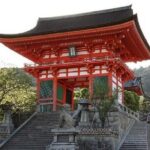
Nara Park and Kasuga Taisha: where the day turns magical fast
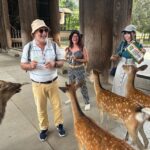
Nara is the spiritual heart of the region, and the tour treats it like it deserves time. You’ll start in Nara Park for about an hour. Expect photo opportunities, guided time, and free time to walk and shop at a gentle pace.
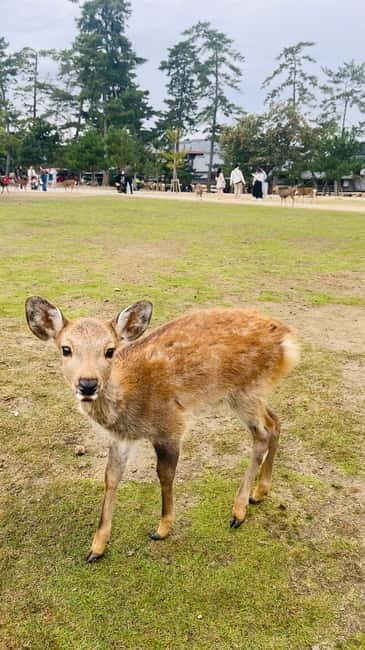
The deer part is obvious, but it’s still worth experiencing the moment. The deer are used to people, and the calm interaction can feel surprisingly intimate—especially if you go early enough to beat the heaviest crowds. Wear comfortable shoes. You’ll be walking, and you’ll likely stop often for photos.
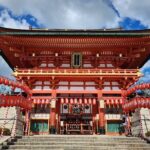
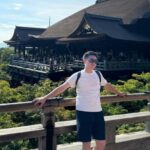
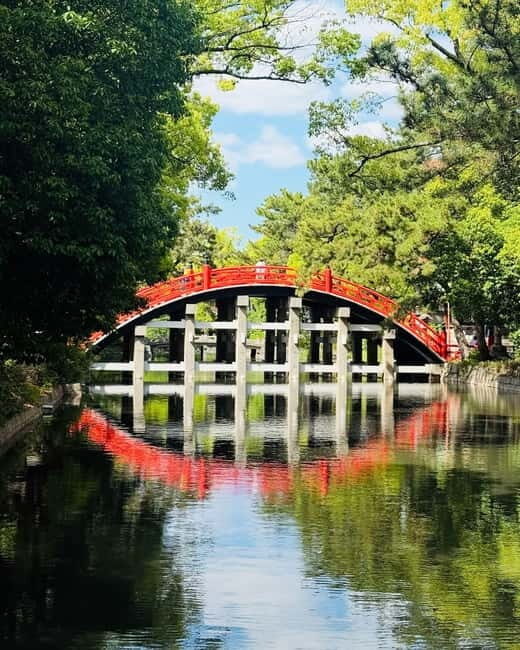
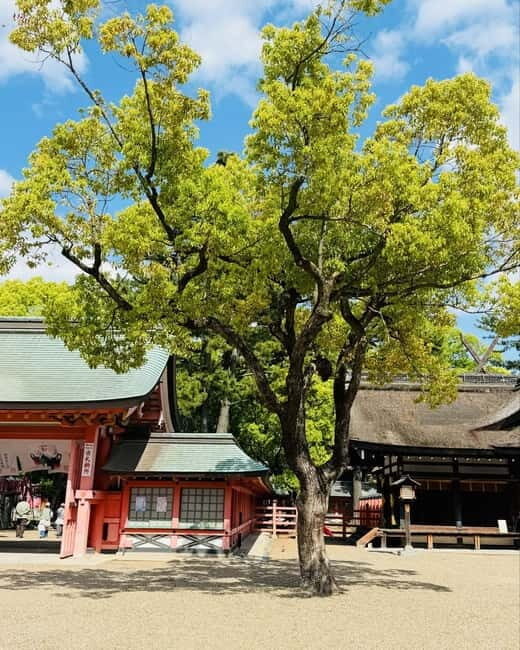
Next, the tour includes UNESCO-area wonder in the Nara portion, including Kasuga Taisha Shrine (listed as one of the UNESCO treasures in the experience). Even without going into a lecture mode, a shrine like this is visually readable: traditional architecture, strong atmosphere, and details you’ll miss if you’re just rushing.
The practical takeaway: this part of the day is where you’ll want to slow down. You’ll get the best memories if you treat it like a stroll, not a race.
Todai-ji and the Great Buddha: big scale, quiet payoff
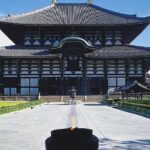
After Nara Park, you head to Todai-ji Temple, with guided time and about an hour on site. This is the destination people usually plan their Nara visit around, and that’s for a reason.
Todai-ji’s main draw is the Great Buddha. The moment you see it, your brain does that thing where it tries to understand scale and fails on purpose. It’s grand, but what I like is the tone. With a guide, you’re not just seeing a famous temple—you’re hearing stories that help you feel why it’s important, and what to notice as you walk through.
A short heads-up: entry tickets are not included. So when you budget, remember that you’ll likely pay separate admission here.
If you’re traveling as a couple, this stop often becomes the emotional anchor of the day. It’s easier to connect when you’re not constantly negotiating train routes and crowds.
Osaka Castle and Shitennoji: iconic photos plus a quieter kind of history
From Nara back toward Osaka, you’ll hit Osaka Castle. You get photo time, guided time, and around 1.5 hours overall. The castle is a magnet for snapshots—especially if you like framing moats, gardens, and that classic Osaka look.
Here’s how to make it worthwhile: don’t treat it like a single viewpoint. The guide helps you time walking loops so you get both “here it is” views and “what surrounds it” views. It’s also a great place to reset your energy before the next temple stop.
Then comes Shitennoji (about 45 minutes). It’s shorter on paper than some of the other stops, but that can work in your favor. After a full Nara morning, this feels like a breather: a structured visit where you can appreciate the temple without being exhausted by nonstop walking.
Again, entry tickets aren’t included, so plan for separate payments.
Shinsekai lunch: where the day gets local (and you choose the meal style)
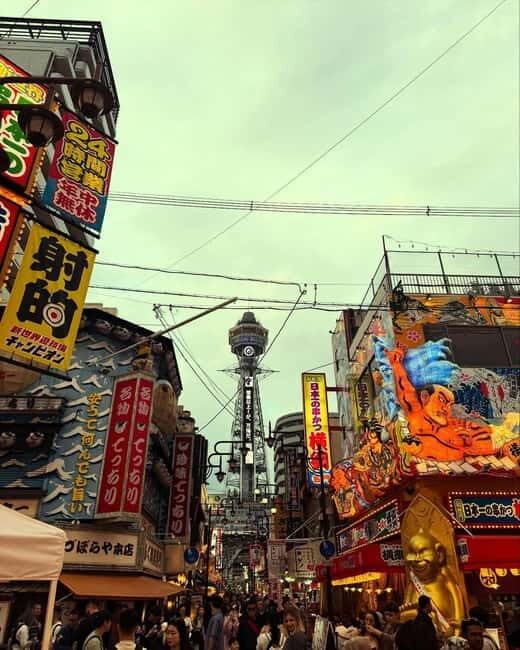
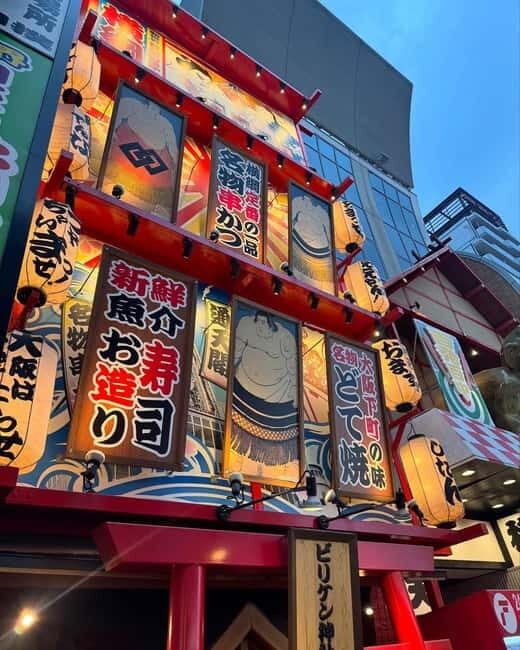
Lunch happens in Shinsekai, with about 1.5 hours allocated. This is one of Osaka’s more nostalgic areas—colorful streets, classic downtown energy, and a vibe that feels more everyday than museum.
What I like about this tour is that lunch isn’t a random stop. It’s described as a Japanese dining experience, tailored to your preference. You can choose between seasonal kaiseki or premium wagyu.
That matters for value. $455 per group up to 6 is not cheap, so the meal choice is one of the ways you actually get something tangible for your money. Kaiseki also supports the “slow day” feeling: courses arrive in a sequence designed for attention, not speed.
Practical note: lunch time also gives you a built-in break from walking. Use it. Recharge water, freshen up, and let the rest of the day feel easier.
Other guided tours in Kyoto


Kaiyukan Aquarium to Dolphin and Whale watching: a big change of pace
After lunch, you’ll go to Osaka Aquarium Kaiyukan. You’ll have around 1.5 hours, with guided or photo time and free time to explore. The itinerary specifically includes dolphin and whale watching.
This is where the tour becomes a little different from many temple-heavy half-days. An aquarium is a guaranteed mood-shifter. Even if you’re not an “aquarium person,” the scale of Kaiyukan is the kind of thing that makes people go quiet for a minute.
If you want this stop to feel worth it, don’t spend the whole time speed-walking. Save energy for the viewing areas tied to animal shows. Ask your guide what timing makes the best sense for your day’s flow, since you’ll be sharing time with other Osaka stops.
Like the temples, entry tickets aren’t included, so budget for aquarium admission.
Umeda Sky Building photo stop: city views without the extra hassle
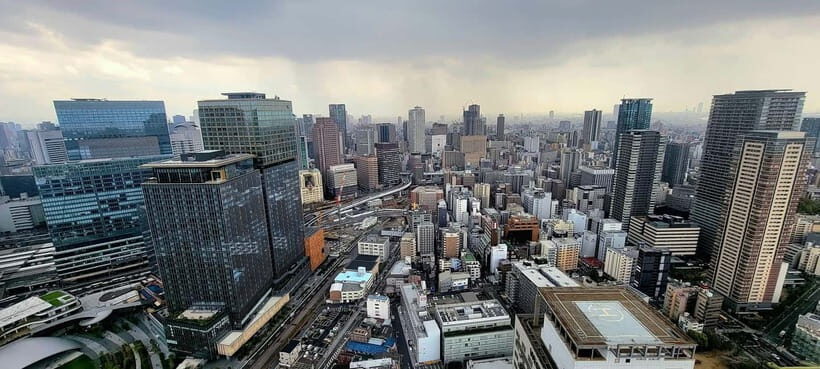
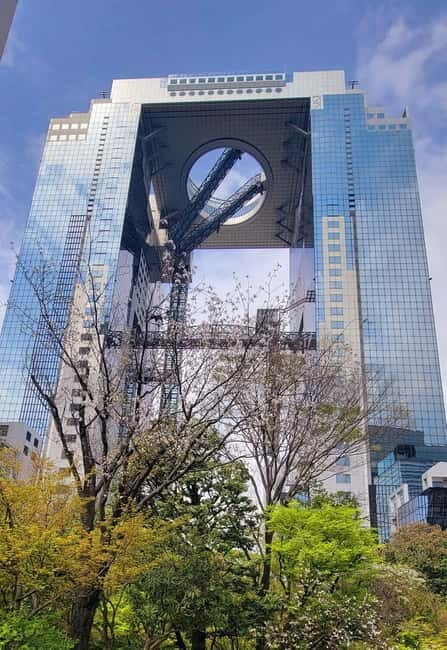
Next is Umeda Sky Building, with a photo stop and about an hour of guided and free time. The appeal here is straightforward: high views over Osaka without you needing to plan. If you like skyline photos, this is your time to get them.
I also like that it’s not forced as a long activity. You get a clear objective—views and photos—then you move on.
Weather matters. If it’s clear, you’ll likely get better city shots. If it’s rainy, you can still enjoy the lighting and glass-and-city feel, but your photo results may vary.
Dotonbori and the neon-food finale: Osaka at street level
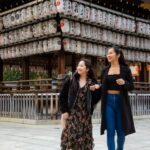
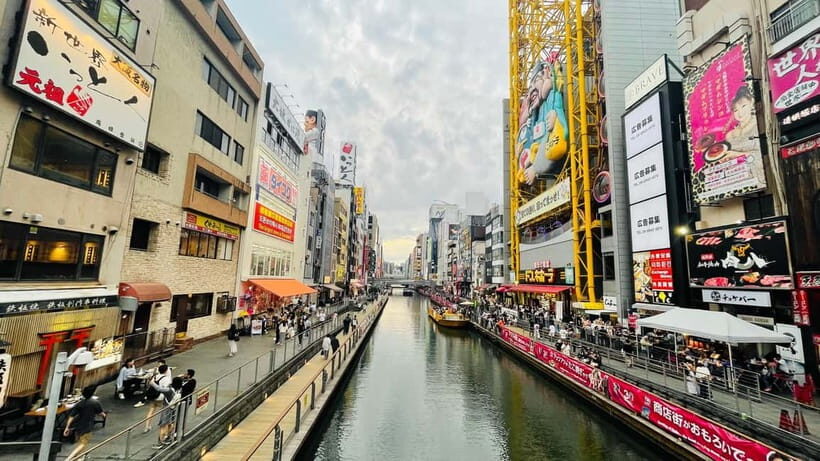
As evening approaches, you’ll head to Dotonbori for about an hour. This is Osaka’s entertainment and food district, known for neon signage, canal views, and the kind of street food that makes you smell trouble from blocks away.
The tour includes guided time, shopping, and sightseeing here. The food suggestions in the experience notes include takoyaki and okonomiyaki, which are easy targets because they’re iconic and widely available.
What makes Dotonbori work on a private day is control. With a guide, you can pick where to pause for the best photos and where to walk when it’s crowded. Without one, it can turn into a slow loop of bumping into other people. Here, you get a more intentional route.
Finally, you’ll return to your hotel with a comfortable drive. The last leg is important because a full 10-hour day can feel like a sprint if you’re doing it on your own. Here, you get to close the day without extra stress.
Price and logistics: is $455 per group good value?
Let’s talk straight value. This tour is priced at $455 per group up to 6, lasting 10 hours. That means you’re paying for time, not just for destinations.
On a private day, the big costs are:
- the private vehicle
- parking and tolls (included)
- a professional English-speaking guide
- pickup and drop-off from Osaka or Kyoto
If you’re traveling as a couple, the per-person cost depends on who’s in your group. With only two of you, it can feel pricey compared with public-transport tours. But the math shifts when:
- you hate transfers,
- you want fewer decision points,
- you want your guide to answer questions in real time,
- you want a calmer pace in temples and city stops.
Also remember what’s not included: entry tickets. That can add a noticeable amount, especially for paid attractions like the aquarium and skyline viewing.
So the value question is: will you use the private structure to reduce hassle and deepen the experience? If yes, this can be a very good spend. If you mainly want photos and don’t care about explanations, a cheaper shared tour might do.
Guide quality is the make-or-break detail
Here’s the honest part. The tour promises an English guide, and several named guides have been praised for exactly that. People reported major positives with guides such as Noor ul Badar, Musa, Sam, Nihon, and Haider, mentioning things like clear explanations, friendliness, patience, and feeling safe and informed.
But I can’t ignore the low scores. At least a few experiences described situations where the person in the vehicle acted more like a driver than a guide, with limited English and little information. In one case, the group cut the day short after about four hours and raised concerns about missing guidance, then struggled with refunds afterward.
I don’t say this to scare you. I say it because you can protect yourself:
- Before you confirm, make sure the description you’re buying explicitly includes interpretive guiding, not only transportation.
- If you have priorities (more temple meaning, less shopping, more time at a specific stop), ask that they’re reflected in the plan.
On a private tour, the guide is the product.
Who this suits best (and who might want a different plan)
This is a strong fit for:
- couples who want a day that feels romantic and unhurried
- first-time visitors who want big-name Osaka and Nara without getting lost
- travelers who value an English-speaking explanation while walking
- families or mobility-aware groups, since the tour is listed as wheelchair accessible and has included care for a guest using a walker (reported in feedback)
It might not be ideal if:
- you’re fine with skipping explanations and just want transportation to sights
- you’re traveling on a very tight budget where entry tickets make a dent
- you’re allergic to any risk of guide mismatch, since quality can vary
What to bring for a smooth 10 hours
This day is mostly walking plus a lot of photos. Bring:
- comfortable shoes
- a camera
- sunscreen
Also, keep a small layer handy. Temple and park shade can make the temperature feel cooler than the city streets.
No smoking in the vehicle is enforced, so plan accordingly.
Should you book this Osaka and Nara private day?
If you want a stress-light full-day structure—hotel pickup, private car, UNESCO temples in Nara, major Osaka landmarks, and an evening that ends with neon streets—this tour makes a lot of sense. The price can feel high until you realize what’s included: guiding, transportation, parking, and tolls, plus a lunch option that isn’t just an afterthought.
My call: book it if guide quality matters to you and you’ll use the private format to avoid hassle. If you prefer a do-it-yourself day, or you only care about standing at famous spots, you may get less value.
If you do book, take two minutes to confirm that you’re getting a true English-speaking guide who provides explanations at each stop. That one step can turn a good day into a great one.
FAQ
How long is the Osaka and Nara private tour?
It runs for 10 hours total, with the pickup and drop-off timed as part of that day.
Where are the pickup and drop-off locations?
Pickup and drop-off are offered in Osaka or Kyoto. If pickup is outside Osaka, there’s an extra 15,000 yen charge.
Is this tour private or shared?
It’s a private group tour for up to 6 people.
Is an English-speaking guide included?
Yes. The tour includes a professional English-speaking guide.
Are entry tickets included for temples and attractions?
No. Entry tickets are not included. You’ll pay admission separately.
What’s included in the price besides the guide and vehicle?
The price includes the private vehicle, parkings, tolls, and the 10-hour tour.
What food is included for lunch?
Lunch includes a Japanese dining experience, with the option for seasonal kaiseki cuisine or premium wagyu beef based on your preference.
What should I bring?
Bring comfortable shoes, a camera, and sunscreen.
What’s the cancellation policy?
You can cancel up to 24 hours in advance for a full refund. There’s also a reserve-and-pay-later option.