Your afternoon starts gently, not at dawn. This private Kyoto walking tour is built around an afternoon start (12:45 pm from Kyoto Station), so you can ease in after travel without burning your morning. You’ll hit three headline sights—Arashiyama Bamboo Grove, Kinkaku-ji (Golden Pavilion), and Fushimi Inari’s torii tunnel—with guides like Mitsue or Noriko helping make the big landmarks feel personal and understandable.
I love the tight focus: no wandering planning. You get a set route to Kyoto’s most famous trio, and a guide handles the navigation and timing so you spend your energy looking up, not checking maps. I also like the photo-friendly approach; guides have been ready to steer you toward better angles when Kyoto is gray, rainy, or cold.
One consideration: the tour price is only part of the day’s cost. Kinkaku-ji admission is ¥500 per person, and public transportation is ¥1,220 per person, so budget for those extras up front.
In This Review
- Key things to know before you go
- A calmer afternoon route through Kyoto icons
- Kyoto Station meeting point: the easiest way to start
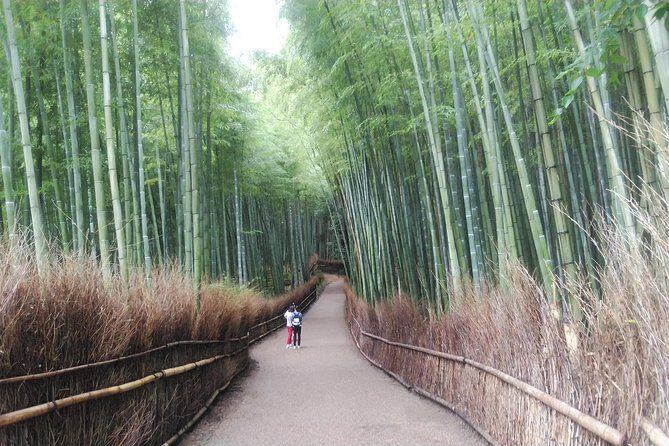
- Stop 1: Arashiyama Bamboo Grove without the guesswork
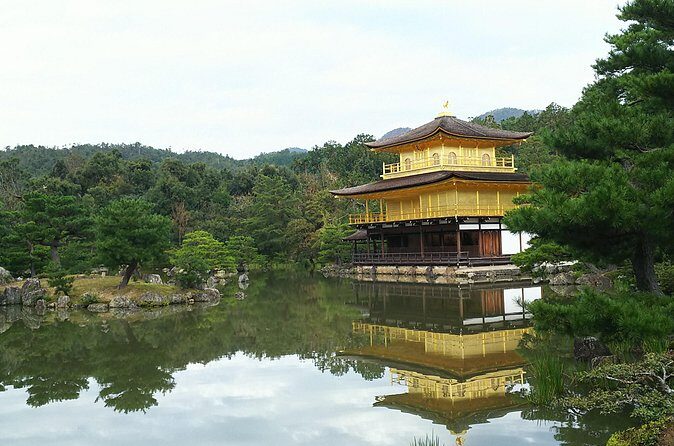
- Stop 2: Kinkaku-ji and the Golden Pavilion (UNESCO stop)
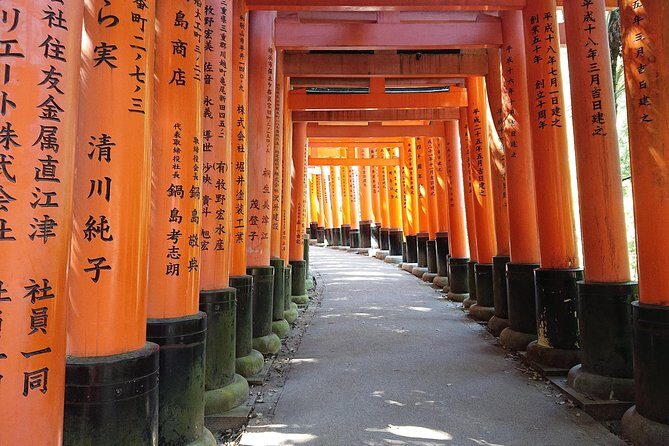
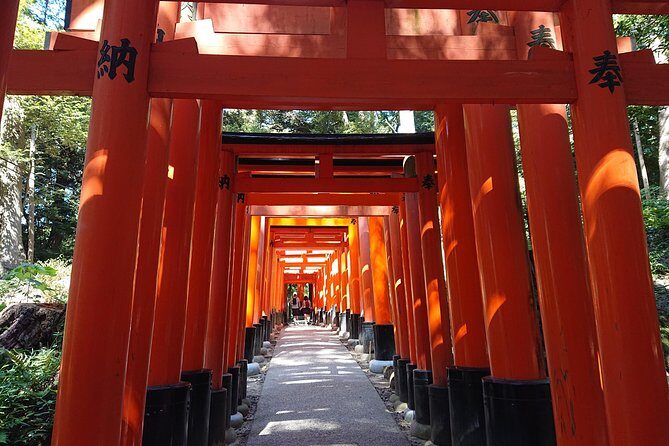
- Stop 3: Fushimi Inari-taisha’s torii tunnel on foot
- Why a private guide is worth it in Kyoto
- Timing and pace: what 5 hours 45 minutes really gives you
- Price and value: $111.05 plus the usual Kyoto add-ons
- Tickets, mobile check-in, and what to pack
- Accessibility and small practical comforts
- Who this tour fits best
- Who might want a different Kyoto plan
- Should you book Kyoto Lazy Bird Walking Tour?
- FAQ
- What time does the Kyoto Lazy Bird Walking Tour start?
- Where does the tour meet, and where does it end?
- How long is the tour?
- Is this tour private?
- Which attractions are included in the itinerary?
- Are tickets and admissions included?
- Is transportation included?
- What happens if the weather is bad?
Key things to know before you go
- Afternoon start at 12:45 pm from Kyoto Station keeps the day realistic for jet lag
- Three must-sees in one loop: Arashiyama Bamboo Grove, Kinkaku-ji, and Fushimi Inari-taisha
- Private guide means you’re not herded and you’re less likely to get lost
- Kinkaku-ji has an extra admission fee (¥500), while Arashiyama and Fushimi Inari are listed as free
- Mobile ticket included for simpler entry/check-in
- Good weather matters; if Kyoto won’t cooperate, you’ll be offered another date or a refund
A calmer afternoon route through Kyoto icons
Kyoto can be intense. Even when everything is gorgeous, the early-morning scramble can feel like work. This tour’s big idea is simple: go later, walk smart, and let a guide connect the dots between the sights so you don’t waste time figuring it out.
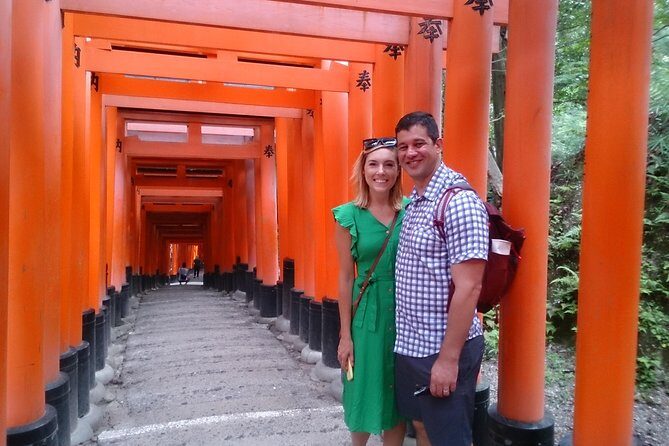
The itinerary keeps your day focused on three heavy hitters. Arashiyama is for bamboo and atmosphere. Kinkaku-ji is for that famous Golden Pavilion look. Fushimi Inari is for walking under thousands of torii gates and feeling how big devotion can be when it’s built into the landscape (and yes, you’ll do plenty of steps).
Other walking tours we've reviewed in Kyoto

Kyoto Station meeting point: the easiest way to start
You meet at Kyoto Station at 12:45 pm, and the tour ends back at the same meeting point. That matters more than it sounds. If you’re new to Kyoto transit, starting and ending at Kyoto Station removes a lot of decision fatigue.
The tour is listed as near public transportation, and it runs as a private tour/activity for only your group. That’s especially useful if you want a slightly slower pace or you’d like questions answered without shouting over other tour groups.
Stop 1: Arashiyama Bamboo Grove without the guesswork
Arashiyama Bamboo Grove is one of those places where the setting does half the work for you. Expect long rows of bamboo, shifting greens, and that soft rustle you only notice when you’re not rushing. The one-hour stop is tight, which is actually a good thing for most visitors—enough time to see the forest’s mood without getting worn out.
Because this part is listed as free admission, you can think of the cost as mostly your time and energy, not extra tickets. Wear shoes that handle uneven or sloped paths, because “walking bamboo” can still mean slippery patches when Kyoto is damp.
A subtle perk: guides can help you time your short wander so you’re not stuck staring at the same crowded cluster of viewpoints. On cold or rainy days, having someone guide the pacing helps you enjoy the atmosphere instead of just enduring the weather.
Stop 2: Kinkaku-ji and the Golden Pavilion (UNESCO stop)
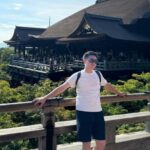
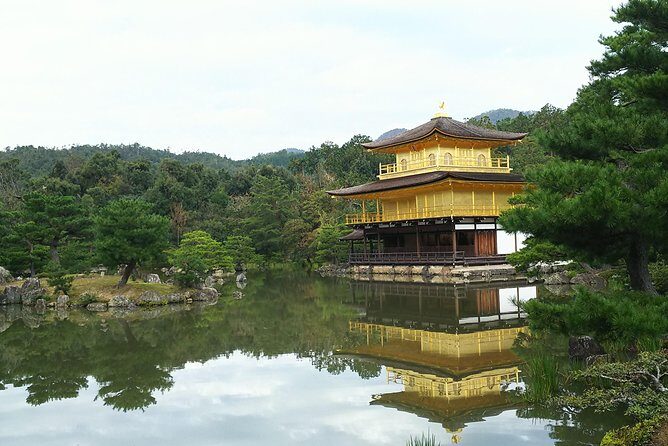
Kinkaku-ji Temple is the UNESCO World Heritage highlight in this program, and it’s famous for a reason. You’ll be visiting the Golden Pavilion, a structure strongly associated with Zen traditions and Samurai-era cultural influence. Even if you’ve seen photos, seeing it in person hits differently because of the way light and reflections bounce around the gold surfaces.
The visit is set for about 1 hour, which is long enough to absorb the main views and take photos without turning it into a museum marathon. Plan for the fact that Kinkaku-ji admission is not included—you’ll need ¥500 per person.
The drawback here is also obvious: Kinkaku-ji is popular. A private guide won’t magically erase crowds, but they can help you move efficiently and focus on what matters most at this stop—where to look, when to step aside for clearer angles, and how to appreciate the temple’s design in the time you have.
Stop 3: Fushimi Inari-taisha’s torii tunnel on foot
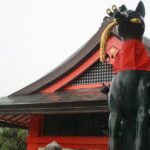
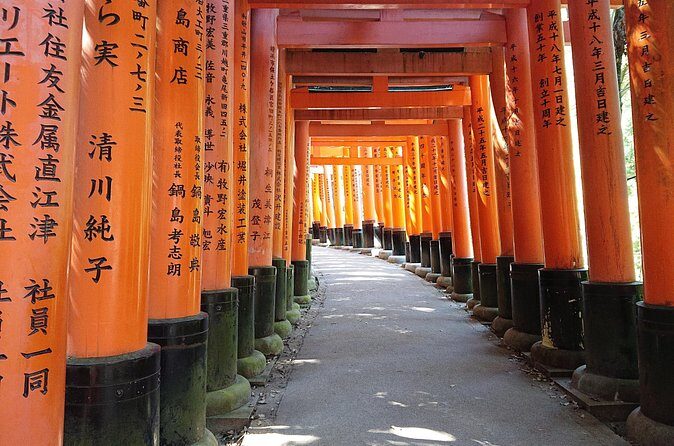
Fushimi Inari-taisha is the Kyoto sight that makes people start taking steps faster, then slow down once they realize what’s happening. The big hook is the tunnel of thousands of vermillion torii gates. It’s dramatic, but it’s also very human: these gates were offered by worshippers as thanks for good fortune connected to the deity enshrined there.
This stop is also listed at about 1 hour, and it’s noted as free admission. That helps balance the day’s cost. You’ll still want energy for the walking, because even with a planned route, the torii lanes encourage you to keep going a bit farther than you expected.
Best practical tip: treat this as a footwear day. The paths can be crowded and uneven. If it’s wet, go slower than you think you need to. One of the strengths of having a guide is knowing when to pause so you’re not rushing through the most memorable part.



Why a private guide is worth it in Kyoto
In a city like Kyoto, the guide isn’t only about facts. It’s about flow. A private guide helps you avoid the classic trap: spending half your time solving logistics and then rushing the sights at the end. Here, navigation is handled, and you’re guided through a predetermined itinerary.
You also get a more personal style of interpretation. From what I see in the guide names used for this experience—Mitsue, Noriko, Cheia, Keiko, Nick (alias Satoshi Nonake), Saori, and Michiko—this tour seems to attract guides who enjoy explaining both cultural context and practical on-the-ground choices. One guide, Nick (alias Satoshi Nonake), is mentioned as using WhatsApp for pre-tour coordination, which is a nice real-world touch if you’ve ever shown up at a station and wondered where everyone went.
If you’re traveling with anyone who needs a slightly adjusted pace, this format can help. One of the guides on the roster, Michiko, is noted as being flexible for the challenges of traveling with a young child—exactly the kind of situation where a standard group tour can feel stressful.
Timing and pace: what 5 hours 45 minutes really gives you
The tour runs about 5 hours 45 minutes. With three stops and transit time, that means you’ll have short, focused visits rather than long wandering sessions. Think of it as a “best-of” sampling with enough time to feel the atmosphere at each place.
The afternoon start is the pace’s biggest advantage. You’re not forced into an early-morning schedule. You can eat, catch your breath, and then still see Kyoto’s most famous sights in one outing.
And yes, it’s still walking. Even with “lazy bird” in the name, you’ll want comfortable shoes. You’ll be outside and moving, and the tour includes several key landmark areas that naturally involve steps and gentle hills.
Price and value: $111.05 plus the usual Kyoto add-ons
The tour price is $111.05 per person, and it includes the guide fare. That’s the core value: you’re paying for coordination, interpretation, and a set plan through Kyoto’s top sites.
Not included are the common extras you’ll run into anywhere you go:
- Public transportation fare: ¥1,220 per person
- Kinkaku-ji admission: ¥500 per person
- Food & drink (not included)
So what’s the value here? You’re getting three landmark visits—two of them listed as free admission (Arashiyama Bamboo Grove and Fushimi Inari)—plus a UNESCO stop, all in a private format. For many people, that combination beats spending a full day DIYing and still needing to pay for tickets and getting stuck in transit confusion.
If you’re traveling with a group, group discounts are mentioned, which can make the math even nicer.
Tickets, mobile check-in, and what to pack
A mobile ticket is included. That’s great when you don’t want to hunt for paper confirmations on your phone’s low-battery day.
For your personal comfort, the tour specifically recommends comfortable clothes and shoes for walking. I’d add one more practical layer: plan for changing weather. Kyoto can shift fast, and this experience is listed as requiring good weather.
If the weather is rough and the tour gets canceled, you’ll be offered a different date or a full refund. That flexibility matters when you’re planning a short Kyoto stay and weather can mess with everyone’s schedules.
Accessibility and small practical comforts
This tour is listed as accessible for people with limited eye sight and limited mobility. It’s also mentioned that animals or pets are allowed.
That doesn’t mean it’s a no-worry, door-to-door ride. You’ll still be walking and moving between sights. But it does suggest the company takes accessibility seriously enough to flag it up front—always a good sign when you’re booking.
Who this tour fits best
This is a strong match if you:
- want an afternoon start instead of a dawn departure
- prefer a private guide rather than a busy group shuffle
- want Kyoto’s top three icons in one planned outing
- don’t want to spend your limited sightseeing time figuring out transit and routes
It’s also a good option if you like structure but still want room for questions. The tour’s design is about saving you time researching, then giving you a guided experience at each stop.
Who might want a different Kyoto plan
This tour may not be ideal if you:
- want maximum free time to wander far beyond a specific route
- are hoping for early morning crowd control at Fushimi Inari or Arashiyama (this one starts later)
- have a very tight budget that can’t absorb the extra ¥1,220 transport and ¥500 admission
Should you book Kyoto Lazy Bird Walking Tour?
I’d book it if you want a smooth, well-paced afternoon that hits the big names—Arashiyama bamboo, Kinkaku-ji’s Golden Pavilion, and Fushimi Inari’s torii tunnel—without the “where do we go next?” stress. The private guide format is the real differentiator, and the afternoon timing is a smart choice for people who don’t want to treat Kyoto like a military schedule.
If you’re okay paying a bit extra on top of the tour price for tickets and transit (and you’re planning for weather), this one is a very practical way to get your Kyoto highlights done in a single outing.
FAQ
What time does the Kyoto Lazy Bird Walking Tour start?
It starts at 12:45 pm and meets at Kyoto Station.
Where does the tour meet, and where does it end?
You meet at Kyoto Station, Kyoto, Japan. The tour ends back at the same meeting point.
How long is the tour?
The tour lasts about 5 hours 45 minutes.
Is this tour private?
Yes. It’s described as a private tour/activity, so only your group participates.
Which attractions are included in the itinerary?
The tour visits Arashiyama Bamboo Grove, Kinkaku-ji Temple, and Fushimi Inari-taisha Shrine.
Are tickets and admissions included?
A guide fare is included, but Kinkaku-ji Temple admission is not included (¥500 per person). Arashiyama Bamboo Grove and Fushimi Inari-taisha Shrine are listed with free admission.
Is transportation included?
No. Public transportation fare is ¥1,220 per person and is not included.
What happens if the weather is bad?
The experience requires good weather. If canceled due to poor weather, you’ll be offered a different date or a full refund.