Heaven’s Bridge looks fake, but it isn’t. This 10-hour day trip strings together seaside drama and a working fishing town, starting on the sandbar of Amanohashidate and ending in Ine’s waterfront. I love the long views from the pine-covered shoreline and white beaches, and I also love the stroll through Ine’s funaya boat houses before you head out on the bay cruise to feed seagulls. One watch-out: entry tickets and food aren’t included, so you’ll want a small cash buffer for on-the-spot purchases.
The schedule is built for comfort: a bus pickup in Osaka, a direct drive, and timed stops that mix photo moments with walking. Your guide will be in the mix throughout (English and Japanese), and the tone stays practical—great if you want a smooth day more than a deep, lecture-style tour.
Because it’s a road trip, weather and traffic matter. When demand is high (or the day is rainy), expect the day to run a bit slower, so don’t plan anything tight right after you get back to Osaka.
In This Review
- Key highlights you’ll feel right away
- Why Amanohashidate and Ine make a smart 10-hour plan from Osaka
- Price and Logistics: transfers, timing, and what to do with your money
- Amanohashidate: Heaven’s Bridge sandbar, pine trees, and beach-white scenery
- Chion-ji Temple: a wisdom stop tied to Manjushri and study blessings
- Kyoto Prefecture stop: quick change of scenery and time to reset
- Ine’s funaya waterfront: boat houses you can stroll and photograph
- The bay cruise and feeding seagulls: optional fun with a real sense of place
- Food, tickets, and packing for comfort (so the day doesn’t get stressful)
- Guide quality and how the day is explained in real life
- Who this Kyoto: Amanohashidate Ine Funaya Tour is best for
- Should you book this Amanohashidate and Ine day trip?
- FAQ
- How long is the Kyoto: Amanohashidate Ine Funaya Tour?
- Where does the tour start and where do you drop off?
- Is food included in the tour price?
- Are entry tickets included?
- What are the main sights on the itinerary?
- Will the guide speak English?
- Can I cancel and get a refund?
- Is luggage allowed on the bus?
Key highlights you’ll feel right away

- Heaven’s Bridge photo stop across Miyazu Bay, with pine trees, white sand, and big sea views
- Chion-ji Temple at Manjushri: a study-focused stop tied to wisdom and exam blessings
- Ine funaya waterfront: boat-house scenery you’ll want to photograph from multiple angles
- Optional bay cruise with seagulls (and eagles on some rides) plus time to shop nearby
- Round-trip bus transfer from Osaka with a guide keeping the day moving
Why Amanohashidate and Ine make a smart 10-hour plan from Osaka

If you’ve got limited time in the Kansai region, this route is a good use of it. In one long day you see three different kinds of Japanese “wow”: coastal scenery (Amanohashidate), temple atmosphere (Chion-ji), and everyday seaside life (Ine).
What makes it work is the mix of pace. Amanohashidate gives you wide-open views and photos, Chion-ji slows you down just enough to reset, and Ine offers a town you can actually wander—shops, viewpoints, and the distinctive boat houses along the water. By the time you’re on the bus back to Osaka, you won’t feel like you just followed a checklist. You’ll feel like you got a real slice of coastal Japan.
One more practical point: this is exactly the kind of day trip that’s harder to recreate cleanly by public transport in a single day. The bus handles the heavy lifting, so you can focus on getting your shots and enjoying the stops.
If you're still narrowing it down, here are other tours in Kyoto we've reviewed.
Price and Logistics: transfers, timing, and what to do with your money

This tour runs about 10 hours and costs $76 per person. That price mainly pays for the round-trip transport and a live guide—not for food or entry fees.
Here’s how to protect your day from surprises:
- Entry tickets and food aren’t included. Plan snacks and bring cash for smaller purchases. One participant had a tough moment because an extra needed payment, and card options weren’t available when they needed it most.
- Luggage allowance is limited. You can bring one piece of luggage for free, and extra bags larger than 20 inches cost about $16 USD. If you’re traveling light, keep it simple—one checked bag max.
- You’ll get an email the day before with pickup details, guide contact info, and the bus plate number. Don’t skip it. That email is your key to finding the right bus on time.
- Schedule changes can happen. Traffic, weather, holidays, and crowds can shift timing, and refunds aren’t requested for those uncontrollable factors. So keep your evening plans flexible.
Drop-off locations match the start options: Nippombashi Station or Kyoto-Hachijoguchi Bus Loading Area. That matters because it affects how easily you can connect back to trains or where you’re staying.
From the moment you board, it’s a straightforward ride: pickup in Osaka, then the bus moves toward Amanohashidate. A typical in-bus stretch is around 2.5 hours, which is long enough that you’ll appreciate the included transportation rather than trying to stitch routes together yourself.
Amanohashidate: Heaven’s Bridge sandbar, pine trees, and beach-white scenery

Amanohashidate is the headline, and the tour gives it the attention you’d hope for. You’ll arrive for a photo stop, visit, guided tour, and free time, with about 2 hours allocated here for sightseeing and walking.
What you’re seeing is a sandbar that links both sides of Miyazu Bay—the name often translates like Bridge to Heaven. The effect is visual and immediate: the sandbar slices across the water, the shoreline has long stretches of white sand, and the pine trees create that iconic “Japanese coastal postcard” look.
Here’s what I’d focus on when you’re there:
- Walk and change your viewpoint. The best views come from slightly different angles. Even if you stay in the same area, the framing shifts.
- Look beyond the sandbar. The sea view includes the Aso Sea area and the Sea of Japan, so you get depth instead of a flat scene.
- Use the time for photos early. If crowds build (and they often do), you’ll want to shoot first, then slow down for your walk.
You’ll also get a guided explanation during this time, but keep your expectations realistic. If you want heavy, lesson-style history, you might find the on-site storytelling more practical than academic. Still, it’s enough to understand why the place is famous and what to pay attention to while you’re looking.
Also: rain doesn’t ruin this stop, but it can change the feel. Wet sand looks different, and the light can be lower—so if the weather is gray, do your photos, then enjoy the quieter pacing.
Chion-ji Temple: a wisdom stop tied to Manjushri and study blessings

After the coastline, the day turns calmer. You’ll head to Chion-ji Temple, located toward the south end of the Amanohashidate sandbar area. This is a shorter stop—about 30 minutes—but it’s purposeful: guided tour plus a walk for sightseeing.
The big connection here is Manjushri, the Buddhist god of wisdom. This is the kind of temple visit that feels more like a mental reset than a rushed photo break. The guide’s explanation covers why students come to this place for blessings connected to studies and success.
What you can look for on-site:
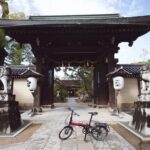
- The ancient gate on the way in (a strong visual moment, even if you’re only there briefly)
- A fan-shaped signed poem that symbolizes progress and improvement
Because the time is short, I recommend you decide what you care about most before you enter—views and photos near the entrance, or the prayer and blessing atmosphere deeper in. With only half an hour, you can’t do everything perfectly, but you can have a good, respectful visit by choosing a main focus.
If you’re the type who likes temples for their atmosphere, you’ll appreciate this. If you’re after long explanations and layered historical detail, this stop won’t fully satisfy that craving—but it does add meaning to the day, and that’s valuable.
Kyoto Prefecture stop: quick change of scenery and time to reset

You’ll have another photo stop + guided tour + sightseeing walk around Kyoto Prefecture (about 1 hour). The tour description doesn’t get specific about the exact site name here, but the structure tells you the purpose: break up the driving time, offer a bit more scenery, and give you a stretch break before the longer walk in Ine.
This part of the day is less about a single “signature monument” and more about pacing. If you get motion-sick easily, use this hour to stand, drink water, and give your eyes a break from the bus window.
Also, because you’re still in the morning half of the schedule, this is a good moment to plan your energy. You’ll want to arrive in Ine ready to wander and browse, not dragging.

Ine’s funaya waterfront: boat houses you can stroll and photograph

Then comes the most charming shift in mood. You’ll reach Ine, a fishing town famous for its boat houses lined along the waterfront. This is the place where the coastline becomes personal—you’re not just looking at nature, you’re looking at how people live with the water.
The tour includes time to check out the waterfront and see the boat houses. You’ll have a chance to take in the scenery, walk around the town, and browse the shops and restaurants.
Two practical tips for making Ine feel worth your time:
- Slow down at the water’s edge. The boat houses look good from the road, but they often look different when you move along the shoreline.
- Use some of the walk for browsing, not only photos. If you like small souvenirs, Ine’s shops can be an easy win because you’re already in “walk mode.”
One downside to be aware of: the town stop can feel a touch time-pressured compared with how long it takes to properly wander. If Ine is your top priority, prioritize the waterfront first, then decide how much shopping you really want. You can always grab a snack, but rushing the walk means you’ll miss the best angles.
The bay cruise and feeding seagulls: optional fun with a real sense of place

Ine is also where the tour adds a fun activity option: a boat ride around the bay. The tour doesn’t include tickets, so you’ll pay for it if you choose to go.
The highlight is the chance to feed seagulls from the boat as you cruise the water. One itinerary variation can also include the experience of eagles and gulls (the kind of sighting that makes the ride feel like more than just transportation).
This is the activity that turns the scenery into motion. Even if you’re not a “boat person,” the bay cruise gives you a different perspective on the waterfront boat houses and the water area around Ine.
How to think about it:
- If you love wildlife moments and don’t mind crowds on a boat, this is a strong add-on.
- If you prefer land-based wandering and you want to spend all your time in town, you might skip it and put that energy into shopping and viewpoints.
Either way, make sure you’re ready for a bit of unpredictability. The weather at sea can change fast, and timing sometimes shifts because the day is driven by roads and schedules.
Food, tickets, and packing for comfort (so the day doesn’t get stressful)
This tour is mostly sightseeing and walking, with transport connecting the pieces. Since food and drinks aren’t included, your main job is to keep your energy stable.
Here’s what helps:
- Bring a snack plan. If you rely on finding food exactly when you need it, you could run into payment issues or limited options at the wrong moment. Cash is useful.
- Dress for wind and sea air. Coastal Japan can feel cooler than you expect, especially if it’s overcast. A light layer helps.
- Have comfortable shoes. You’ll do walking at Amanohashidate, at Chion-ji, and around Ine.
- Expect a full day. Even when stops are well paced, your feet will still notice. If you don’t want to feel rushed at Ine, shoes matter.
Entry tickets are not included, so bring money for temples or any on-site fees that come up. If you’re planning to shop, keep a little extra budget since the town stop is built for browsing.
Guide quality and how the day is explained in real life

A big part of the value here is that you’re not spending your day alone with a map. You have a live guide throughout the key segments.
Guide styles can vary. Some people loved how guides like Jay handled the flow—quick help, good responsiveness, and staying on top of questions. Others highlighted Fred for clear explanation and a lively attitude, which is great when you’re trying to follow a schedule while moving between sights.
Still, there’s one caution worth mentioning: if you’re hoping for deep historical storytelling at every stop, you might find the explanations more practical and shorter than you want. That doesn’t mean the guide is bad—it just means you should treat it as an efficient way to see places, not a university lecture.
If English is your chosen language, double-check that you feel comfortable following spoken guidance. One person found it harder to understand the English delivery, so if you’re sensitive to audio nuances, this is a factor.
Who this Kyoto: Amanohashidate Ine Funaya Tour is best for
This tour tends to click if you want:
- A one-day coastal escape with iconic views and a real town you can walk
- A low-stress logistics day from Osaka, with transportation handled
- A good blend of scenery + temple atmosphere + shopping time
It may feel less ideal if you:
- Want long, detailed historical lectures at each stop
- Are sensitive to payment surprises (because entry fees and food are not included)
- Prefer to travel slowly without a set timetable
If you’re traveling as a couple, this works well because everyone can take turns photographing while the other enjoys the view and walking. Solo travelers also benefit from the structure; you get built-in stops and guidance without needing to master transit connections.
Should you book this Amanohashidate and Ine day trip?
Book it if Amanohashidate’s Heaven’s Bridge and Ine’s boat-house waterfront are on your must-see list, and you want to cover both with minimal hassle from Osaka. At $76 for a guided, full-day route, the value is mainly in transportation + a structured day that fits into one long block.
Hold off (or book with expectations) if you’re the type who needs deep historical context and lots of time at each site. The temple stop is short, and the town walk can feel timed. In that case, you might still enjoy it—but you’ll want to read up before you go and focus on what you care about most while you’re there.
Most of all: if you book, plan for extra spending on food, drinks, and any entry fees, and consider bringing cash. That one habit keeps the day smooth.
FAQ
How long is the Kyoto: Amanohashidate Ine Funaya Tour?
The tour duration is listed as 10 hours.
Where does the tour start and where do you drop off?
There are two starting options and two drop-off locations: Nippombashi Station and Kyoto-Hachijoguchi Bus Loading Area.
Is food included in the tour price?
No. Food and drinks are not included.
Are entry tickets included?
No. Entry tickets are not included.
What are the main sights on the itinerary?
You’ll visit Amanohashidate (Heaven’s Bridge), Chion-ji Temple, and Ine, with time for shopping and an optional bay cruise around the waterfront.
Will the guide speak English?
Yes. The tour guide is available in English and Japanese.
Can I cancel and get a refund?
Yes. It offers free cancellation with a full refund if you cancel up to 4 days in advance.
Is luggage allowed on the bus?
Yes. Each person can bring one piece of luggage for free, and additional luggage larger than 20 inches costs 16 USD.