A kimono changes how you move. This Kyoto 1-day rental with Komon kimono and styling is set up to feel like a real cultural stop in Gion, not a quick costume photo. The shop’s flow is built around choosing your outfit, getting dressed, doing standard hairstyling, and then sending you out with the right shoes and accessories.
I especially love how the kimono selection is described as wide, with staff helping you find the right fit. I also like that the included set covers the basics most places forget, like tabi socks and sandals, plus a hair finish that looks properly styled. One consideration: the shop runs with just one main person managing everything, so you may have a small wait during busy times.
In This Review
- Key Things That Make MomoKa Kimono Rental Worth Your Time
- Stepping Into Kyoto in a Real Komon, Not a Costume
- Finding MomoKa Kimono Rental in Gion and What Happens First
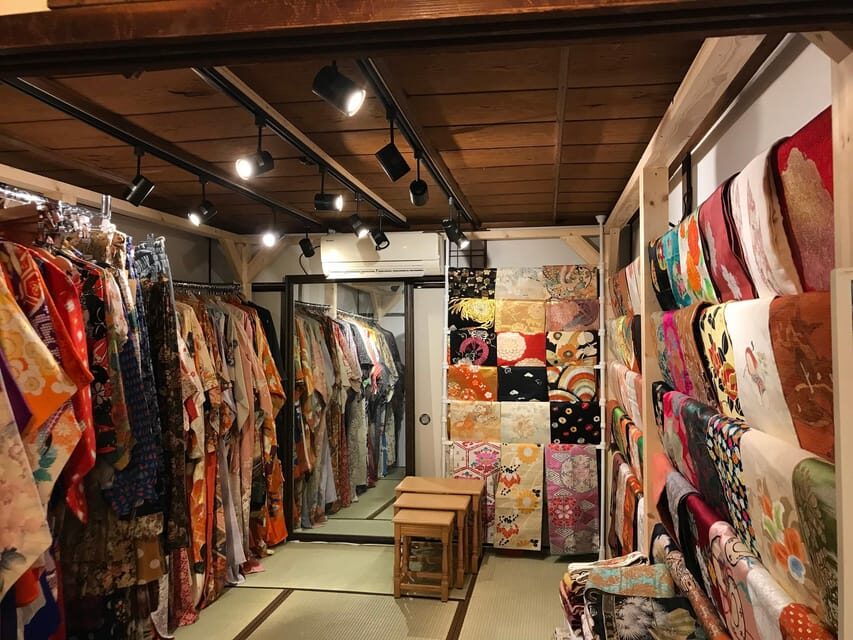
- Choosing Your Kimono: Komon Options, Fit Limits, and What You Can Count On
- The Real Work: Dressing and Hairstyling Without Taking Over Your Whole Day
- Walking Around in Kimono: Shoes, Steps, and a Smarter Sight Plan
- When Photography and Makeup Matter (And When They Don’t)
- Value for Money: What $3.55 Means for a Traditional Dressing Session
- Timing Rules That Will Actually Affect Your Day
- What to Expect About Safety, Damage, and Insurance Options
- Who This Kimono Rental Fits Best (And Who Should Skip It)
- Should You Book MomoKa Kimono Rental in Kyoto?
- FAQ
- Where is the meeting point?
- How long does the kimono-to-hair process take?
- What time do I need to return the clothing?
- What happens if I’m late?
- Is hairstyling included?
- What accessories are included with the basic kimono plan?
- Is photography included automatically?
- Do I need to book makeup or photography in advance?
- Can I store luggage at the shop?
- Are kimonos allowed during pregnancy?
Key Things That Make MomoKa Kimono Rental Worth Your Time
- Gion location: You can plan your walking time around nearby streets and a nearby shrine.
- Standard hairstyling included: Not just a quick bun, but full hair styling as part of the basic experience.
- A lot is included: Kimono, semi-wide belt, small bag, tabi socks, sandals.
- A tight return clock: You must be back by 17:00 or your reservation becomes invalid.
- Photography and makeup need advance booking: At least one week ahead for the photographer or makeup artist.
Stepping Into Kyoto in a Real Komon, Not a Costume
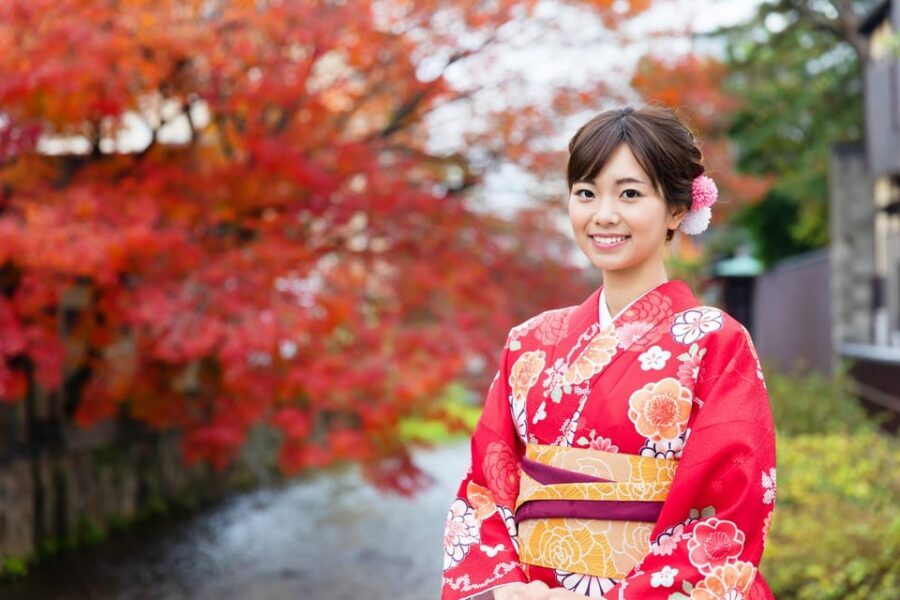
Kyoto is already photogenic. A kimono rental changes the angle of your day. Instead of rushing to check sights off a list, you get a reason to slow down and look at the street scene around you: wooden facades, lanterns, narrow lanes, and temple gates. And because you’re dressed in traditional wear, your route naturally becomes more respectful and intentional.
This experience is built around a Basic Komon kimono rental plus the accessories you need to wear it correctly. The included items matter because they control the look and comfort level. The semi-wide belt (obi), small bag, tabi socks, and sandals work as one system, so you aren’t stuck improvising footwear or borrowing anything at the last second.
The other big reason I’d consider this type of rental in Kyoto is the timing. You’re not paying for an all-day guided tour where you’re forced into a schedule. You’re paying for a careful dressing session and a practical time window to explore while you’re in your kimono.
A few more Kyoto tours and experiences worth a look
Finding MomoKa Kimono Rental in Gion and What Happens First
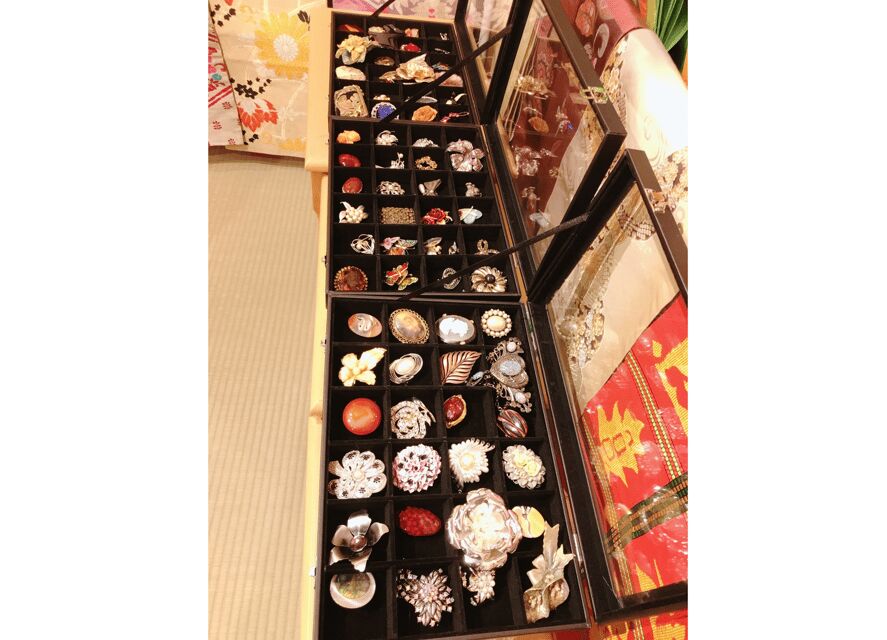
Your day starts at MomoKa Kimono Rental. The meeting point coordinates are 35.0013103, 135.7765112. In Gion, that usually means you’re close enough to do a satisfying walk without turning your kimono into a stamina test.
Once you arrive, the staff runs a clear sequence:
- Arrival and reception
- Selection of kimono
- Dressing in kimono
- Hair styling
- Completion (they handle your luggage)
- Return and changing out by 17:00
This “step-by-step” structure is a real benefit for first-timers. Kimono dressing can sound mysterious until you see the process laid out. And staff members named Yamamoto and Yamakita show up in guest comments as helpful and attentive, including support with fit and suggestions.
One practical note: one person managing everything means you should expect a slight wait, especially if the schedule is full. That’s not a deal-breaker, but it’s why your planning should stay flexible.
Choosing Your Kimono: Komon Options, Fit Limits, and What You Can Count On
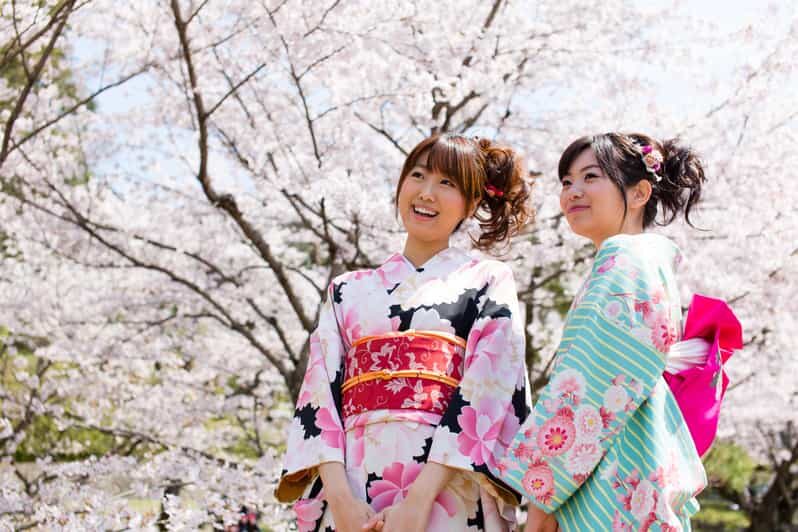
The rental is centered on a basic Komon kimono plan. “Komon” is the everyday elegance category: patterned, wearable, and generally easier to style for a day outing than more formal looks.
Here’s what you should know before you book, because fit limits can change your options:
- If your hip size exceeds 130 cm, adult kimono selection may be limited.
- Children’s kimonos are available for kids over 70 cm in height, and they’re for children 12 and under.
- People over 220 lbs (100 kg) aren’t suitable for this activity.
Shoes are also something to think about. Even when the sandals are included, your ability to walk comfortably depends on your foot size and balance. Guests mention that plus-size shoe options might be fewer, and that kimono footwear is difficult to walk in compared to normal sneakers.
Still, the upside is that staff is described as patient with choosing and adjusting, including arranging a kimono for a friend with a larger hip size within the limits. That’s exactly what you want: support that keeps you from feeling stuck in the wrong size.
The Real Work: Dressing and Hairstyling Without Taking Over Your Whole Day
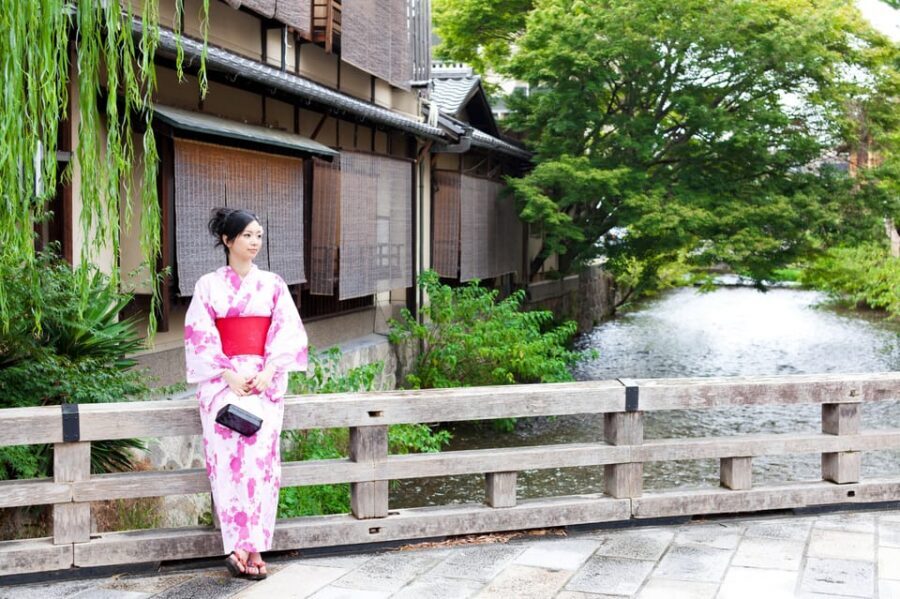
From kimono selection to hair styling, the shop says the process takes about 45 minutes. That’s a useful benchmark because it tells you this isn’t a slow ritual with no structure. You’ll likely be ready faster than you expect, assuming your appointment runs on time.
Hair styling is included in the plan as standard hairstyling. In practice, that’s the part most people care about once they see photos. The goal isn’t just “hair is up.” It’s a clean, proper kimono look. In guest comments, the hairstyling is described as elaborate and faster than imagined, with some people getting ready around the 38-minute mark.
What I like about including hairstyling (instead of leaving you to DIY) is that it reduces one of the biggest first-time risks: doing everything right up to the moment you leave, then having your hair look off for the rest of the day. When hair matches the kimono style, the whole look feels intentional.
A small, practical perk: they take care of your luggage during the session. That lets you focus on the styling rather than juggling bags and coats while you’re mid-dressing.
Walking Around in Kimono: Shoes, Steps, and a Smarter Sight Plan
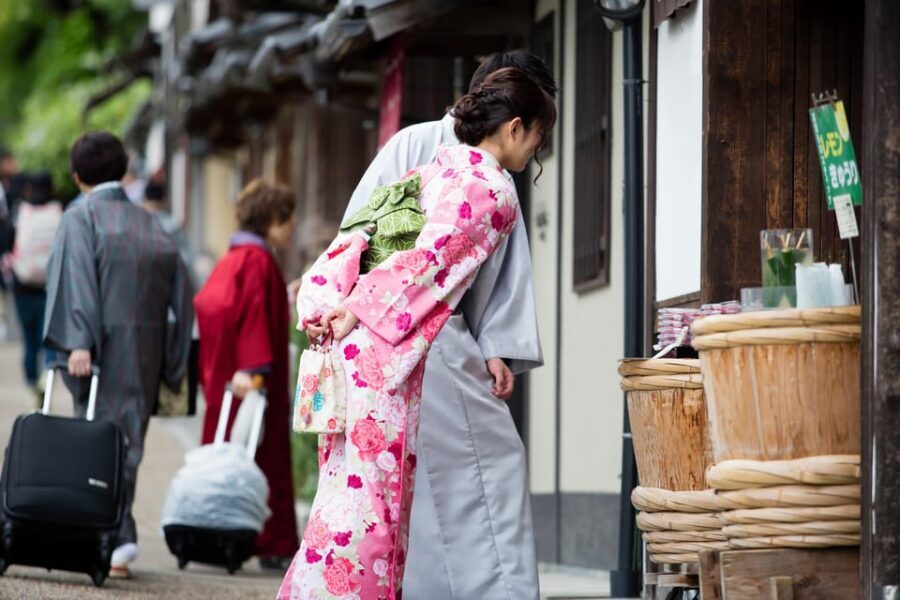
This is the part many people underestimate. Japanese kimono shoes are difficult to walk in. They’re also part of the cultural look, so you can’t just swap them for normal walking shoes and call it a day.
So how do you plan your time well? You make your route kimono-friendly.
Here’s what the information you have suggests:
- There is a shrine close to the location, which is ideal for a short, low-stress walk.
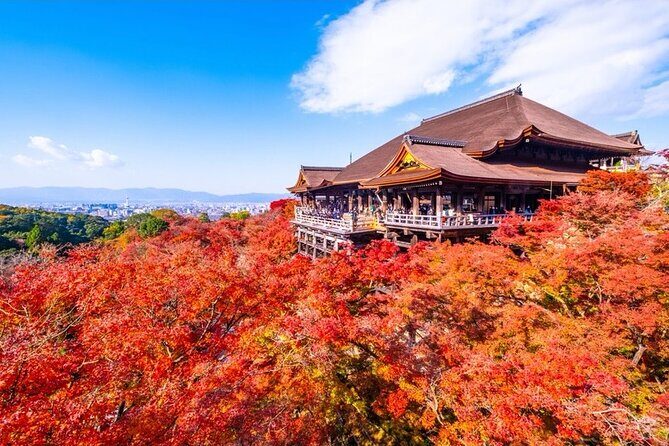
- Larger day targets like Kiyomizudera or Fushimi Inari are not as close for kimono walking, mainly because of steps and terrain.
That’s good advice even if you’re a strong walker. Kimono footwear changes your center of gravity. Plus, when you’re wearing a robe and obi, you don’t want to fight steep steps while trying to keep your outfit neat.
A practical way to enjoy it:
- Pick one nearby shrine or one main pocket of Gion streets.
- Build in time to take photos at a slower pace.
- Expect you’ll walk less than you normally would on a sightseeing day.
If you want a perfect photo moment, go where you can stand comfortably. If your feet hurt, the photos look tense. Keep the day simple and your pictures will look better.
A few more Kyoto tours and experiences worth a look





When Photography and Makeup Matter (And When They Don’t)
You can add photography or makeup, but timing matters.
- The photography plan depends on booking the photographer at least one week in advance.
- The makeup plan also requires the makeup artist to be booked at least one week in advance.
This matters because it prevents the common disappointment of showing up expecting extras on the spot. If you’re doing special outfit photos in Gion, one week isn’t a lot of time—so build it into your planning early.
Photography is only included if you select it, and the provided info specifies a 60-minute photography service for groups of 3, 4, or 5 people. If you’re traveling as a couple or solo, you’ll want to check what package types are available at your date.
Upgraded hairstyling is not included. That means if you’re chasing a very specific, higher-detail style, you’ll likely need to choose options at checkout, not assume it’s part of the base.
Value for Money: What $3.55 Means for a Traditional Dressing Session
The listed price is $3.55 per person, and that’s why you should pay attention to what’s included. At minimum, the basic experience includes:
- Basic Komon kimono rental
- Semi-wide belt rental
- Small bag rental
- Tabi socks rental
- Sandals rental
- Standard hairstyling
That’s not just a piece of fabric. You’re paying for the whole outfit system plus the styling work that makes it look correct in photos. In Kyoto, kimono rentals can feel expensive when you compare only the robe. But here, your value comes from the accessories and the hair work being part of the package.
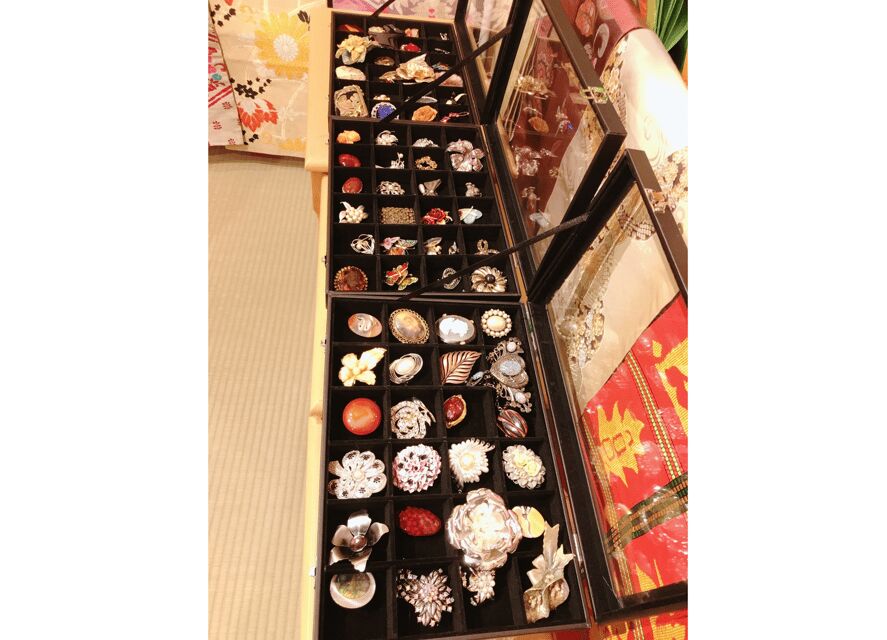
There’s also a small upsell option: a 1 small item rental (you choose it after selecting the Limited Basic Komon Plan). That can be helpful if you want a slightly more complete look without spending time sourcing extra items.
One more value angle: this is a short, timed experience with a defined return deadline. If you’re on a short Kyoto trip, it’s a “high impact, low confusion” activity. You get a traditional outfit and a photo-ready look, then you go back to exploring on your own terms.
Timing Rules That Will Actually Affect Your Day
This is where you need to be strict with yourself.
- Your return time is 17:00 (5:00 PM).
- The shop’s closing time is 18:00 (6:00 PM).
- If you’re more than 20 minutes late from your reservation time, your reservation can be invalidated.
- If you exceed 10 minutes from the start of your reservation, priority is given to customers who arrive on time.
Plan like an adult: arrive early enough that you can breathe. In Gion, even a simple walk in can take longer than you think, especially if you stop for photos before your appointment.
After your exploring time, you’ll need to return and change out by 17:00. The faster you understand this, the better your day gets. Kimono days should not feel like a sprint at the end.
There are also penalties if you miss due dates. If returned after the due date, a surcharge of JPY 1,100 per person per 30 minutes is charged. And if you return the next day, there’s a next-day handling deposit (the info sheet lists JPY 10,000, with an extra deposit requirement for furisode) and a clothing fee can be charged as well.
What to Expect About Safety, Damage, and Insurance Options
Kimono rentals are surprisingly safe when handled properly, but you should plan for the fact that fabric and accessories can get damaged.
The provided information says:
- If kimono or accessories (bags, etc.) are damaged when returning, you must pay the corresponding damage fee.
- It’s recommended to purchase an additional insurance service on-site (JPY 550 is listed).
At least one guest also mentions an optional insurance charge around 150 yen per person. Since pricing and options can vary by what you select in-store, ask the staff directly about the exact insurance choice on the day you arrive.
Also note luggage handling:
- There’s free luggage storage on-site.
- The store isn’t responsible for loss (including theft), damage, or leakage of valuables.
So keep valuables on you or in a secured way, especially camera equipment and anything you can’t replace.
Who This Kimono Rental Fits Best (And Who Should Skip It)
This experience is clearly designed for people who want traditional wear and photos without a full-day tour.
It’s not recommended for pregnant women, and wearing a kimono during pregnancy is strictly prohibited. The store isn’t responsible for any health issues that may result from hiding a pregnancy, so this is one you should treat seriously.
It’s also not suitable for people over 220 lbs (100 kg), and adult selection may be limited if your hip size is above 130 cm.
On the positive side, first-timers seem to love it. The staff is described as kind, organized, and patient, especially for people doing their first kimono experience. If you want a straightforward “get ready and go” day in Kyoto, this fits well.
If you need lots of walking to multiple distant sights, you might find kimono constraints annoying. Save the furthest targets for a different day where you can wear normal shoes.
Should You Book MomoKa Kimono Rental in Kyoto?
I’d book it if you want a traditional Kyoto outfit experience in Gion with included hairstyling and the practical accessories that make the look work. The best reason to choose this shop is the combination of a structured dressing flow, proper basic kit inclusions, and a realistic exploration window ending at 17:00.
I wouldn’t book it if you:
- need full mobility for long, step-heavy hikes between far sights,
- are pregnant,
- or fall outside the stated weight and fit limits.
If your goal is to look authentic in Kyoto’s streets, take great photos near a nearby shrine and Gion lanes, and spend your energy on enjoying the city rather than figuring out how to dress, this is a strong value choice.
FAQ
Where is the meeting point?
You’ll start at MomoKa Kimono Rental in Kyoto, at coordinates 35.0013103, 135.7765112.
How long does the kimono-to-hair process take?
The process from selecting the kimono to hair styling takes about 45 minutes.
What time do I need to return the clothing?
You must return the clothing by 17:00 on the same day.
What happens if I’m late?
If you are more than 20 minutes late from your reservation time, your reservation will be invalidated. If you exceed 10 minutes from the start, priority is given to customers who arrive on time.
Is hairstyling included?
Yes, standard hairstyling is included when you select the Kimono Experience Plan.
What accessories are included with the basic kimono plan?
Included items can include a semi-wide belt, small bag, tabi socks, sandals, and standard hairstyling depending on the plan you select.
Is photography included automatically?
No. Photography is included only if you select the photography service option (including a 60-minute photography service for groups of 3, 4, or 5).
Do I need to book makeup or photography in advance?
Yes. The photography plan requires booking at least one week in advance, and the makeup plan requires booking at least one week in advance.
Can I store luggage at the shop?
There is a free luggage storage service on-site. The store is not responsible for loss, damage, or leakage of valuables.
Are kimonos allowed during pregnancy?
No. Wearing a kimono during pregnancy is strictly prohibited, and the activity is not recommended for pregnant women.