Arashiyama is better with a plan. This Kyoto private tour lets you escape the rush and spend focused time in the Arashiyama and Sagano area, picking your own mix of bamboo, temples, bridges, and quiet corners. You’ll meet your guide at JR Saga-Arashiyama Station and then build a walk that fits your interests and even your photo goals.
I particularly like the private, customizable pacing. You can aim for iconic stops like the Togetsukyo bridge and bamboo grove, then swap in a major temple like Tenryu-ji or go for a calmer feel with Jojakko-ji. One thing to weigh: this is a walking tour with moderate walking, and it’s not suitable for wheelchair users or people with back problems or mobility impairments.
In This Review
- Key highlights worth marking on your mental map
- A 4-hour Arashiyama plan built around your interests
- Meeting at JR Saga-Arashiyama and getting your bearings fast
- Bamboo forest time, plus a river view from Togetsukyo Bridge
- Temples that fit your mood: Tenryu-ji vs. Jojakko-ji
- Okochi Sanso Garden, traditional streets, and other optional stops
- How the guide improves the experience (especially for photos)
- Cost and value: what $129 buys you in Kyoto
- What the walking tour feels like in real life
- Who should book this private bamboo forest tour
- Should you book it?
- FAQ
- Where do I meet my guide for the Kyoto Arashiyama Bamboo Forest tour?
- How long is the private tour?
- Can I customize the itinerary?
- What stops are suggested for the tour?
- What is included in the price?
- What is not included?
- Is transportation included during the tour?
- Will the tour run if it rains?
- Is it suitable for wheelchair users or people with back problems?
- What should I bring?
- How does free cancellation work?
- What languages are available?
Key highlights worth marking on your mental map
- Customize your route in real time: choose 2-3 locations in Arashiyama/Sagano during the 4-hour window
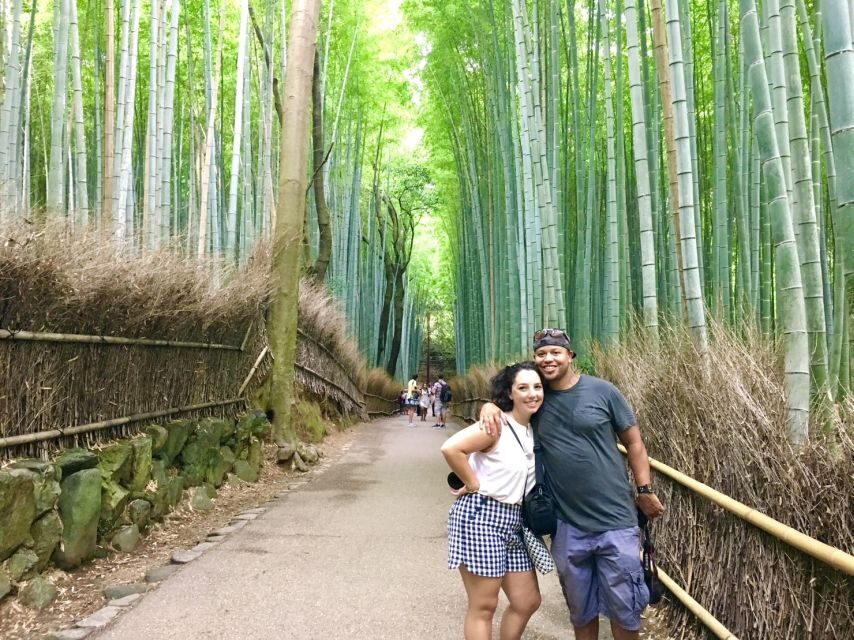
- Bamboo grove plus iconic river views: use Togetsukyo bridge for that classic Arashiyama scene
- Temple choices that match your mood: Tenryu-ji for a famous temple visit, or Jojakko-ji for a quieter feel
- Small-group attention: a guide just for your group means fewer time-wasters and more “let’s go here next”
- Photo-focused guidance: guides may help with angles and timing, including composition tips from places you pick
A 4-hour Arashiyama plan built around your interests
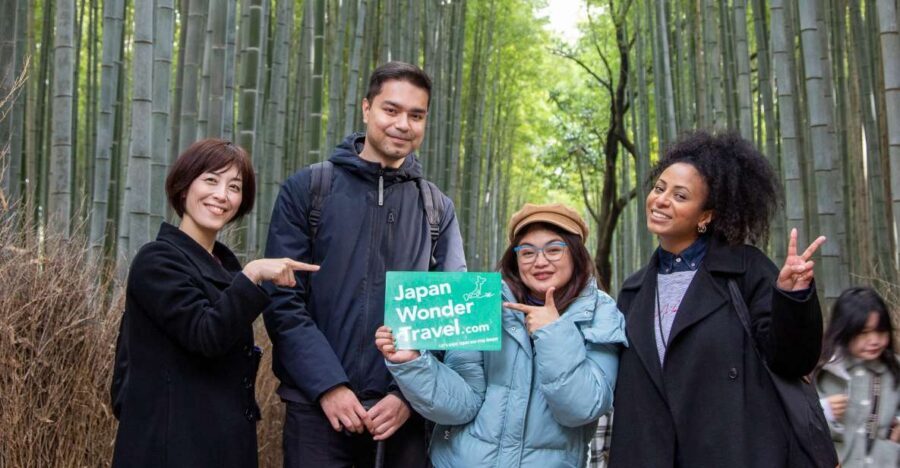
Kyoto’s Arashiyama is famous for good reason, but most people experience it like a checklist. This tour is different. You get a licensed English-speaking guide and a private group, and you decide which spots matter most to you. In practice, that means you’re not stuck doing the same route as everyone else’s bus group.
The area also has a sense of calm that comes from long-term roots. Arashiyama/Sagano is where aristocrats kept villas, so even when it’s busy, you still feel that older, slower rhythm. Your guide helps you turn that atmosphere into a time-efficient walk.
The biggest value here is not that you visit “important places.” It’s that you choose the balance. If you want bamboo and river views first, do that. If you’re more interested in temples—big and famous or small and serene—you can shape the order. And if you’re the kind of traveler who wants photos that look intentional, you can ask the guide to aim for better timing and composition.
A few more Kyoto tours and experiences worth a look

Meeting at JR Saga-Arashiyama and getting your bearings fast
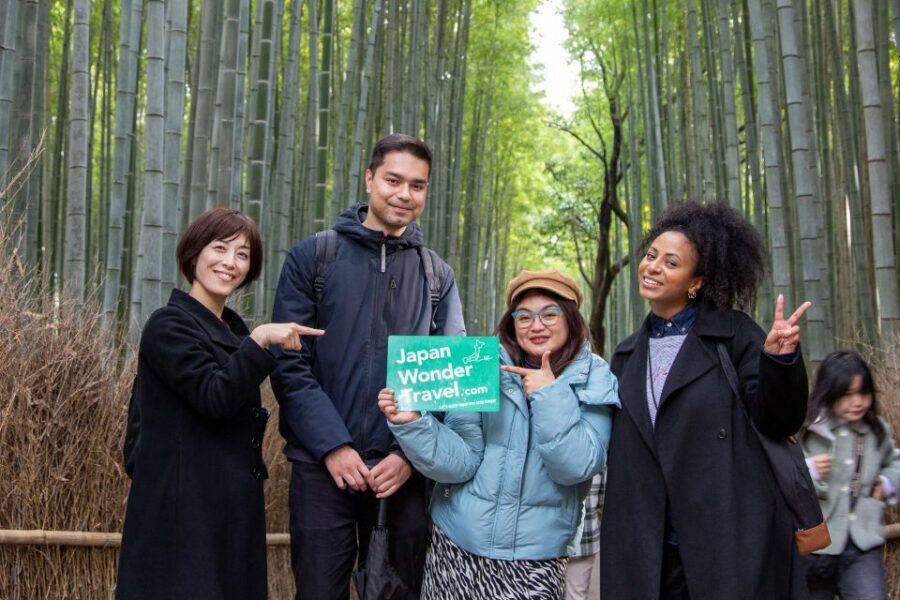
You start at JR Saga-Arashiyama Station, in front of the ticket gate on the 2nd floor. That matters. It’s one of the easiest points to orient yourself in the area, and it reduces the guesswork you’d normally have before you even start walking.
From there, your guide’s job is to translate your preferences into a route. You’ll typically be selecting 2-3 locations within Arashiyama and Sagano for the full 4-hour experience. That’s a sweet spot. It’s long enough to feel like you explored, but short enough that the day doesn’t turn into a blur of constant transit.
This is also a walking tour. So think like a local for the next few hours: comfortable shoes, water in your bag, and patience when the streets narrow. Public transportation or local taxis may be used between certain spots, but there’s no private vehicle included.
Tip: bring cash. Entrance fees and transportation fees are not included, and some sites require paid entry.
Bamboo forest time, plus a river view from Togetsukyo Bridge
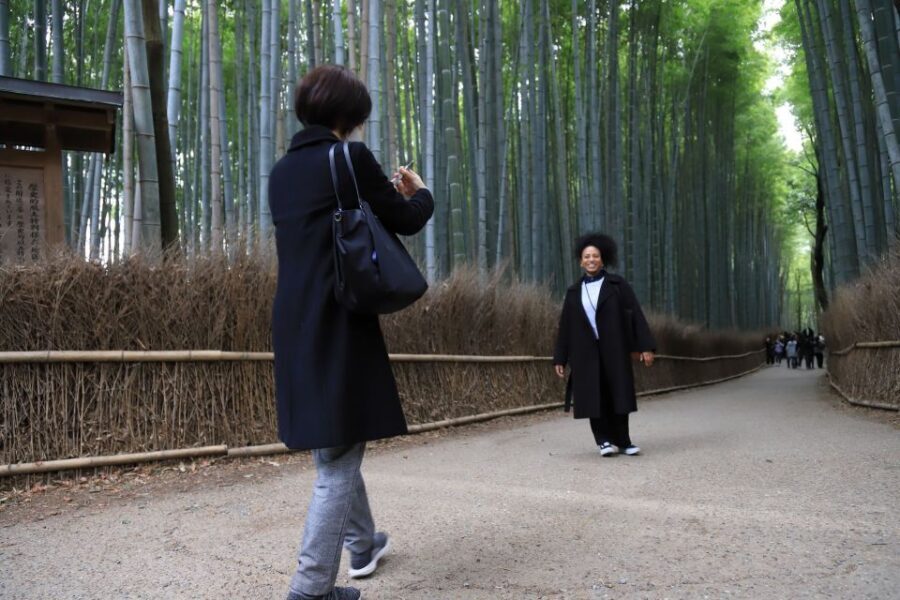
If your list includes the bamboo grove, you’ll want to treat it like a “take your time” stop, not a quick photo sprint. In Arashiyama, the bamboo area can feel like both a postcard and a real place you could wander for hours. The trick is choosing when to be there and how to move through it.
A classic way to structure the day is:
- Start with the bamboo grove experience
- Then cross Togetsukyo Bridge for river views
- Use your remaining time for a temple that matches your energy level
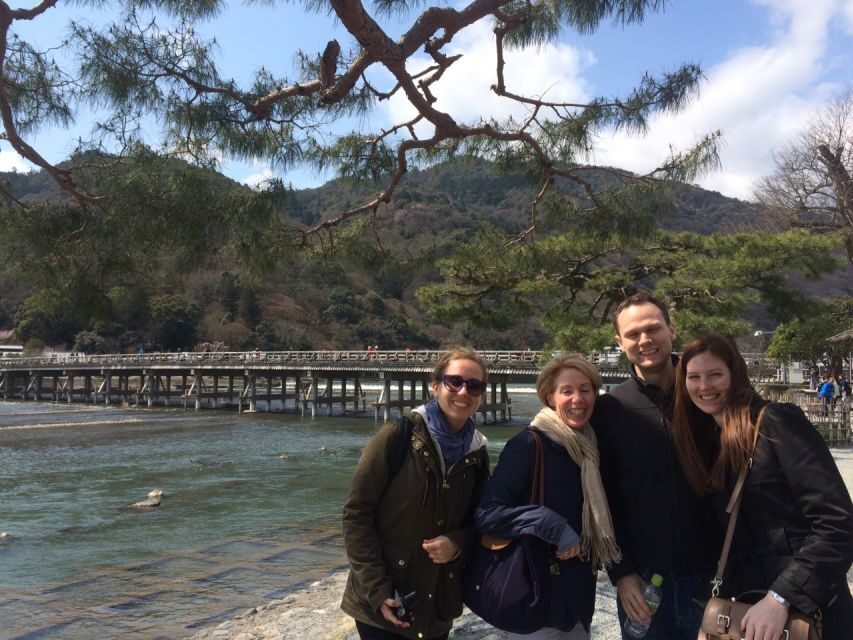
The bridge crossing is the kind of moment where everything slows down visually. You get that wide river perspective that makes the bamboo feel even more dramatic. It also gives you a break from constant temple gates and crowds pressing in from every direction.
If you care about photos, this is exactly where you’ll appreciate a guide who thinks in angles. One guide (Takuma) has used an iPad to add extra site information and also helped plan photo opportunities while steering away from heavier crowds when possible. You don’t need to be a photographer to benefit. Better timing and a calmer route make even simple snapshots look better.
Temples that fit your mood: Tenryu-ji vs. Jojakko-ji
A big reason to choose a customized tour in Arashiyama is temple variety. You can swap in different styles depending on what you want that day.
Two names the tour specifically suggests as options are:
- Tenryu-ji, described as a magnificent temple
- Jojakko-ji Temple, described as serene
That language is a useful clue for how to choose. If you’re in a “see the famous thing” mood, Tenryu-ji is the safe bet. If you want quieter atmosphere and a softer pace, Jojakko-ji is a good counterweight to the more iconic areas like bamboo.
Beyond those, your guide can also add temple-style options such as Nisonin Temple, Gioji Temple, Adashino Nenbutsu-ji, and Otagi Nenbutsu-ji. Since the number of stops is limited to 2-3 locations, your best approach is to pick one “anchor” temple and one “supporting” stop (like bamboo, the bridge, or a traditional area).
Practical thought: temples often mean stairs, uneven ground, and lines at paid gates. With a private guide, you can ask for the order that keeps the walking and waiting sensible for your group.
Okochi Sanso Garden, traditional streets, and other optional stops
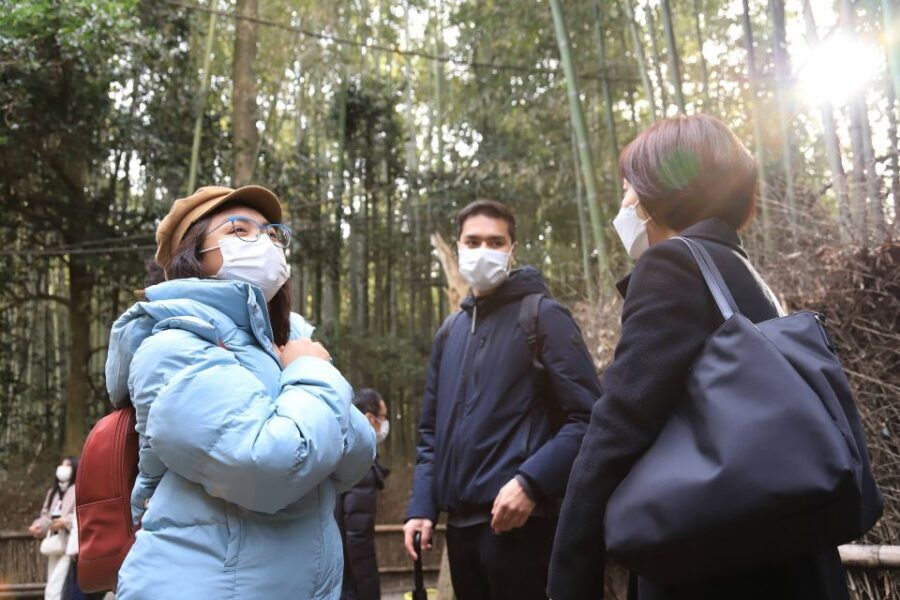
Some people love Arashiyama for temples. Others love it for gardens and heritage details. This tour gives you options.
If gardens are your thing, Okochi Sanso Garden is one of the suggested possibilities. One guide (Kenji) paired bamboo forest time with a visit to Okochi Sanso Garden and Tenryu-ji, which is a strong combo if you want variety within a short window: nature, garden calm, then a major temple visit.
If you prefer traditional atmosphere over formal gardens, consider adding the Saga Toriimoto Traditional Buildings Preservation Area. That gives you a different texture of Arashiyama—less “big attraction,” more “slow streets and preserved architecture.”
There are also options like Monkey Park. This can be a good choice if you want a viewpoint stop. Just remember you’re still on a walking schedule, and the tour does not include a private vehicle—so pick that kind of option only if your group is comfortable with the walking intensity.
Bottom line: the customization is the point. If you’re the type who enjoys variety, build a route with one “nature” stop, one “temple/garden” stop, and one “view or heritage” stop.
A few more Kyoto tours and experiences worth a look


How the guide improves the experience (especially for photos)
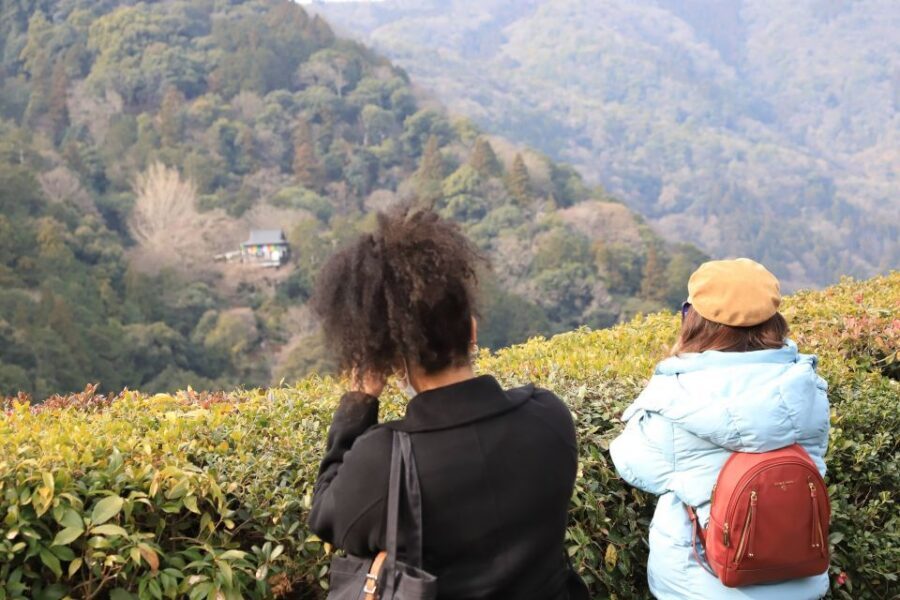
The difference between a standard group tour and a private guide is usually small—until you hit a good guide. In this case, several guides stand out for how they work.
Takuma, for example, is described as fluent in English and using an iPad to provide extra information about the sites. He also offers options to modify the route for better photo opportunities and to avoid heavier tourist crowds. If you’ve ever been stuck behind a moving wall of people while trying to frame a shot, you already understand the value of this.
Kenji is another guide name tied to smooth pacing and smart stop choices, including bamboo forest, Okochi Sanso Garden, and Tenryu-ji.
Even when your group isn’t focused on photography, this matters. A guide who can adjust pacing means:
- you spend more time seeing, not waiting
- you get better angles for your own memory
- your photos look more like you planned them
And since this is a private group, you can speak up. You’re not asking permission to change your mind. You’re simply telling the guide what you want the next hour to feel like.
Cost and value: what $129 buys you in Kyoto
At $129 per person for 4 hours, this tour isn’t trying to be the cheapest way to see Arashiyama. The value is in the private format and customization. You’re paying for a guide you don’t have to share with strangers, plus the route flexibility to choose the places that match your interests.
Just budget correctly because not everything is included:
- Transportation fees are not included
- Entrance fees are not included
- Lunch is not included
That doesn’t make it bad value. It just means you should plan on a little extra spending once you pick your stops. If you choose multiple paid-entry sites (for example, a garden plus major temples), your entrance total will be higher. If you keep it mostly walking-and-view based with fewer paid sites, you can control costs.
My practical advice: before you commit to the final stops, tell your guide your priorities and your budget range for entrance fees. The route you choose affects the final number more than the base tour price does.
What the walking tour feels like in real life
This is described as a walking tour with a moderate amount of walking included. That sounds friendly until you remember Arashiyama involves lots of turning paths, museum-temple zones, and street sections that add up.
So wear comfortable shoes. Bring rain gear too. The tour runs rain or shine. If weather changes your plans, that’s where having a guide helps. They can adjust timing and sometimes order to keep the walking and crowd pressure manageable.
A few other “pack and behave” notes:
- No pets
- No luggage or large bags
- Carry cash for entrance and transportation
If your group includes anyone with mobility issues, plan carefully. This tour is not suitable for wheelchair users and is not suitable for people with back problems or other mobility impairments. If that’s your situation, you’ll likely want a different Arashiyama experience that’s less walking-heavy.
Who should book this private bamboo forest tour
This tour fits best if you want any of the following:
- A custom route across Arashiyama and Sagano instead of a fixed bus-style loop
- Temple variety, from famous stops like Tenryu-ji to calmer options like Jojakko-ji
- A more relaxed experience where your guide can help you avoid the thickest crowd moments
- Better photos through timing and composition-minded guidance
It’s also a smart choice if you’re short on time in Kyoto. A 4-hour format lets you see a lot without spending half a day getting from place to place.
It’s not a great fit if your group can’t handle walking. And it’s not built for travelers who want a car-and-driver day, because there’s no private vehicle included.
Should you book it?
Yes, if you care about control and pacing. The biggest win is that you pick 2-3 locations and get a licensed English-speaking guide focused on your group. That’s how Arashiyama stops feeling like a theme park and starts feeling like a thoughtful Kyoto stroll.
Skip it if walking is a problem for you, or if your group prefers an all-inclusive package with transportation and entrance fees rolled in. This tour gives you flexibility, but you’ll handle transport and entry costs separately.
If you want a memorable Arashiyama morning or afternoon with less hassle, this is a solid bet.
FAQ
Where do I meet my guide for the Kyoto Arashiyama Bamboo Forest tour?
Meet in front of the ticket gate of JR Saga-Arashiyama Station, on the 2nd floor.
How long is the private tour?
The tour lasts 4 hours.
Can I customize the itinerary?
Yes. Your guide customizes the itinerary based on your interests, and you choose 2-3 locations within the Arashiyama and Sagano areas.
What stops are suggested for the tour?
Suggested options include crossing Togetsukyo Bridge, bamboo grove time, and temples such as Tenryu-ji or Jojakko-ji. Other possible stops include Okochi Sanso Garden, Nisonin Temple, Gioji Temple, Adashino Nenbutsu-ji, Otagi Nenbutsu-ji, Saga Toriimoto Traditional Buildings Preservation Area, and Monkey Park.
What is included in the price?
A licensed local English-speaking guide and a private tour.
What is not included?
Transportation fees, entrance fees, lunch, other private expenses, and a private vehicle. Hotel pick-up is also not included.
Is transportation included during the tour?
No. Public transportation or local taxis may be used between spots, and transportation fees are not included.
Will the tour run if it rains?
Yes. The tour takes place rain or shine.
Is it suitable for wheelchair users or people with back problems?
No. It is not suitable for wheelchair users, people with mobility impairments, or people with back problems.
What should I bring?
Wear comfortable shoes, bring cash, and pack rain gear.
How does free cancellation work?
You can cancel up to 24 hours in advance for a full refund.
What languages are available?
The tour is in English.