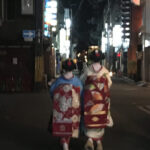
Gion feels different with the right guide. This 2-hour walk through Kyoto’s Gion-area hanamachi focuses on what most people miss: the hidden courtyards, old street layouts, and the human rhythms behind geiko and maiko life. I especially like the small-group Q&A style, where your questions actually steer the pace. I also like the street-level details the guides point out, including the way bridges, shrines, and traditional machiya houses connect to how the district works.
There is one practical catch: Hanamikoji-dori isn’t included, and a maiko or geiko sighting can’t be guaranteed. If you’re coming mainly for a photo, you may leave a bit less satisfied than you hoped. If you come to understand Gion as a living neighborhood, you’ll likely feel like you made a smart use of your time.
At $35 per person for about 3.3 km / 2 miles, the value comes from the guide-to-guest attention: the group is limited to 6 people, and you’ll cover three hanamachi districts plus Yasaka Shrine in one smooth loop.
In This Review
- Key things that make this Gion walk worth it
- Gion is more than the postcard street
- Where you meet and how the 2-mile route stays comfortable
- Pontocho alleys and the Kamogawa angle that most people miss
- Sanjo Ohashi and Yamato-dori: your shortcut to understanding street layout
- Gion-Kobu lanes and Gion Shirakawa: seeing daily life, not just legends
- Tatsumi Jinja and Tatsumi Hashi: the quiet pause that adds meaning
- Gion-Higashi and Yasaka Shrine: where the name starts
- What you’ll learn about maiko and geiko life (and what you shouldn’t expect)
- The guide factor: Jose and Saskia’s question-friendly style
- Price and value: $35 for 2 hours of guided meaning
- Practical tips so you enjoy the full 2 hours
- Should you book the Kyoto Gion Walking Tour?
- FAQ
- How long is the Kyoto Gion Walking Tour?
- How big is the group?
- Which areas of Gion are included?
- Is Hanamikoji-dori included?
- Can I guarantee seeing a maiko or geiko?
- Where do I meet the guide?
Key things that make this Gion walk worth it
- Small group (up to 6) so you’re not stuck shouting over crowds
- Three hanamachi areas covered in 2 hours: Pontocho, Gion-Kobu, and Gion-Higashi
- History with context, including how Gion’s name links to Yasaka Shrine
- Street “detective work”, like spotting details on traditional houses and neighborhood layout
- Guide personalities you can match to your questions, with many tours led by Jose or Saskia
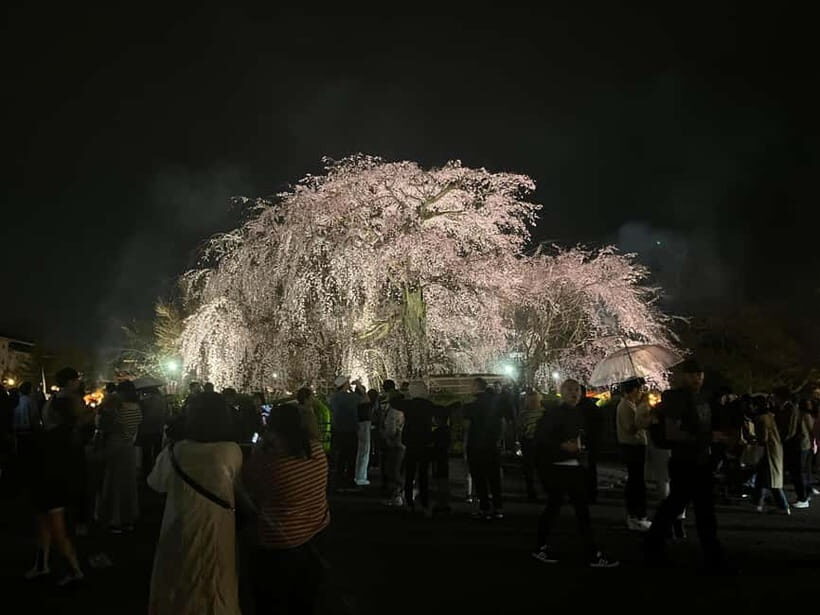
- Optional cherry blossom route tweaks when sakura season hits
Gion is more than the postcard street
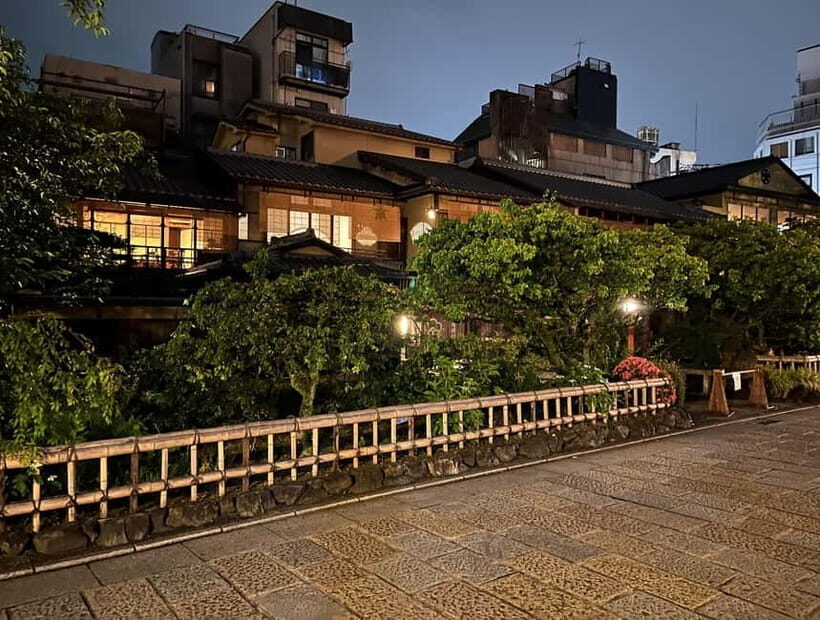
Gion gets sold as a single look: lanterns, wooden façades, and a quick chance of seeing someone in traditional dress. This tour keeps it real. You’ll spend your time in the lanes and transitions that explain how the district actually functions day to day.
That’s why the focus on hanamachi matters. Pontocho, Gion-Kobu, and Gion-Higashi aren’t interchangeable backdrops. They each have their own feel, and the guide helps you notice that difference without turning it into trivia overload.
I like that the tour also treats this as local geography, not a museum. You’ll learn what you’re seeing—shrines, bridges, shopfront patterns, and neighborhood landmarks—so when you walk past them later on your own, you’ll recognize the logic behind them.
A few more Kyoto tours and experiences worth a look

Where you meet and how the 2-mile route stays comfortable
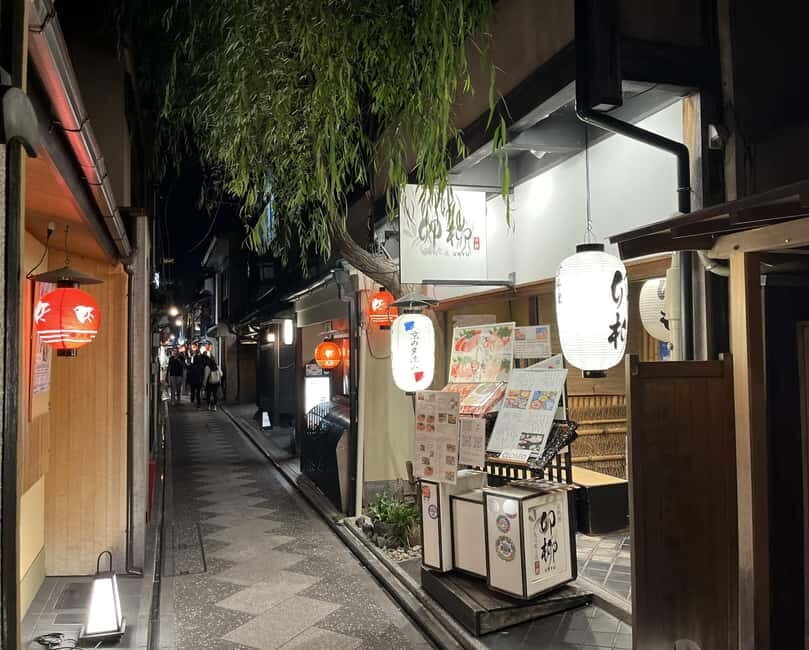
You’ll meet the guide outside the Disney Store – Kyoto Shijo-Kawaramachi, looking for someone holding an iPad with the GetYourGuide name. It’s an easy landmark, and it helps you start moving without guesswork.
The route clocks in around 3.3 km / 2 miles over 2 hours. That’s a great length for people who want meaningful context without turning the day into a long slog. Still, you should plan on real walking time. Bring comfortable shoes, and pack water because the tour doesn’t include amenities.
If you’re traveling with kids, the short duration can work well—just know you’ll be doing a lot of noticing and listening, so it’s best for ages that can handle a guided pace.
One more timing note: the 9:45 and 12:30 departures can include a free visit to the Gion Gallery if you want to extend your time.
Pontocho alleys and the Kamogawa angle that most people miss
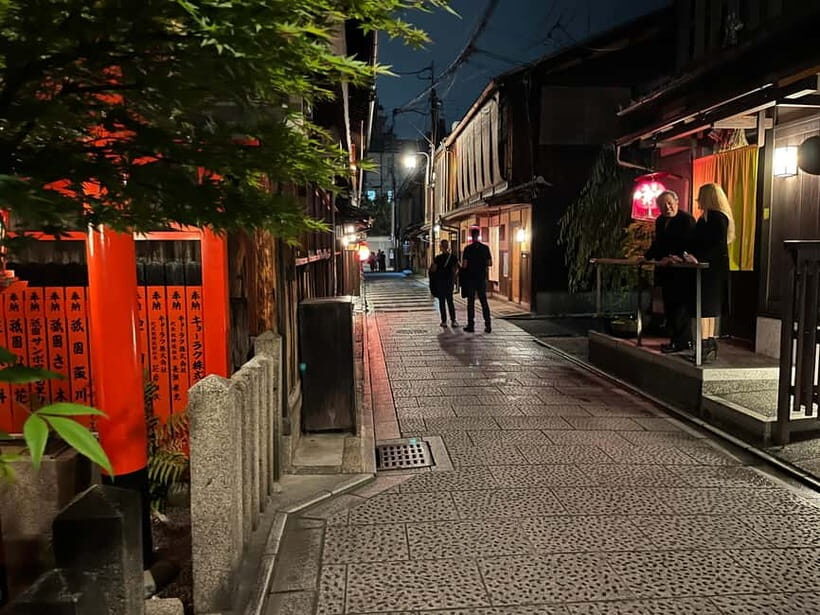
Your walk starts in the Pontocho area, moving through the narrow alleyways that make the district feel alive even when it’s quiet. This is where the guide’s approach shines. Instead of only telling you what Gion is famous for, the guide explains why certain lanes and views became important and how the neighborhood developed around daily routines.
From there, you’ll shift toward the Kamogawa River and its nearby viewpoints. Rivers in Kyoto are never just scenery—they shape foot traffic, routes, and sightlines. The guide uses that to help you understand how people historically moved through this part of downtown.
You’ll also stop near local features like Yagi-san & Kita-san statues, which sound small until the guide places them in context. That’s the theme here: “small” details become meaningful when you know what they refer to.
Sanjo Ohashi and Yamato-dori: your shortcut to understanding street layout
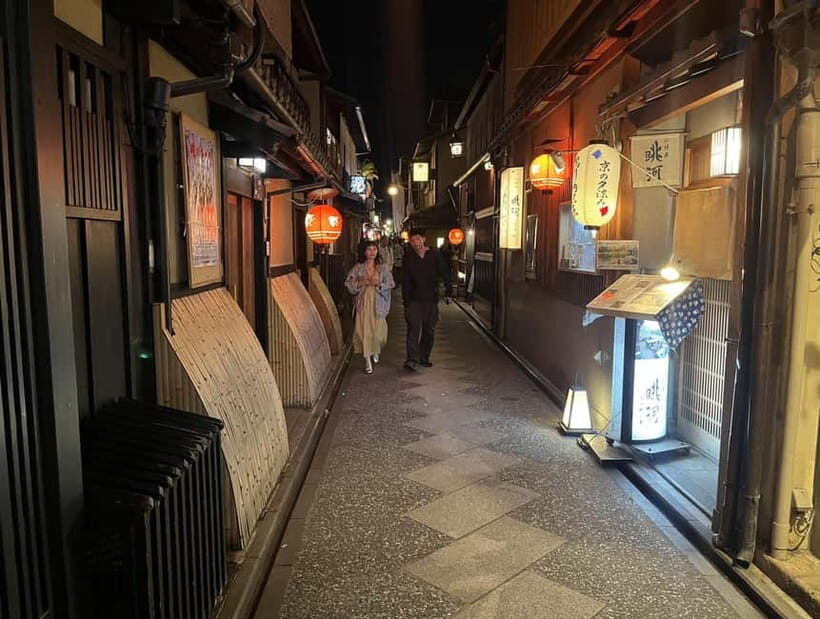
Next comes a classic Kyoto moment: the Sanjo Ohashi bridge and the surrounding street area, including Yamato-dori. Bridges can feel like photo stops, but here they’re used like a teaching tool.
You’ll get a clearer sense of where you are in Kyoto’s downtown map and how the district’s edges relate to the rest of the city. Then you’ll connect those big-picture ideas to what you’ll see next—especially as the tour transitions into the core hanamachi areas.
If you like tours where you learn how cities are organized, this part is a nice payoff. You’ll start to recognize how one street view links to the next, instead of feeling like you’re hopping between random landmarks.
Gion-Kobu lanes and Gion Shirakawa: seeing daily life, not just legends
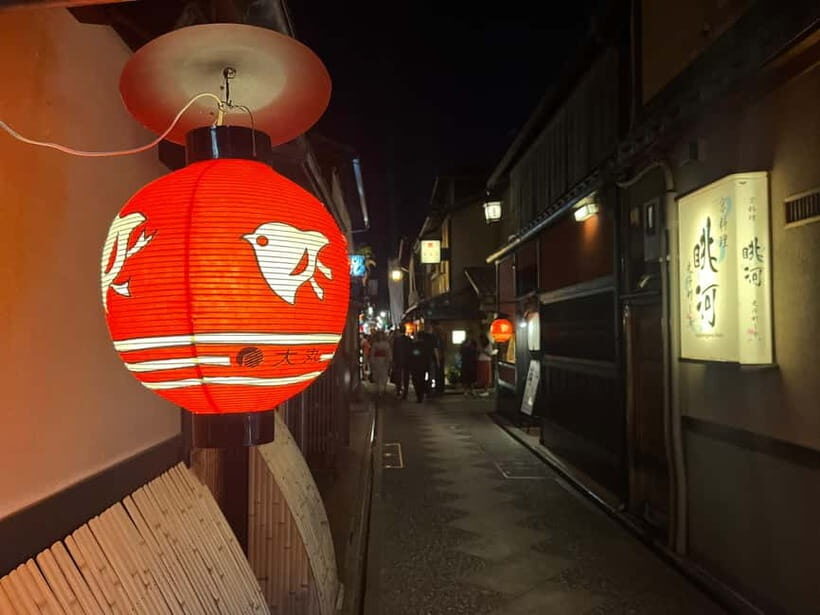
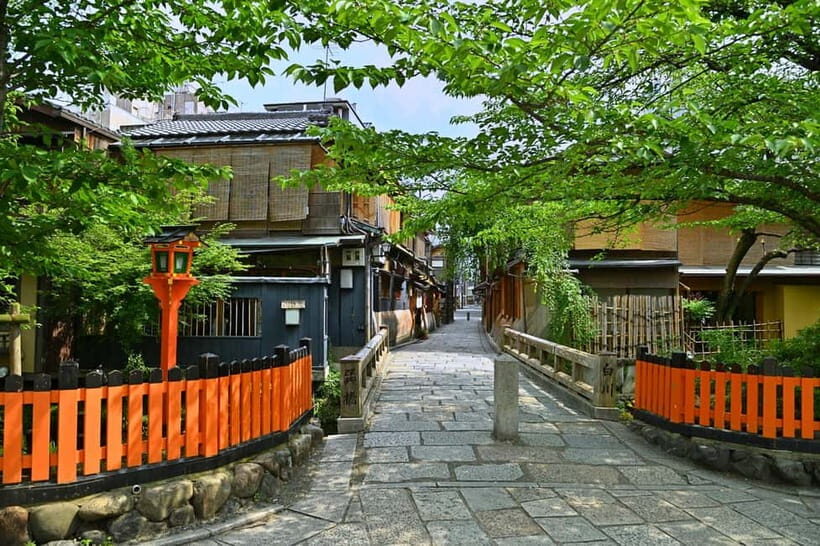
Now you get into Gion-Kobu, including stops along Gion-Shinbashidori and Gion Shirakawa. This is the part where you’ll likely feel your understanding sharpen.
You’ll learn about the hanamachi concept and how maiko and geiko life is shaped by training, roles, and routines. The guide also shares personal observations about daily life in Japan, so the tour doesn’t stay stuck in the past. It links tradition to how people actually think and live in the present.
One reason this section works: the guide is constantly pointing out architectural and street details. Traditional machiya houses and the way entrances, walls, and narrow passages behave are easier to understand when someone breaks down what you’re looking at.
A heads-up: Hanamikoji-dori isn’t included, so don’t plan your day around getting the most famous “main street” frame. You can still see plenty of classic Gion atmosphere, but your camera may miss that one signature angle.
Other walking tours we've reviewed in Kyoto






Tatsumi Jinja and Tatsumi Hashi: the quiet pause that adds meaning
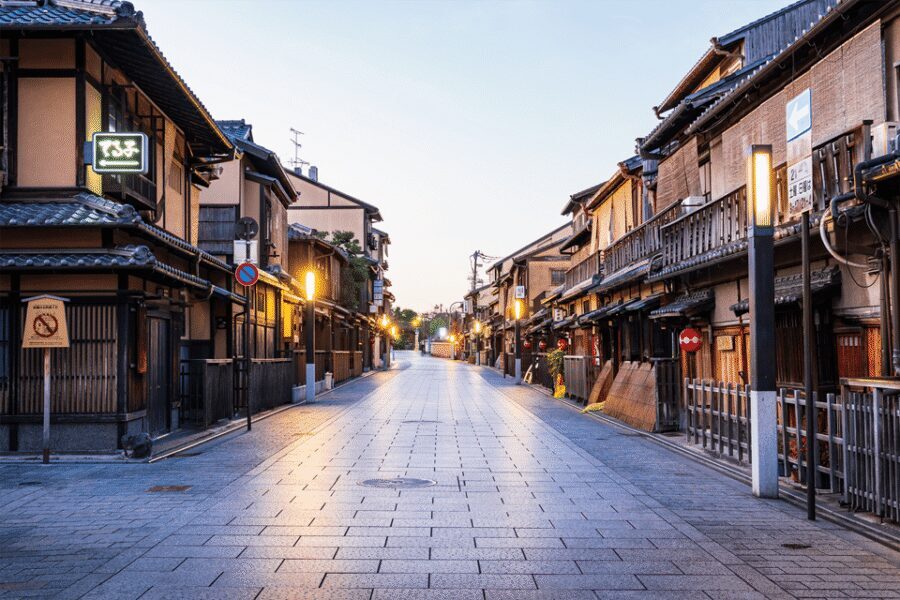
The tour includes a stop at Tatsumi Jinja and nearby Tatsumi Hashi (bridge). This is a smart choice because shrines are Kyoto’s cultural connectors. They’re not only about worship; they’re about community memory and identity.
In a short, 2-hour tour, you might worry you’d only cover streets and never get a deeper cultural anchor. This stop fixes that. You’ll get the chance to slow down, look around, and understand why sacred spaces are woven into the same neighborhood as performance culture and everyday commerce.
It also helps you absorb the walking. After alleys and crossings, the shrine stop gives your brain a breather.
Gion-Higashi and Yasaka Shrine: where the name starts
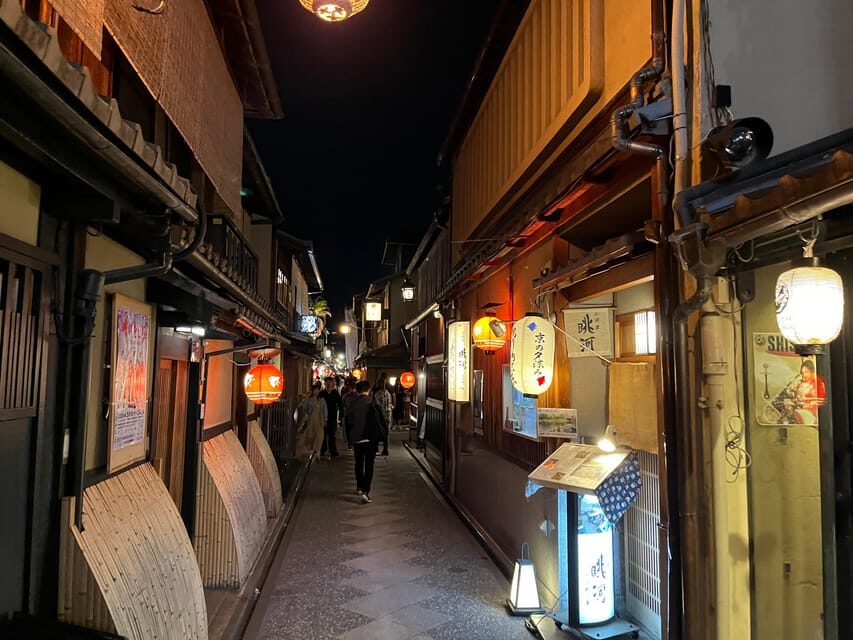
You’ll finish in Gion-Higashi, then make time—if the schedule allows—for Yasaka Shrine, which was formerly named Gion Shrine. The guide explains that this is where the district name originates, and it ties the whole area back to a tradition stretching back more than a millennium.
If you’re the type who likes a clear “why this place exists” storyline, this is your moment. The tour doesn’t treat Yasaka Shrine like a random stop. It positions it as a key to understanding how Gion developed and why the neighborhood’s identity stuck.
Depending on timing, the guide may also explain the Gion Festival. Even if you’ve heard of it before, you’ll likely appreciate learning how it links to the district’s origins, not just its fame.
What you’ll learn about maiko and geiko life (and what you shouldn’t expect)
This tour is aimed at helping you notice maiko and geiko lifestyle—their practices, routines, and the idea of clans and roles within the hanamachi world. The guide also answers lots of questions during the walk, so your learning won’t be one-way.
That said, there’s a key limitation you should respect: a maiko and/or geiko sighting can’t be guaranteed. That’s not the tour’s fault; it’s just reality. The value here isn’t a forced sighting—it’s learning how to understand the neighborhood so if you do see someone, you know what you’re looking at.
The most helpful thing for first-timers is that the guide teaches you how to view Gion without turning it into a hunt. You’ll come away with better context, and you’ll be more likely to feel comfortable and respectful when you’re out wandering on your own afterward.
The guide factor: Jose and Saskia’s question-friendly style
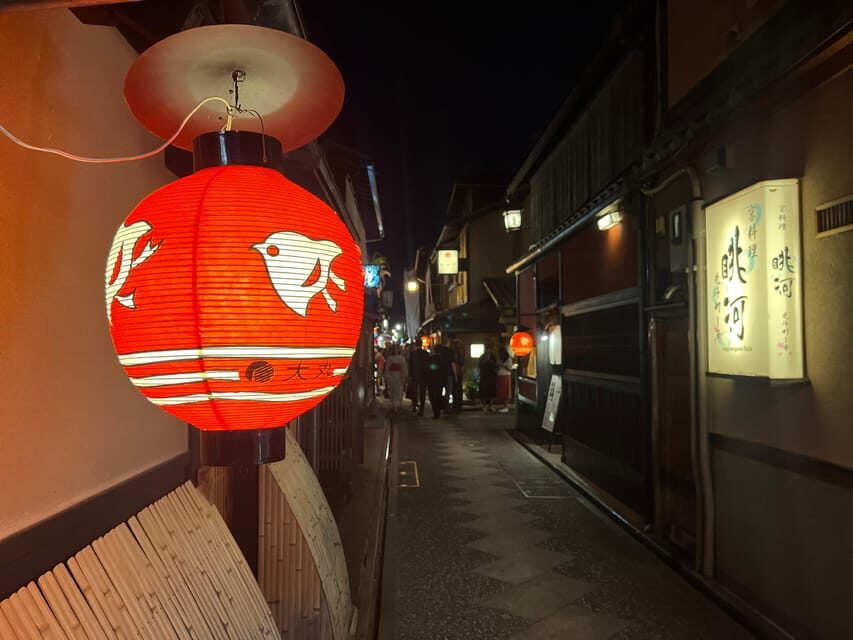
A lot of tours say they’re flexible. This one feels flexible in a practical way because it’s built for questions. The guide uses an iPad for videos and photos, and that helps you see what they mean even when you’re standing in front of something subtle.
In the experiences shared, Jose and Saskia are repeatedly highlighted for energy and focus. Jose gets praised for turning history into stories and for pacing the walk so you don’t feel rushed. Saskia gets praised for high-energy explanations and, for Dutch speakers, the convenience of having a native Dutch guide.
A fun detail from multiple accounts: guides are happy to answer lots of questions, even ones that feel random at first. If you’re the type who asks about symbols, street design, or why certain traditions exist, this is a great format.
Price and value: $35 for 2 hours of guided meaning
Let’s talk money. $35 per person for 2 hours sounds reasonable, but the real question is what you’re buying.
You’re not paying for a long bus ride. You’re paying for:
- a tight walking route with specific stops
- explanations that connect each place to the bigger story
- a small group size (up to 6)
- and room for interaction, so the guide can tailor the tour to what you care about
You’ll also be walking a manageable distance, and you won’t need a whole day to get it. For many visitors, this tour is a high-leverage use of time because Gion is easy to under-appreciate when you’re solo.
One tradeoff: no amenities are included. So don’t forget water, and plan your own snack timing around the walk.
Practical tips so you enjoy the full 2 hours
Here’s how to get the best experience without fighting the elements.
Bring:
- Comfortable shoes (the streets are uneven in places)
- Umbrella if rain is possible
- Sunscreen and a sun hat for bright days
- Water since the tour provides none
If you’re visiting during late March to early April, expect a slight route change to showcase cherry blossoms around Gion. That can add beautiful scenery, but it can also mean you’re walking slightly different lines—so keep that umbrella and comfy shoes handy.
And my best advice: come ready to ask questions. The tour is structured for that. If you hold your questions until the end, you’ll lose some of the fun.
Should you book the Kyoto Gion Walking Tour?
Book it if:
- you want a guided way to understand Gion, not just take photos
- you like questions and short answers in real time
- you prefer smaller groups and a calmer pace
- you want three hanamachi areas plus Yasaka Shrine in one go
Skip it (or adjust expectations) if:
- your main goal is a guaranteed maiko/geiko sighting
- you specifically want Hanamikoji-dori as a core part of your route
- you hate walking and listening at the same time
If you’re planning a first-time Kyoto trip and you want a confident sense of what you’re looking at in Gion, this is one of the stronger $35 decisions you can make. The payoff is the way you’ll see the neighborhood afterward, even when the tour ends.
FAQ
How long is the Kyoto Gion Walking Tour?
It lasts 2 hours.
How big is the group?
The tour is a small group limited to 6 participants.
Which areas of Gion are included?
The tour visits three hanamachi areas: Pontocho, Gion-Kobu, and Gion-Higashi.
Is Hanamikoji-dori included?
No. Hanamikoji-dori is not included, so plan your expectations accordingly.
Can I guarantee seeing a maiko or geiko?
No. A maiko and/or geiko sighting cannot be guaranteed.
Where do I meet the guide?
Meet the guide in front of the Disney Store – Kyoto Shijo-Kawaramachi, looking for someone holding an iPad with the GetYourGuide tour image.