Kyoto has a food shortcut.
Nishiki Market is often called Kyoto’s kitchen, and this guided tour turns a walk through a famous market into a story you can eat. You’ll sample seasonal traditional foods while your local guide explains what makes Kyoto cooking feel so different. I like that the tour focuses on real market culture, not just eating at random stalls.
My second favorite part: you get the food context—how seasonality works in Kyoto dining, plus the influence of Buddhist vegetarian cuisine. It’s the kind of explanation that changes how you notice flavors and ingredients as you keep walking. One thing to keep in mind: this is a lot of steps in narrow lanes, so comfortable shoes matter.
If you want Kyoto food without the stress of figuring out what to order, this is a straightforward way to get oriented fast—while learning the why behind the tastes.
In This Review
- Key Things I’d Prioritize in This Nishiki Market Food Tour
- Nishiki Market Is the Whole Point: Five Blocks of Kyoto Food Life
- What You Gain from a Local Guide (Especially If You Like Context)
- How the Food Tasting Works: Seasonal Bites, Not Random Samples
- A Guided Walk Through Market History You Can Actually Use
- Kyoto Kaiseki Thinking Meets Buddhist Vegetarian Cuisine
- Practical Tips That Make the Tour Feel Easy
- Price and Value: Is $64 Worth It?
- Who This Tour Fits Best (And Who Might Skip It)
- Final Call: Should You Book This Nishiki Market Food Tour?
- FAQ
- What’s included in the Kyoto Nishiki Market Food Tour?
- Do I need hotel pickup for this tour?
- Are vegetarian options available?
- What language is the tour offered in?
- How much walking should I expect?
- Can I take photos during the tour?
- Is there a cancellation policy if plans change?
- Is reserve & pay later available?
Key Things I’d Prioritize in This Nishiki Market Food Tour
- English-speaking local guides who can explain what you’re tasting and why it matters
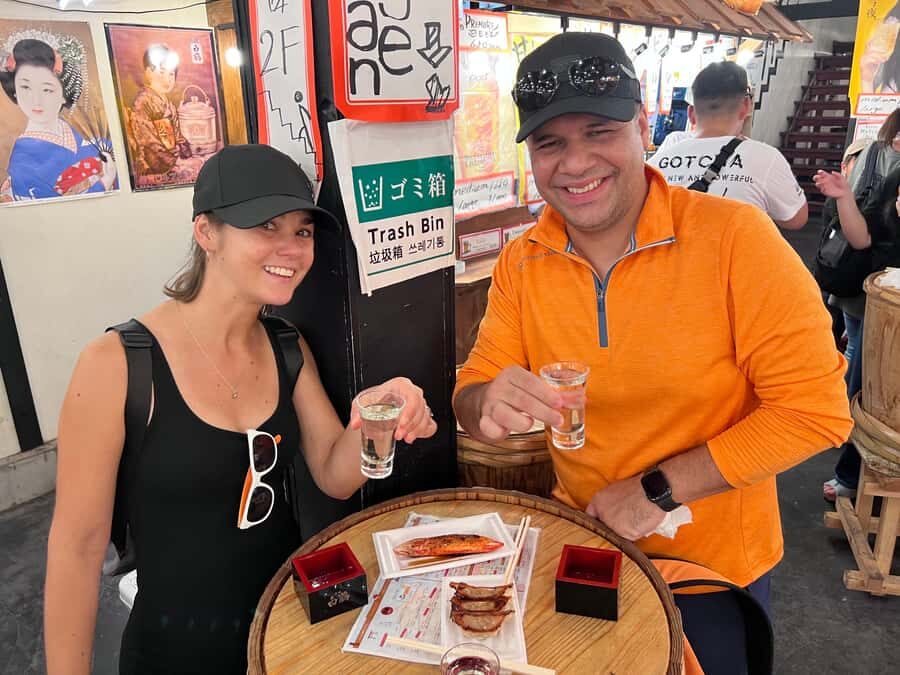
- Seasonal tastings that reflect how Kyoto dining changes through the year
- Buddhist vegetarian cuisine influence, explained in plain terms as part of the market’s story
- Market history straight from the path, from early fish shops to a dense network of 100+ stalls
- Helpful, kind guidance, including real support when someone needs assistance during the tour
Nishiki Market Is the Whole Point: Five Blocks of Kyoto Food Life
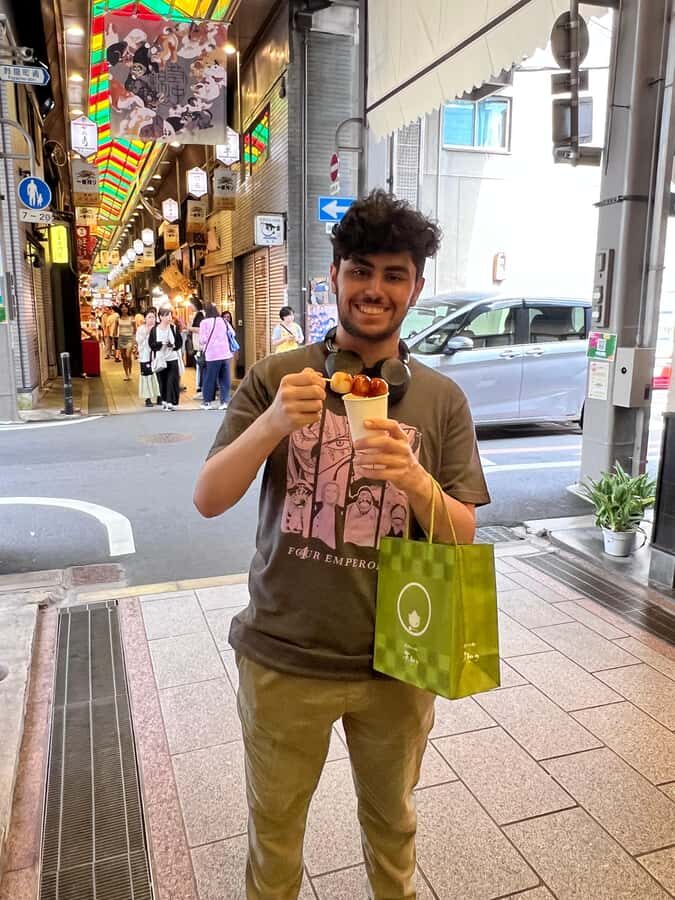
Nishiki Market is a long, narrow market area—about five blocks—and it’s been at the center of Kyoto’s food culture for centuries. It traces back to the early 14th century, starting as a small cluster of fish shops, and growing into a place with 100+ stalls and specialty shops. That scale is the magic and the challenge: it’s easy to get overwhelmed on your own, but a guide helps you move with purpose.
What you’ll experience is the market’s rhythm: people weaving through tight aisles, vendors preparing and selling, and the constant pull of smells from prepared foods and fresh ingredients. The tour uses that environment to teach you how Kyoto thinks about food—small details like timing, ingredient freshness, and seasonal availability are part of the lesson, not just trivia.
This is also why I think the guided format matters. When you can’t read the whole scene quickly, you can still enjoy it—but you’ll enjoy it more if someone explains what you’re looking at and helps you sample smarter.
A few more Kyoto tours and experiences worth a look
What You Gain from a Local Guide (Especially If You Like Context)
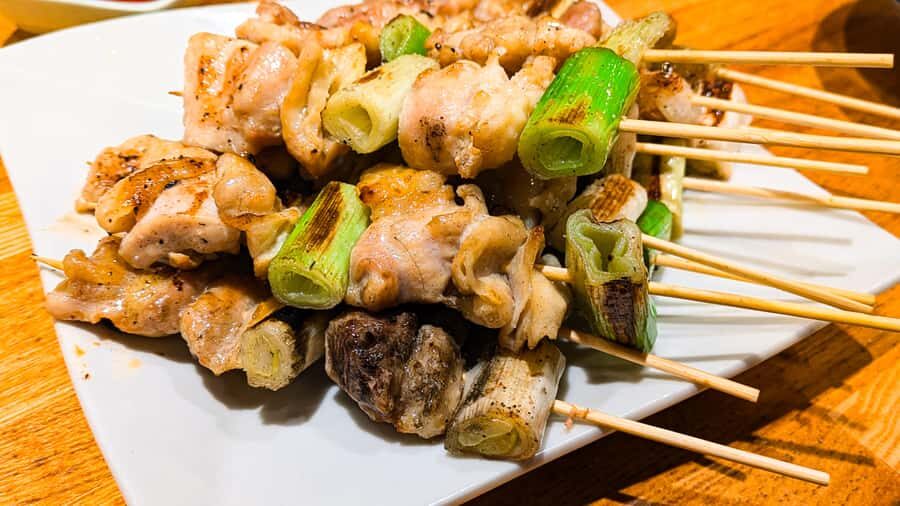
The biggest reason I’d pick this tour is the guide. The tour is led by a local expert who adds cultural and historical insights tied directly to what’s happening in the market.
You’ll see the quality of guidance in the feedback. Guides have been described as excellent and kind—one review specifically noted help when a participant fell during the tour. Another mentioned a guide named Steven as exceptionally knowledgeable, with learning that went beyond ordering and into how Kyoto food is cooked and why the market matters.
That kind of guide does two practical things for you:
- They translate the food scene into clear, bite-sized lessons.
- They help you connect your tasting to Kyoto’s larger dining ideas.
And that matters in Nishiki because it’s not just one cuisine. It’s a concentration of traditions—seafood roots, seasonal ingredients, and everyday Kyoto flavors—stacked into a short walking route. A guide turns that into an understandable map in your head.
How the Food Tasting Works: Seasonal Bites, Not Random Samples
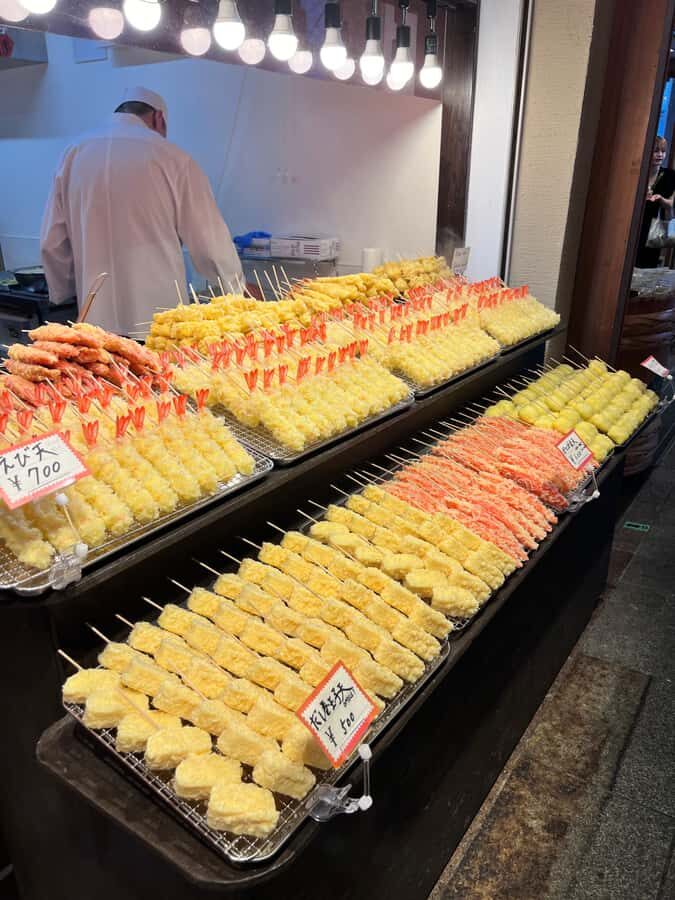
This tour includes food tasting, and the tasting is the main event. The tour’s highlights emphasize trying different seasonal traditional food, which means the menu changes based on what’s available. That’s one of Kyoto’s core approaches, and the tour is built to show it.
Here’s how to think about value with a tasting tour: you’re not paying only for the food. You’re paying for guidance on what’s worth sampling and what the items represent. Without a guide, you can end up buying one or two things that are tasty but don’t give you the bigger picture.
With this tour, the tastings connect to lessons you’ll hear along the way, including Kyoto ideas like multi-course dining style (often associated with Kyoto kaiseki) and the role of Buddhist vegetarian cuisine. In other words, the tour is designed so the food supports the storytelling, and the storytelling makes the food more memorable.
One consideration: the tasting approach still means walking and sampling, so expect to eat enough to feel satisfied but not so much that you’ll want a giant next meal immediately after. Pace matters. If you’re sensitive to crowds or motion while eating, go slow and ask your guide to adjust the flow.
A Guided Walk Through Market History You Can Actually Use
Nishiki Market is described as the heart of Kyoto’s food culture for centuries. The tour doesn’t treat that as a museum lesson stuck in the past—it brings the history into the market itself.
You’ll hear how it developed from early fish shops into a broader marketplace with more specialty stores and stalls. And you’ll learn why that matters for how the market tastes today. If you understand the fish-shop roots, it makes it easier to notice how seafood, ingredients, and seasonal supply influence what people buy.
This is the kind of historical context that helps you even after the tour. When you go back later, you’ll recognize the market as a living food system, not a sightseeing strip. It also helps you avoid the common trap of treating famous food streets like theme parks. Nishiki is busy because people actually use it for food, ingredients, and everyday culture.
Kyoto Kaiseki Thinking Meets Buddhist Vegetarian Cuisine
Two highlights are especially interesting if you care about what makes Kyoto cuisine distinct: the tour covers Kyoto seasonality and the philosophy behind Kyoto kaiseki, plus the influence of Buddhist vegetarian cuisine on the market.
Kyoto kaiseki is often described as a multi-course approach where each course reflects season and balance. Even if you’re not sitting down at a full dining experience, the guide’s explanation helps you see what the market version of that idea looks like: small, thoughtful bites, ingredient choices that change through the year, and flavors shaped by what’s available rather than what’s most convenient.
Then there’s the Buddhist vegetarian angle. Kyoto has deep links to temple culture, and the market reflects that influence. The tour’s focus on this topic gives you a different lens for understanding stalls and food choices—especially if you’re expecting everything to be seafood-heavy or meat-based. If you eat vegetarian or you just like learning how culture shapes menus, this part is a strong reason to go.
If you’ve ever wondered why Kyoto flavors can feel both gentle and precise, these explanations are a big part of the answer.






Practical Tips That Make the Tour Feel Easy
This tour is simple on paper, but it’s still a real market walk. A few notes will make your time smoother:
- Wear comfortable shoes. The lanes are narrow and you’ll be on your feet for most of the experience.
- Bring a water bottle. Hydration helps when you’re eating and walking in a dense area.
- Photography is allowed, but you should be respectful and ask vendors first. In markets, that little courtesy keeps things pleasant for you and for shop staff.
- Vegetarian options are available. If that matters to you, notify in advance so the tastings can match your needs.
One more practical point: last-minute bookings might have to be canceled. If you’re traveling in peak season or on a tight schedule, keep a bit of flexibility in mind.
Price and Value: Is $64 Worth It?
At $64 per person, the tour isn’t a budget snack-and-walk, but it also doesn’t pretend to be a luxury private dinner. The value comes from what’s included: a local guide, food tasting, and cultural and historical insights.
Here’s why that structure can make sense:
- You’re paying for better food decisions. In a market with 100+ stalls, guidance can save you from wasting money on items that don’t fit what you’re trying to learn.
- You’re paying for context. Tastings plus explanations usually turn a few bites into a lasting memory—and that’s the point of a food tour.
- You’re paying for flow. A guide helps you keep moving without getting stuck trying to figure out what to buy next.
What’s not included is hotel pickup and drop-off, so factor in how you’ll reach the market area yourself. If you already planned to be walking around central Kyoto anyway, that’s not a big drawback. But if you’re relying on transportation convenience, plan your route so you arrive on time.
Who This Tour Fits Best (And Who Might Skip It)
This tour is a great fit if you want:
- A guided introduction to Nishiki Market without feeling lost
- Seasonal food sampling with explanations you can reuse later when you’re shopping or eating on your own
- A food lens that includes Buddhist vegetarian cuisine and Kyoto dining philosophy
It’s also especially helpful if you prefer English interpretation and want a local voice. The tour is listed as English-language.
You might consider a different option if you:
- Dislike crowded market conditions and don’t want a walking experience that keeps you close to stalls.
- Need a slower pace. The tour is built around walking and stopping, so you’ll want to communicate your limits if that’s a concern.
Final Call: Should You Book This Nishiki Market Food Tour?
I’d book it if your goal is to understand Kyoto food culture in a practical way. You’re getting three things that usually cost extra time or extra research on your own: tastings, history, and food philosophy (seasonality, Kyoto kaiseki style thinking, and Buddhist vegetarian influence).
If you’re the type who likes to eat with a plan, ask questions, and come away with a better sense of what you’re seeing in Nishiki, this tour makes that easy. And the guide reviews hint at real care—helping when someone needs assistance and delivering clear explanations, including from guides named Steven and Gary.
If, however, you’d rather freestyle and pick your own snacks with no structured tastings or explanations, you could still enjoy Nishiki on your own. But you’ll likely miss the “why” behind what you’re eating.
In short: for first-timers to Nishiki or anyone who wants meaning with their bites, this one is a solid choice.
FAQ
What’s included in the Kyoto Nishiki Market Food Tour?
The tour includes a local guide, food tasting, and cultural and historical insights.
Do I need hotel pickup for this tour?
No. Hotel pickup and drop-off are not included, so you’ll need to get to the market area yourself.
Are vegetarian options available?
Yes. Vegetarian options are available, but you should notify in advance if you require them.
What language is the tour offered in?
The tour is offered in English.
How much walking should I expect?
The tour involves a lot of walking through the market, so comfortable shoes are recommended.
Can I take photos during the tour?
Photography is encouraged, but you should be respectful of vendors and ask before taking photos.
Is there a cancellation policy if plans change?
Yes. You can cancel up to 24 hours in advance for a full refund.
Is reserve & pay later available?
Yes. You can reserve and pay later, with no payment needed today.