Geisha culture is easier to read here. This 2-hour walk through Kyoto’s Gion and surrounding entertainment-district streets gives you more than surface sights, with a lounge intro, an interactive slideshow, and games tied to the traditions you’re seeing outside. You’ll also have a real chance to catch a glimpse of geisha women in full costume as you move through the narrow lanes.
I love that you start with context in the Miyagawa-chō traveler lounge, so you understand what you’re looking at before you step onto the sidewalks. I also like the balance of places: geisha districts plus Kenninji Temple, Yasui Kompira-Gu Shrine, and ends near Yasaka Shrine, which helps the whole experience feel like part of Kyoto, not just a themed walk. One drawback to keep in mind: it’s still a walking tour, so if it rains, you’ll be outside for a long stretch.
In This Review
- Key Highlights You’ll Actually Feel
- What This Tour Does Differently in Gion
- Miyagawa-chō Traveler Lounge: Welcome Drink and Games
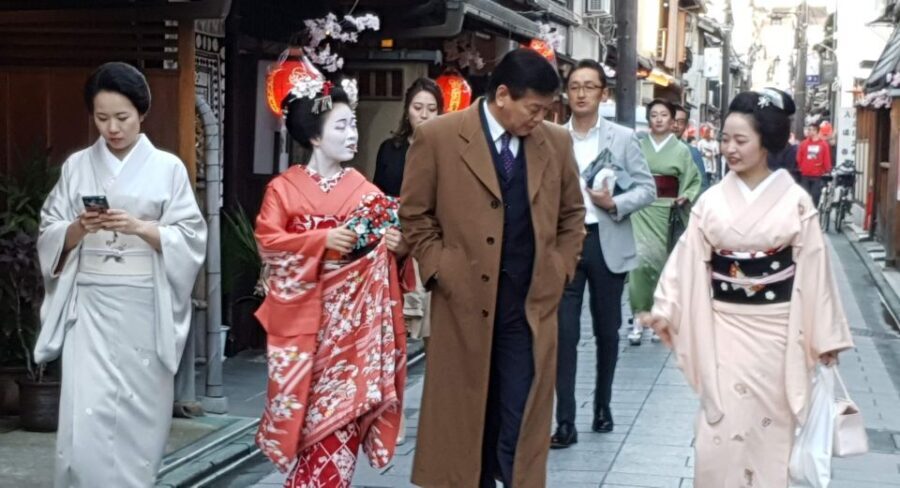
- Walking Central Geisha Districts: Tea Houses, Hanamachi, and Quiet Clues
- Kenninji Temple: A Short Break That Changes the Mood
- Yasui Kompira-Gu Shrine and Ninenzaka: Streets With Story-Texture
- Yasaka Shrine Finish: Where Kyoto’s Energy Shows Up
- Price and Value: Why $38 Makes Sense for This Format
- What I’d Watch Out For Before You Book
- Who This Tour Is Best For (and Who Should Skip)
- Should You Book This Kyoto Fun Geisha District Tour?
- FAQ
- How long is the Kyoto Geisha Districts walking tour?
- Where does the tour start?
- What areas will we walk through?
- What sights are included besides the geisha districts?
- Is there a welcome drink included?
- Is food included?
- What languages are available for the guide?
- Is this tour suitable for people with mobility impairments?
Key Highlights You’ll Actually Feel
- A lounge start in Miyagawa-chō with a welcome drink, background on geisha culture, and interactive games
- Interactive slideshow time that makes the district make sense fast
- Walking close to 1 hour through historic narrow streets and central geisha areas
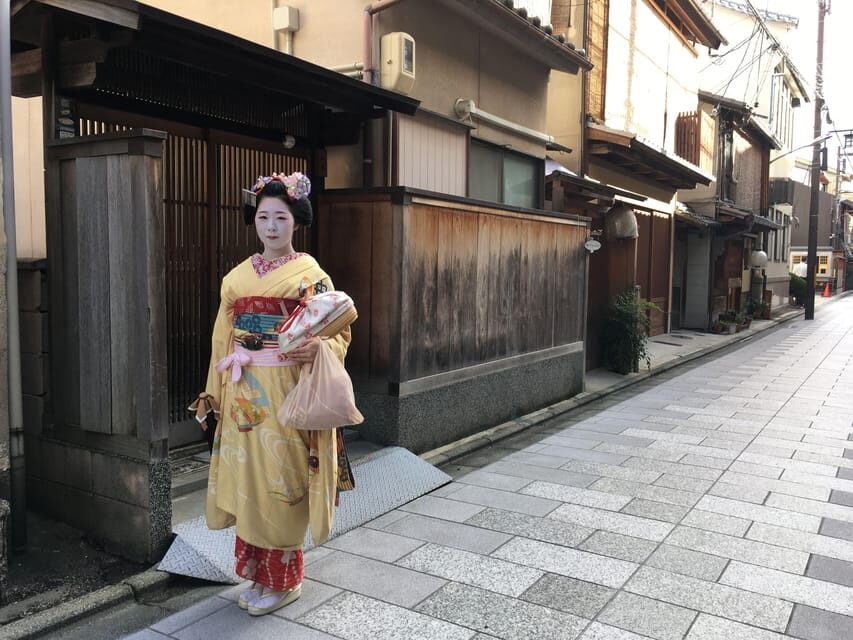
- Chance to see geisha in full costume while you learn the customs behind the look
- Temple and shrine stops that break up the district and add Kyoto meaning
- Small-group or private options, ideal for questions and pace
What This Tour Does Differently in Gion
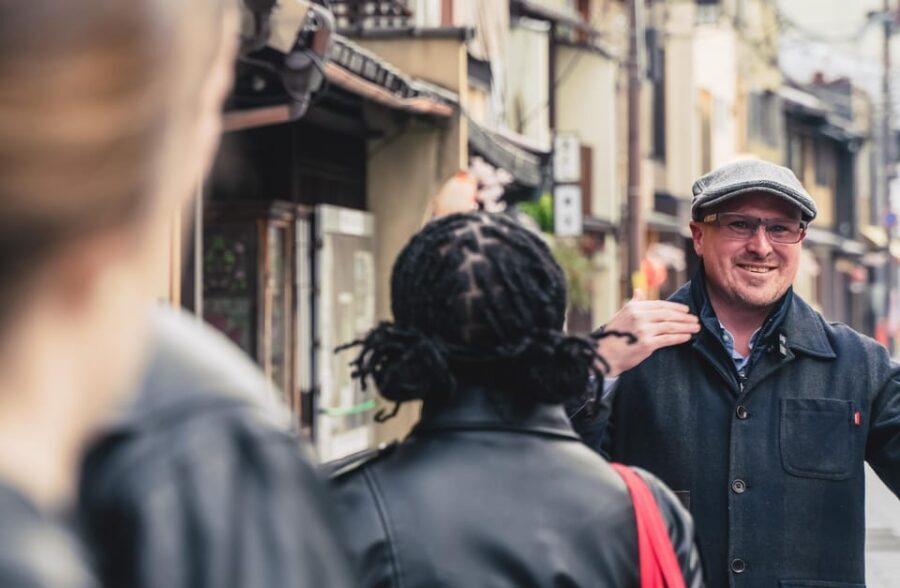
This tour is built for people who genuinely want to understand geisha culture, not just take photos and guess what everything means later. The big smart move is the order: you don’t start by sprinting down crowded streets. You begin in a traveler lounge in the heart of Miyagawa-chō, where you get background and do interactive bits before you walk.
For me, that matters because Kyoto’s entertainment districts can look like just more old streets until someone explains the rules, the roles, and the traditions behind what you’re seeing. Once you get those signposts, you start noticing details that most first-timers miss: how the district is organized, why these neighborhoods are still carefully structured, and what it means when you spot something that looks like it belongs to a traditional world.
The pacing also helps. You spend time on foot through central areas, and the itinerary builds in short visits to major stops so the tour never feels like a single long corridor of sights. You’ll be learning and walking at the same time, which is the whole point of a good two-hour cultural walk.
A few more Kyoto tours and experiences worth a look

Miyagawa-chō Traveler Lounge: Welcome Drink and Games
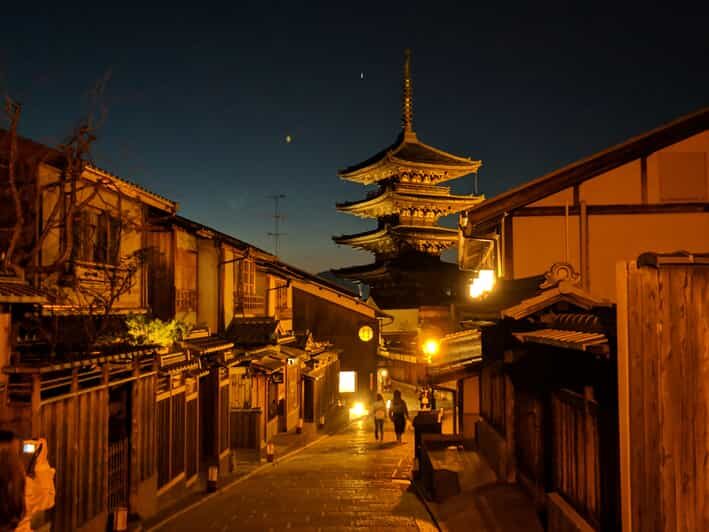
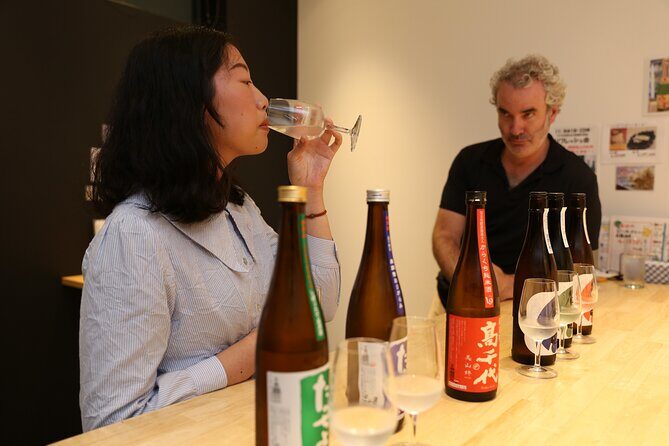
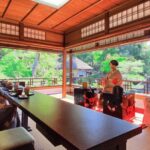
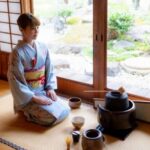
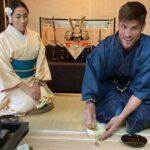
Before the walking starts, you meet at a traveler lounge in Miyagawa-chō. This is your early win. You get a welcome drink, plus an intro that explains the world of the geisha—history and customs—so your brain isn’t trying to figure things out while you’re dodging umbrellas on narrow streets.
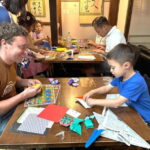
You also get an interactive slideshow and games that connect to the entertainment district experience. The tour emphasizes that these activities are done as part of the geisha culture side of things, which makes the lounge feel more like learning than waiting. If you’ve ever been on tours that start cold, with zero context, you’ll appreciate this one.
And yes, the tour leans into a behind-the-scenes angle. You’ll get an idea of what a visit to a tea house world can feel like, without turning it into an awkward performance. The lounge is where you learn the language of the place—then the streets start talking back.
Walking Central Geisha Districts: Tea Houses, Hanamachi, and Quiet Clues

After the lounge, you hit the road on a walk that takes close to 1 hour. You’ll explore Gion, plus the surrounding entertainment-district areas in Higashiyama. The tour visits 4 out of 5 hanamachi geisha districts, which is a key detail. You’re not just covering one pocket; you’re getting a broader sense of how the districts relate to each other.
You’ll also pass hundreds of real tea houses as you move through the central geisha neighborhoods. That’s important because tea houses are part of the district’s everyday identity, not just a sightseeing label. Even if you don’t see someone in full costume every few minutes, the environment itself is the clue: old streets, traditional storefront rhythm, and the way the district is laid out for those who know how to navigate it.
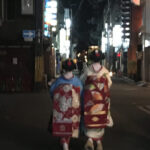
The tour also promises a chance to catch a glimpse of a few women in full costume. Reality check: no walking tour can guarantee sightings on demand. But by explaining customs and keeping your eyes open, you’re far more likely to recognize what you’re seeing when it happens. You’ll know the difference between a random kimono sight and something connected to the geisha world.
A practical note: the lanes are narrow and Kyoto old-district streets can be uneven. Comfortable shoes matter more here than usual. You’re walking for about an hour after the lounge, plus the time spent at stops along the way, so don’t plan to wear your most delicate sandals.
Kenninji Temple: A Short Break That Changes the Mood
One of the smartest parts of the itinerary is the insertion of Kenninji Temple. It’s a 15-minute visit, which is just enough time to reset your mind and shift from entertainment-district focus to Kyoto’s spiritual and cultural depth.
Even without a long sit-down, temple stops help break the experience into layers. You’re in Higashiyama territory anyway, so this feels natural. And once you’ve seen the geisha district streets, stepping into a temple environment gives you a sense of how different traditions share the same neighborhoods.
This is also where the tour’s timing works. After you’ve been walking and looking closely, the short temple stop gives you breathing room while the guide keeps tying things together with cultural context.
Yasui Kompira-Gu Shrine and Ninenzaka: Streets With Story-Texture
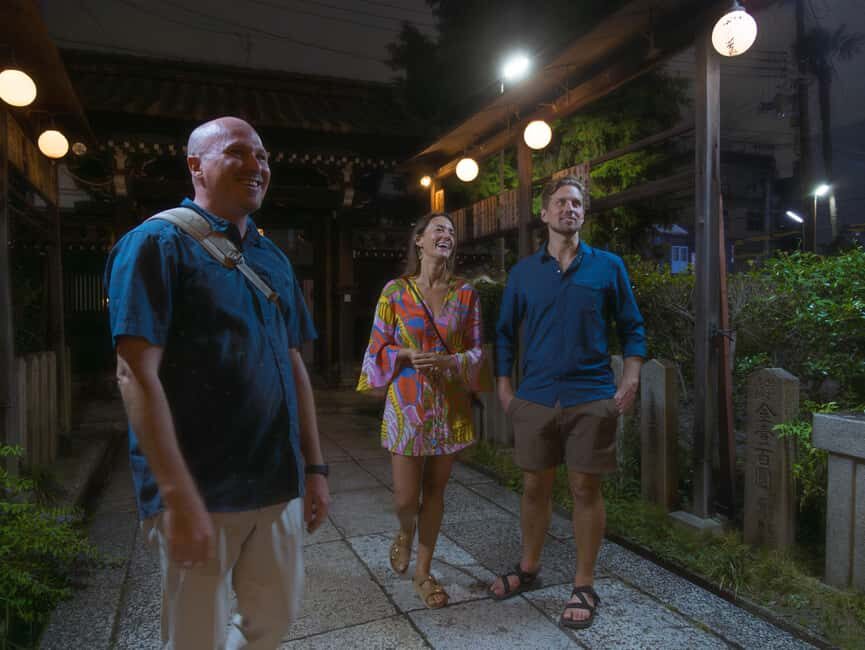
Next up is Yasui Kompira-Gu Shrine (15 minutes). Shrine visits in Kyoto tend to do two things at once: they give you a visual anchor and they teach you how the city’s religious life weaves into everyday spaces. This is short, so you won’t be stuck in a long line, but it still gives your walk a second theme beyond tea houses and traditional entertainment districts.
Then you move to Ninenzaka for about 20 minutes. Ninenzaka is the kind of place where the street itself feels like the attraction. The tour’s value here is the framing: you’re walking the historic lanes with a guide who connects what you see to the broader cultural world around Gion.
One drawback to be aware of in lanes like Ninenzaka is simply foot traffic and footing. If you’re traveling during busy hours, you’ll share space with other visitors. A small-group or private tour helps with that, because it’s easier to keep a steady pace and ask questions without stopping every 30 seconds.
Other walking tours we've reviewed in Kyoto




Yasaka Shrine Finish: Where Kyoto’s Energy Shows Up
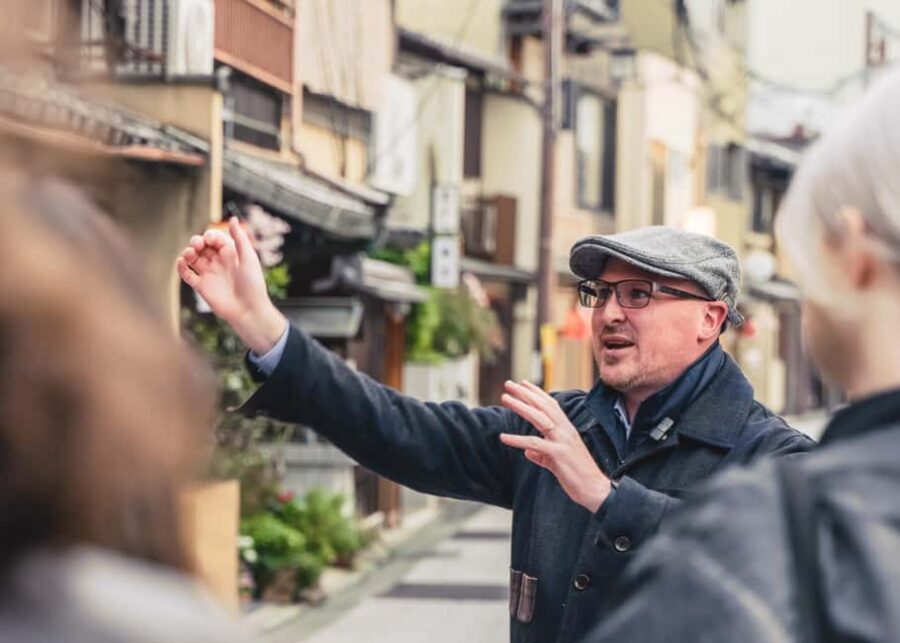
The tour ends at Yasaka Shrine area, with another guided segment of around 20 minutes. This is a strong finish because Yasaka Shrine sits in the zone where Kyoto’s layers overlap: old streets, daily movement, and the pull of evening life nearby.
By the time you reach this stop, you’ve already seen the geisha-district structure, temple context, and traditional lanes. That makes the final stop feel like a closing chapter instead of just another photo point.
Also, the tour includes helpful wrap-up guidance. At the end of the walk, your guide can suggest places to go for dinner. That’s a small thing, but it’s practical. After two hours of walking, you don’t want to guess your meal plan from scratch.
Price and Value: Why $38 Makes Sense for This Format
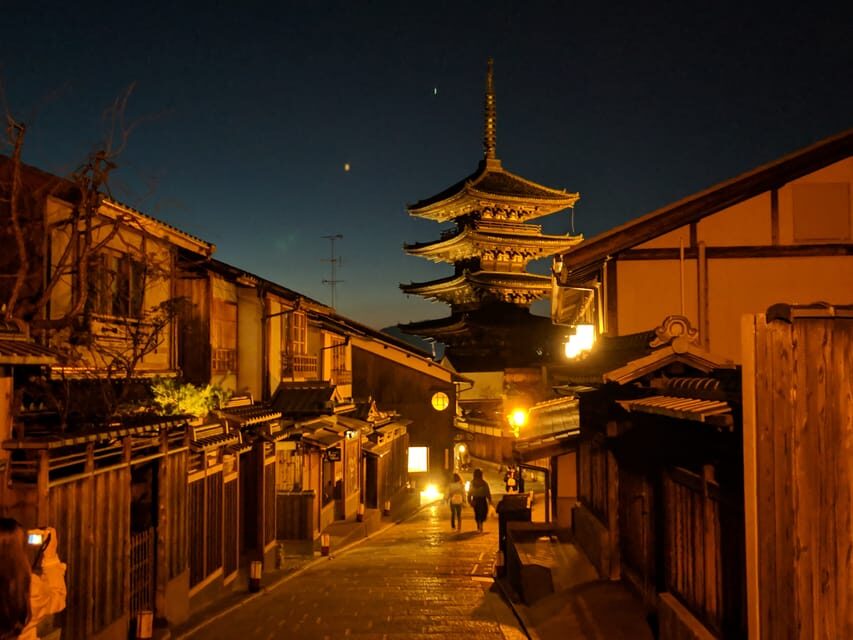
At $38 per person for about 2 hours, this tour isn’t trying to be a budget-only “stroll with a map.” The value is in the format: a bilingual live guide (English or French), guided time through multiple central areas, and a lounge start that includes a welcome drink plus interactive content.
You don’t get food included, and that matters for budgeting. But the tour does include that welcome drink, and you’re also gaining a lot of interpretive guidance. That’s the real expense in tours like this: the time of a guide who can explain what you’re seeing without turning it into vague trivia.
If you’re the type who loves learning while walking and you plan to ask questions, the price feels fair. If you only want quick exterior sights and don’t care about customs or context, you might do better with self-guided wandering. But for geisha-curious first-timers, this structured approach is a good use of a short time window in Kyoto.
What I’d Watch Out For Before You Book
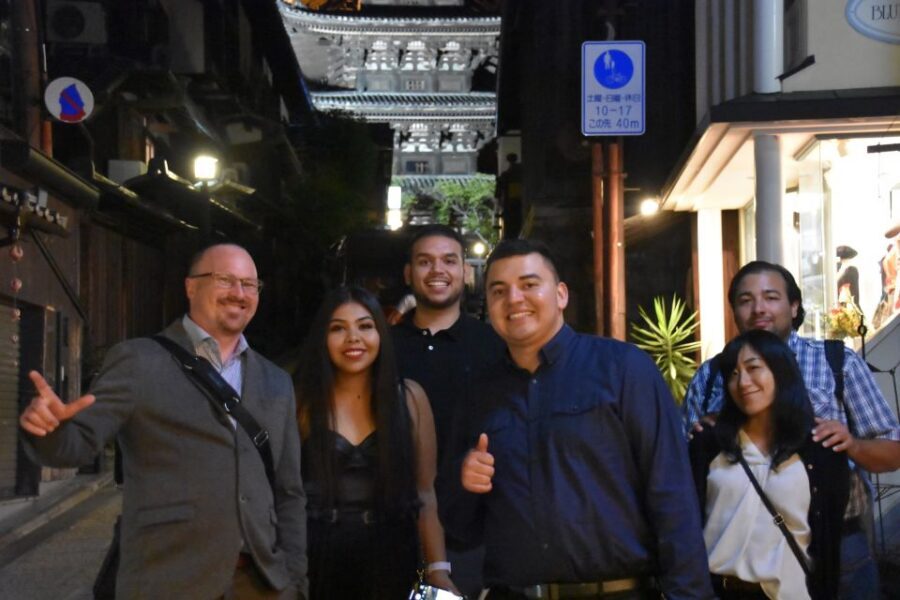
Two things can affect your experience.
First: weather. This tour is partly in the lounge, but most of the experience is still outdoors, and the walking stretch is long enough that rain can make the vibe uncomfortable. If you’re sensitive to cold or wet conditions, wear layers and bring a compact umbrella or rain shell.
Second: mobility. The tour isn’t suitable for people with mobility impairments. Kyoto’s old neighborhoods often involve uneven stone, narrow sidewalks, and stairs. Even if a route looks doable on paper, the real-world ground can be tricky.
Who This Tour Is Best For (and Who Should Skip)
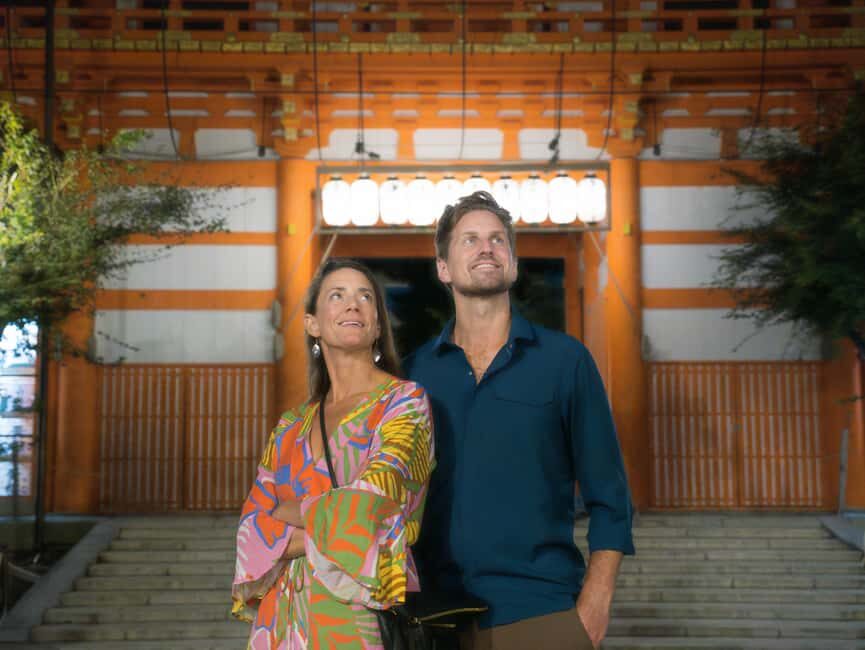
This tour is a strong match for you if:
- you’re fascinated by geisha culture and want context, not just sightseeing
- you like small groups or you want private time to ask questions
- you want a short Kyoto experience that covers multiple stops in a logical route
It may not be your best choice if:
- you want a pure food tour (this one does not include meals)
- you don’t care about learning customs and only want quick views
- you need wheelchair-friendly access or step-free routes
Should You Book This Kyoto Fun Geisha District Tour?
If your goal is to understand Gion in a way that sticks, I think you’ll like this. The tour’s value is in the sequence: lounge intro with drink and interactive games, then a guided walk through central geisha districts with multiple hanamachi covered, plus temple and shrine stops that keep the day from feeling one-note.
Book it if you’re curious, respectful, and ready to walk. Skip it if you’re hunting only for fast photo stops or if wet weather would completely ruin your comfort.
FAQ
How long is the Kyoto Geisha Districts walking tour?
The tour runs for 2 hours.
Where does the tour start?
It starts in Miyagawa-chō at a traveler lounge. There are two possible starting location options depending on what you book, and the meeting point can vary by option.
What areas will we walk through?
You’ll explore Gion and the nearby Higashiyama geisha district areas, visiting 4 out of 5 hanamachi.
What sights are included besides the geisha districts?
You visit Kenninji Temple, Yasui Kompira-Gu Shrine, Ninenzaka, and Yasaka Shrine during the walk.
Is there a welcome drink included?
Yes. You’ll enjoy a welcome drink when you begin at the traveler lounge.
Is food included?
Food and drinks aren’t included as part of the broader package, but the tour does include the welcome drink at the lounge.
What languages are available for the guide?
The tour is offered with a live guide in English and French.
Is this tour suitable for people with mobility impairments?
No, it’s not suitable for people with mobility impairments.