A trip to Kyoto Aquarium feels calm and curious. It sits in Umekoji Park with lawns and forest around you, then turns into a full day of animal encounters and nature-themed exhibits. I especially like the dolphin performances for their speed and smarts, and I love how the penguin area gives each bird room to show its own personality.
One catch: this is a ticket-only visit, and it’s not refundable. Also, since re-entry isn’t allowed, you’ll want a simple game plan so you don’t waste time crossing back and forth.
In This Review
- Key things I’d prioritize at Kyoto Aquarium
- Umekoji Park sets the mood before you even enter
- Dolphin performances: the show you should build your timing around
- Penguins: why this area feels more personal than you expect
- Giant salamanders: rare animals, serious wow factor
- Satoyama recreation: a peaceful countryside scene inside Kyoto Aquarium
- Jellyfish and seals: the quieter favorites that add variety
- Ask about breeding: small conversations that make the animals click
- Price and timing: is $16 worth a full one-day visit?
- Getting your best day plan (without turning it into a race)
- Before you go: what you must know
- Should you book Kyoto Aquarium?
- FAQ
- How much is the Kyoto Aquarium admission ticket?
- How long is the admission ticket valid?
- Is the ticket refundable?
- Can I bring pets into Kyoto Aquarium?
- Is Kyoto Aquarium wheelchair accessible?
- Can I take photos or videos inside the aquarium?
- Can I re-enter the aquarium after leaving?
Key things I’d prioritize at Kyoto Aquarium
- Dolphin agility on show schedules that you can build your day around
- Penguins with distinct personalities, not just a single viewing spot
- Giant salamanders in a dedicated exhibit featuring rare, ancient types
- Satoyama countryside recreation that adds a peaceful nature layer to your visit
- Jellyfish and seals that show up as fan favorites during free-roam exploring
Umekoji Park sets the mood before you even enter
Kyoto Aquarium is on Honshu, Japan, and it’s placed in the quiet surroundings of Umekoji Park. Before you hit any tanks, you’re in an outdoor pocket with green space and the feeling that the day can be slow. That matters, because aquariums can feel like a hurried checklist. Here, the setting helps you actually enjoy the pacing.
Once you step inside, the theme is clear: coexistence between people, animals, and the natural world. Kyoto is known for water, and this aquarium leans into that idea. You’ll notice the layout and storytelling point you toward connection, not just entertainment. Even the nature elements are not decoration. The satoyama section recreates a traditional Japanese rural environment, giving your eyes and brain a rest between animal encounters.
If you like places where nature is part of the experience (not just a background), you’re going to feel it here. The best strategy is to start with the exhibits that match your energy level. If you’re excited by performances, plan those earlier. If you want quieter viewing, start with the calmer tanks and exhibitions first.
A few more Kyoto tours and experiences worth a look



Dolphin performances: the show you should build your timing around
The dolphin program is the headline act, and it’s the part most people end up talking about. What makes it worth your attention isn’t just that dolphins perform. It’s that they look coordinated, quick, and smart in a way that keeps you watching without needing constant instruction. You’ll feel the difference between a simple splash show and something that reads like trained skill.
Plan your day so you don’t arrive mid-show or miss the best viewing time. A good rule: decide which show window you want, then shape the rest of the visit around it. Dolphins are the kind of attraction where being early is rewarding. You get better sightlines, less stress, and you avoid the scramble that ruins the relaxing vibe.
There’s also a small emotional bonus. Dolphins do something interesting for your sense of connection. They’re active, yes, but they also feel responsive—like you’re witnessing behavior, not just spectacle. If you’re traveling with kids, this is also the easiest win: it’s easy to understand, easy to watch, and it turns your aquarium visit into a shared moment.
Penguins: why this area feels more personal than you expect

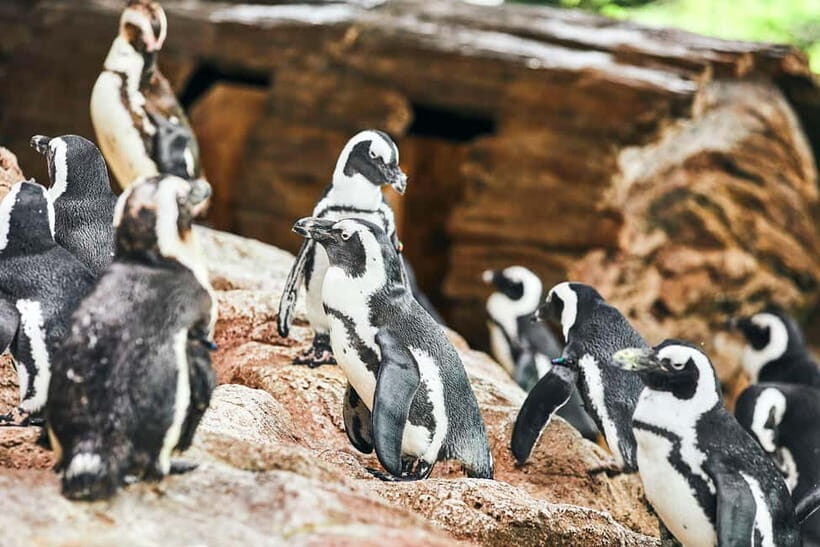
Penguins are one of those animals that can be either boring or oddly fascinating, depending on how the viewing is set up. Here, it works. The penguins are presented in a way that lets you catch movement patterns and individual quirks, so you end up feeling like you’re watching a set of characters rather than the same routine over and over.
The biggest value for you is time. Don’t just glance. Slow down for a few minutes. Watch how they move, where they pause, and how they react when something changes in their area. You might notice that some seem more curious, others more relaxed. That variety is part of the charm, and it’s exactly what people love about this aquarium.
If you’re the type who likes animal behavior over big set pieces, the penguin area is a great middle point between the high-energy dolphin show and the more “wow” exhibits like salamanders. It’s a place where you can stand still and still feel like something is happening.
Giant salamanders: rare animals, serious wow factor
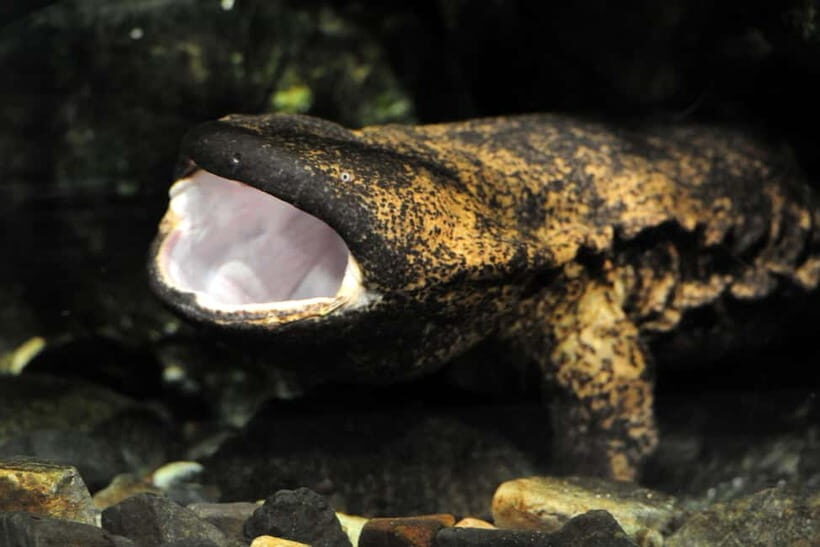
Then you get to the giant salamanders. This exhibit is built around ancient and rare animals, and it feels different from the more performance-based parts of the aquarium. If you like unusual biology, this is where your brain goes quiet in a good way.
Giant salamanders are not the kind of animal you can easily see in everyday life. In this dedicated exhibit, they become a main event. The payoff is simple: you’re close to something that looks prehistoric, yet you’re watching living creatures with real presence.
This section also pairs well with the aquarium’s overall theme of coexistence. Salamanders naturally fit into the story of water, environment, and survival. They’re not there just for shock value. They’re part of the aquarium’s push to show how animals depend on the right conditions.
If you’re traveling with someone who is more into “how does it work” than “look how cute,” salamanders are a reliable win. They’re intriguing, and they encourage you to spend longer than you planned.
Satoyama recreation: a peaceful countryside scene inside Kyoto Aquarium
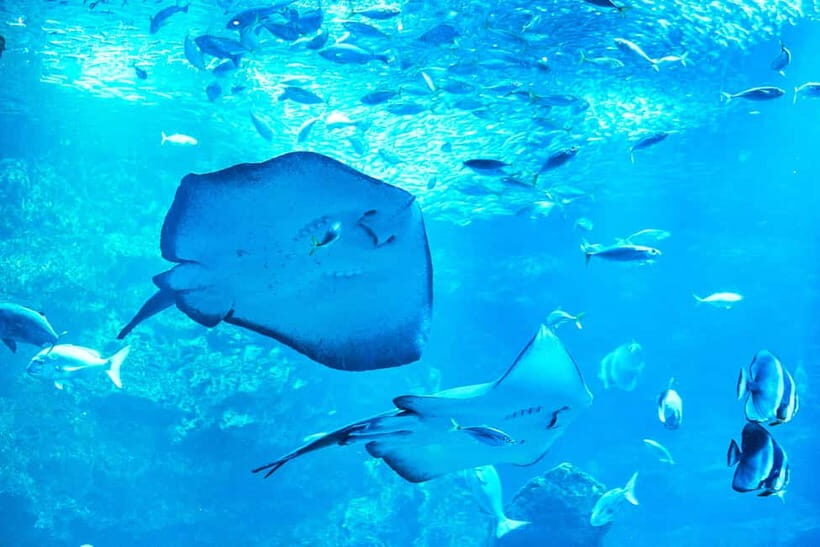
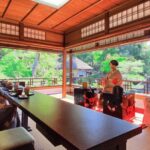
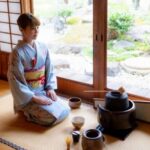
One of Kyoto Aquarium’s most interesting additions is the recreated satoyama environment. Satoyama is a traditional Japanese rural relationship between people and land—managed for living, farming, and a kind of long-term harmony with the environment.
Inside the aquarium, it’s not just a pretty set. It gives your visit a rhythm. After dolphin energy and animal viewing, the satoyama area helps your eyes reset. It also supports the idea of coexistence: nature isn’t treated as separate from daily life. It’s shown as something humans shape carefully over time.
This is where I think the aquarium surprises people. A lot of aquariums feel like a sequence of tanks. Here, you get a recreated countryside feel that makes the visit feel more like a walk through a theme than a hallway of glass boxes. That matters if you’re the kind of traveler who gets tired of “line up, look, move on.”
Practical tip: don’t rush the satoyama section. Give it a couple of extra minutes. Even if you only enjoy atmosphere, it helps the whole day feel less hectic.




Jellyfish and seals: the quieter favorites that add variety
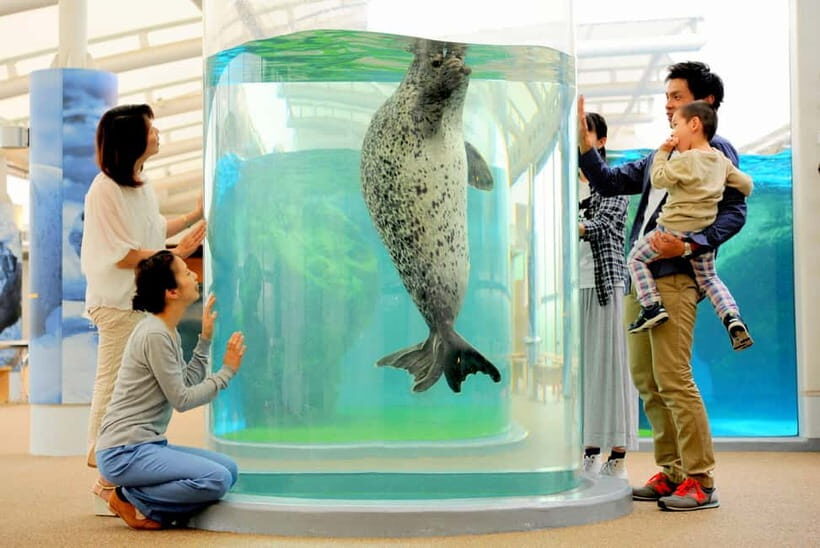
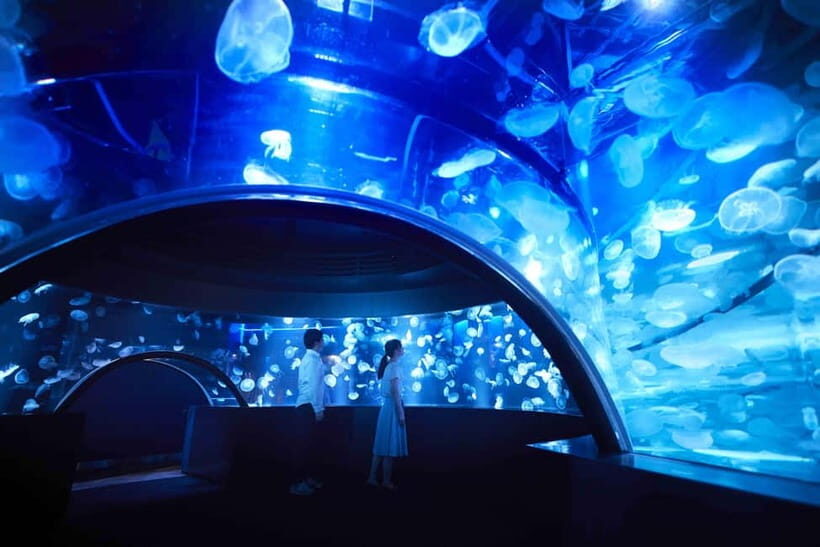
Jellyfish aquariums show up as a top favorite in the experience, and seals are a close second. That combination makes sense. Jellyfish tend to slow people down. Their movement is hypnotic, and you can lose time without realizing it.
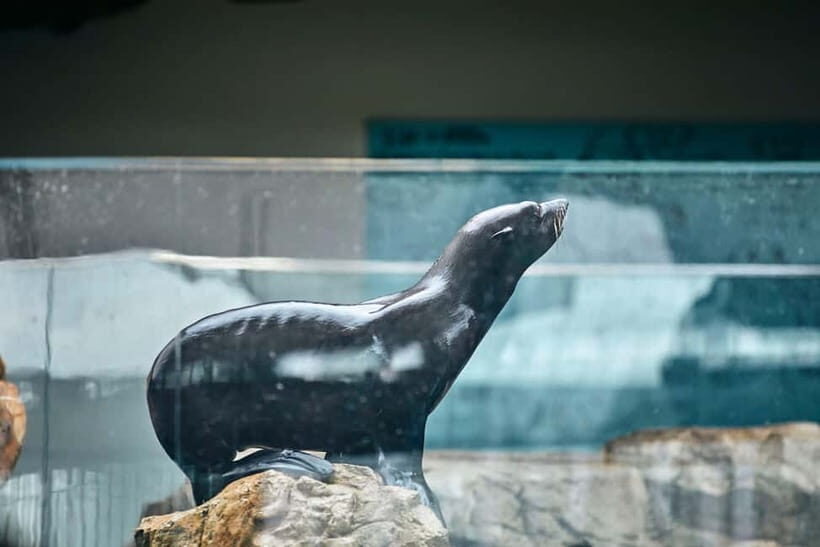
Seals, on the other hand, bring energy and curiosity back into the mix. If your day starts strong with dolphins, you may want jellyfish next to keep things balanced. If your day starts slowly, seals help you feel momentum again.
The best way to use these exhibits is to treat them like a palate cleanser. Don’t try to cram everything back-to-back. Instead, alternate between:
- high-energy viewing (shows, active animals)
- slower viewing (jellyfish, calmer exhibits)
That approach keeps you from getting sensory overload. It also makes the whole aquarium feel more like a sequence of experiences, not a marathon.
Ask about breeding: small conversations that make the animals click
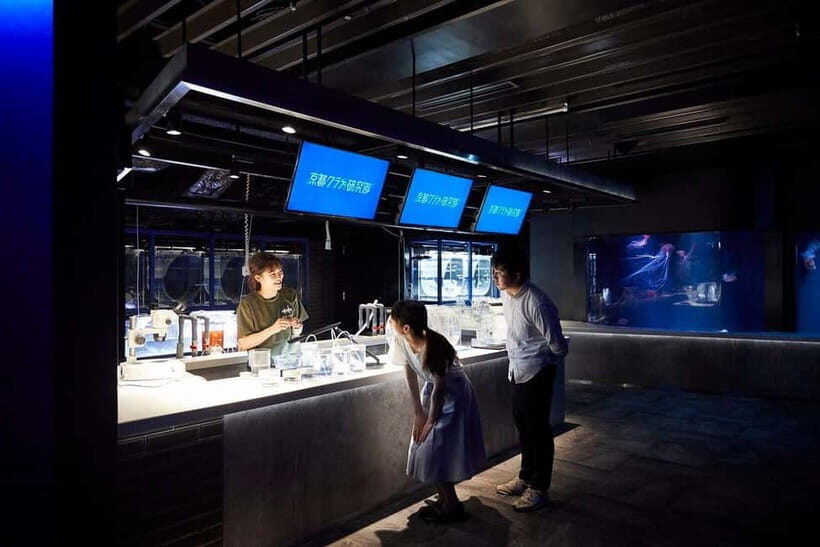
One of the best ways to get more out of a self-paced aquarium visit is to use the staff. If you have a strong interest in any animal, take a minute to ask about the breeding program or the care side of the exhibit. The breeding staff are passionate, and they can share real, heartfelt information that connects your viewing to what’s happening behind the scenes.
You don’t need a long conversation. Even one good question can change how you look at an animal. For example, you might notice details in behavior or habitat choices after you understand what the program is focusing on.
This is especially valuable if you’re traveling with kids. Kids often ask the best questions. Adults do, too, but kids tend to go straight for the “why.” Staff explanations can turn that curiosity into something memorable.
Price and timing: is $16 worth a full one-day visit?
At about $16 per person for a one-day ticket, Kyoto Aquarium is priced like a solid day attraction, not a splurge. The main value isn’t only the number of exhibits. It’s that the aquarium gives you different kinds of engagement in one ticket: performances, close viewing, rare-animal exhibits, and a countryside-style recreation.
In other words, you’re not paying for just one highlight. Dolphins, penguins, giant salamanders, satoyama, plus jellyfish and seals create enough variety that you can spend the day without feeling trapped in one room.
How long will you need? People often arrive thinking it will be a quick couple of hours. Then the mix of exhibits extends the time. A practical target is to plan a full day window, especially if you want to catch the dolphin show and slow down in the calmer exhibits like jellyfish and salamanders.
Also plan around the fact that re-entry isn’t allowed. If you’re tempted to step out for a break, keep your time tight. Once you go out, you can’t come back on the same ticket.
Getting your best day plan (without turning it into a race)
Since this is a ticket admission rather than a guided tour with a fixed route, your strategy matters. Here’s a simple way to structure your visit so you don’t feel rushed.
1) Pick the dolphin show time first
If there’s a program schedule you want, build the day around it. That reduces stress and helps you keep moving in logical order.
2) Do the “rare and wow” exhibits next
Giant salamanders are a major emotional payoff. After the performance, you’ll likely be ready for something slower and more focused.
3) Spend real time with penguins
They’re best when you pause and watch. Don’t treat them like a quick stop.
4) Put satoyama somewhere mid-afternoon
It works well after you’ve seen a few animal zones. It resets your pace without being boring.
5) Finish with jellyfish and seals
This combo can feel like a soft landing. You get calm movement and energetic viewing to close your day with variety.
If you remember one thing, remember this: mix energy levels. Your brain will thank you.
Before you go: what you must know
A few house rules matter more than people think. You can take photos and video, but you should avoid flash inside the building to protect the animals. Pets aren’t allowed, though assistance dogs like guide dogs can be accompanied. And since re-entry isn’t possible, think carefully before you step outside for a break.
Also, the ticket is non-refundable, so be honest with your plans. If your day in Kyoto is flexible, this might be fine. If it’s risky because of weather or schedule uncertainty, plan accordingly.
Should you book Kyoto Aquarium?
Book it if you want a Kyoto day that’s not just city sightseeing. Kyoto Aquarium fits especially well for families, animal lovers, and anyone who likes nature themes inside an attraction. The best reasons to go are the mix: dolphin shows, individual-feeling penguins, a dedicated giant salamander exhibit, and the satoyama countryside recreation that slows your pace.
Skip it only if you’re looking for a guided, scripted experience with a tight itinerary. Since this is admission ticket entry, your enjoyment depends on how you pace yourself. But if you’re happy to roam, choose a show time, and slow down with the animals, Kyoto Aquarium is a strong one-day value at $16.
FAQ
How much is the Kyoto Aquarium admission ticket?
The price is $16 per person.
How long is the admission ticket valid?
The ticket is valid for 1 day.
Is the ticket refundable?
No. The activity is non-refundable.
Can I bring pets into Kyoto Aquarium?
Pets aren’t allowed inside the building. Assistance dogs such as guide dogs can be accompanied.
Is Kyoto Aquarium wheelchair accessible?
Yes, the facility is wheelchair accessible.
Can I take photos or videos inside the aquarium?
Camera and video shooting are possible, but you should refrain from flash photography inside the building for biological protection.
Can I re-enter the aquarium after leaving?
No. Re-entry isn’t possible.