A bowl of matcha can change your pace fast. In this hands-on Kyoto class, you make wagashi in a local home kitchen, then slow down for an etiquette-focused tea ceremony in a tatami room with a garden view. I love the practical feel of learning by doing, and I love that the matcha experience is taught with clear steps instead of strict rules. One thing to consider: you’ll be on the floor (socks required), and there are limits on photos during part of the session.
This is built for small groups of up to 6, so you get time for questions and personal guidance from an English-speaking host. The setting is the real star: a Japanese-style house with a small garden walk, then seating in an authentic room with a hanging scroll in the alcove. The vibe is peaceful—more calm retreat than tourist sprint.
Plan on bringing socks and skipping bare feet. If floor sitting is tough, chairs and tables are available—tell them in advance. Also note that Japanese sweets can vary by season, so what you see in photos may not match your exact tray.
In This Review
- Key reasons this Kyoto wagashi and matcha class feels worth your time
- Step inside a quiet Fushimi Inari-area house
- Wagashi workshop: make one traditional sweet with your own hands
- Tea ceremony manners: tatami seating, the alcove, and the scroll
- Matcha tasting to self-making: learning the real steps
- What $55 gets you in 75 minutes (and why it feels fair)
- Tips for a smooth session (so you can focus on learning)
- Who should book this Kyoto wagashi and matcha class—and who should skip it
- Should you book? My honest take
- FAQ
- How long is the Kyoto Fushimi Inari wagashi and small-group tea ceremony?
- What is the price per person?
- Is this a hands-on workshop or just a demonstration?
- What’s included in the class?
- Are hotel pickup and drop-off included?
- What do I need to bring?
- Are bare feet allowed?
- Can I take photos or record video?
- What’s the group size?
- Is it suitable for kids and wheelchair users?
Key reasons this Kyoto wagashi and matcha class feels worth your time
- Hands-on wagashi making: You don’t just watch; you learn one kind of traditional sweet from start to finish.
- Matcha skills you can repeat: You get to make and prepare a bowl yourself with a bamboo whisk.
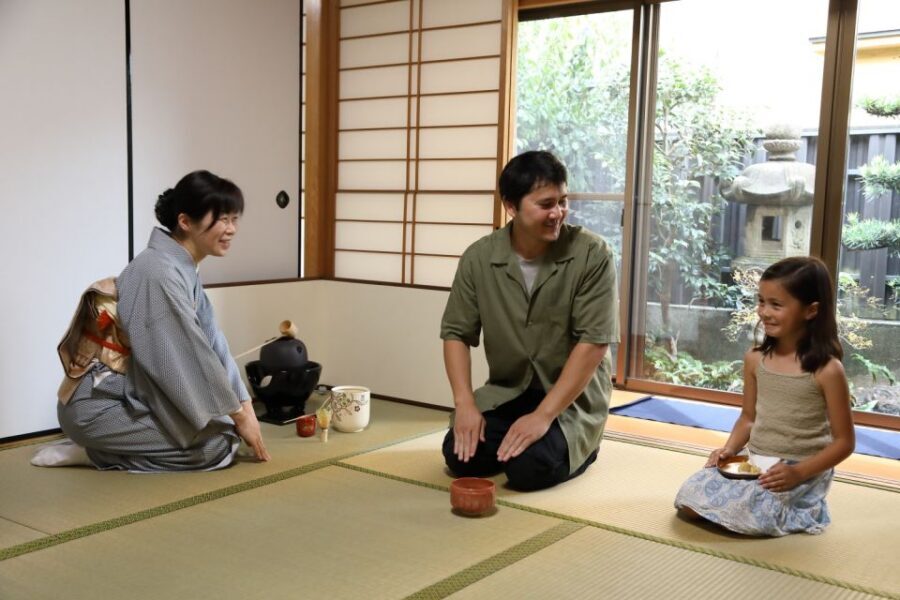
- Tea ceremony taught with manners: You’ll learn how to sit and how to drink in the Japanese room.
- A calm local-house setting: A garden-view house plus a tiny garden walk makes the whole experience feel quieter.
- Small group, up to 6: Easy for questions, and the pacing stays comfortable for most people.
- Licensed English guidance: Instructors are licensed guide interpreters, so explanations land clearly in English.
Step inside a quiet Fushimi Inari-area house
This experience starts the way good Japan experiences start: not at a crowded meeting point, but in a local home setting. When you arrive, an English-speaking host welcomes you and brings you to the kitchen area. From the start, the focus is on calm, not rushing—more like you’ve been invited to learn something personal than booked into a “thing to do.”
Before you ever touch tea tools, you get to see how the space works. You’ll be guided through Japanese-style rooms, including time in areas that feel domestic and lived-in rather than staged for tourists. A big plus here is the garden view. It gives you a visual reset right away, especially if Kyoto has been feeling like a nonstop flow of people.
There’s also a practical rhythm to how the day is paced. The session is 75 minutes, and it’s designed to fit comfortably without feeling stretched. You move from wagashi prep to ceremony to your own matcha bowl, so the skills build in a logical order.
A few more Kyoto tours and experiences worth a look
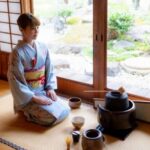
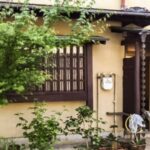
Wagashi workshop: make one traditional sweet with your own hands
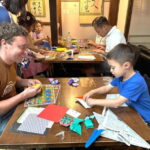
The first major block is your wagashi lesson. You’ll learn how to make one kind of Japanese confectionery at the host’s home, and it’s hands-on—no passive demonstration-only setup.
In practice, this is where most people get the most satisfaction. Your hands learn the technique, your senses track what’s happening, and you walk away with something real you helped create. That matters, because wagashi isn’t just sugar and decoration. The structure, texture, and sweetness level connect directly to tea culture and seasons in Japan.
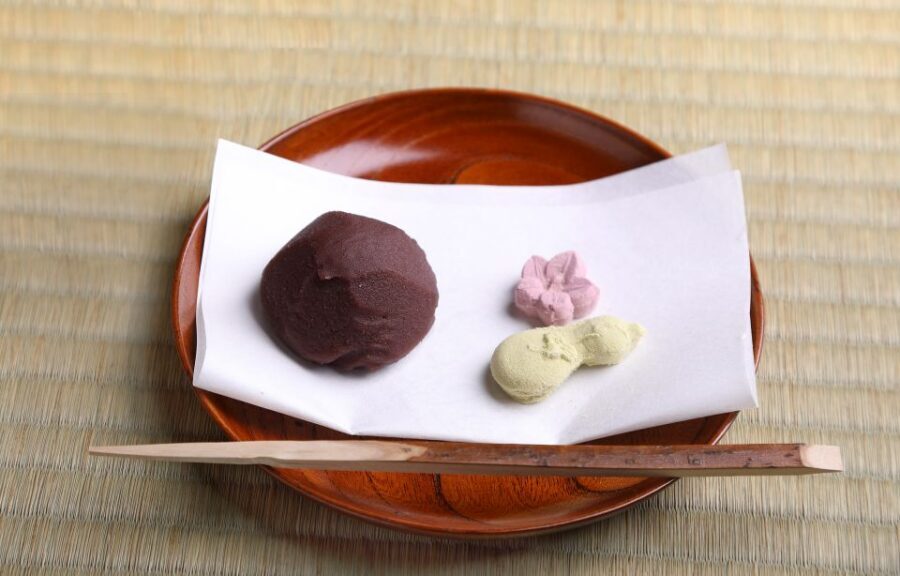
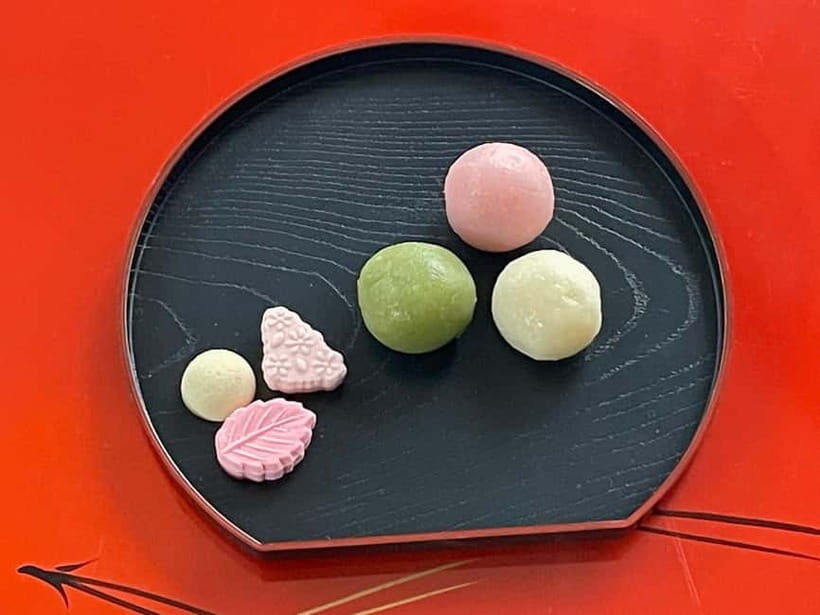
One detail worth knowing: the exact wagashi you make can differ depending on the season. In at least one recent class, people made mochi with red bean paste and white bean paste, and that’s the kind of session where you can taste the results immediately. Even if your sweet ends up different, the method and the kitchen guidance should still give you the same feeling of doing it yourself.
Your instructor will also explain how to eat sweets during the tea setting. That’s a small thing, but it’s useful. In many tea-related activities, people treat wagashi like a side snack. Here, you’re taught how the sweet fits into the ceremony flow.
Tea ceremony manners: tatami seating, the alcove, and the scroll
After wagashi, you switch gears into tea ceremony mode. Before you sit down, the host explains how to attend the ceremony and covers manners in the Japanese room. This helps you avoid the awkward moments where everyone else seems to know what to do.
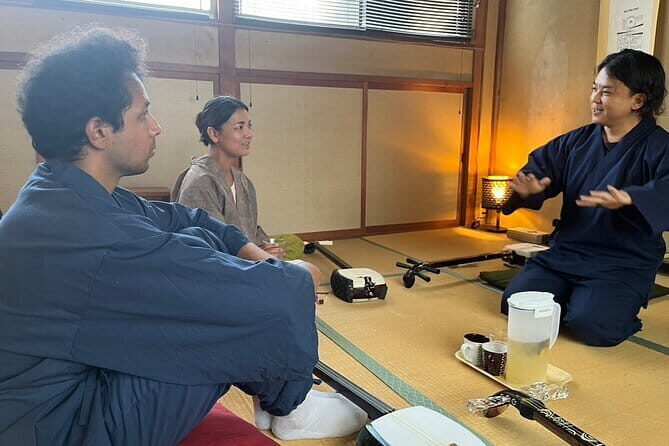
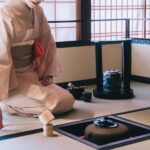
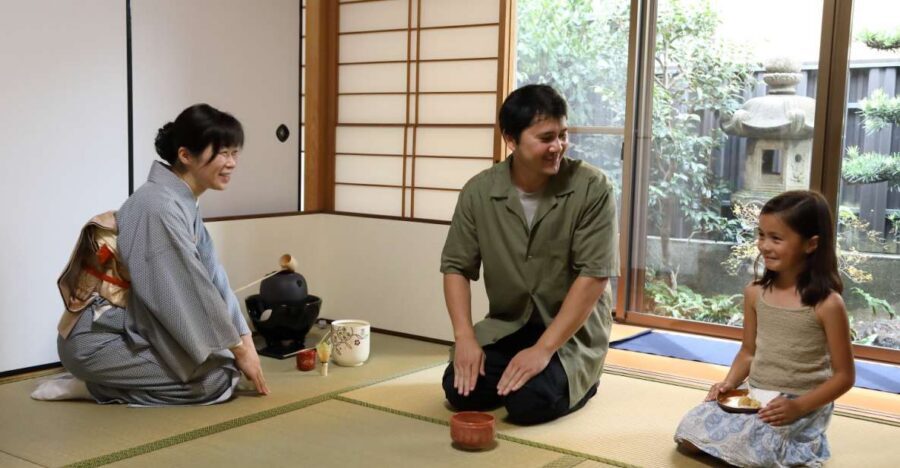
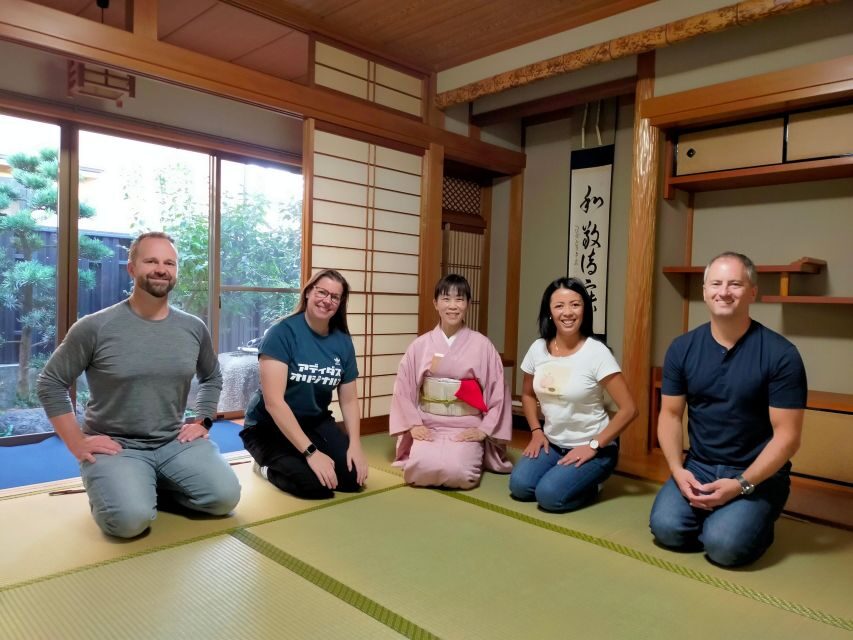
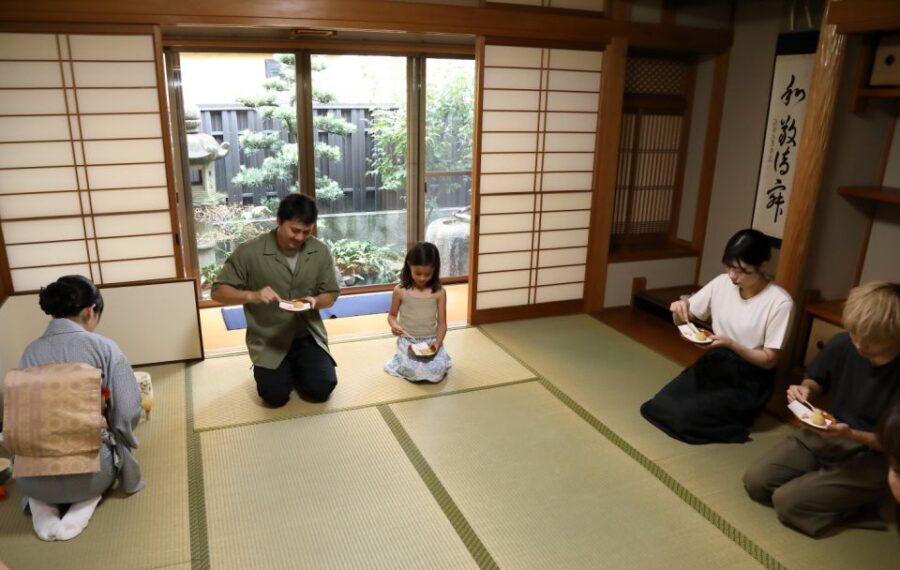
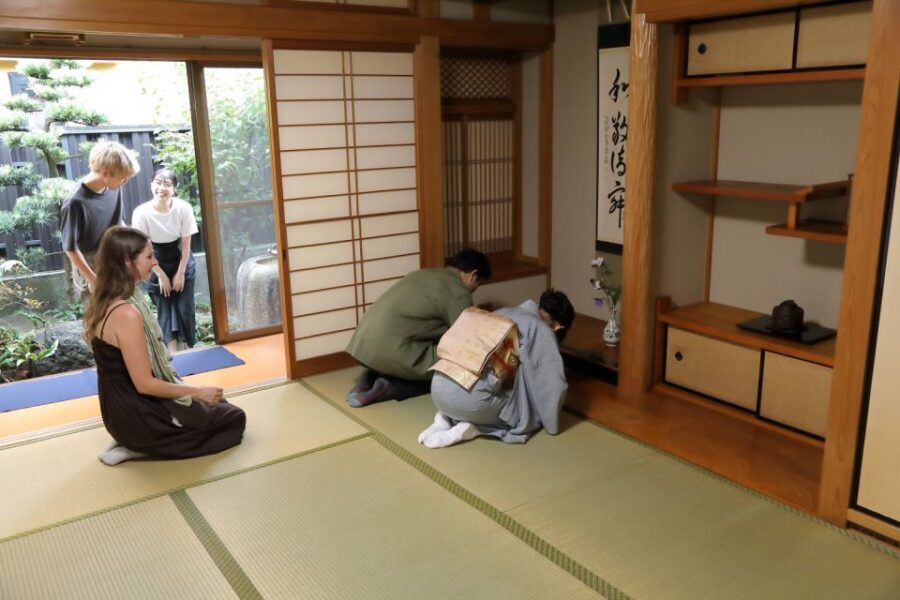
Then you’ll step outside for a short garden walk. It’s a small break in the rhythm, and it also helps you transition from cooking energy to quiet ceremony energy. When it isn’t raining, you’ll enter an authentic Japanese-style room and settle on tatami flooring.
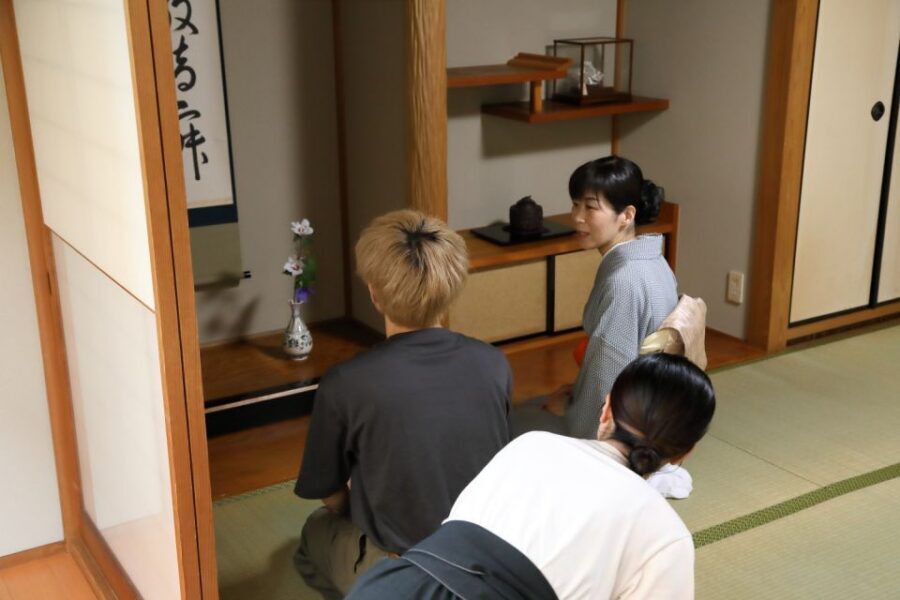
Once seated, your instructor explains key context: the history of tea ceremony and the meaning of the hanging scroll displayed on the back wall of the alcove. That moment is quietly important. It turns the room from scenery into a working cultural space with signals you can recognize—even if you’re visiting for the first time.
The ceremony instruction isn’t delivered like a test you can fail. Recent participants have said the tone is informative without being too strict, which makes it easier to follow along and participate at your own pace. And because the group is small, you’re more likely to get your questions answered on the spot.
Then comes the tasting. You’ll savor the Japanese sweets you made while your instructor demonstrates how to drink a bowl of matcha. This is where you start connecting the two halves of the experience: sweet + tea, timed and handled with attention.
Matcha tasting to self-making: learning the real steps
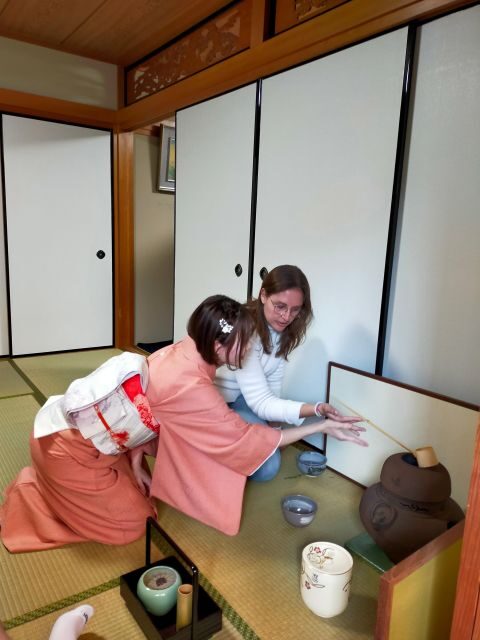
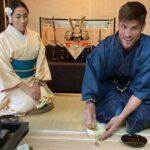
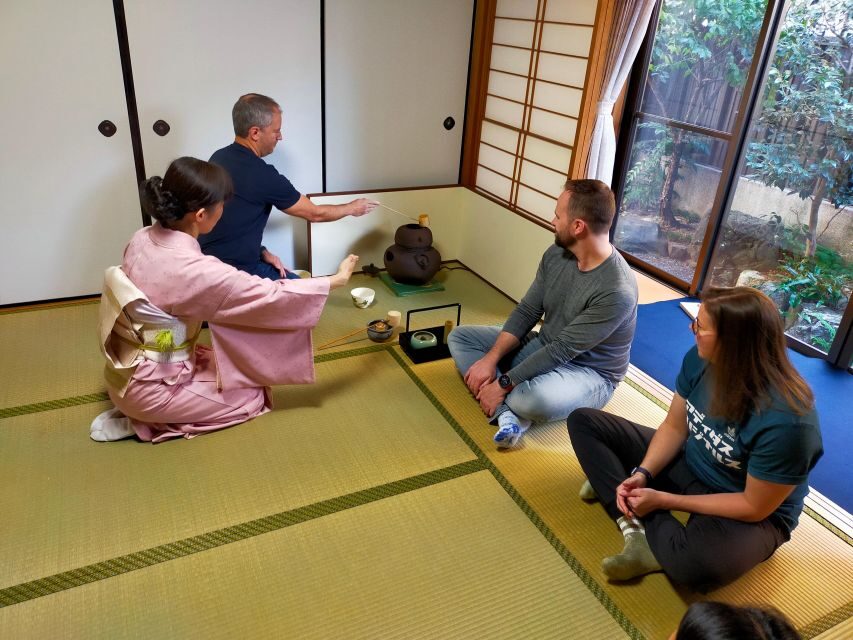
Matcha isn’t just a drink here. It’s a technique and a ritual. First, you’ll learn and taste how matcha should look and be handled in the room. Your instructor demonstrates ceremonial preparation, and you’ll enjoy drinking it once it’s ready.
Then you do the part that makes this class stand out for practical souvenirs: you make a bowl yourself. You’ll be shown how to prepare one bowl properly using a bamboo tea whisk. That’s the moment when the class stops being a nice story and becomes a skill you can repeat later.
You also get two bowls of matcha total. One bowl is prepared for you (as part of the guided tasting), and the other is the one you prepare yourself. That extra bowl time matters. You can compare what you made to what you were taught, so your learning feels real instead of guesswork.
A nice detail for English speakers: the whole experience is supported by licensed guide interpreters. That means the explanations aren’t just translated words. They’re structured so you can follow the steps clearly, even if tea ceremony terminology is new to you.
What $55 gets you in 75 minutes (and why it feels fair)
At $55 per person for 75 minutes, this class is priced like a specialty workshop, not a casual tasting. The value comes from three concrete pieces.
First, you get a hands-on wagashi lesson. That usually takes kitchen time, ingredients, and careful instruction, especially when it involves traditional techniques.
Second, you get real matcha time: two bowls and your own whisking practice. Many tea experiences provide one tasting and call it done. Here, you actually learn the motions that create the tea.
Third, you get small-group attention in English. Limited to 6 participants, the pacing is kept humane, and questions don’t disappear into the room.
If you’re thinking about what to spend time on in Kyoto, I’d treat this as one of the best bets for cultural depth without requiring you to already know tea etiquette. You’ll leave with both the how and the why, without feeling buried in rules.





Tips for a smooth session (so you can focus on learning)
This tour is simple, but a few details make the difference between smooth and stressful.
Bring socks, because bare feet aren’t allowed. You’ll likely sit on tatami at various points, so socks matter for comfort and for keeping things tidy indoors. If you’re sensitive to floor sitting, you can request chairs and tables—just tell them in advance.
Photography rules are also important. Flash photography is not allowed, and video recording isn’t allowed. There may also be moments when the host asks you not to take photos so everyone can experience the ceremony properly. That’s a good sign, honestly. It keeps the room focused on the ritual instead of screens.
One more practical point: let the host know about any food restrictions or allergies in advance. The session involves sweets and matcha preparation, so it’s better to clarify early.
Who should book this Kyoto wagashi and matcha class—and who should skip it
This is a great fit if you want a calmer Kyoto experience and you like doing things with your hands. If you’re the type of person who enjoys cultural practices because you can actually participate—rather than just watch—you’ll probably feel at home here.
It’s also a smart choice for couples or friends because the group size is small and the setting is quiet. Several participants have praised the host’s warmth and the way instruction is clear and easy to follow. If you enjoy conversations about culture while you work, this kind of class delivers.
Skip it if you can’t do floor seating. The tour isn’t suitable for wheelchair users. Children under 8 aren’t suitable either, so it’s mainly aimed at older kids and adults.
If you’re very short on time and you want a quick photo stop at a shrine, this won’t replace that. It’s slower by design. You come here to learn tea and sweets, not to race through “highlights.”
Should you book? My honest take
If you’re deciding between another Kyoto food stop and a cultural workshop, I’d lean toward this one. You get a rare combo: hands-on wagashi plus matcha technique plus tea ceremony manners in a Japanese room. It’s also one of the few activities in Kyoto where the skills feel take-home useful, not just decorative or forgettable.
Book it if you want a calm break, clear English instruction, and a small-group experience in a local house. Don’t book it if you need full wheelchair accessibility or you hate sitting on the floor for a short period. If that’s okay with you, this class is exactly the kind of Kyoto learning that sticks with you after you’ve left the room.
FAQ
How long is the Kyoto Fushimi Inari wagashi and small-group tea ceremony?
The experience lasts 75 minutes.
What is the price per person?
It costs $55 per person.
Is this a hands-on workshop or just a demonstration?
It’s hands-on. You learn to make one kind of wagashi in the kitchen, and you also prepare matcha yourself.
What’s included in the class?
Included: an English-speaking instructor, 2 bowls of matcha (one prepared by yourself), wagashi making for one type of Japanese sweet, explanation of how to make tea and how to eat sweets, and all fees and taxes.
Are hotel pickup and drop-off included?
No. Hotel pickup and drop-off are not included.
What do I need to bring?
You should bring socks.
Are bare feet allowed?
No. Bare feet are not allowed.
Can I take photos or record video?
Flash photography is not allowed, video recording is not allowed, and you may be asked not to take photos during some parts of the session.
What’s the group size?
It’s a small group limited to 6 participants.
Is it suitable for kids and wheelchair users?
Children under 8 years are not suitable. Wheelchair users are not suitable either.