Kyoto can feel like a lot. This private day turns the biggest sights into an easy route with real flexibility. You get a tailored flow that can match your interests, plus a guide who can explain what you’re seeing while you move efficiently between stops. I like that you can steer the day—add places if you want, or slow down if your feet need a break. Private service also means you’re not stuck waiting for other people to decide anything.
Two things I especially like: guides who can work in your language needs (English is typical, and a native-language guide can be arranged for an extra fee), and the focus on comfort and efficiency with an air-conditioned vehicle and taxis used as needed. One possible drawback: not everything is fully included for every stop, and lunch isn’t included—so you’ll want to budget for temple extras and food along the way.
In This Review
- Key Points to Know Before You Go
- A Private Day Around Kyoto’s Biggest Names
- Kinkaku-ji Golden Pavilion: What You’ll Actually See
- Kiyomizu-dera’s 1200 Years of Temple Energy
- Fushimi Inari Taisha: Torii Gates and a Trail You Can Customize
- Arashiyama Bamboo Forest, Togetsukyo Bridge, and a Boat Ride
- Getting Around With Taxis, Air Conditioning, and Real Time
- Cost and Value: Does It Add Up?
- Who This Tour Fits Best (and Who Might Want Another Option)
- Should You Book This Private Kyoto Sights Tour?
- FAQ
- What sights are included on this private Kyoto tour?
- How long is the tour?
- Is pickup available?
- Is lunch included?
- Are temple entrance fees included?
- What about transportation during the day?
- Is this a private tour?
- What languages do the guides speak?
- Do I need a physical ticket?
- Is there free cancellation?
Key Points to Know Before You Go
- Tailored private pacing: You can adjust what you see during the day.
- Guide language options: English is typical, with a native-language guide possible for a fee.
- Comfort-first transport: Air-conditioned vehicle plus taxis when they make the route easier.
- Big-ticket sights, smart order: Iconic Kyoto landmarks grouped into one long day.
- Admissions are partly included: Some tickets/fees are covered, others may not—check your confirmation.
A Private Day Around Kyoto’s Biggest Names
This is the kind of Kyoto tour that makes sense when you only have one shot at the classics. In a city where crowds can turn a walk into a slow shuffle, having a private guide and a workable route helps you get more seeing done with less stress. The day runs about 8 to 10 hours, so you’ll cover major highlights without feeling like you’re sprinting every minute.
What really makes it feel worth the money is the way it’s set up for your preferences. You can ask for extra stops or swap focus if, say, you care more about temples than views—or the opposite. And because it’s private, you don’t have to negotiate pace with strangers.
One detail I like for planning: pickup is offered, and you’ll end back at the meeting point. There’s also a mobile ticket, which is handy when you’re bouncing between entrances.
Other private tours in Kyoto

Kinkaku-ji Golden Pavilion: What You’ll Actually See
Kinkaku-ji, also called the Golden Pavilion (officially Rokuon-ji), is one of those sights people talk about for a reason. It’s famous for its upper floors, and seeing it in person is a fast reality check after photos. You’ll get about two hours here, and admission is listed as included.
Here’s how I’d plan your time at this stop. First, take in the main view and shape of the building from the key angles, then slow down for smaller details like the contrast between the pavilion and the surrounding greenery. If you’re trying to get photos, think about timing and patience—this is a high-demand place.
Potential drawback: two hours goes quickly once you’re moving through crowded paths and waiting for space at the best angles. If you’re picky about photos, give yourself a bit of buffer by starting early in your time window and not rushing the first pass.
Kiyomizu-dera’s 1200 Years of Temple Energy
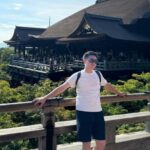
Next is Kiyomizu-dera, a Buddhist temple with a history spanning about 1200 years and a UNESCO World Heritage listing. It’s another “must-see” for Kyoto, but the experience feels different from Kinkaku-ji—less about a single iconic silhouette and more about layers of temple space, viewpoints, and atmosphere.
You’ll spend about two hours here, and the admission is listed as included. This is one of the stops where a guide can help you understand what you’re looking at, instead of just getting a “this is important” speech. You’ll also get a chance to appreciate why Kiyomizu-dera is so tied to Kyoto’s identity.
Practical tip: plan for steps. Even if you don’t feel like you’re hiking, you’ll still walk through temple grounds and up and down areas that can feel tiring after a few stops. Wear comfortable shoes and keep water handy.
Fushimi Inari Taisha: Torii Gates and a Trail You Can Customize
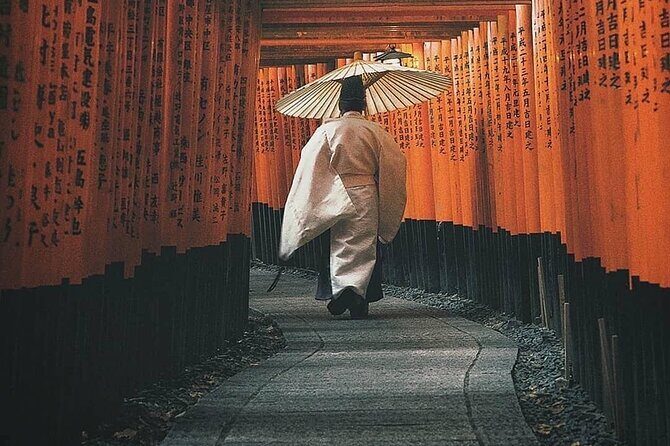
Then comes Fushimi Inari Taisha, known for its thousands of vermilion torii gates stretching up Mount Inari. This stop is about worship, symbolism, and the feeling of moving through a corridor of gates. It also works well for different travel styles: you can do a shorter walk for the main views or go farther if your legs are happy.
The stop detail says admission is not included, and the overall included-fee list also mentions Fushimi Inari entrance fees—so the exact coverage can vary depending on your booking details. Either way, you should be ready for a temple fee somewhere in the mix; the information provided also notes temple entrance costs in a roughly 8 to 10 USD range.
This is also a stop where your route choice matters. If you rush, you miss the best feeling of the gates as a repeating pattern that gets more dramatic as you go. If you go too slow, you can eat into the rest of the day. A good private guide helps you land in the sweet spot.
Arashiyama Bamboo Forest, Togetsukyo Bridge, and a Boat Ride
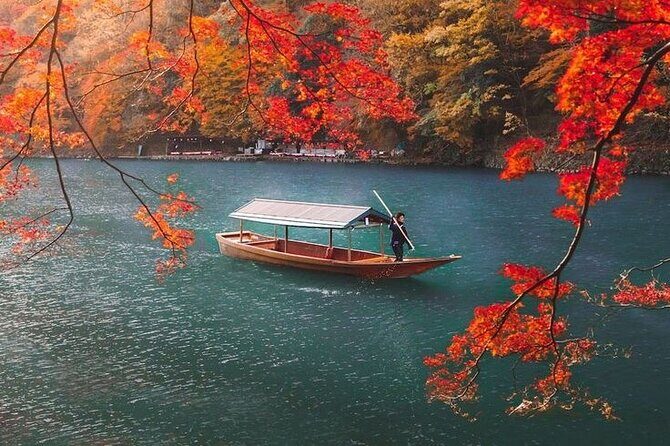
Arashiyama is where Kyoto shifts into a quieter, nature-heavy mood. You’ll wander through the Arashiyama Bamboo Forest, cross the Togetsukyo Bridge, and then take a tranquil boat ride across the lake. Admission for the bamboo area is listed as included, and this stop is set for about two hours.
Why this part of the day is so valuable: it breaks up the temple intensity with a slower pace and more open space. Bamboo areas are busy, but the layout and rhythm of the pathways can still feel calming compared with the big-name temple grounds.
One thing to know: the bamboo forest can be crowded, which can limit how peaceful it feels at peak times. The guide’s role helps here—choosing where to focus, when to pause, and how to keep moving without feeling like you’re constantly dodging foot traffic.
The Togetsukyo Bridge adds a strong “Kyoto postcard” element, and the boat ride is a nice reset for your legs. If you’re someone who gets tired after temple stairs and gate-walks, this is the part that can keep the day enjoyable instead of exhausting.



Getting Around With Taxis, Air Conditioning, and Real Time
Transportation is often where private tours either shine or disappoint. This one aims for the practical middle: you’re in an air-conditioned vehicle, but taxis are used as needed for comfort and efficiency. The key value here is that you’re not paying for a car you don’t actually need—taxis are used based on the route demands.
The day also includes travel time in the total 8 to 10 hours, so you should think of this as a full-day plan, not a “two-hour tours stitched together” idea. It’s a smart way to reduce wasted time.
If you’re sensitive to riding time, remember that Kyoto’s neighborhoods can take longer to connect than you expect. The private format helps you avoid dead time like hunting for transit changes. Still, it’s worth keeping your energy up with water and breaks, especially before the mid-to-late afternoon stops.
Cost and Value: Does It Add Up?
At $200 per person for a private 8 to 10 hour day, the value mostly depends on how you compare it to doing this on your own. Since this route covers multiple iconic sites in one day, you’re paying for two things: time-saving logistics and a guide who helps you make sense of what you’re seeing.
Several admissions are listed as included (not every stop is 100% clear across the information sections, but you’ll see coverage for some temple tickets and specific stop fees). Bamboo and certain major temples are noted as included. At the same time, the information also points out lunch is not included and temple entrances may cost extra.
Here’s how you can judge value for yourself:
- If you want fewer transport headaches and a coherent route, private is usually worth it.
- If you prefer full DIY freedom and don’t mind planning admissions and transit, you can likely do it cheaper—but with more effort.
Also note that the day is designed for pickup and a smooth finish back at the meeting point. Those small conveniences add up on a long day.
Who This Tour Fits Best (and Who Might Want Another Option)
This tour is a strong match if you want a high-impact Kyoto day with minimal decision-making. It’s especially good for first-timers who feel overwhelmed by how far apart key sights can be. It also works well if you like structure but still want to steer the day with your guide.
It can also be a good fit for language needs. Guides are typically English-speaking, and a native-language guide can be arranged for an added fee. That matters in Kyoto, where temple terms and local context can turn a random visit into a better experience.
Who might skip it? If you don’t care about explanations, don’t want to pay for a guide, or already have a solid plan for transit and timing, DIY may feel more flexible. The private cost is meant for convenience and time efficiency.
One more planning consideration: if you’re traveling as a larger group or have specific seating/vehicle needs, confirm arrangements early. One issue that’s been reported involves party-size and vehicle seating expectations not matching what the group needed, which is the kind of thing you want clarified before you’re on the road.
Should You Book This Private Kyoto Sights Tour?
If your goal is to see Kyoto’s most recognizable sights in one day without turning your trip into a logistics project, I think this is a good booking. You’re paying for a clear route, comfort-minded transport with taxis when needed, and a guide who can help you interpret the places you’re visiting—plus the chance to adjust the day to your interests.
Before you book, do two quick checks: confirm exactly which admissions are covered for your dates, and plan for lunch outside the tour. If you travel with a larger group or have strong vehicle seating requirements, message ahead so your expectations match reality.
If that all lines up, this is the kind of tour that helps Kyoto feel manageable—and still unforgettable.
FAQ
What sights are included on this private Kyoto tour?
The tour focuses on Kinkaku-ji (Golden Pavilion), Kiyomizu-dera, Fushimi Inari Taisha, and Arashiyama Bamboo Forest, including Togetsukyo Bridge and a boat ride across the lake.
How long is the tour?
It runs about 8 to 10 hours total, and travel time is included in that duration.
Is pickup available?
Yes, pickup is offered, and the activity ends back at the meeting point.
Is lunch included?
No. Lunch is not included.
Are temple entrance fees included?
Some admissions are listed as included for certain stops (like Kinkaku-ji and Kiyomizu-dera), but the information also notes that Fushimi Inari Taisha admission is not included in one place and included in another. Check your booking details for what applies to your reservation.
What about transportation during the day?
You’ll be in an air-conditioned vehicle, and taxis are used if needed for comfort and efficiency. Parking fees are included.
Is this a private tour?
Yes. This is a private tour, and only your group will participate.
What languages do the guides speak?
Tours are typically conducted in English. Guides come from multiple countries, and a native-language guide can be arranged for an additional fee.
Do I need a physical ticket?
You’ll use a mobile ticket.
Is there free cancellation?
Yes. Free cancellation is available up to 24 hours in advance for a full refund.