Two UNESCO stops in one day.
This private Kyoto tour is built to connect two big-hitters fast: Arashiyama’s bamboo and Zen gardens, then Nara’s deer park and grand temples. I like the tight flow because it starts with hotel pickup at 09:00 and keeps you moving through the best-known sites without wasting half your day stuck in transit. You also get the option to adjust the plan around your interests, which is handy when your group wants more photos or wants to slow down.
My second favorite part is the temple contrast. You’ll see Todaiji in Nara, including the Great Buddha Hall, and then shift to Kyoto’s Tenryu-ji garden scene, which feels quieter even though you’re still in the middle of sightseeing. It’s a smart way to see how Japan’s sacred spaces can feel totally different from one region to the next.
One thing to keep in mind: the tour price covers guiding and management, but transportation is not included. You’ll pay the driver in cash on the day (up to 5 travelers: ¥110,000; over 5 passengers: let the operator know in advance), plus there’s an entry-fee total of ¥4,800 per person that isn’t included. With that in mind, this works best when you budget for the add-ons and accept a full, busy day (weather matters too).
In This Review
- Key Points You’ll Appreciate
- Why This Arashiyama–Nara Combo Works So Well
- The Day’s Timing: From 09:00 Pickup to 19:00 Return
- Arashiyama’s Bamboo Forest and Tenryu-ji: Zen Gardens Meet Photo Spots
- Hozu-gawa River and Togetsu Bridge at the Right Moment
- Nara Park Deer: The One-Hour Stop That Makes the Whole Day Fun
- Todaiji Temple and the Great Buddha Hall: The Main Sacred Moment
- Kasuga Grand Shrine: Short, Atmospheric, and Built for Lantern Fans
- Private Tour Value: Price, Entry Fees, and the Cash-to-Driver Reality
- Who This Tour Fits Best (and Who Might Want a Different Plan)
- Should You Book This One-Day Private Tour?
- FAQ
- How long is the tour?
- Is this tour private?
- What is the meeting time and location?
- What’s included in the price?
- What are the major things not included?
- How much is the entry fee?
- Do I pay for transportation on the tour day?
- Can the itinerary be customized?
- What happens if the weather is bad?
- Is service animals allowed?
Key Points You’ll Appreciate
- Private group for up to 8 means less waiting and more control over photo stops.
- Hotel pickup at 09:00, finish around 19:00 keeps the day efficient.
- UNESCO coverage across both cities: Tenryu-ji garden and Todaiji stand at the center of the day.
- Nara Park + deer time is a flexible 1-hour stop that’s easy for families.
- Cash-to-driver transport plus ¥4,800 per person entry fees are the real pricing add-ons.
- Guides you may get include Ahmed Abu Tayeh, Kingo, Moto, or Miyako, and several groups highlight fluent English and attentive pacing.
Why This Arashiyama–Nara Combo Works So Well
Trying to do Arashiyama and Nara on your own can turn into a long, complicated day. This tour solves that by using a hired car or van for a full 8 hours (approx.), timed so you’re hitting the big sights in a logical order. You start in Kyoto, go west into Arashiyama first, then head to Nara for the temples and deer park before you loop back.
What I like about the structure is that it’s not just a checklist. Arashiyama gives you the bamboo forest street and the Tenryu-ji garden setting, which is a good change of pace after temple intensity. Then Nara shifts gears into open-air animal life and big-ticket sacred architecture, including Todaiji and Kasuga Shrine’s lantern-lined atmosphere.
It also fits a short-stay mindset. If you only have one full day in the Kyoto area, this gives you two UNESCO-linked regions in one go, without the stress of coordinating multiple trains and buses.
A few more Kyoto tours and experiences worth a look

The Day’s Timing: From 09:00 Pickup to 19:00 Return
The plan is built around clear time blocks, starting with meeting at your Kyoto hotel at 09:00 and finishing back in Kyoto around 19:00. That matters because Arashiyama and Nara both get busy, and a tight schedule helps you see more without feeling rushed every single minute.
Here’s the flow you should expect:
- 10:00: Bamboo forest street and Tenryu-ji temple garden
- 11:00: Hozu-gawa river area and Togetsu Bridge
- 13:00: Transfer to Nara
- 14:30: Nara Deer Park
- 15:30: Todaiji Temple
- 16:30: Kasuga Grand Shrine
- 17:30: Return to Kyoto
- 19:00: Tour finishes
Those stop lengths are fairly reasonable: deer park gets about 1 hour, Todaiji about 1 hour, Kasuga about 30 minutes, and Arashiyama temple/garden and bamboo time are shorter blocks. If your group is made up of kids or anyone who needs a breather, the built-in pacing is a plus.
Arashiyama’s Bamboo Forest and Tenryu-ji: Zen Gardens Meet Photo Spots
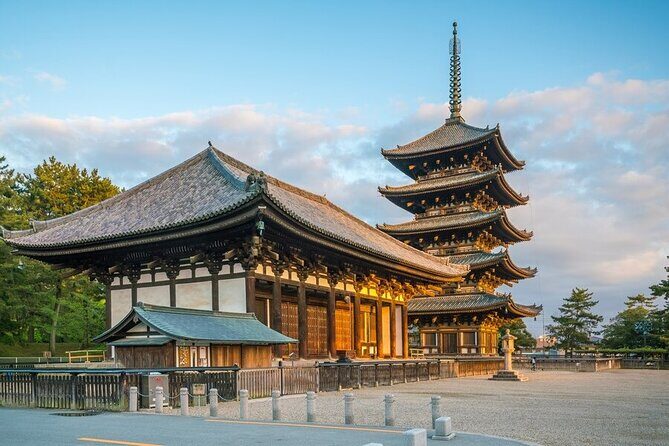
Your Arashiyama start is designed to hit two of the area’s signature experiences back-to-back. First you’ll go to the bamboo forest street, then you’ll move into Tenryu-ji Temple Garden (Sogenchi Teien), listed as a UNESCO site. Even when you’ve seen bamboo photos before, seeing the scale in person is a different deal: you feel surrounded by tall green stalks and the light shifts as you walk.
Tenryu-ji is where the tone changes. Instead of animal curiosity or crowds, you’re in a temple garden setting associated with Zen. The garden is celebrated for its carefully designed look, so this is a stop where slowing down helps. I’d treat this as a moment to pause, take a few photos, and actually look—not just pass through.
One practical note: this part of the day is short (about 30 minutes for the garden stop). If you want more time for strolling, you’ll want to ask your guide for a little extra within the available day.
Hozu-gawa River and Togetsu Bridge at the Right Moment
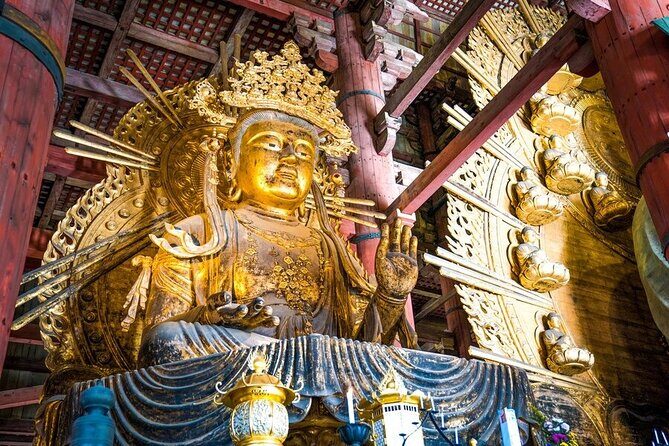
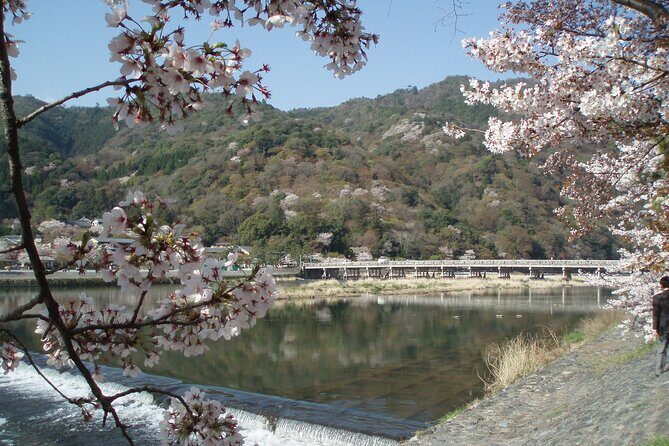
Right after the bamboo and Tenryu-ji time, the schedule shifts to a scenic river and bridge area: Hozu-gawa river and Togetsu Bridge. This is a smart break in the day because it gives you open air and a change of pace after walking through temple grounds and bamboo paths.
You’re also getting a classic Arashiyama viewpoint. Togetsu Bridge is one of the recognizable “this is Arashiyama” images, and the river setting helps the whole area feel more than a photo backdrop.
Because this stop is about 30 minutes in the plan, don’t over-plan your expectations. You’re there to enjoy the view, take photos from a couple angles, and then move on.
Nara Park Deer: The One-Hour Stop That Makes the Whole Day Fun
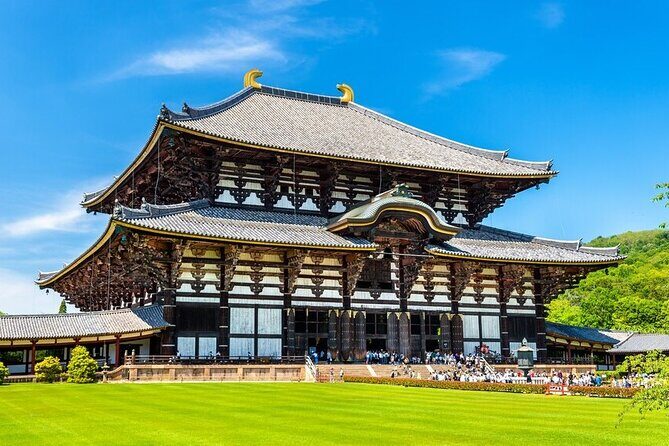
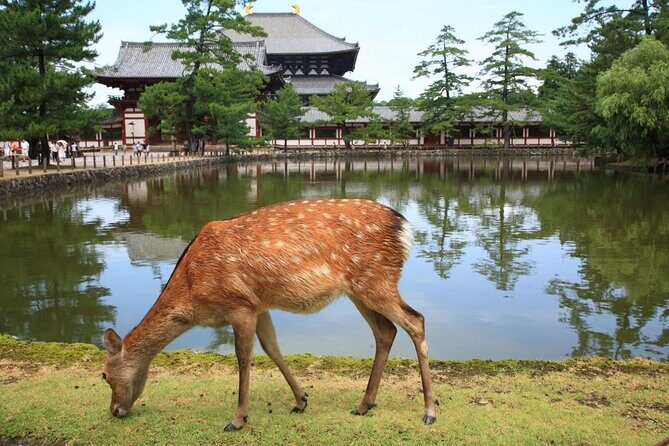
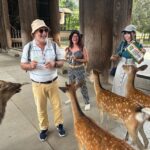
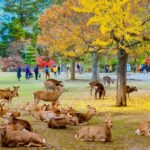
Then you head to Nara, and the tone becomes more playful. The stop is Nara Deer Park, scheduled for about 1 hour. The deer here are known for being calm, and you get a chance to watch them roam freely in the park.
This is one of the easiest stops in the whole day. It’s casual, it’s visual, and it’s usually a hit with kids and families because it breaks up the temple-heavy schedule. It also helps adults too: you get a real sense of everyday life at the edge of a major sacred region.
There’s also a timing advantage. You’re scheduled for 14:30, which can be a workable time to see the deer without starting the Nara portion too early. Still, the park can be lively, so if you prefer quiet, ask your guide how to manage the walking route during your hour.
A few more Kyoto tours and experiences worth a look
Todaiji Temple and the Great Buddha Hall: The Main Sacred Moment
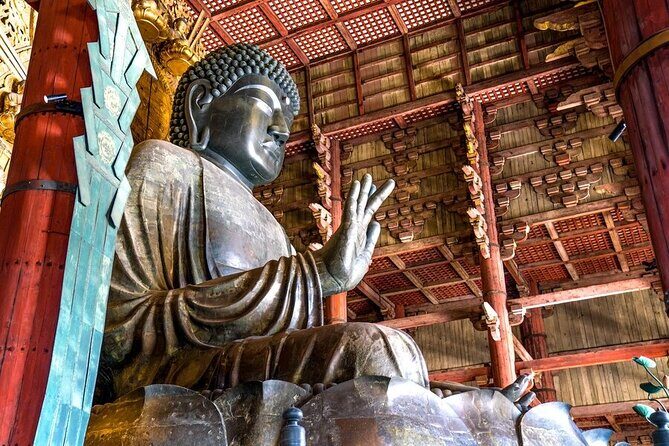
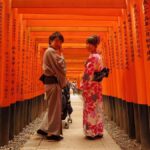
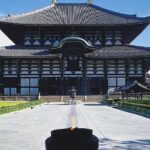
If you’re going to pick one “wow” temple in Nara, it’s Todaiji Temple. This stop is about 1 hour, and it focuses on the Great Buddha Hall and the huge bronze Buddha statue inside.
This is the moment that anchors the Nara half of the tour. The scale is the point, and the hall’s presence can feel overpowering in a good way. Even if you’ve seen photos, you’ll understand why this is a major draw the minute you’re inside.
Plan your entry expectations. Todaiji’s entry fee is not included, and the tour lists ¥4,800 per person for entry fees total. That means you should treat this stop as the reason you pay those fees—because it’s the centerpiece.
If your group likes photos, this is also the type of stop where asking for picture spots early helps. You won’t want to scramble for angles at the end of the hour.
Kasuga Grand Shrine: Short, Atmospheric, and Built for Lantern Fans
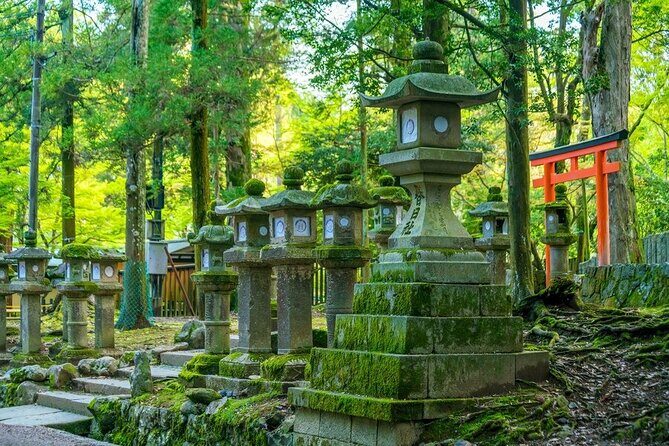
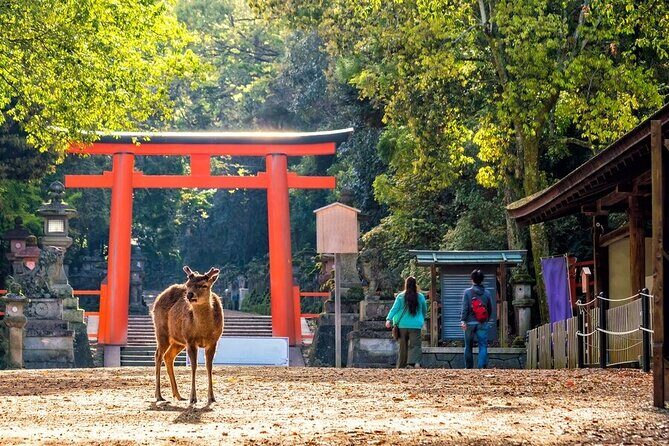
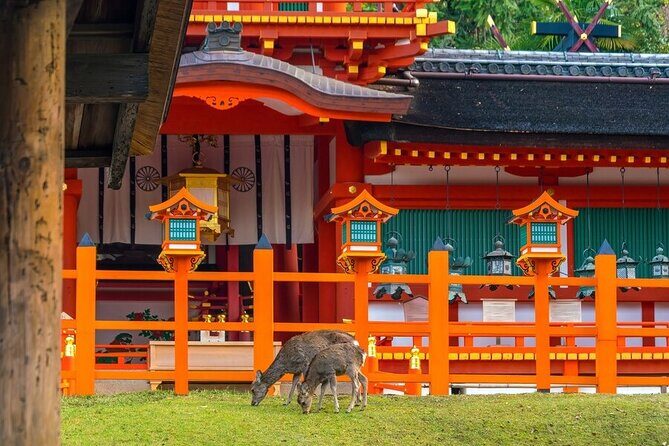
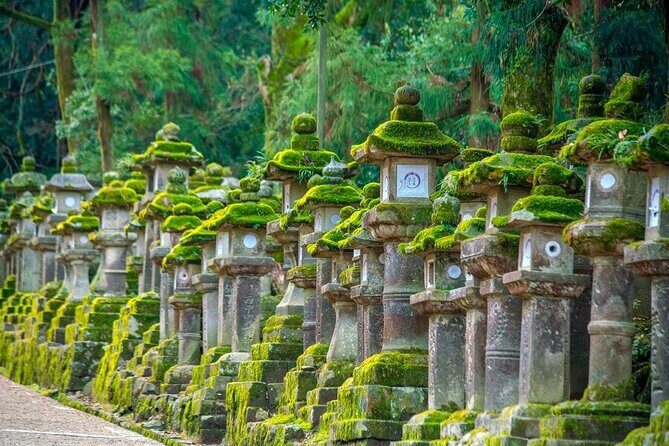
After Todaiji, you shift to a more atmospheric shrine experience: Kasuga Grand Shrine. The stop is about 30 minutes, and it’s known for its lantern-lined atmosphere, with hundreds of bronze and stone lanterns.
This is the “pause and pay attention” stop. You’re not here to spend an entire day; you’re here to absorb the feeling of the shrine space. If your group is temple-walked out, the short duration helps you keep momentum without burnout.
Kasuga is also free in the tour’s info. So even though it’s brief, you’re not paying extra just to get there—your main “cost” is time and energy.
Private Tour Value: Price, Entry Fees, and the Cash-to-Driver Reality
The headline price is $490 per group (up to 8), and the tour uses a hired car or van for 8 hours. The important fine print is that transportation cost is not included, and you pay cash to the driver on tour day.
For up to 5 passengers, the cash-to-driver amount is listed as ¥110,000. If your group is more than 5, you need to let the operator know in advance because the transport cost changes. That’s the part that can surprise people who only look at the base price.
Also remember the tour lists entry fees of ¥4,800 per person that are not included. Some stops are free (like Nara Deer Park and Kasuga Grand Shrine), but others are not, including Todaiji and the Tenryu-ji garden admission. So think of the pricing as:
- You pay the tour for guiding + management
- You pay the driver in cash for the vehicle
- You pay a single entry-fee total per person on top
Why does this still feel like good value? Because you’re paying for time, not just seats. You avoid the hassle of stitching together two regions, you get a route that’s sequenced to fit an 8-hour window, and you can adjust based on what you want to emphasize.
And based on guide experiences shared by past groups, the day often becomes more enjoyable when someone is handling pacing and explanations. Guides on this route include names like Kingo, Moto, Miyako, and Ahmed Abu Tayeh, and groups specifically highlighted attentive service, picture-friendly pacing, and fluent English.
Who This Tour Fits Best (and Who Might Want a Different Plan)
This tour is a strong match if:
- You want a one-day private plan from Kyoto with minimal transit stress
- Your group includes kids or mixed ages and you want something easy to follow
- You want major highlights across Arashiyama + Nara without mapping and schedule anxiety
- You care about seeing UNESCO sites like Tenryu-ji garden and Todaiji
It may be less ideal if your priority is deep, slow exploration. With short stop windows across multiple major sights, this is designed to cover ground. If you want to linger for long periods at one place, you can usually ask your guide to adjust, but the day still has structure.
The tour is also weather-dependent. If conditions are poor, it can be canceled and you’ll be offered a different date or a full refund.
Should You Book This One-Day Private Tour?
If your goal is to hit the biggest Nara and Arashiyama highlights in one day with a private guide and car/van, I’d say this is worth serious consideration. The best reasons are simple: it’s efficient, it includes the core UNESCO draw of Tenryu-ji and Todaiji, and the combination of shrine, temple, deer park, bamboo, and a river view keeps the day varied.
I’d only hesitate if you hate add-on costs. You’ll need to budget for ¥110,000 cash to the driver (based on group size) and ¥4,800 per person for entry fees. If your group budget is tight or you’re planning to go super slow, you might be happier with a smaller-area plan.
FAQ
How long is the tour?
It runs for about 8 hours.
Is this tour private?
Yes. It’s a private tour, and only your group participates.
What is the meeting time and location?
You meet in Kyoto at 09:00, and the tour ends back in Kyoto.
What’s included in the price?
The price includes guiding and management plus driver arrangement. You also get a mobile ticket.
What are the major things not included?
Transportation (vehicle rental) is not included, and you pay cash to the driver on the tour day. Entry fees (¥4,800 per person) are also not included, plus gratuities are appreciated but never required.
How much is the entry fee?
The tour lists ¥4,800 per person for entry fees (not included).
Do I pay for transportation on the tour day?
Yes. You pay the driver in cash on the tour day: up to 5 travelers = ¥110,000, and if you have more than 5 you should let the operator know in advance.
Can the itinerary be customized?
Yes. The day’s plan covers major sights, but you can customize it based on your preferences in arrangement with the guide.
What happens if the weather is bad?
This experience requires good weather. If it’s canceled due to poor weather, you’ll be offered a different date or a full refund.
Is service animals allowed?
Yes, service animals are allowed.