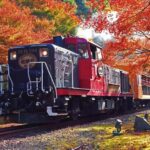
One train ride and you’re in a calmer world. This Kyoto Arashiyama Walking Tour strings together the big visual moments people come for, but with an English guide who explains what you’re seeing as you move. You’ll start at Kyoto Station, head out on public transport, then walk through the bamboo forest toward temples and a riverside bridge.
I really like the way the route balances nature and culture: the bamboo forest is your first “wow,” and then Hogon-in Temple gives you a change of pace with Zen garden details you can actually spot. I also like that the tour ends with a stroll to Togetsu-kyo Bridge, so you’re not rushing off right after the temple.
One heads-up: the train fare to Arashiyama isn’t included, so the final cost is a bit higher than the headline price.
In This Review
- Key highlights that make this tour worth it
- Kyoto’s Arashiyama at walking pace: bamboo to Zen gardens
- What you’ll feel as you go
- Meeting at Kyoto Station: Kyo-Navi and the easy start
- No hotel pickup
- Getting to Arashiyama: train + a guided cultural lens
- Why the guide matters here
- The bamboo forest walk: photo moments with real context
- What to do with your camera
- Hogon-in Temple and the Zen garden details that change the whole visit
- What makes Hogon-in special in the tour format
- A realistic expectation
- The Togetsu-kyo Bridge stroll: finish with a classic Arashiyama view
- Ending back at the meeting point
- Price and value: where the $34 really goes
- Who gets the most out of it
- Practical fit: timing, rules, and what you should prepare
- Should you book this Arashiyama tour?
- FAQ
- When does the Arashiyama Walking Tour run in 2025?
- How long is the tour?
- Is the tour offered in English?
- Where do I meet the guide?
- What is included in the ticket price?
- What’s not included?
- What stops are part of the walking route?
- Can minors join the tour?
- How do children and luggage work?
- What are the payment and cancellation rules?
Key highlights that make this tour worth it

- Certified English city guide who ties garden types, customs, and history to what you’re looking at
- Bamboo forest walk with sunlight cutting through the trees, perfect for photos
- Hogon-in Temple visit with included entry and guided time in the Zen garden
- A second Zen garden area at Hogon-in that adds variety to the temple stop
- Togetsu-kyo Bridge finish, giving you that classic Arashiyama riverside viewpoint
Kyoto’s Arashiyama at walking pace: bamboo to Zen gardens

Arashiyama is famous for a reason, but it can also feel like a highlight reel if you wander alone. This tour keeps you moving at a comfortable pace and gives you a simple storyline: bamboo first, then temples, then the bridge.
The bamboo segment is the main attraction for many people, and it’s set up well here. You’re guided through the forest tunnel effect where sunlight filters through the greenery, so you get those dramatic, layered light-and-shadow scenes instead of just snapping pictures at random.
Then you shift to Hogon-in Temple, and the experience becomes more about observation. A guide helps you understand what you’re seeing in the Zen garden, including the different garden ideas that show up in Kyoto temples.
A few more Kyoto tours and experiences worth a look


What you’ll feel as you go
Expect a noticeable change in mood: greener quiet in the bamboo, then a more contemplative rhythm at the temple. The pacing works especially well if you like getting context, not just checking boxes.
And since the tour is about two hours of walking, it’s long enough to feel satisfying without turning your day into a full-on trek.
Meeting at Kyoto Station: Kyo-Navi and the easy start

The tour starts at Kyoto Station at Kyo-Navi (京なび), the Kyoto Tourist Information Center. The meeting point is on the 2nd floor via the Pedestrian Walkway on the north side, and it’s next to the Kyoto JR Isetan department store.
If you’re trying to locate it fast, do this: look for signs or ask for Kyo-Navi. It’s one of those Kyoto details that helps a lot when you’re moving through a station with multiple connections.
There’s also a practical moment before you head out: after meeting, you can leave your luggage at Crosta Kyoto. That’s a big quality-of-life win if you’re traveling with bags and don’t want to drag them around the Arashiyama portion of the day.
No hotel pickup
You’ll make your own way to Kyoto Station. That’s not a problem if you’re already in the city center, but it does mean you should plan for the first leg yourself.
Getting to Arashiyama: train + a guided cultural lens

You’ll take a train journey to Arashiyama with a guide. The tour is designed around using public transport, and the idea is simple: you spend more time outdoors in Arashiyama and less time stuck in transit planning.
Once you’re traveling, the guide doesn’t just talk facts in the abstract. They connect the city’s customs and traditions to what you’ll see at each stop, so you’re not waiting until you reach the temple to understand Kyoto’s logic.
Other walking tours we've reviewed in Kyoto




Why the guide matters here
Arashiyama is visually strong, but it also has layers. A good guide helps you notice patterns: why certain gardens are arranged a certain way, how temple design supports a particular style of calm, and what to look for while you walk.
English is the working language, so you can follow along without doing app translation gymnastics.
The bamboo forest walk: photo moments with real context

The bamboo forest is your first major stop, and it’s structured in a way that makes the experience feel focused rather than crowded-chaotic. You walk through a green corridor where sunlight filters down through the trees, creating that classic contrast between bright highlights and deep green shadows.
Here’s what I’d pay attention to: how the light changes as you move. If you keep your eyes up and not just on the ground, you’ll catch the layered look where leaves and stems break the sun into streaks.
What to do with your camera
Bring your normal “walking camera” mindset. The guide’s job isn’t to block your photos; it’s to help you understand what you’re photographing so you can aim your attention better.
If you’re someone who likes pictures but hates feeling like you’re rushing, this part is a good match. You’re moving, but it’s paced for enjoyment.
Hogon-in Temple and the Zen garden details that change the whole visit

Hogon-in Temple is where the tour shifts from scenery to structure. Your entry ticket is included, and you’ll get guided time on-site focused on the Zen garden.
This is also where you’ll likely appreciate the guide’s tone. People on this tour have praised specific guides—Yuko, Yoriko, and Charlie—for being attentive and for explaining garden types in a way that makes you see more than you would on your own.
What makes Hogon-in special in the tour format
You’re not just walking past a garden and moving on. You’re guided through the temple visit with narration that helps you understand the choices behind the layout.
And there’s more than one Zen garden element during the Hogon-in portion. The highlights call out a gorgeous Zen garden and also a second, more tucked-away Zen garden area at Hogon-in Temple. That matters because it prevents the stop from feeling like one long glance.
Instead, you get variety within the same location, which is ideal when you only have about two hours total.
A realistic expectation
Temple visits have moments of quiet where you need to slow down. If you’re expecting a fast, constant “tour bus” pace, that’s not the vibe here. But if you like standing still for a minute, then continuing with better attention, Hogon-in is a great payoff.
The Togetsu-kyo Bridge stroll: finish with a classic Arashiyama view

After Hogon-in, the tour concludes with a serene walk to Togetsu-kyo Bridge. It’s a riverside bridge stroll, and that final segment gives you an opening shot of Arashiyama that looks great even if you’re not there at sunrise or sunset.
This is also where the day feels like it has closure. You’ve seen the bamboo, you’ve learned garden basics, and then you end with a viewpoint that’s easy to enjoy without needing extra explanation.
Ending back at the meeting point
The tour ends back at the starting meeting point area, so you’re not figuring out how to get yourself back to Kyoto Station. That makes planning simpler for the rest of your day.
Price and value: where the $34 really goes

At $34 per person, this tour is priced in the “solid value” zone if you care about guided context. The big reason is that the price includes a certified city guide and entry tickets to Hogon-in Temple.
What’s not included is the train fare to Arashiyama, plus you’ll handle your own get-to-Station logistics since there’s no hotel pickup/drop-off. So yes, your total cost can be a bit more than $34 once you add transit.
Still, for a two-hour walk with guided narration and paid temple entry bundled, the structure is efficient. You’re paying for someone to point you toward the details you’d otherwise miss, especially in the garden-focused portion.
Who gets the most out of it
This is a great fit if you:
- want an English-guided introduction to Arashiyama’s key sights
- like walking and don’t mind about two hours on foot
- enjoy temple gardens but want help noticing what matters
- prefer public transport over private transfers
It’s also not the best choice if you hate walking or if your schedule is too tight to make it from Kyoto Station.
Practical fit: timing, rules, and what you should prepare

The tour runs from October 6 to October 31, 2025, and it operates except Saturdays and Sundays. That matters for planning: you’re looking at weekdays only, so confirm your dates early if your trip is around a weekend.
The walking time is about two hours, and it’s described as a walking tour. That means comfortable shoes aren’t optional. Plan for regular walking pace, plus the small pauses you’ll naturally take for temple viewing and photos.
A couple rule-based notes:
- Unaccompanied minors are not allowed.
- The tour runs in English.
Should you book this Arashiyama tour?

If your goal is a clean, guided Arashiyama day that covers bamboo, Hogon-in, and Togetsu-kyo without turning into a self-guided scavenger hunt, I think this is a strong booking choice. The included Hogon-in entry and the guided Zen garden explanation add real value for the time you spend.
Book it if you want structure, garden context, and an easy finish by the bridge. Skip it if you’re traveling with limited mobility or if you’d rather spend the day completely on your own without paying for temple entry and narration.
FAQ
When does the Arashiyama Walking Tour run in 2025?
It runs from October 6 to October 31, 2025, and it does not operate on Saturdays or Sundays.
How long is the tour?
It’s a walking tour that takes about two hours.
Is the tour offered in English?
Yes. The tour is conducted only in English.
Where do I meet the guide?
Meet at Kyo-Navi, the Kyoto Tourist Information Center, in Kyoto Station. It’s on the 2nd floor via the Pedestrian Walkway on the north side, next to Kyoto JR Isetan.
What is included in the ticket price?
Included items are a certified city guide and entry tickets to Hogon-in Temple.
What’s not included?
Train fare to Arashiyama is not included, and there’s no hotel pickup or drop-off.
What stops are part of the walking route?
You’ll visit the bamboo forest area, Hogon-in Temple with its Zen garden, and then end with a riverside walk to Togetsu-kyo Bridge.
Can minors join the tour?
Unaccompanied minors are not allowed.
How do children and luggage work?
Each paid guest can bring 1 child aged 0–6 for free. If that free child wants to use the luggage service, there is a service fee. If you bring more than one child, each additional child must purchase an adult ticket.
What are the payment and cancellation rules?
You can reserve and pay later. You can cancel up to 24 hours in advance for a full refund.