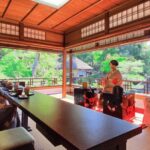
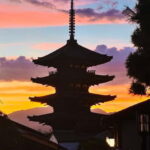
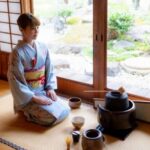
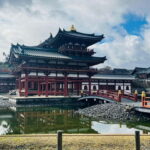
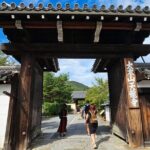
Kyoto at night can be magic fast. This tour pairs a maiko performance with a proper Kyoto-style dinner at Shozan Resort Kyoto, then adds a garden walk and a hilltop photo stop. I especially like that you’re not figuring out logistics: the bus leaves from Kyoto Station and you get an audio guide.
Two standout parts for me are the chance to see a live maiko up close and the setting after dinner, when you wander the Japanese garden in the evening air. The one thing to plan for is language and pacing: the event runs in a Japanese-heavy environment, and the live narration/clarity can vary, so your enjoyment will depend on how much you rely on English explanations.
In This Review
- Key highlights to know before you go
- How this maiko + dinner evening fits Kyoto’s rhythm
- Shozan Resort Kyoto: where the dinner and show happen
- Maiko vs geisha: what you’re actually paying to see
- The dinner experience: Kaiseki-style value and what to watch
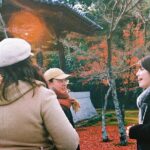
- After dinner: garden stroll and night views that feel like Kyoto
- Price and logistics: what you’re paying for (and what you aren’t)
- Language and audio: how to set expectations for a Japanese-first night
- Timing that actually matters: when to arrive and how the evening moves
- Who should book this maiko night, and who might skip it
- Should you book Maiko night with Kaiseki-style dinner?
- FAQ
- What is included in the tour price?
- Are vegetarian options or food allergies available?
- Where do I meet the group and what time does it start?
- How long is the experience?
- What languages are available on the audio guide?
- Is there hotel pickup?
- Are the return times and departure times strict?
Key highlights to know before you go
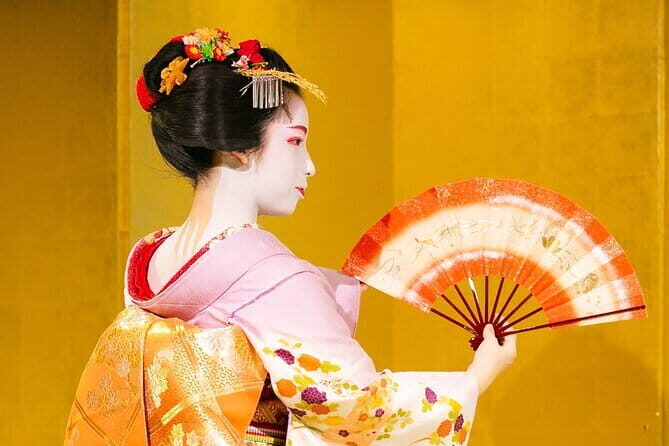
- Maiko performance admission included: You’re seeing the traditional songs, dances, and instrument playing as part of the evening package.
- Kyoto-style Kaiseki dinner at Shozan Resort Kyoto: Limited-ingredient cooking shaped by Kyoto’s mountain geography.
- Japanese garden stroll after dinner: A calmer moment to absorb the architecture and atmosphere.
- Night views stop at Higashiyama-sancho Park: Quick, scenic payoff for your camera roll.
- Multilingual on-board audio guide: GPS-enabled English, Chinese, and Korean support (quality may vary).
- Small-ish group size: Maximum of 35 people helps keep the experience feeling more personal.
How this maiko + dinner evening fits Kyoto’s rhythm
Kyoto isn’t short on cultural shows, but this one has a very Kyoto-shaped flow. You start with dinner, shift into performance mode, then end with quiet strolling and night views. That order matters because it keeps you from feeling rushed or swapped between modes all evening.
I like that the experience is designed as an evening “event,” not just a quick performance ticket. It’s also built for comfort: you ride up from Kyoto Station by bus, then you return with drop-offs at a few major hotels. For a city where trains can get crowded, that’s real value.
The biggest “fit” question is how you handle language. You’ll share the ride with Japanese tourists, and there’s a Japanese-speaking guide with the group. The tour also includes an on-board audio guide, so it’s not totally hands-off—but it does mean you should expect a Japanese-first environment.
A few more Kyoto tours and experiences worth a look


Shozan Resort Kyoto: where the dinner and show happen
Shozan Resort Kyoto is the heart of the evening. This is where you get your meal and watch the maiko performance, and the venue is also part of the experience because you aren’t eating and running. The dinner is served at the start of the program on a fixed schedule for everyone.
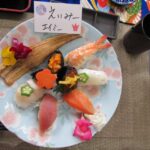
The dinner is described as Kyoto-style Kaiseki cuisine, with cooking that leans into what Kyoto can realistically source. Kyoto sits among mountains, so the story here is that seafood availability is limited, which pushes chefs toward strong flavor control and skill with fewer ingredient types. In practice, what you’re looking for is subtlety and presentation—small dishes, careful seasoning, and an emphasis on ingredient character rather than big, bold flavors.
After the show, the timing shifts into a slower gear: you get time to walk through the Japanese garden and admire traditional architecture. This matters because it turns the evening from a staged performance into a full “night out” with atmosphere.
One caution: drinks are not included. Kaiseki-style meals can be easy to “overspend” on with add-ons, so if you’re keeping the budget tight, plan to pass on alcohol or hold off on pricey beverages.
Maiko vs geisha: what you’re actually paying to see
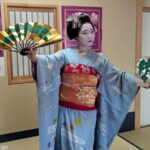
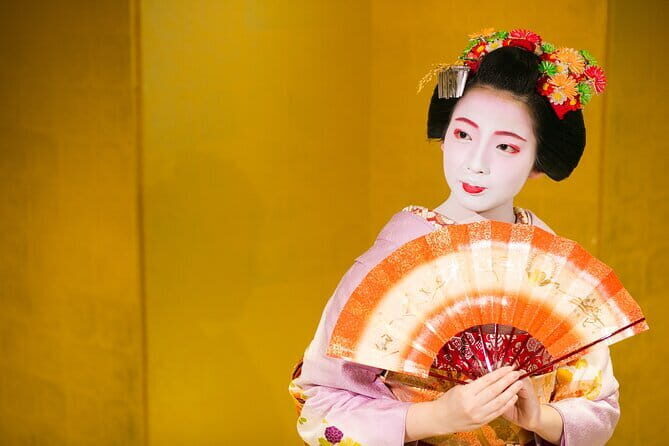
A maiko is an apprentice geiko in Kyoto. That distinction is important, because the word geisha tends to be the default people think of, but a maiko is still in training. Their job includes entertainment skills such as traditional songs and dances, plus playing Japanese instruments like the shamisen or the koto.
What you’ll get in this kind of setting is not just a dance performance in the dark. It’s a curated look at traditional arts practiced by apprentices—an opportunity to see how the performance side works day-to-day, in a structured show format.
If you’re hoping for deep historical explanation, the format can be a mixed bag. The audio guide is multilingual, but the live guidance can be more Japanese-focused than English-focused. The good news is that the performance itself is the main attraction, and that part is consistently praised for being beautiful.
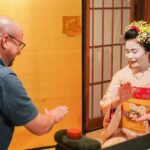
Also, don’t underestimate the “up close” factor. Some tour experiences keep you at a distance. Here, there’s a highlight that maiko performers take pictures with guests, which makes it feel more personal than a purely observational show.
The dinner experience: Kaiseki-style value and what to watch
Let’s be honest: the word kaiseki can mean different things depending on the restaurant and the scale of service. In this tour, you’re getting a Kaiseki-style dinner, but the meal is still packaged as part of a group schedule.
The best-case scenario is what Kyoto cuisine is famous for: restrained flavors, clean presentation, and dishes built around what’s available. The setting and service style also help. The experience description emphasizes chef skill through limited ingredient options, and that’s exactly what you’ll want to notice when the dishes arrive.
The drawback is that the dinner may not satisfy everyone’s idea of what “real” kaiseki should taste like. Some feedback points to the meal feeling more like boxed or plate portions rather than a full culinary sequence. Others found it average rather than exceptional.
So here’s how I’d frame the meal: treat it as a solid, Kyoto-themed dinner that complements the performance and venue mood. If you’re a food fanatic chasing the top tier of Kyoto gastronomy, you may still want an additional restaurant meal on a different night.
If you have dietary needs, read this carefully. Vegetarian options and specific allergies aren’t available. That’s a hard constraint, not a request. If you can’t eat standard dishes, you’ll need to rethink the booking.
After dinner: garden stroll and night views that feel like Kyoto
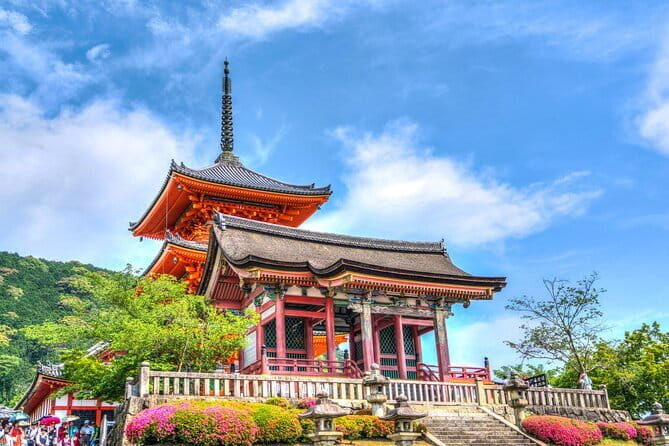
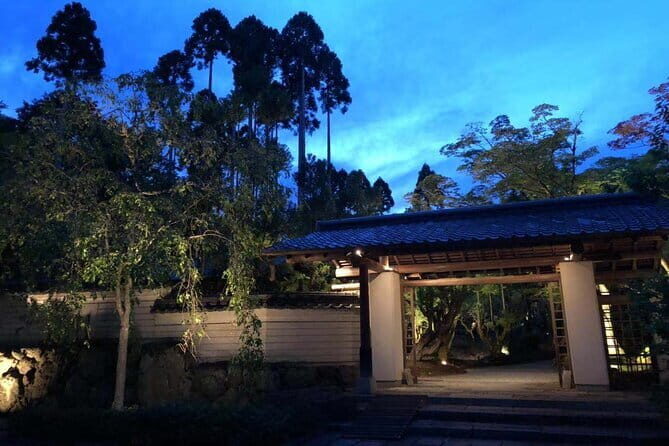
The evening doesn’t end when the show ends. Once dinner and the performance are done, you’ll have a chance to stroll through the Japanese garden and take in the traditional architecture. This part is often where the experience becomes memorable, because it slows you down just enough to actually see the details.
If you like photography, this is where it pays off. The garden walk gives you calmer lighting than the performance room, and it’s also a chance to reset after the intensity of watching live arts.
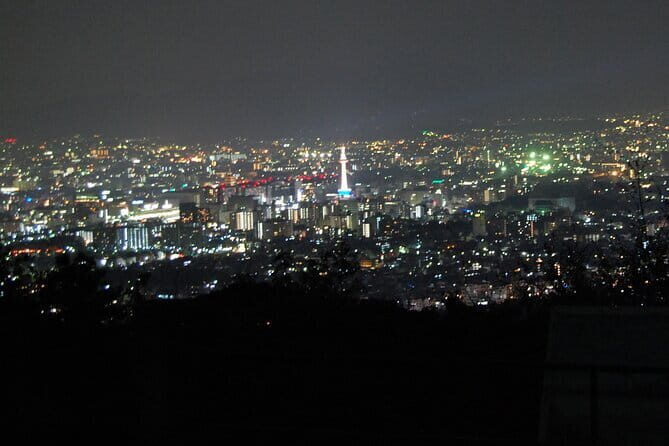
Then there’s a short stop at Higashiyama-sancho Park. This spot is known for night views of Kyoto, so it’s basically your scenic “stretch your legs” moment before you head back. It’s brief, but it’s a great payoff if your Kyoto nights feel like they’re mostly about streets and crowds.
One practical note: the tour follows a timed flow. At each stop, the guide displays your return time, and the bus won’t wait if you’re late. That’s normal for group tours, but it matters here because garden strolling and photo stops tempt you to stay longer than you should.
A few more Kyoto tours and experiences worth a look

Price and logistics: what you’re paying for (and what you aren’t)
At $100.15 per person for about 3 hours 30 minutes, you’re paying for more than dinner alone. You’re buying admission to the maiko performance, a Kyoto-style meal, and round-trip transport from Kyoto Station by bus, plus a multilingual on-board audio guide.
The value is strongest if you want an easy evening plan. You get a direct, timed event flow without having to coordinate transport to a venue outside central areas, and you don’t need to hunt down a performance + dinner combo yourself.
What’s not included:
- Drinks with the dinner
- Any option for vegetarian meals or allergy-specific adjustments
- Hotel pickup (you start at Kyoto Station)
- Hotel drop-off beyond a few specific hotels
Also, you’ll want to factor in that you’ll be sharing the bus ride with Japanese tourists. That’s not a problem in itself, but it shapes the language environment. If you need very clear English explanations throughout, this may not match your expectations.
If you’re the kind of traveler who wants convenience and atmosphere more than “perfect English narration,” this cost can feel reasonable. If you want a high-end dining experience with precise food quality and strong English commentary, you might feel the price more sharply.
Language and audio: how to set expectations for a Japanese-first night
This is the part that can make or break the experience for non-Japanese speakers. There’s a Japanese-speaking guide with the group, and the ride includes Japanese tourists. The tour does include an on-board audio guide in English, Chinese, and Korean, with GPS-enabled support.
Here’s the key practical takeaway: don’t assume the live guide will give you a full English-style explanation. The experience may run in a way that’s easiest for Japanese speakers, with the audio guide acting as your backup.
Audio quality can be inconsistent. Some people report earphones where sound clarity wasn’t great or where the channels felt messy. So if you’re sensitive to audio, consider this: your enjoyment should still be anchored in the performance and the venue atmosphere, not in catching every spoken detail.
My advice is simple: treat the show like a visual event first, and use the audio guide as context, not as a guarantee of word-for-word English immersion.
Timing that actually matters: when to arrive and how the evening moves
The tour starts at 5:30 pm from Kyoto Station. In April, the departure time shifts to 5:40 pm. Arrive at least 20 minutes early so you’re not stressing about getting to the bus terminal and boarding on time.
Late arrivals aren’t allowed to join the tour, and there are no exceptions. That’s common with evening group buses, but it’s worth repeating because it’s the easiest way to waste money and time on a Kyoto evening.
The tour runs about 3 hours 30 minutes, which includes travel to the venue and the stops afterward. Since there’s a fixed dinner schedule and timed returns, you’ll want to keep your plans for the rest of your day flexible.
If you’re doing other Kyoto sights, do the smart thing: don’t schedule a timed activity right before 5 pm that could run late. Kyoto can surprise you with crowds, lines, and sudden weather changes.
Who should book this maiko night, and who might skip it
This tour is a good match if you want:
- A fun, structured evening in Kyoto with a live maiko performance
- A Kyoto-style meal tied to the culture of the region
- An easy bus plan from Kyoto Station
- Time to walk in a Japanese garden and catch night views
It’s less ideal if:
- You need strong, ongoing English explanation from a live guide
- You’re picky about kaiseki-style dining and expect top-tier multi-course gastronomy
- You have dietary restrictions that require vegetarian meals or allergy-specific handling
If you’re traveling solo or as a couple, the event can feel especially satisfying because the group is limited to 35 people. It’s not huge, so you’re not swallowed by mass-tour chaos.
If you’re a family, this can still work as long as everyone is comfortable with an early evening start and staying on schedule. Just remember it’s a performance and dinner, not a long free stroll.
Should you book Maiko night with Kaiseki-style dinner?
I’d book this when you want a simple Kyoto night with a clear anchor: seeing a maiko performance in a venue that also gives you garden time and night views. The strongest value is the combination—show + meal + atmosphere—delivered with bus convenience from Kyoto Station.
I would not treat it as a must-do for food perfection. The dinner is described as Kaiseki-style, but feedback suggests quality can land in the “nice and presentable” range rather than “wow, best meal in Kyoto” for everyone. If you care deeply about dining, plan one excellent restaurant meal on another night and let this evening be about performance and setting.
Final advice: if you’re booking, keep your expectations tuned to a Japanese-first cultural event with multilingual audio support. If you can do that, you’ll likely end the night with photos, atmosphere, and that Kyoto-feeling you came for.
FAQ
What is included in the tour price?
You get admission to the maiko performance, a Kaiseki-style Kyoto dinner, transportation by bus from Kyoto Station, and an on-board audio guide in English, Chinese, and Korean. The tour also includes complimentary drop-offs at Kyoto Tokyu Hotel, RIHGA Royal Hotel Kyoto, and Hotel Keihan Kyoto Grande.
Are vegetarian options or food allergies available?
No. Vegetarian options and specific food allergies aren’t available. Meals are served on a fixed schedule for everyone.
Where do I meet the group and what time does it start?
You meet at Kyoto Station (Higashishiokoji Kamadonocho, Shimogyo Ward). The start time is 5:30 pm, and in April the departure is 5:40 pm.
How long is the experience?
It runs about 3 hours 30 minutes.
What languages are available on the audio guide?
The on-board audio guide is available in English, Chinese, and Korean.
Is there hotel pickup?
No hotel pickup is listed. You’ll need to get yourself to the Kyoto Station bus terminal for departure.
Are the return times and departure times strict?
Yes. At each sightseeing spot, your guide displays the return time, and you need to be back on time. If you miss the instructions, the bus departs without waiting.