That first strike of metal really grabs you. This private Kyoto workshop turns pewter into a custom sake cup using traditional hammer patterns, taught in an intimate studio by Kanako. I especially love that you get hands-on guidance in a relaxed setting, not a rushed demo with a souvenir factory feel.
I also like the freedom to make it yours. You’ll choose hammers, rotate the cup on the anvil, and build texture that changes with every strike, then add letters or numbers if you want. One thing to consider is the location: it’s outside central Kyoto, so you’ll want to plan time for the commute to the studio.
In This Review
- Key Points You Should Know Before You Go
- A Kyoto Souvenir That Actually Gets Used
- Where You’ll Go: Craft Gallery SALUK in a Quieter Kyoto
- Meet Your Artisan: Kanako and the Studio-Ready Welcome
- The Hammering Phase: Making Texture by Rotating and Striking
- Adding Your Mark: Letters, Numbers, Initials, and Dates
- Shaping the Rim: Filing, Beveling, and That Comfortable Feel
- Cup Size and Capacity: What You’re Actually Making
- What Makes the Experience Worth the Price
- The Real Experience: Calm Time, Custom Results, Good Packaging
- Who This Workshop Is Perfect For (and Who Might Hesitate)
- Tips to Make Your Day Smoother
- Should You Book This Private Pewter Sake Cup Workshop?
- FAQ
- How long is the Private Pewter Sake Cup experience?
- What is included, and do I need to bring anything?
- Can I personalize the pewter sake cup?
- Is this class private for my group?
- Where does the workshop take place?
- Do I get to drink from the cup during the experience?
- What are the cup size and capacity?
- What else can the cup be used for besides sake?
- Is the workshop suitable for most people?
Key Points You Should Know Before You Go
- Private small-group format for focused instruction with only your group in the workshop space
- Hammer choice changes the design as you rotate the pewter on the anvil to create patterns
- Personalization is part of the process with letters, numbers, initials, or a date added to the base
- Rim shaping is included so the cup feels good when you drink
- The studio experience is calm and countryside-adjacent, making the workshop feel like a break from the city
A Kyoto Souvenir That Actually Gets Used
A handmade sake cup sounds like a cute idea. Then you realize it’s also functional—so it doesn’t end up as decorative clutter. In this class, you craft a pewter cup you can use for sake, whiskey, chilled green tea, and other drinks.
Pewter has a long reputation in Japan, and the workshop explains why it’s so valued for drinking sake. One practical reason you’ll hear is that pewter is regarded as helpful for keeping water clean, which connects neatly to everyday Japanese habits like ikebana and caring for cut flowers.
The best part for most people is the hands-on part. You’re not just painting a blank. You’re forming the cup’s texture with your own strikes, then tuning the drinking rim so the final object feels right in your hand.
If you're still narrowing it down, here are other tours in Kyoto we've reviewed.


Where You’ll Go: Craft Gallery SALUK in a Quieter Kyoto
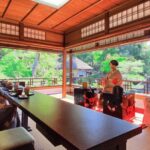
Your class starts at Craft Gallery SALUK, at 35-2 Shizuichinonakachō, Sakyo Ward, Kyoto (601-1122). The area is away from the densest parts of downtown Kyoto, and that’s a big plus if you want a calmer pace for an evening or morning block.
Getting there is usually easiest by public transportation, and you’ll find it’s not just “somewhere in Kyoto.” It’s described as a scenic ride out toward the edge of the city, and the workshop surroundings can feel peaceful and outdoorsy, with the kind of background you’d notice only because you’re not stuck in crowds.
This isn’t a session where you can easily pop in and out. Plan on the full 2 hours 30 minutes (approx.) so you can take your time with hammering and finishing.
Meet Your Artisan: Kanako and the Studio-Ready Welcome
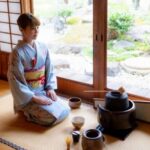
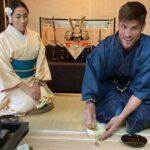
Kanako runs the experience, and the tone of the workshop is consistent: patient, clear, and welcoming. People describe starting with tea and snacks, then getting an overview before hands-on work begins.
What matters here is how she teaches. You’ll get step-by-step instruction on what to do next, and she’ll help steer you back to a good result if you make a mistake. That kind of calm coaching turns a potentially intimidating craft into something you can actually enjoy even if you’ve never worked metal before.
You’ll also see the practical side of real craftsmanship. The process is traditional, but the teaching is modern and beginner-friendly, and the studio setup is built for safe, guided practice.
The Hammering Phase: Making Texture by Rotating and Striking
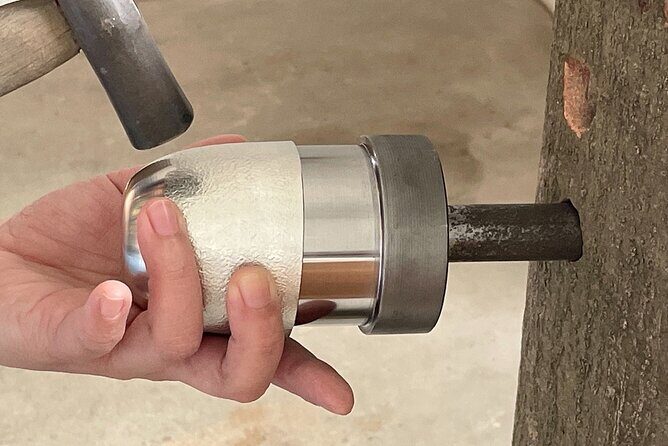
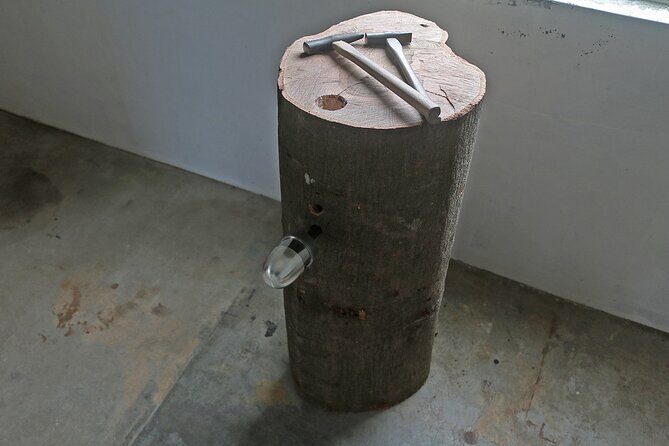
The cup starts out as a blank pewter form on an anvil. Your first real task is choosing from several hammer types and learning how each one changes the final look.
Here’s the core action:
- Put the pewter cup on the anvil.
- Strike while rotating so the pattern wraps evenly.
- Use one hammer for a consistent look, or combine different hammers for layered texture.
The key detail is that the expression of the cup keeps expanding depending on your hammer choice and your strike rhythm. In other words, you can’t fully copy what someone else made, even if you try. That’s why the final souvenir feels personal.
You’ll also get instruction on how to hold your pace. Hammering pewter is physical, but it’s not chaotic. You’ll build the design section by section, and the class keeps you moving forward without rushing you off to the next step.
Adding Your Mark: Letters, Numbers, Initials, and Dates
After you shape the main pattern, you have the option to personalize the base. If you want a real keepsake, this is the easiest way to make it feel like it belongs to you—not just a Kyoto-themed item.
The workshop offers personalization such as:
- Letters and numbers
- Initials
- A date
People often enjoy this part because it turns a design choice into a memory object. You can use a date from the day you’re in Kyoto, or even a simple set of initials for a couple, a family gift, or a solo “I did this” souvenir.
Also, the cup is sized to be usable. So unlike some crafts where the personalized part is only for display, this one supports real-life use at home.
Other private tours in Kyoto






Shaping the Rim: Filing, Beveling, and That Comfortable Feel
Once your pattern work is done, the class shifts to finishing. The goal is a drinking rim that feels good, not just a textured surface that looks cool.
You’ll:
- Use a file to adjust the height
- Bevel the rim at an angle so it drinks comfortably
Safety matters here. The final polishing step is done by the craftsman using a rotary machine. That means you still learn the core finishing logic, but the critical final smoothness is handled with the right tools and experience.
This is also where the craft stops being purely visual. A cup that fits your hand and drinks cleanly is what turns it into an everyday item.
Cup Size and Capacity: What You’re Actually Making
This finished pewter cup is about:
- 64 mm in diameter
- 53 mm in height
- About 90 ml capacity, or 115 ml when filled to the rim
That size helps you understand how practical it is. It’s not a huge mug. It’s a real sake-cup scale, so it fits the cultural idea of small pours and slow sips. If you use it for whiskey or chilled tea, the smaller capacity still feels intentional rather than awkward.
And the design is functional in more ways than one. The pewter material connects to that water-cleanliness idea mentioned earlier, which is a nice extra layer of meaning if you like Japanese aesthetics beyond drinking.
What Makes the Experience Worth the Price
The price is $144.96 per person for about 2.5 hours, in a private format. That’s not “cheap,” but it’s also not trying to compete with mass-made souvenirs. You’re paying for:
- An artisan-guided craft process
- Materials provided (you don’t need to bring tools or supplies)
- Your finished object, with personalization options
- Small-group, private attention rather than a crowded class
If you buy a pre-made sake cup, you get a finished product. Here, you get the story you can point to: the hammer you chose, the pattern you built, the moment you stamped the date, and the tactile work that made it happen.
Also, pewter takes skill to work into something comfortable and drinkable. You’re not just decorating metal—you’re shaping it into a usable cup.
In real terms, it can be a great buy if you’re the kind of person who likes fewer souvenirs and better ones. If you’re coming to Kyoto for crafts and hands-on culture, this hits that sweet spot.
The Real Experience: Calm Time, Custom Results, Good Packaging
One of the most praised parts of the workshop is how calm it feels. People describe the studio as removed from the business of downtown Kyoto, which makes the time fly in the best way.
They also highlight how well Kanako keeps the experience moving while making you feel supported. You’ll get clear instructions, and you’ll leave with a cup that looks like you made it—because you did.
Expect attention to presentation too. Finished cups are often packaged beautifully, with wood-box-style storage mentioned as part of the experience. That matters if you’re bringing it home for a gift or you want it protected during your trip.
There’s also a social side. Some classes include a chance to sip from what you made, and if you don’t drink sake, green tea is provided in the cup. It’s a small detail, but it turns the workshop into a full circle: you craft, finish, then use.
Who This Workshop Is Perfect For (and Who Might Hesitate)
You’ll probably love this if you:
- Want a Kyoto souvenir you’ll use at home
- Like hands-on crafts and don’t mind working at a slower, focused pace
- Prefer small-group instruction where you can ask questions
- Want personalization options without needing extra tools
You might hesitate if:
- You’re short on time and hate commuting outside the main city areas
- You’re expecting a quick, passive “watch and leave” activity
- You want something purely visual with no physical hammering work
The good news is that the class is set up for beginners. Still, it’s metalwork. It’s hands-on. If you want to do nothing with your hands, this isn’t that kind of workshop.
Tips to Make Your Day Smoother
You don’t need to bring anything, since materials are provided. That said, I’d plan like a craft day.
Wear comfortable clothes you can work in, because you’ll be handling pewter and doing filing and polishing-related finishing steps. Also, give yourself a little buffer for the commute so you don’t feel rushed when you arrive.
If you’re pairing this with other Kyoto sights, build it as an anchor on one half-day. Then let the rest of the day be flexible, because the workshop pace is part of the charm.
Should You Book This Private Pewter Sake Cup Workshop?
I’d book it if you want a souvenir that feels earned. This is one of those rare Kyoto activities where the object you take home is both beautiful and practical, and the process is taught in a way that makes beginners comfortable.
If you’re willing to spend 2.5 hours away from central Kyoto, the payoff is big: a custom hammered pewter cup from Kanako at Craft Gallery SALUK, with personalization, proper rim shaping, and a calm studio experience that doesn’t feel like tourist production.
If that sounds like your kind of travel day, go for it. If you want only high-speed sightseeing with minimal handwork, you may prefer a different activity. But for craft lovers and anyone who wants a truly personal Kyoto keepsake, this workshop is an easy yes.
FAQ
How long is the Private Pewter Sake Cup experience?
It lasts about 2 hours 30 minutes (approx.).
What is included, and do I need to bring anything?
You don’t need to bring anything. Materials are provided.
Can I personalize the pewter sake cup?
Yes. You can stamp letters, numbers, initials, or a date on the base.
Is this class private for my group?
Yes. It’s a private tour/activity, so only your group participates.
Where does the workshop take place?
It starts at Craft Gallery SALUK, 35-2 Shizuichinonakachō, Sakyo Ward, Kyoto, 601-1122, Japan, and ends back at the meeting point.
Do I get to drink from the cup during the experience?
The experience includes enjoying sake or green tea from the cup, depending on what you drink.
What are the cup size and capacity?
It measures about 64 mm in diameter and 53 mm in height. It holds about 90 ml, or about 115 ml when filled to the rim.
What else can the cup be used for besides sake?
You can use it for whiskey, chilled green tea, and many other occasions.
Is the workshop suitable for most people?
Most travelers can participate, and service animals are allowed.