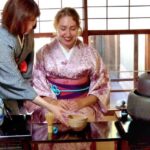
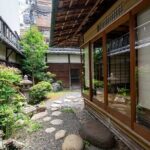
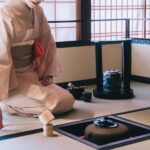
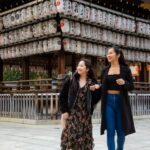
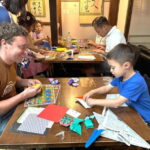
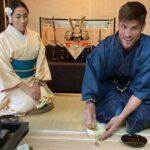
Kyoto slows you down fast. In Naomi’s old-house tea space, I really liked the organic Kyoto Uji matcha and the quiet garden you can enjoy for photos. One thing to plan for: this is not in central downtown, so you’ll need to factor in travel time.
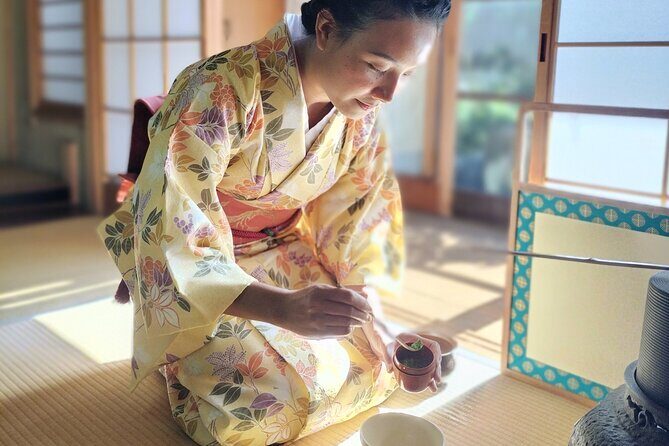
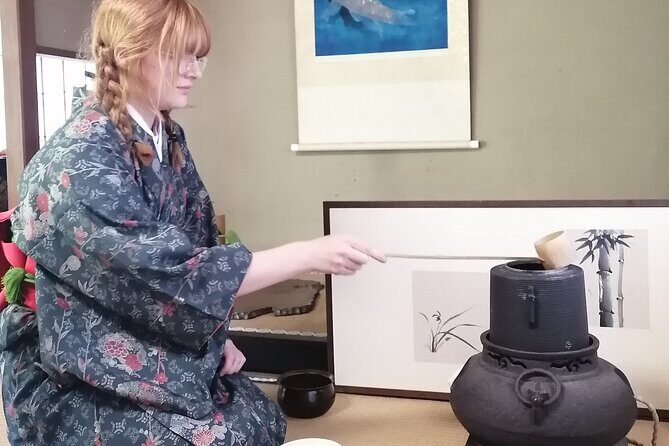
You’ll spend about an hour in a dedicated tea room inside a Japanese old residence. The flow is part lesson, part tasting, and then you get to try making matcha yourself, with chairs provided and time for photos during the ceremony.
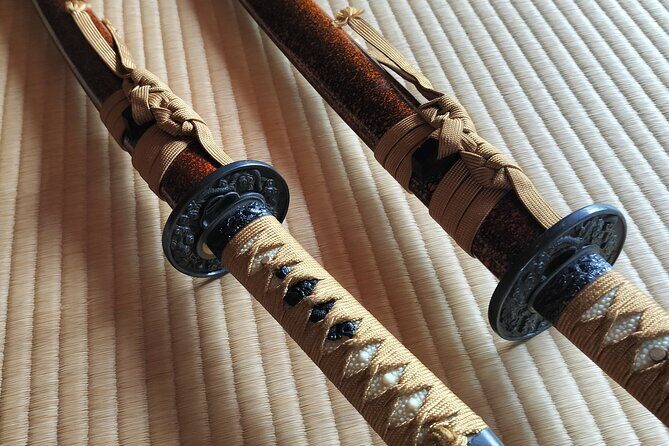
Kimono is optional, and private sessions can add extra photo props (a traditional umbrella and an imitation sword). That said, if rain is in the forecast, you’ll want to follow the photo guidance so you don’t end up soaking the outfit.
In This Review
- Key things I’d circle before you book
- A Kyoto tea ceremony, not a performance show
- What happens during the hour: lesson, tasting, then you do it
- Sweets, vegan choices, and what kids get instead of matcha
- Making matcha yourself: the technique is the souvenir
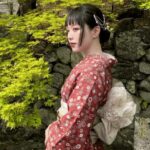
- Garden photos and kimono choices: the fun part, with real-world tips
- Getting to Kaze no Waon: worth the ride, but plan ahead
- Price and value: what $44.42 really buys you
- Who should book this Kyoto tea ceremony
- Should you book? My straight answer
- FAQ
- How long is the Kyoto tea ceremony experience?
- What does the price include?
- Can I request vegan or allergy-friendly options?
- Is there a kimono rental option?
- Can I choose the type of sweet?
- Is a private tea ceremony possible?
Key things I’d circle before you book
- Organic Uji matcha made in Kyoto: you’re tasting and learning with matcha from Kyoto.
- Hands-on matcha making: you don’t just watch, you do the whisking.
- Food flexibility for allergies and vegan: you can request options, and kids can have cocoa.
- Kimono add-ons with clear pricing: from ¥4000 to baby sizes, plus an undershirt option.
- Garden photo time: you can take pictures before the tea and during the ceremony.
- Small group size (max 6): more intimate than the big tour style, and you can request private.
A Kyoto tea ceremony, not a performance show
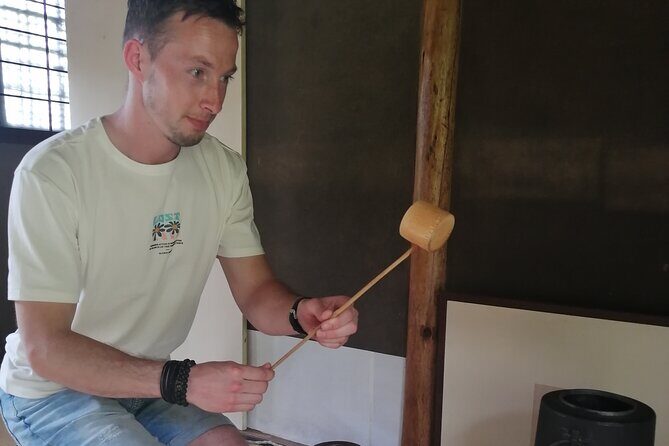
This experience happens in a traditional Japanese old residence, the kind of place where the setting already tells you to lower your voice and your shoulders. You’ll be in a room set up for the tea ceremony, and there’s also a garden area where the atmosphere feels calm and unhurried.
That matters in Kyoto. You can find tea-themed stops all over town, but here the setting supports the point of the ritual: attention. The garden also isn’t just window dressing. It’s part of the experience, especially if you enjoy taking photos that look like Kyoto photos instead of crowded-street photos.
And yes, you’ll see the benefits of a real host-led pace. Naomi explains what you’re doing and why, instead of treating the ceremony like a script you’re meant to copy perfectly.
If you’re coming with high expectations of a super long, formal ceremony, adjust your mindset. This is designed for travelers with limited time—about one hour—so you get the core practice without turning your day into a half-day project.
A few more Kyoto tours and experiences worth a look
What happens during the hour: lesson, tasting, then you do it
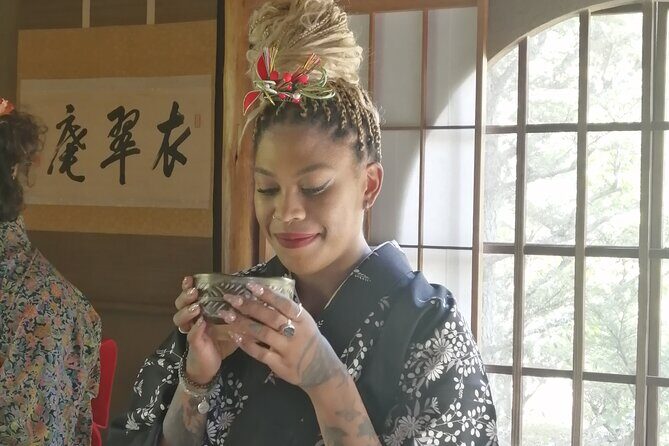
The session is built around a simple three-part rhythm:
First, you get the explanation. You’ll learn the history behind the tea ceremony and how matcha fits into Japanese tea culture. You’ll also hear about the effects people associate with matcha, plus the types of matcha and other Japanese tea. Then you’re shown how to drink matcha properly, so your first sip isn’t just “green tea happened.”
Second, you taste matcha with Japanese sweets. While the ceremony is underway, you’ll enjoy matcha and a sweet (more on that below). This is one of those small traveler comforts: you get a snack, and you don’t feel like you’re paying only for a lecture.
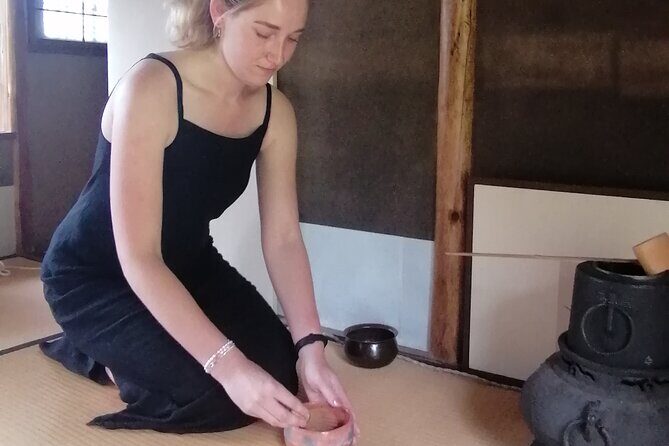
Third, you make your own matcha. This is the part that tends to feel most satisfying. Watching someone whisk matcha is fine. Whisking it yourself is memorable because it’s physical. You can’t fully fake it.
The reviews you’ll see on experiences like this often focus on how calm and soothing it feels. For me, the real takeaway is that the host keeps things understandable while still treating the ritual with respect. You leave with both taste and technique.
Sweets, vegan choices, and what kids get instead of matcha
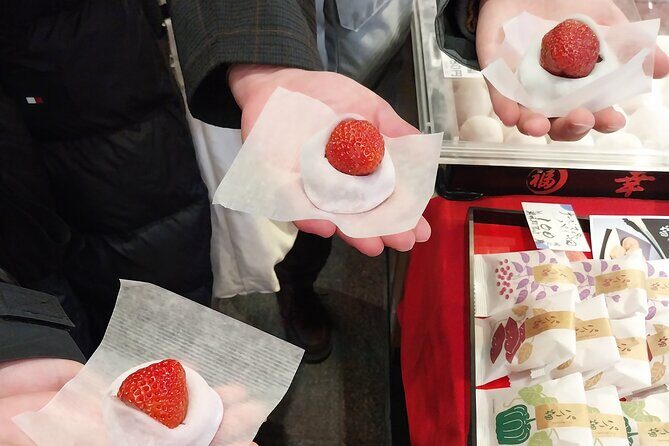
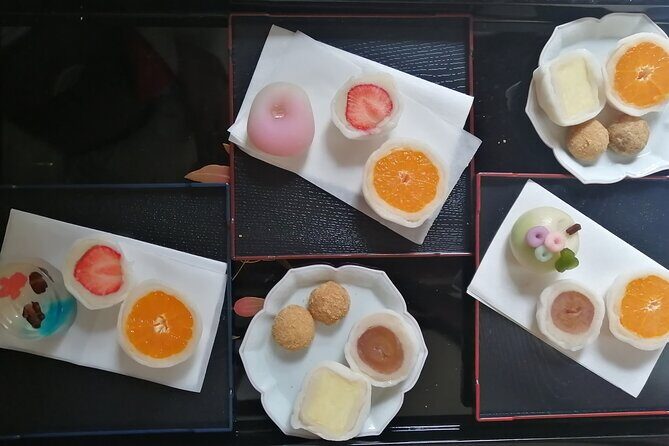
Food here isn’t an afterthought. One sweet is included in your price, and you can choose between two styles:
- A sweet cake with traditional bean paste
- A sweet option featuring fresh fruit daifuku
If you want both, there’s an additional fee of ¥500 per person. That’s a nice option because it lets you compare flavors without turning your snack into a separate expense.
You also get options for food allergy and vegan needs. That’s important in Kyoto, where wagashi and sweets can be tricky with ingredients like bean paste, dairy, or other add-ins. Having flexibility means you can focus on the ceremony instead of worrying about what’s in the bite.
For kids, there’s a straightforward swap: children can have cocoa instead of matcha. It’s a small detail, but it removes the awkwardness of bringing children to a matcha-focused activity and hoping they’ll enjoy it anyway.
Also, alcohol isn’t part of this experience. So plan this as a morning or afternoon reset—something to slow down, not something paired with drinks.
Making matcha yourself: the technique is the souvenir
Matcha making is the main event, and the format is traveler-friendly. You’re not required to know Japanese tea vocabulary. You’re guided through what to do, and you get to practice.
Here’s what makes this “worth it” beyond the novelty:
- You learn a process you can repeat at home. Even if your whisking isn’t restaurant-perfect, the ritual becomes yours.
- You taste matcha in context. It’s easier to notice flavor differences—freshness, bitterness, sweetness—when you’ve just worked on the preparation.
- You get a physical memory. The act of whisking and serving is something you’ll remember later, long after you forget the name of a train station.
I also like that chairs are provided. Tea ceremonies can make people worry about sitting posture and comfort. You can stay in the moment without turning it into a stretching class.
Garden photos and kimono choices: the fun part, with real-world tips
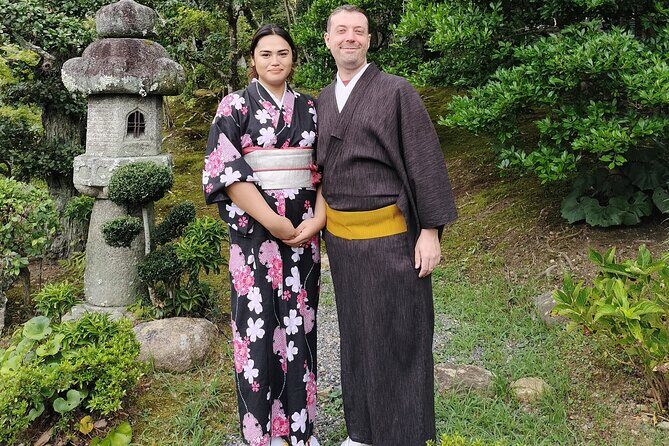
You can take photos during the tea ceremony, and you also get time to enjoy the space in the garden before the ceremony. That’s great if you want Kyoto photos that don’t look like you were trying to catch a bus.
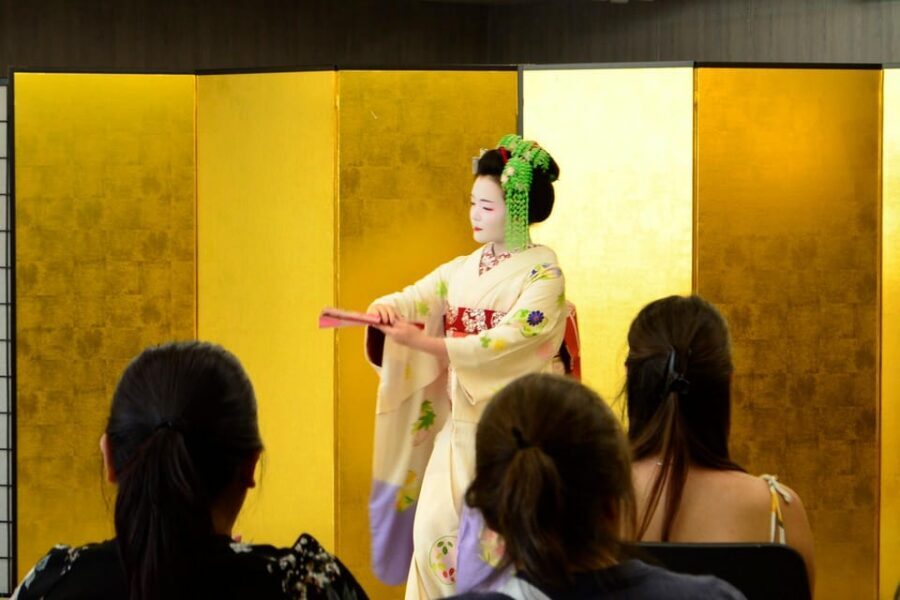
If you add kimono, you’ll get extra photo opportunities. A kimono rental option costs ¥4000. You can also choose:
- Rental hakama: ¥8000
- Baby romper-type kimono: ¥600
- Undershirt rental: ¥200
Important practical detail: there’s no hair set or makeup. The provider prepares hair accessories so you can use them freely with the rental outfit. If you want polished hair, plan to do it yourself or in your hotel before you head out.
Rain affects the kimono photo situation. You can take photos in the garden even in rain by using an umbrella, but it’s not possible to take photos while wearing kimono without an umbrella and getting wet. If you’re booking during rainy season, bring a plan for weather and timing.
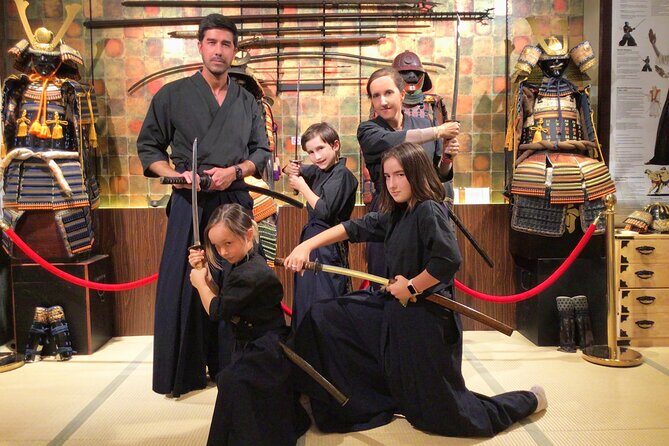
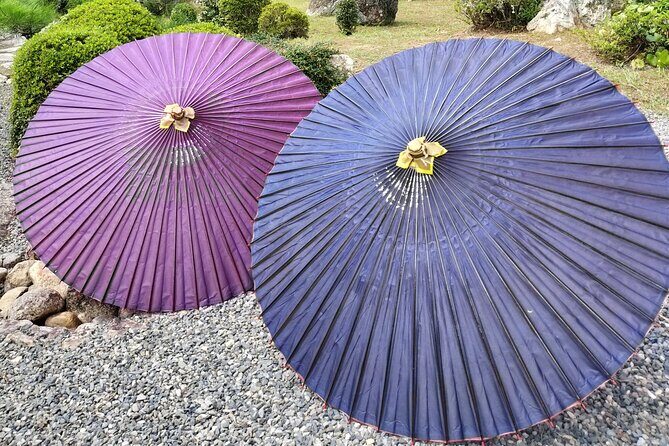
Private tea ceremonies add a fun twist: you can use a traditional umbrella and an imitation sword for taking pictures. That’s strictly for photos, but it can make the session feel more special if you’re celebrating something.



Getting to Kaze no Waon: worth the ride, but plan ahead
The meeting point is at:
Kaze no Waon, 14 Utanokitanoinchō, Ukyo Ward, Kyoto 616-8201, Japan
It’s near public transportation, but it’s also a bit away from the densest downtown areas. If you’re doing a packed Kyoto day—Fushimi Inari in the morning, Gion in the afternoon, late-night shopping after—this stop can feel like a detour.
So I’d treat it as a deliberate activity:
- pair it with sightseeing in the direction of Kinkakuji Temple and Arashiyama
- schedule it when you’re not already sprinting between neighborhoods
Also note the practical building rules. You can enter the premises with a stroller, but you can’t bring it inside the building. If you’re traveling with little ones, plan for hands-on stroller management during that transfer moment.
Finally, you’ll receive a confirmation within 48 hours of booking (subject to availability). This is one of those activities that’s easy to plan around once you have the confirmation.
Price and value: what $44.42 really buys you
At $44.42 per person, this is a mid-price activity. It’s not a cheap street snack, but it doesn’t try to compete with the most expensive private cultural experiences either.
Here’s what you actually get for the money:
- A one-hour tea ceremony experience in a traditional residence
- Matcha made with organic Uji matcha from Kyoto
- Japanese sweets (one included, with an option to add another for ¥500)
- Explanations about tea history, matcha effects, and how to drink matcha
- Hands-on matcha making
- Photo time in the garden and during the ceremony
- Allergy/vegan accommodation, plus cocoa for children
When you compare that to a typical Kyoto activity that charges for entry or a workshop but doesn’t include tasting plus instruction, the value feels strong. You’re paying for both the sensory experience and the learning piece, and you get something tangible you can repeat later: how to make matcha at home.
The optional kimono rental does add cost, but it’s priced clearly:
- ¥4000 for kimono
- plus additional options if you want hakama or baby sizing
If you’re already paying for a kimono elsewhere, you’ll want to compare. If you’re not, the kimono option can turn the experience into a full visual memory without needing a separate photoshoot.
Who should book this Kyoto tea ceremony
This fits best if you want a break from the hustle and you like learning by doing.
I’d put it at the top of the list if you:
- want a calm cultural activity that’s also practical (you learn and make matcha)
- enjoy tea flavors and want to understand what you’re tasting
- like small-group experiences (max 6 travelers, with flexibility if the group is larger)
- care about food accommodations (allergy and vegan options are available)
- are traveling with kids and want them to participate comfortably (cocoa is available)
It might be less ideal if you:
- dislike traveling outside the densest sightseeing areas
- expect a long, multi-hour formal ceremony
- are only interested in photos and not in the tea practice itself
Should you book? My straight answer
Yes—if you want Kyoto in a calmer key, this is a good use of your time. The combination of Kyoto Uji matcha, included sweets, and hands-on matcha making makes it feel like more than a pretty stop.
Book it especially if you’re the type of traveler who enjoys small moments: learning one ritual, tasting one sweet, and leaving with a skill you can repeat at home. Just plan your transportation so you’re not stressed getting there, and if rain is possible, handle the kimono photo rules with care.
FAQ
How long is the Kyoto tea ceremony experience?
It lasts about 1 hour.
What does the price include?
The price includes snacks (Japanese sweets) served during the ceremony, plus the tea ceremony experience itself.
Can I request vegan or allergy-friendly options?
Yes. Food allergy and vegan options are available, and children can have cocoa instead of matcha.
Is there a kimono rental option?
Yes. Kimono rental is ¥4000, and there are other options like hakama (¥8000), baby romper-type kimono (¥600), and an undershirt rental (¥200). Hair set and makeup are not included, but hair accessories are provided.
Can I choose the type of sweet?
Yes. You can choose either a sweet cake with traditional bean paste or fresh fruit daifuku. One sweet is included, and you can try both for an additional ¥500 per person.
Is a private tea ceremony possible?
Yes, you can book it as a private session. For private sessions, you can also use a traditional umbrella and an imitation sword for taking pictures.