Kyoto can feel like a maze. A private guide turns it into a plan you can follow, starting at Kyoto Station and weaving through places like Fushimi Inari-taisha and Kiyomizu-dera. It also keeps things conversational: you’re free to ask questions, and the route can flex to match your pace and interests.
I especially like the photo-friendly guiding style. Multiple reviews call out guides such as Yuhey and Kiyoto-san for taking great pictures (and even making a video in one case), plus helpful, warm hospitality in the Kyoto way—omotenashi. The itinerary also mixes headline stops with calmer alley views, like Pontocho and Tatsumi Bridge, so the day doesn’t feel like a one-note checklist.
One consideration: it’s primarily a walking experience, and transportation isn’t included. That matters if you’re hoping for lots of car transfers between distant areas, or if you’re sensitive to stairs and long museum-temple grounds. Also, a few major temple admissions (like Kiyomizu-dera, Kinkakuji, and Tenryuji) are not included, so you’ll want cashless backup for on-site ticketing.
In This Review
- Key Things I’d Prioritize About This Tour
- A Private Guide That Saves You From Kyoto Guesswork
- Where You Start: Kyoto Station to the River Lanes
- Pontocho: A Narrow Alley Along the Kamo River
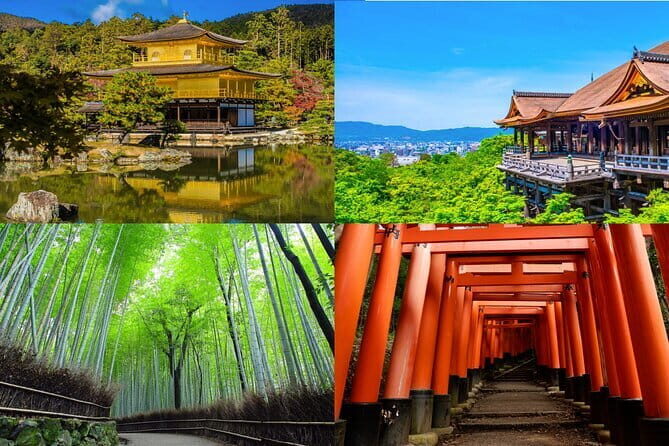
- Fushimi Inari-taisha: Walking the Thousand Torii Gates
- Kiyomizu-dera and the Sannenzaka/Ninenzaka Hill Streets
- A Machiya Starbucks Stop (Yes, It’s a Thing)
- Yasaka Pagoda and Hōkan-ji: Quick Photo Moments With Real Atmosphere
- Hanamikoji Street: Gion’s Heartbeat
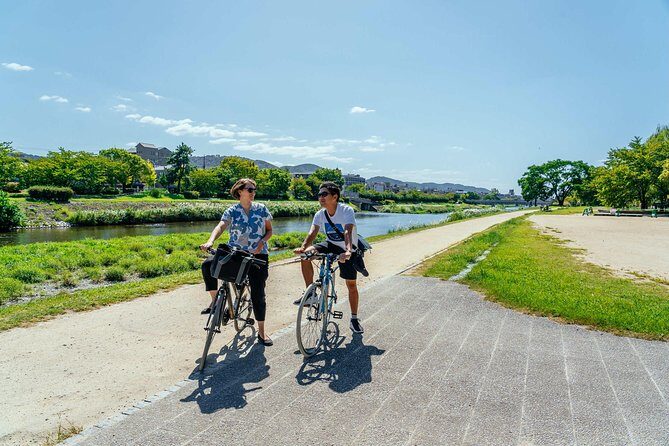
- Tatsumi Bridge: The River Walk Break You’ll Actually Remember
- Nishiki Market: Kyoto’s Kitchen in One Smart Hour
- Kinkakuji (Golden Pavilion): Big Wow, Separate Ticket
- Tenryuji and Arashiyama: Temple + Park Energy
- Arashiyama Bamboo Forest: The World’s Most Photographed Walk
- Arashiyama Kimono Forest: The Pillar Art Stop
- Togetsukyo Bridge: End on a River Landmark
- Price and What You’re Really Paying For
- Who This Tour Fits Best
- Should You Book This Kyoto Private Tour?
- FAQ
- Is this tour private or group-based?
- How long is the Kyoto private tour?
- What’s included in the price?
- Are temple and attraction entrance fees included?
- Does the tour rely on walking or transportation?
- Can I cancel and get a full refund?
Key Things I’d Prioritize About This Tour
- A true private setup: only your group, with undivided guide attention
- Iconic Kyoto without the stress: Fushimi Inari, Kiyomizu-dera, Nishiki Market, Kinkakuji, Arashiyama
- Photo support is part of the value: guides like Yuhey and Akiyo focus on snapping great shots
- Short stops that matter: quick hits at places like Hanamikoji and Yasaka Pagoda help you see the vibe fast
- You’ll handle some admissions yourself: certain temples have tickets not included
A Private Guide That Saves You From Kyoto Guesswork
This tour is built around a simple idea: Kyoto is easier when someone else handles the threading. Instead of decoding train lines, bus routes, and which entrance to use, you start with a meeting point at Kyoto Station’s Kyoto Tourist Information Center Kyo-NaviJapan (second floor). From there, your guide keeps the day moving and explains what you’re seeing in plain terms.
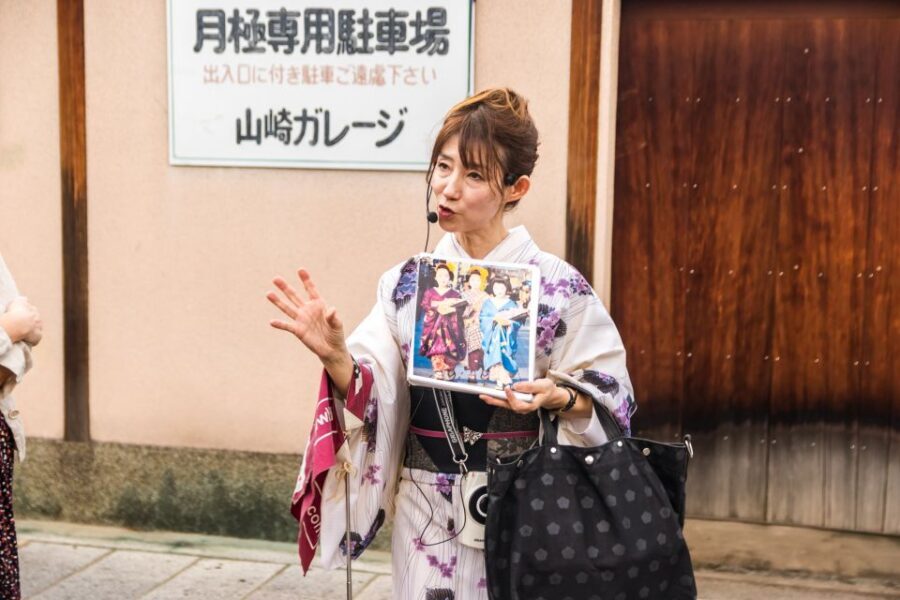
The private format is the real win. You’re not trying to keep up with a group rhythm, and you’re not stuck with headsets blasting someone else’s story. You can also ask follow-up questions, like how a shrine differs from a temple, or what a neighborhood name clues you into.
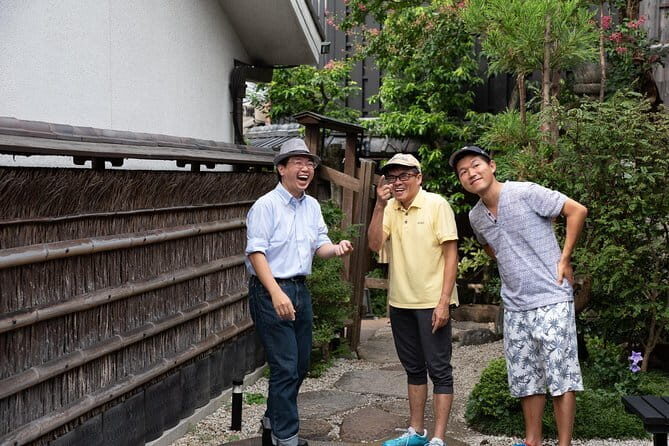
I also like the human factor. The included description highlights omotenashi, and the reviews back it up: guides such as Paren are described as casual, informative, and flexible enough for families. One review praises Yuhey’s easygoing personality and willingness to adjust when the group showed interest in something on the route.
Other private tours in Kyoto
Where You Start: Kyoto Station to the River Lanes
Your day kicks off at Kyoto Station, which is a smart anchor point. If you’re arriving by Shinkansen or flying into Kansai, starting here reduces day-one friction. And because the tour ends back at the meeting point, you don’t need to worry about how you’ll return to your hotel area after a long day of temples and walking.
A note on pickup: it’s offered, but transportation overall is not included. In practice, that often means your day is planned around walking segments, with public transport sometimes used if needed (at an additional cost). If you’re budgeting or planning for comfort, you’ll want to ask what your guide expects for your exact route.
Pontocho: A Narrow Alley Along the Kamo River
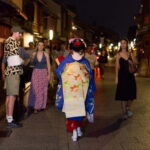
Pontocho is a “you get it once you’re there” stop. It’s a narrow alley stretching along the Kamo River between Sanjo and Shijo streets, and it’s known as one of Kyoto’s five geisha districts. Even if you’re not aiming to spot performers, the lane’s layout shapes the atmosphere—restaurants, tea houses, and that tight Kyoto street feel.
This is also a good warm-up for the day. It’s close to the action but not the same kind of crowd magnet as the biggest shrine sites. You’ll get bearings for the city’s geography: rivers, crossings, and the way neighborhoods stack on each other.
Best for: people who want Kyoto texture early—streets, scale, and atmosphere—before the bigger ticket sights.
Fushimi Inari-taisha: Walking the Thousand Torii Gates
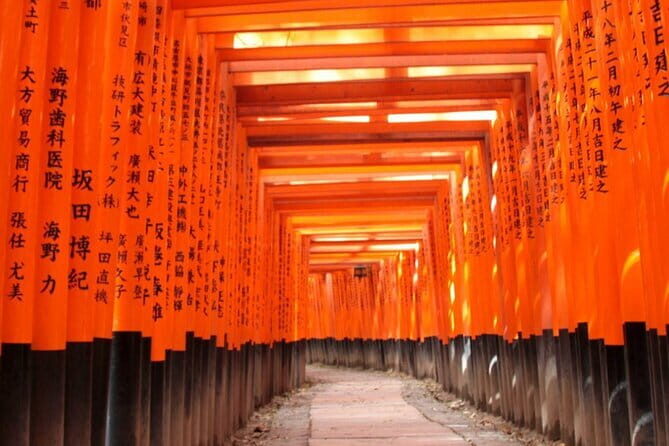
Fushimi Inari-taisha is where Kyoto goes iconic. You’ll enter the Senbon Torii—those thousand vermilion gates—and walk into a corridor of repeating shapes and perspectives. The effect is part architecture, part spiritual path, and part Instagram-level geometry (but in a good way).
This stop is listed for about an hour, and admission is free. That makes it a strong use of time: you can linger at viewpoints, take photos, and let the route’s rhythm work on you.
Practical note: with all those gates, you’ll want good walking shoes and a steady pace. There are plenty of spots to pause, but it can be easy to lose time if you keep stopping for photos.
Kiyomizu-dera and the Sannenzaka/Ninenzaka Hill Streets
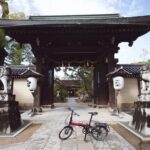
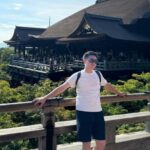
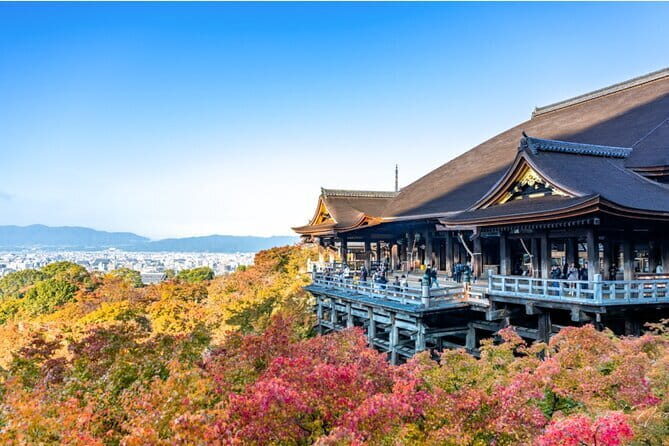
Kiyomizu-dera is one of Kyoto’s most recognizable temple silhouettes, perched on the slopes of Mount Otowa. Expect that “how is this sitting here?” feeling as you approach the main temple area. The tour allots about an hour, and admission is not included, so plan to pay the temple ticket separately.
Then comes the street walk: Sannenzaka and Ninenzaka. This is where old Kyoto street life shows up in stone-paved lanes and classic slopes that lead toward Kiyomizu-dera’s area. The time here is about rhythm—slow wandering and noticing the small details that guidebooks usually summarize too quickly.
A practical tip: these lanes can involve uneven steps and gradual climbs. If you’ve got mobility constraints, tell your guide early so they can adjust pacing and route.
Why this combo works: Kiyomizu-dera gives you the big spiritual anchor, while Sannenzaka/Ninenzaka gives you everyday Kyoto texture right beside it.

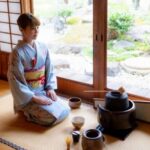

A Machiya Starbucks Stop (Yes, It’s a Thing)
One of the fun curveballs: the tour includes a short stop at Starbucks Coffee in the Kyoto Nineizaka Yasaka Chaya area, described as exploring inside the machiya Starbucks. The time here is brief (about 5 minutes), and it’s free.
Here’s the key detail: you can choose to leave the tour if you want to stay longer. That flexibility is a nice feature if you want a break from walking, want a familiar drink mid-day, or simply enjoy the idea of how Kyoto adapts modern brands into traditional buildings.
Value angle: this kind of stop works best as a reset, not a destination in itself—think of it as comfort and context, not a must-see museum.
Yasaka Pagoda and Hōkan-ji: Quick Photo Moments With Real Atmosphere
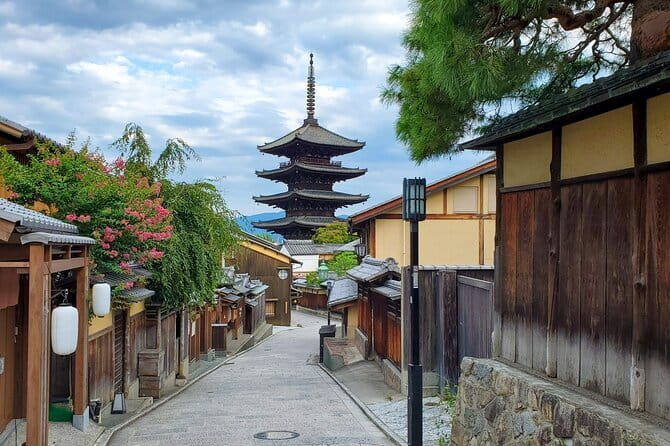
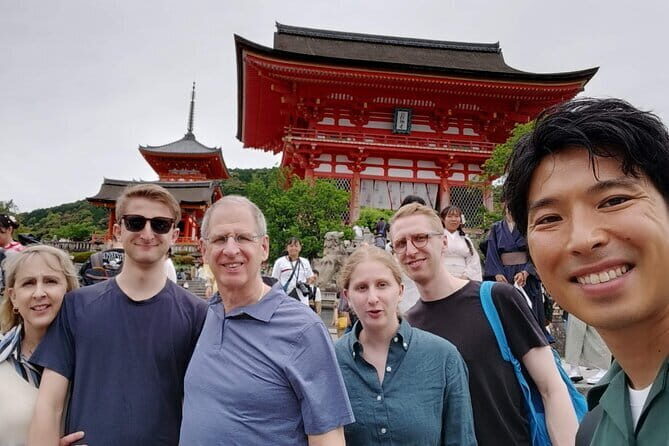
Next up is Yasaka Pagoda (Gojunoto) at Hōkan-ji Temple. It’s a fast stop (about 5 minutes), but the style is classic Kyoto: a clean silhouette against the historic Higashiyama district backdrop. The tour frames it as picture-perfect moments, and it’s exactly that kind of viewpoint you don’t need to overthink.
This section is also useful because it breaks the longer travel rhythm. After Fushimi Inari and Kiyomizu-dera, you get a chance to catch breath and regroup while still seeing something visually strong.
Hanamikoji Street: Gion’s Heartbeat
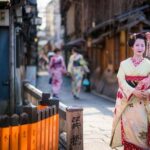
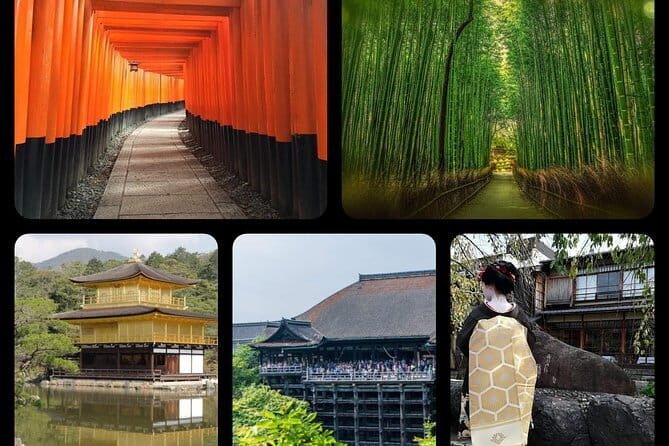
Hanamikoji Street is the beating heart of Gion, Kyoto’s most famous geisha district. It’s a narrow, stone-paved lane, and you’ll feel the “old Kyoto” mood as soon as you’re on it.
The tour lists this as a quick stop (about 5 minutes). That’s enough time to walk it slowly, take photos, and soak in the scale—without turning it into a long detour. It’s also a good way to understand Kyoto’s layout: how districts cluster and how streets narrow as you move toward the river and temple areas.
If you love street-level atmosphere, this stop lands well.
Tatsumi Bridge: The River Walk Break You’ll Actually Remember
Tatsumi Bridge is described as a hidden gem along the Shirakawa River, and the stop is about 10 minutes. It’s small, but it’s the kind of Kyoto scene that feels personal: wood, water, reflections, and a calm pause in a day that otherwise hits major attractions back-to-back.
This is a great spot for travelers who like their photos with mood, not just landmarks. It’s also a nice mental reset before you jump into the sensory overload of Nishiki Market.
Nishiki Market: Kyoto’s Kitchen in One Smart Hour
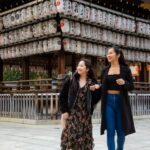
Nishiki Market earns its nickname as Kyoto’s Kitchen. The tour allots about an hour, and admission is free. This is your chance to taste and snack at Kyoto pace, instead of trying to plan meals around temple timing.
What I like about this market stop is that it breaks up the temple-heavy schedule. You’re moving from spiritual architecture to everyday food culture. And because it’s a market, you can keep it simple: try one or two things, then keep walking rather than getting stuck in an eating marathon.
Budget note: food and drinks are not included, so you’ll be paying for whatever you choose to eat and drink. Still, it’s one of the best ways to spend an hour without committing to a sit-down restaurant.
Kinkakuji (Golden Pavilion): Big Wow, Separate Ticket
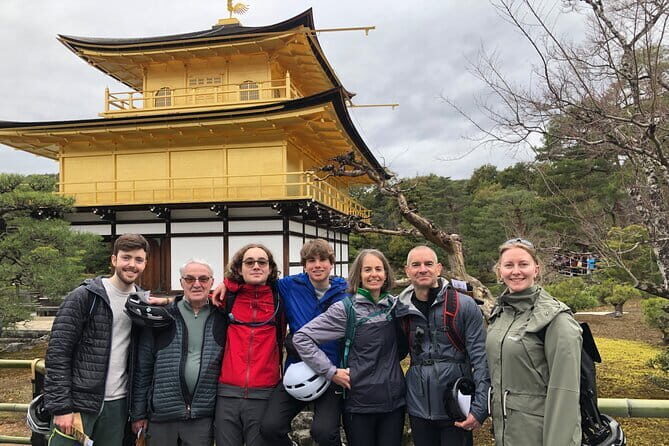
Then it’s off to Kinkakuji, the Golden Pavilion. This is another classic Kyoto anchor. The tour gives about an hour and notes that admission is not included.
Even if you’ve seen photos before, seeing it in person changes the sense of scale. The pavilion’s gold color is the obvious draw, but the setting and reflection angles are usually what make the photos feel different from the internet.
Practical note: this is one of the places where you’ll want to manage time well. With only an hour, it’s better to pick your main viewpoint areas than try to photograph everything.
Tenryuji and Arashiyama: Temple + Park Energy
Tenryuji Temple is listed at about 30 minutes, and admission is not included. It’s located in the Arashiyama district and is tied to historical Japanese figures in the tour description. Even without getting too academic, it’s a good pacing change: you’re in Zen-temple territory, but surrounded by a more natural-feeling district.
If Kinkakuji gives you flash, Tenryuji gives you a calmer tone. The tour then follows that mood shift toward the Arashiyama highlights.
Arashiyama Bamboo Forest: The World’s Most Photographed Walk
Arashiyama Bamboo Forest is included for about 30 minutes and admission is free. It’s iconic: a 400-meter path of bamboo that creates a rhythmic tunnel effect. This stop tends to be short because the forest itself is the attraction—you don’t need hours of context to understand why it’s famous.
The big practical thing is controlling your expectations. It’s still a walk in the forest, not a private viewing experience. Come with comfortable shoes and a plan to take a few meaningful photos rather than trying to capture every angle.
Arashiyama Kimono Forest: The Pillar Art Stop
Right near Arashiyama, you’ll also see the Arashiyama Kimono Forest—an art installation using cylindrical pillars (about 600 pieces, roughly 2 meters tall) arranged as a colorful pattern. This stop is brief (about 10 minutes) and free.
For many people, this becomes a fun break from the pure landmark theme. It’s also a photo stop with a different texture than temples and gates. If you like modern Japan popping up in unexpected places, you’ll probably appreciate this brief intermission.
Togetsukyo Bridge: End on a River Landmark
To finish, you’ll hit Togetsukyo Bridge, also called the Moon-Crossing Bridge, spanning about 155 meters across the Oi River. It’s another free stop and listed at around 10 minutes.
This ending works well because it’s a wide-open view after narrower streets, temple courtyards, and bamboo lanes. It gives you a sense of the river’s scale and helps the day feel complete.
Price and What You’re Really Paying For
At $177.90 per person, you’re buying a private day with a guide who handles pacing and interpretation. The price includes the guide time and core tour structure, plus photo-focused help and hospitality. It also includes things like a mobile ticket.
What’s not included is the stuff that adds up quickly in Kyoto: food, drinks, and tickets for certain attractions. The tour also doesn’t include transportation, though public transport may be used for an extra cost.
So the real value calculation is this: are you saving time and confusion by going private, and will you actually enjoy the guided explanation and photo support? If yes, this can feel like a good use of money—especially for couples and small groups who want flexibility. If you’re extremely budget-focused, you might prefer a self-guided route and only pay for a single paid guide hour.
The tour rating tells you it lands for most people: 4.9 out of 5 with 30 reviews and a 97% recommendation rate. You’ll still want to be aware of the one mixed review about a guide who was newer to guiding and didn’t have strong language or history knowledge. That doesn’t erase the good experiences, but it is a reminder to ask questions if your guide’s style doesn’t match your expectations.
Who This Tour Fits Best
This works especially well if you:
- Want a private walkthrough that keeps you oriented across multiple Kyoto areas
- Enjoy photo-friendly guidance and don’t want to constantly figure out angles alone
- Like mixing the big hitters with calmer streets and river scenes
- Prefer asking questions in real time instead of reading a guidebook at each stop
It might be less ideal if you:
- Need heavy car-based transportation rather than walking
- Want all temple admissions fully covered in advance
- Get frustrated if your guide’s interpretive depth doesn’t match your preferred style
Should You Book This Kyoto Private Tour?
If you’re the type of traveler who wants less stress and more “where do we go next?” clarity, I think this is a strong booking choice. The combination of major shrines and memorable street scenes—Pontocho, Hanamikoji, Tatsumi Bridge—adds up to a Kyoto day that feels planned, not rushed.
I’d book it if you’re comfortable paying for some temple tickets and want to walk a lot. If you hate walking or want transportation fully handled, you’ll need to confirm how your route will work for your group. Either way, the private setup and the strong focus on guide personality (including names like Yuhey, Akiyo, Paren, and Kiyoto-san in reviews) are the reasons most people end up happy.
FAQ
Is this tour private or group-based?
It’s a private tour/activity, so only your group participates.
How long is the Kyoto private tour?
The duration is about 4 to 8 hours.
What’s included in the price?
The tour includes a private guide experience, with pickup offered, group discounts, and a mobile ticket. Food, drinks, and attraction tickets are not included.
Are temple and attraction entrance fees included?
Not all of them. The tour lists admission not included for places like Kiyomizu-dera Temple, Kinkakuji Temple, and Tenryuji Temple, while many other stops are free.
Does the tour rely on walking or transportation?
It’s primarily a walking experience. Transportation is not included, though public transport may be used at an additional cost.
Can I cancel and get a full refund?
Yes. You can cancel up to 24 hours in advance for a full refund.