Kyoto looks great from a window. This private English-speaking car tour strings together Kyoto must-sees in an efficient 8 to 9 hours, with an itinerary planned for you and flexibility to match your pace. I like the hotel pickup part because it saves your first-morning stress, and I also like that you can choose how long you linger at each stop. One potential drawback: a formal tour guide isn’t included, so you may get more of a private driver experience than a full-on commentary tour.
The route is a classics hit list: Kinkakuji (Golden Pavilion), Arashiyama’s bamboo and Tenryu-ji gardens, Nishiki Market for lunch shopping, Nijo Castle, Kiyomizu-dera, Fushimi Inari’s red torii trail, and then Gion for evening-style strolling. It’s designed to cut down on time lost to trains and buses, and the reviews suggest the day runs smoothly when pick-up details are nailed down.
In This Review
- Key highlights worth your attention
- Private Kyoto car tour: what this day feels like
- The route that packs in Kyoto’s biggest names
- Kinkakuji Temple (Golden Pavilion): morning icon energy
- Arashiyama: bamboo walk plus Tenryu-ji gardens
- Nishiki Market: lunch without the guesswork
- Nijo Castle: dramatic rooms and preserved history
- Kiyomizu-dera: the wooden-stage viewpoint
- Fushimi Inari-taisha: torii gates and trail energy
- Gion: end the day with Kyoto’s classic street vibe
- Pickup and timing: the make-or-break logistics
- Price and value: who this is a good deal for
- Tickets and money: what you’ll pay on the day
- Your guide vs your driver: set expectations early
- How the flexibility actually helps (and when it doesn’t)
- Crowd avoidance: the real win vs the fantasy version
- Food and breaks: don’t let the day blur
- Best fit: who should book this Kyoto private car tour
- Should you book this tour?
- FAQ
- Is hotel pickup included?
- How long is the tour?
- What is the group size?
- Is this a private tour?
- What’s included in the price?
- What’s not included?
- Which stops are on the itinerary?
- Are there admission fees for the temples?
- What should I bring for Nishiki Market?
- Is free cancellation available?
Key highlights worth your attention

- Hotel pickup + private, air-conditioned car: door-to-door beats hopping transit all day.
- Flexible pacing inside a set route: you can slow down at the places you care about.
- A Kyoto greatest-hits loop: temples, castles, market food browsing, and Gion.
- Cash-friendly stop planning: Nishiki Market is free to enter, but you’ll want yen for snacks.
- Guide experience varies by driver: some guides explain a lot, others keep it lighter.
- Tickets cost extra at key temples: Kinkakuji, Nijo Castle, and Kiyomizu-dera have listed admission prices.
Private Kyoto car tour: what this day feels like
This is the kind of Kyoto day that works when you want structure without feeling trapped. You’ll have stops lined up, but the car keeps you moving without the friction of transferring trains, timing bus schedules, or walking long stretches just to get to the next attraction.
In practice, it often feels like two things at once: a sightseeing plan plus a private transport service. That can be perfect if you like discovering at your own speed. Just keep your expectations grounded: the itinerary has strong anchors, but the amount of in-depth explanation depends on the person you end up with.
Other private tours in Kyoto
The route that packs in Kyoto’s biggest names

You’re looking at a full-throttle loop of Kyoto icons. That sounds intense, and it can be, but the time blocks are designed to let you do the core experience at each stop rather than just taking photos from the curb.
Kinkakuji Temple (Golden Pavilion): morning icon energy
Kinkakuji is one of Kyoto’s most instantly recognizable sights: a Zen Buddhist temple famous for the Golden Pavilion covered in gold leaf. You’ll get about an hour at the site, and there’s a listed admission price of ¥500.
What I like about this stop is that it’s built for “first Kyoto day” visitors. Even if you’ve never read anything about Zen architecture, you’ll get the point fast. Try to arrive with a little buffer—this is one of the places where lines and crowd flow can impact your time.
Arashiyama: bamboo walk plus Tenryu-ji gardens
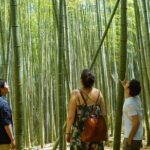
Arashiyama is where Kyoto shifts from polished landmarks to scenic wandering. You’ll have about 1 hour 30 minutes here, with a bamboo forest walk and a visit to Tenryu-ji, a UNESCO World Heritage site known for its gardens.
A key detail: the bamboo forest itself is the headline, but Tenryu-ji is often the calmer payoff. If you care about photos, give yourself time to slow down; if you care about views and atmosphere, focus more on the garden walk and less on rushing to the next selfie spot.
Nishiki Market: lunch without the guesswork
Nishiki Market is a shopping street where you can snack your way through Kyoto flavors. Entry is free, and the practical advice is to bring cash because vendors sell food and other items for different prices.
This stop is great for lunch because it’s built for browsing. You can try small bites instead of committing to one “big lunch” plan. Just don’t overdo it on sugar and street snacks—there’s still a lot of walking and temple time after.



Nijo Castle: dramatic rooms and preserved history
Next up is Nijo Castle, another UNESCO World Heritage site. You’ll get around an hour here, and the listed admission is ¥1000. The castle is known for preserved buildings and gardens, and it’s a strong contrast to the open-air feel of the earlier stops.
This is also a good time to shift gears mentally. If temples and shrines start to blur together, castle architecture brings a different kind of detail—rooms, gates, and the way the complex is organized.
Kiyomizu-dera: the wooden-stage viewpoint
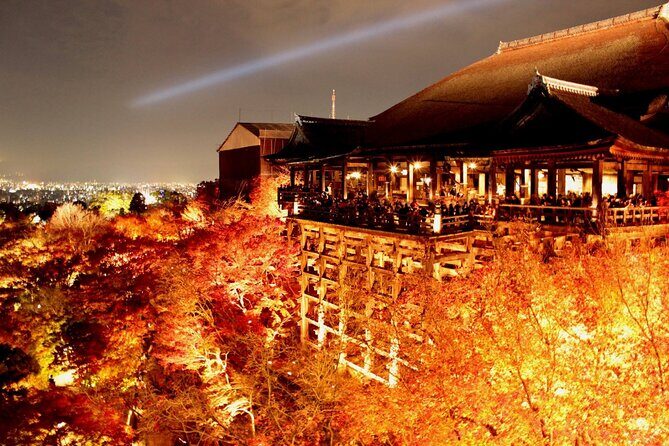
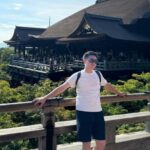
Kiyomizu-dera is the famous temple with views over Kyoto. You’ll have about an hour, and the listed admission is ¥500. The standout is the temple’s wooden stage from which you can look out across the city.
This stop often benefits from patience: views are one thing, but the flow of people can change your angles. Give yourself time to step back and reframe your photo rather than trying to squeeze everything into the first few minutes.
Fushimi Inari-taisha: torii gates and trail energy
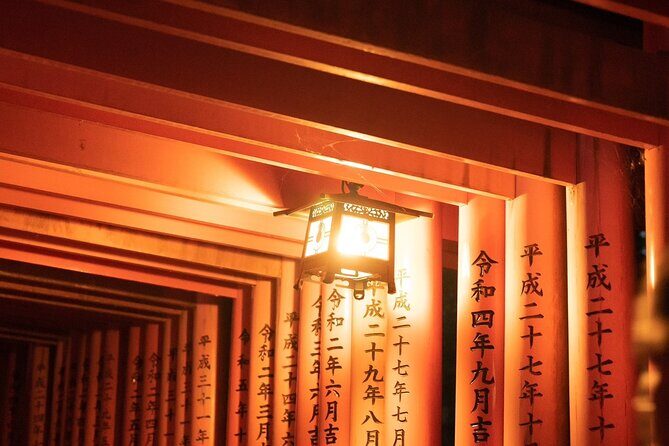
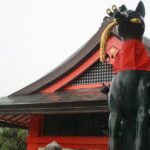
Fushimi Inari-taisha is the red torii gate trail that most people dream about before they ever arrive in Kyoto. You’ll have about 1 hour 30 minutes here, which is enough to do a solid portion of the hike without turning the day into a workout.
If you want the full effect, don’t treat it like a quick photo stop. The torii gates create a rhythm as you move through the trail. You’ll want to pause, look back at the rows behind you, then keep going when you’re ready.
Gion: end the day with Kyoto’s classic street vibe
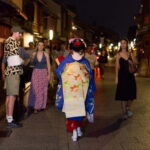
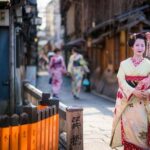
Gion is Kyoto’s geisha district area, and the walk here is about atmosphere. You’ll have about an hour 10 minutes, with views around Tatsumi Bridge and Hanamikoji Street where you’ll see upscale shops and restaurants.
This is the “slow finish” part of the itinerary. Even if you don’t see kimonos at every turn, you still get that old-street feeling and a nice change from temple crowds earlier in the day.
Pickup and timing: the make-or-break logistics

The tour includes pickup, and that alone removes a huge chunk of Kyoto day friction. Still, pickup works best when your start point is crystal clear. One sharp lesson from experience with this type of setup: confusion over the pick-up location can delay the start by a lot.
To keep your day smooth:
- Confirm the exact pick-up point in the message thread you’re using.
- Build a little buffer time on your side, especially if your hotel has multiple entrances or a front desk that redirects people.
- If you’re communicating during the day, use a consistent channel. A few guides were easy to reach via WhatsApp, which helps when you’re trying to locate each other quickly.
Once you’re in the car, the private format tends to pay off fast.
Price and value: who this is a good deal for

The price is $476.24 per group, up to 6 people, for an 8 to 9 hour day. That’s the big value lever: split it across a group and the per-person cost drops hard.
Here’s the math in plain terms:
- For 6 people, you’re roughly at $79 per person for a private car day.
- For 2 people, you’re closer to $238 per person—still potentially worth it if you hate transit stress and want a single smooth day plan.
The included items matter, too. You get an air-conditioned private vehicle, fuel surcharge, and a mobile ticket. What’s not included: food and drinks, entry tickets, and the tour guide.
My take: this is best value when you travel with at least a small group (or you share the cost with friends/family). If you’re a solo traveler, it can still be a good fit if you prioritize comfort and hate navigating Kyoto transit, but the price per person climbs quickly.
Tickets and money: what you’ll pay on the day

Not everything is free. The itinerary includes several major sights with listed admission:
- Kinkakuji Temple: ¥500
- Nijo Castle: ¥1000
- Kiyomizu-dera: ¥500
The rest of the stops are listed with free entry on the schedule (with Nishiki Market specifically noted as free to enter). Still, you should assume you’ll spend on food, drinks, and any paid admissions that apply to what you choose to do on-site.
Also, bring cash for Nishiki Market. The market is built for small purchases, and card use may not be what you expect everywhere.
Your guide vs your driver: set expectations early

This is where quality can swing. The tour does not include a tour guide, but drivers sometimes act like guides—explaining sights, pointing out where to focus, and helping with navigation and timing.
The best experiences in the reviews share a pattern: friendly personality, practical tips, and real patience. Names that stood out include Usama and Aka, who were described as helpful and easy to communicate with, plus Hassan, who led the day around the planned points with strong explanations. Nomi was praised as not only a professional guide but also a photographer, which can be handy if you want better photos without micromanaging your own shots.
On the other hand, this can also feel like a private driver with self-guided time blocks. If your goal is deep storytelling—legend, symbolism, architecture context—you’ll want to actively request what you need, or plan to bring your own reading material on the side.
How the flexibility actually helps (and when it doesn’t)

The listing emphasizes flexible timing: no fixed schedule, and you can adjust how long you spend at each stop. That matters because Kyoto days are rarely perfect.
If you get stuck in a crowd at a landmark, you can still salvage the day by trimming another stop. If you find a quiet corner you want to revisit, you don’t have to rush because the group is doing the next thing at the same pace.
But the route is still packed. At some point, physical time wins over flexibility. Fushimi Inari’s trail and Kiyomizu-dera’s walk to viewpoints both take time, even if you’re moving efficiently. Flexibility helps you manage that reality—it won’t magically turn 8 to 9 hours into three full days.
Crowd avoidance: the real win vs the fantasy version

A private car means you avoid train and bus crowds, and that’s not small in Kyoto. It also means you can arrive on your own rhythm rather than being swept along by bus schedules.
Still, paid-entry lines and on-site congestion can happen at major temples no matter what vehicle you arrive in. Private transport doesn’t remove all crowds. It mostly removes stress: fewer transfers, less waiting, and less time spent getting lost.
If your biggest complaint about public transit days is wasted time, this plan can feel like an instant upgrade.
Food and breaks: don’t let the day blur
Food and drinks aren’t included. Nishiki Market is a natural lunch stop because it’s built for eating on the move, and you’ll have enough time there to decide what you actually want.
One practical strategy: eat something light at Nishiki, then treat the rest of the day as sightseeing, not a restaurant hunt. Kyoto has plenty of food, but temple hopping doesn’t always leave room for long sit-down meals.
Also, plan for the fact that you’ll have multiple sensory zones: market smells, garden calm, then shrine trails. Small breaks can help you stay upbeat through a long day.
Best fit: who should book this Kyoto private car tour
This works well if you:
- Are on a tight schedule and want Kyoto’s top sights in one day.
- Hate navigating train transfers and crowded buses.
- Like the idea of a planned route but want the option to slow down.
- Travel with up to 6 people and can share the group price.
It might not be your best match if you:
- Expect a full history lecture at every stop (a tour guide isn’t included).
- Want a very relaxed day with minimal walking.
- Need a guaranteed, high-energy guide experience regardless of who your driver is.
Should you book this tour?
Book it if your priority is comfort, timing, and stress-free movement between Kyoto highlights. The price makes sense especially when you’re splitting it, and the combination of Kinkakuji, Arashiyama, Nishiki, Nijo Castle, Kiyomizu-dera, Fushimi Inari, and Gion gives you a well-rounded first-time Kyoto hit.
Skip or reconsider if you want a consistently deep guided narrative. This can range from a friendly, helpful driver who adds context to a more self-directed day where you do the exploring yourself. If you’re unsure, ask questions upfront about how much explanation you should expect.
FAQ
Is hotel pickup included?
Yes. Pickup is offered, and the tour includes hotel pickup as part of the experience.
How long is the tour?
It runs about 8 to 9 hours.
What is the group size?
The tour is for up to 6 people per group.
Is this a private tour?
Yes. It’s a private experience, and only your group participates.
What’s included in the price?
The tour includes fuel surcharge and a private air-conditioned vehicle. A mobile ticket is also included.
What’s not included?
Food and drinks are not included, and entry tickets are not included. A tour guide is also not included.
Which stops are on the itinerary?
The stops listed are Kinkakuji Temple, Arashiyama, Nishiki Market Shopping District, Nijo Castle, Kiyomizu-dera Temple, Fushimi Inari-taisha Shrine, and Gion.
Are there admission fees for the temples?
Some are listed with admission fees: Kinkakuji Temple (¥500), Nijo Castle (¥1000), and Kiyomizu-dera Temple (¥500). Other listed stops are shown as free to enter.
What should I bring for Nishiki Market?
Bring cash. Entrance is free, but you’ll want yen to buy food and other items from vendors.
Is free cancellation available?
Yes. You can cancel for a full refund up to 24 hours in advance of the experience start time.