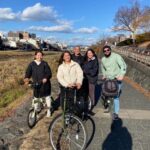
Kyoto by electric bike feels like cheating. This 4-hour ride is a smart way to see big sights without turning the day into a stair-climbing contest. You’ll roll with a small-group local guide at a relaxed pace, with time to listen and stop for photos.
What I really like is how the route mixes famous landmarks with quieter, more meaningful connections between them. You get temple-and-neighborhood time at places like Nishi Honganji and Gion Shirakawa, plus a calming break at the Kamo River when your legs (and attention span) need a reset. One thing to consider: you are still cycling through parts of Kyoto, so comfort with bikes and decent weather matters.
In This Review
- Key Highlights You’ll Feel Immediately
- Why Kyoto Makes Sense on an Electric Bike
- Getting Started: Meet Up, Clew Port, and the Hand-Sign Briefing
- Nishi Honganji and the Surprise Power of Kyoto’s Big Architecture
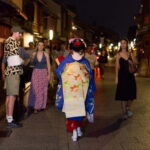
- Gion Shirakawa at E-Bike Pace: Old Streets Without the Rush
- Heian Shrine and the Story of Kyoto’s Water: Lake Biwa Canal
- Nanzen-ji Temple: One of Kyoto’s Big Statements
- Kamogawa River Cooldown: The Best Way to End the Ride
- Returning the Bike and Turning Free Time Into Your Own Kyoto Loop
- Price and Value for a 4-Hour Small-Group E-Bike Tour
- Who This Tour Fits Best (and Who Should Rethink It)
- Languages and Personalizing the Experience
- So, Should You Book This Kyoto E-Bike Tour?
- FAQ
- How long is the e-bike tour?
- How many people are in the group?
- What time does the tour start?
- Where do I meet the guide?
- What’s included in the price?
- Are the temple and shrine visits ticket-free?
- Can children join?
- What if the weather is bad?
- Is free cancellation available?
Key Highlights You’ll Feel Immediately
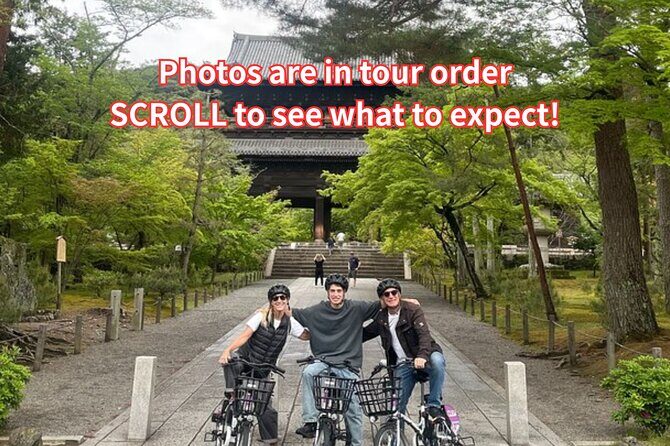
- Up to 5 people keeps the pace human and makes it easier to ask questions
- Electric bike + helmet included, so you spend less time figuring out equipment and more time enjoying the ride
- Free admission stops across major sights like Nishi Honganji and Nanzen-ji
- Gion Shirakawa style streets for that classic Kyoto atmosphere by the river
- Lake Biwa Canal routing that ties water infrastructure to Kyoto’s growth
- A Kamogawa River cooldown where you can cool your feet at the end of the tour
Why Kyoto Makes Sense on an Electric Bike
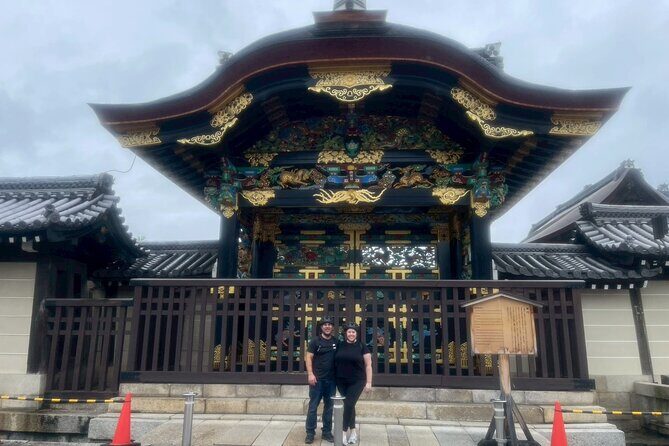
Kyoto has two modes: slow and scenic, or fast and exhausting. This tour chooses slow-but-effective. Instead of bouncing between far-flung stops with trains and long walks, you cover distance on an electric bicycle and use the guide’s route planning to hit the good stuff efficiently.
The other win is pacing. A small group means you’re not wedged into a schedule where everyone is sprinting to the next gate. You can take the time to look at details like temple grounds, old street layouts, and the way water channels shape neighborhoods.
If you like history that feels connected to daily life, this one has that. It doesn’t just drop you at monuments and send you off. It links places with stories you can actually visualize while you ride.
Other cycling tours in Kyoto


Getting Started: Meet Up, Clew Port, and the Hand-Sign Briefing
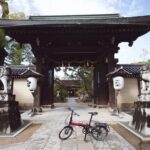
Your tour starts in the Higashishiokōjichō area of Shimogyo Ward, and the meeting point is listed as 682 Higashishiokōjichō, Kyoto. The guide meets you at a share-cycle Clew port by a temple called Seikouin Wagatazizou (described as behind the hotel).
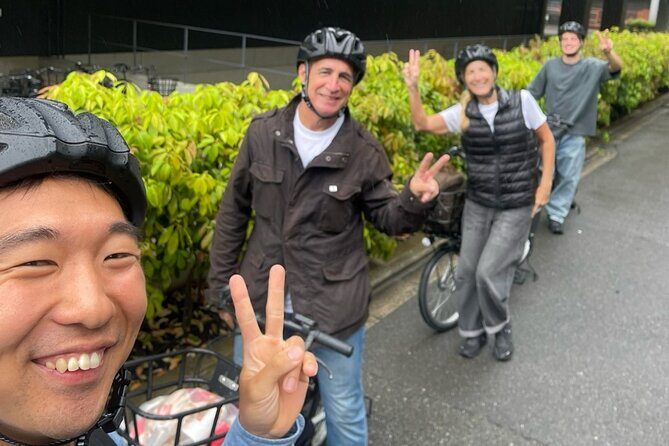
Before you roll, you get a short briefing on cycling hand-signs. That might sound basic, but it matters. It’s the difference between feeling confident and constantly second-guessing what comes next. Also, it keeps the group together, especially when you’re moving near busy streets.
You’ll get a message via Viator (Tripadvisor) before departure, so check your inbox and don’t assume the meeting spot is obvious without reading it. Bring your mobile ticket on your phone.
And yes, the helmet is provided. That’s one less thing to carry, and it helps you start the ride focused instead of fussy.
Nishi Honganji and the Surprise Power of Kyoto’s Big Architecture
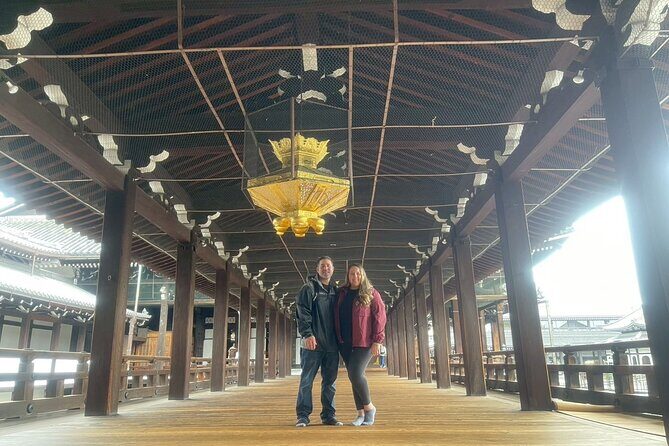
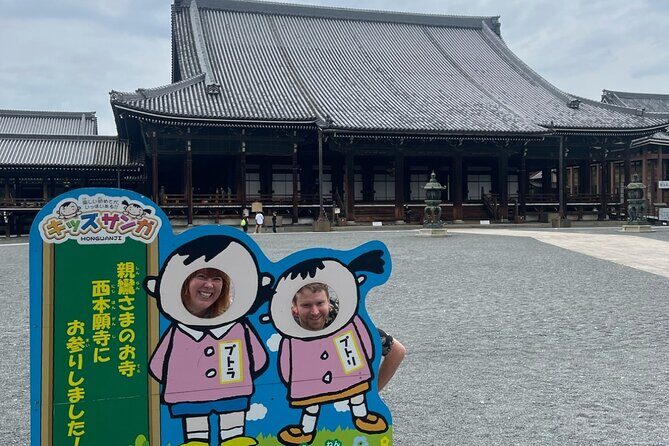
The first major cultural stop is Nishi Honganji, the head temple of the Jodo Shinshu Hongwanji-ha sect and known as the Western Hongan-ji. The time on site is about 30 minutes, with admission listed as free.
Here’s why that’s a smart choice on an e-bike tour: Nishi Honganji gives you a strong sense of scale early. Even if you’re not an expert on Buddhist history, you can feel how purpose-built these spaces are. It’s also a great contrast after the initial ride setup—suddenly you’re in a place that rewards slower walking.
Then you get a quick local-area pass at Kagiyacho, where a big building draws your eye: the old headquarters of Nintendo. You’re not meant to stand there for hours, but the stop-by view is genuinely memorable. It’s a reminder that Kyoto isn’t just temples and postcards. It’s also modern influence layered over older neighborhoods.
Timing note: the tour keeps everything relaxed, but you’ll still be moving through sections as a group. If you want zero movement, go with a slower walking tour instead. If you want momentum without stress, this format works.
Gion Shirakawa at E-Bike Pace: Old Streets Without the Rush
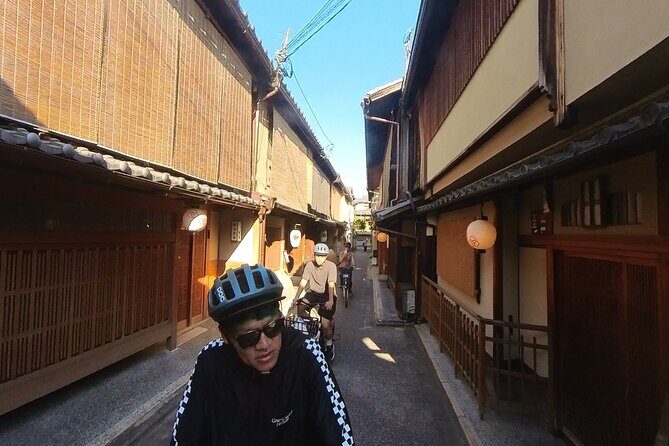
Next up is the Gion area, specifically the style of street associated with Gion Shirakawa. You’ll spend about 30 minutes here, with admission listed as free.
This is where the scenery does the talking. Think old buildings along the river, traditional tea-house streets, and those Kyoto seasonal touches that change how the neighborhood feels. In other words, you’re not just looking at a single landmark. You’re experiencing the vibe of a place that people associate with Kyoto tradition.
Why I like this stop inside an e-bike tour: getting to Gion can be a time sink. With the bicycle, you preserve your sightseeing energy for actually enjoying the street rather than wrestling with transport.
A small caution: Gion is photogenic, so you’ll want your camera ready. Still, don’t fixate on nonstop photos. Leave a little time to simply watch the rhythm of the street and riverfront.
Heian Shrine and the Story of Kyoto’s Water: Lake Biwa Canal
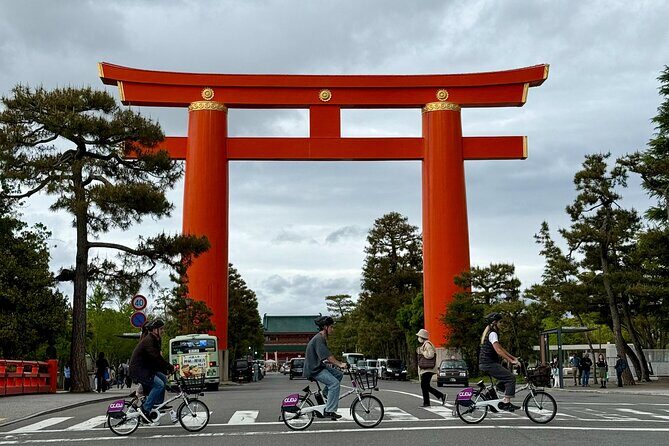
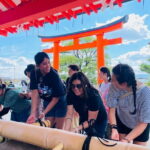
After Gion, the route heads toward Heian Shrine. It’s described as being established to commemorate the 1100th anniversary of the transfer of the capital to Heian-kyo, with Emperor Kanmu as the enshrined deity. There’s also mention of a large red torii gate, which is usually the visual anchor for the shrine grounds.
Then the tour shifts from major shrine drama into something more quietly fascinating: the Lake Biwa Canal section near Nanzen-ji. You’ll ride through areas identified as Nanzenji Kusakawachō and Nanzenji Fukuchichō, with explanations about how the waterway links Kyoto and Lake Biwa and helped Kyoto’s development by providing water. The canal system is also described as handling elevation differences in a clever way.
This is one of those segments that makes a guided ride feel worth it. Water infrastructure doesn’t sound exciting until you see how it physically connects to neighborhoods and how Kyoto’s growth depended on it. The bicycle route helps you understand that you’re not just visiting a temple. You’re passing through the systems that made the city possible.
Time-wise, you’ll have about 20 minutes at the Kusakawachō area, then around 50 minutes near the Fukuchichō area before the main Nanzen-ji temple stop. That spread gives you time to read the guide’s explanations without rushing.
A few more Kyoto tours and experiences worth a look

Nanzen-ji Temple: One of Kyoto’s Big Statements
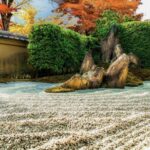
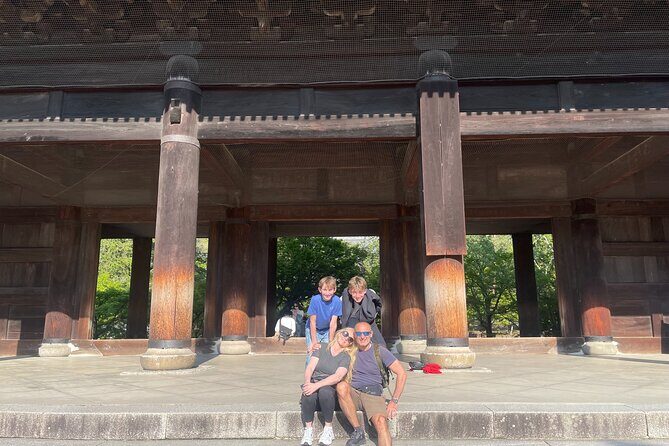
Your main temple stop is Nanzen-ji Temple, listed as free admission and described as especially special among the Five Mountains of Kyoto. You’ll spend about 20 minutes here.
Nanzen-ji is a strong stop for an e-bike route because it delivers impact quickly. You get a sense of importance from the main temple and gates, and the precinct is described as beautiful. Even with a shorter time window, the visual presence is usually enough to make you stop and look around.
Practical tip: when you arrive, take a minute to orient yourself visually first. Then spend time walking the parts that catch your eye. With e-bike tours, the goal is to see enough that the place lands in your memory, not to tick every box.
Kamogawa River Cooldown: The Best Way to End the Ride
After Nanzen-ji, you roll to Kamogawa River (the Kamo River). This is a short stop of about 10 minutes, but it’s one of the most valuable parts of the experience.
The tour encourages you to relax in the riverbed along the river or cycle on the riverbank. At the end, it even suggests getting your feet in the water to cool down and refresh. It’s not just a fun extra. It’s a smart recovery moment right when your body is probably ready for a break.
This is also where a small-group tour feels even better. You don’t have to wait on a crowd to move. You can enjoy the calm for a few minutes before heading back.
Returning the Bike and Turning Free Time Into Your Own Kyoto Loop
You end back at the meeting point area around 570 Higashishiokōjichō, and the activity finishes there. After that, you’re free to explore on your own.
This part matters more than it sounds. If you use the tour well, it acts like a guided warm-up: you learn how the neighborhoods feel, where the big sights sit in relation to each other, and what direction you’d like to continue in.
If you’re building your own day plan, aim for nearby walking streets and small temples rather than trying to squeeze in another long-distance visit immediately. Save your energy.
Price and Value for a 4-Hour Small-Group E-Bike Tour
The listed price is $99.08 per person for about 4 hours, and the group size tops out at 5. That’s not the cheapest way to see Kyoto, but it’s not trying to be.
You’re paying for:
- a guide who tells stories at a relaxed pace
- bike rental and an installed helmet
- use of the bicycle (so you don’t spend time hunting and renting on your own)
- coverage of several major stops without transit stress
Also, many stops are shown as admission-free in the itinerary. When the entrances aren’t eating your budget, the ride feels more like value than just convenience.
Booking window: the tour is often booked about 18 days in advance on average. If your dates are fixed or you’re traveling in a busy season, it’s worth reserving early so you get the time you want.
Who This Tour Fits Best (and Who Should Rethink It)
This tour is a great match if you want:
- an efficient way to see Kyoto highlights in a half-day
- a guide who can explain what you’re looking at, not just point and move
- a small-group feel rather than a large bus-style crowd
- a built-in recovery moment at the Kamo River
It’s also useful if you’re traveling with friends or family and want one shared plan that still leaves you with energy afterward.
Rethink it if:
- you strongly dislike riding bicycles at all
- your main goal is spending long hours inside temples rather than doing multiple stops
- you’re traveling when weather is unpredictable, since the experience requires good weather
Kids can join if they’re under 10 years old but taller than 140 cm and can ride a bicycle, and the fee is the same as an adult.
Languages and Personalizing the Experience
The guide language options aren’t guaranteed for every departure, but the info provided says some guides can speak German, Dutch, Bangladeshi, Hindu, and Urdu. If language matters for you, contact before booking and request your preference.
That can make a huge difference. When you can understand the guide’s stories easily, the tour stops feeling like scenic transportation and starts feeling like Kyoto reading.
So, Should You Book This Kyoto E-Bike Tour?
If you want an easy, well-paced way to hit Kyoto’s big-name sights while still getting real explanations and downtime, this is an excellent option. The mix of major temples, a classic Gion Shirakawa street experience, and the water-themed route through the Lake Biwa Canal area gives the ride more meaning than a basic highlight loop. Then the Kamo River cooldown is a practical touch that makes the whole afternoon feel lighter.
Book it if you’re aiming for a memorable 4 hours that keeps you moving without pushing you into constant walking. Skip it only if bikes stress you out or if you know your travel timing makes good weather unlikely.
FAQ
How long is the e-bike tour?
The tour duration is about 4 hours.
How many people are in the group?
The experience has a maximum of 5 travelers.
What time does the tour start?
The listed start time is 1:00 pm.
Where do I meet the guide?
The meeting point is listed as 682 Higashishiokōjichō, Shimogyo Ward, Kyoto. The guide meets you at a Clew share-cycle port near Seikouin Wagatazizou in that area.
What’s included in the price?
The tour includes a helmet, bike rental (use of the bicycle), and a cycling guide.
Are the temple and shrine visits ticket-free?
Admission is listed as free for the stops included in the itinerary.
Can children join?
Children under 10 can participate if they are taller than 140 cm and can ride a bicycle. The same fee as an adult applies.
What if the weather is bad?
The experience requires good weather. If it’s canceled due to poor weather, you’ll be offered a different date or a full refund.
Is free cancellation available?
Yes. You can cancel up to 24 hours in advance for a full refund.