Gion is better with a real guide. This private, 2-hour walk in Kyoto’s historic geisha district turns famous landmarks into an easy route, with photo stops at Yasaka Shrine and Hanamikoji Street. It’s the kind of tour where the streets make more sense once someone points out what you’re actually looking at.
What I like most is the chance to ask your guide anything as you go. Another strong plus is the smooth, human touch—guides like Ahmed Abu Tayeh (and others such as Mat) have a knack for explaining local customs clearly and answering follow-up questions on the spot. One thing to consider: seeing a geisha or maiko isn’t guaranteed, even though the tour targets the most likely spots.
In This Review
- Key highlights worth choosing this guided Gion walk for
- Why Gion feels different when someone shows you the route
- Price and logistics: what $350 per group buys you in Kyoto
- Your 2-hour route through Gion’s most recognizable stops
- Stop 1: Gion streets and the Hanami Street chance
- Stop 2: The Izumo no Okuni statue (Kabuki origin tribute)
- Stop 3: Chion-in Temple gate (big wooden entrance)
- Stop 4: Yasaka Shrine (lantern-lit spirit of the district)
- Stop 5: Maruyama Park for a calmer pace
- Stop 6: Hanamikoji Street (the heart of Gion)
- Geisha and maiko: what you can reasonably expect
- Morning vs night in Gion: choose the mood you want
- Pacing, heat, and comfort: how to make the 2 hours work
- Guides make the difference: what to look for during the walk
- Should you book a guided Gion tour in Kyoto?
- FAQ
- How long is the Guided Gion Tour?
- What does the tour cost?
- Is this a private tour or a group tour?
- Where does the tour start and is pickup available?
- Will I see a geisha or maiko?
- What stops are included?
- Are admission fees included for the stops?
- What is the cancellation policy?
Key highlights worth choosing this guided Gion walk for
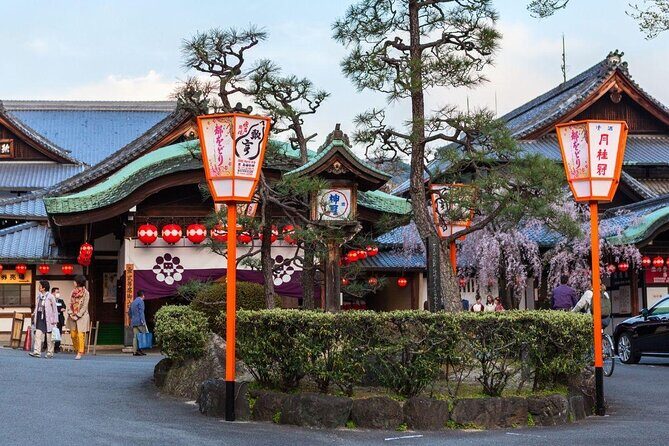
- Photo-friendly route through iconic sights like Yasaka Shrine and Hanamikoji Street
- Private group experience (up to 8) with room to ask questions
- Gion spotter focus on areas where geisha or maiko are most likely to pass by
- Mostly free entry stops, so your money goes to guiding rather than tickets
- Flexible timing across the day, with early morning and night options
Why Gion feels different when someone shows you the route
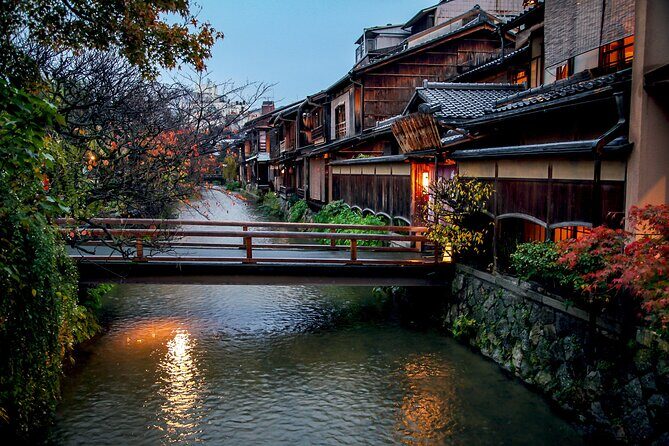
Gion is Kyoto’s “old streets” district, but it can also feel like a blur if you’re wandering on your own. A guided walk helps you read the neighborhood fast—where the architecture changes, where the foot traffic naturally flows, and where the most photo-ready scenes cluster.
I like that this tour is built around short hops, not long, exhausting transitions. In a compact 2-hour window, you get multiple recognizable stops: temple gates, a major Shinto shrine, a green park break, and the famous geisha-street vibe down Hanamikoji.
A few more Kyoto tours and experiences worth a look

Price and logistics: what $350 per group buys you in Kyoto
The price is $350 per group, sized up to 8 people, for about 2 hours of guided time. On the surface that sounds steep until you do the math like a practical traveler: if you split the group cost, it’s a reasonable way to buy clarity and local context in one go.
This is also a private tour, so you’re not squeezed into someone else’s pace or stuck with a generic script. Pickup is offered, and the meeting point is near public transportation, which matters in Kyoto where getting from one district to another can eat time.
One small plus that feels modern: you’ll get a mobile ticket, which makes last-minute logistics easier.
Your 2-hour route through Gion’s most recognizable stops
This walk is designed as a tight loop through the classic Gion viewpoints. Even when each stop is brief, the guide’s job is to help you notice the details you’d otherwise miss.
Stop 1: Gion streets and the Hanami Street chance
You start in Gion itself, taking in the historic old-town feel and the layout that makes people come here in the first place. You might have luck spotting a geisha in areas like Hanami Street, which is why your guide keeps the timing and positioning in mind rather than just marching forward.
Since this start is the “Gion orientation” part, it’s also where you can ask the most useful questions. If you care about photography, customs, or how to recognize what’s traditional versus touristy, this is when to ask.
Stop 2: The Izumo no Okuni statue (Kabuki origin tribute)
Next is a quick stop at the Statue of Izumo no Okuni, a monument dedicated to the pioneering figure who founded Kabuki theater. It’s short—about 15 minutes—but it adds a performance-art layer to your walk, connecting Gion’s geisha culture to Japan’s broader stage history.
Even if you don’t know anything about kabuki going in, the guide can frame why the statue is here and what it represents within Kyoto’s cultural story.
Other guided tours in Kyoto




Stop 3: Chion-in Temple gate (big wooden entrance)
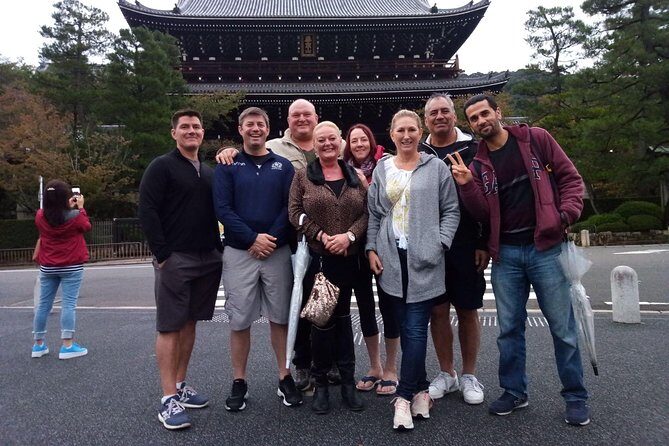
Then you move to Chion-in Temple, focusing on the impressive temple gate area. Expect to spend around 15 minutes here, and you’ll have time to appreciate the massive wooden structure and intricate carvings described in the tour outline.
This is a good “reset stop” in the walking loop. If you’ve been shooting street photos, the temple gate gives you a different shape and texture—useful if you want variety in your Kyoto photos without adding extra transit.
Stop 4: Yasaka Shrine (lantern-lit spirit of the district)
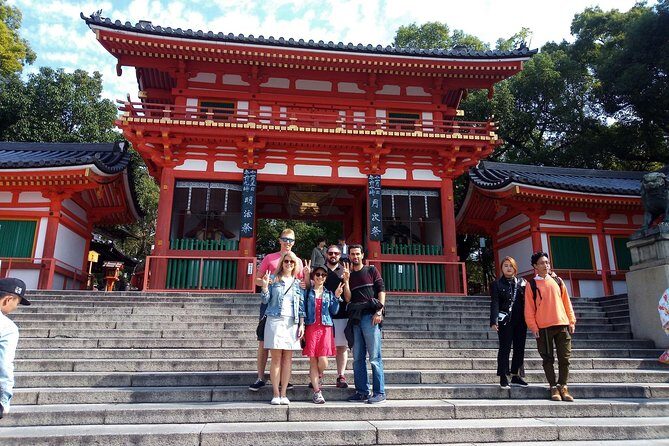
A short walk brings you to Yasaka Shrine, where the vibe shifts from architecture to atmosphere. You’ll have about 10 minutes, and the tour specifically calls out the shrine as known for lively festivals and lantern-lit pathways.
If you’re going at night, Yasaka is one of the most photogenic spots on the route because lantern light and shrine pathways work well on camera. Even in daylight, it’s a strong Kyoto “scene,” and the guide helps you orient your photos so you don’t just shoot crowds.
Stop 5: Maruyama Park for a calmer pace
Next is Maruyama Park, roughly 10 minutes. It’s a green breather with ponds and seasonal cherry blossoms, plus tranquil paths that offer a more relaxed walking moment inside the overall sightseeing schedule.
This stop is handy if you start to feel “tour fatigue.” A short nature pause keeps the rest of the walk enjoyable, especially on warmer days.
Stop 6: Hanamikoji Street (the heart of Gion)
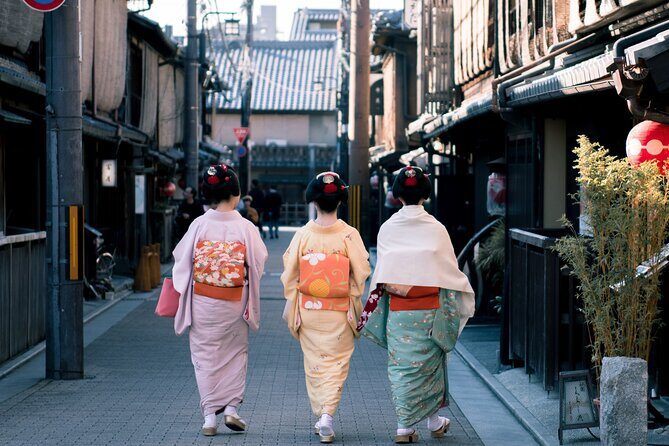
You finish by wandering down Hanamikoji Street, often considered the heart of the geisha district. It’s lined with traditional teahouses and elegant machiya houses—wooden townhouse architecture that’s central to why Gion looks the way it does.
It’s also the best place in the final stretch to keep an eye out for geisha or maiko passing by. The tour’s focus is realistic: sightings aren’t scheduled, but your guide aims you toward the most likely zones.
Geisha and maiko: what you can reasonably expect
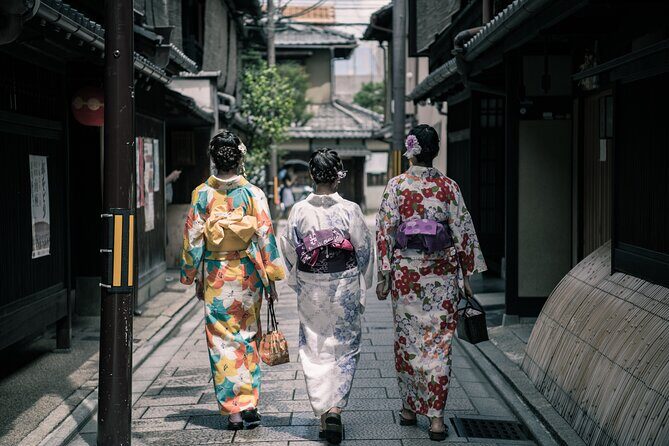
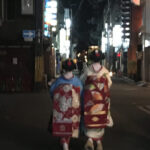
Let’s be straight. This tour does not function like a guaranteed meet-and-greet with a geisha or maiko. Instead, it’s a spotting-focused walk where your guide helps you stand in the right places at the right times—so you have a fair chance of seeing a geisha or maiko while you enjoy the district.
This matches what the tour is designed to do: you visit the spots where people are most likely to catch movement and traditional street life. One review note even flags that the tour isn’t timed for a dedicated sit-down moment with a geisha or maiko, and that’s important for setting expectations.
So, think of it like this: you’re buying context and positioning. If you get a sighting, it’s a bonus.
Morning vs night in Gion: choose the mood you want
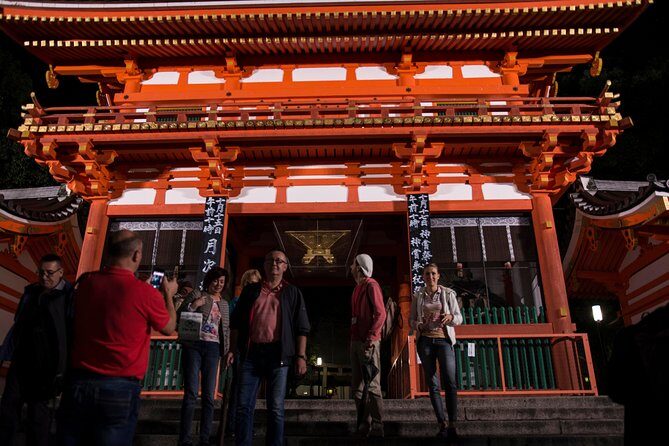
The tour offers options throughout the day. If you pick an early morning slot, you’ll likely see Gion with fewer crowds, which helps for both photography and comfort.
If you choose night, you get a different texture to the neighborhood: streetlights come on, and the lantern-and-light feel at places like Yasaka can read more dramatically. Night also tends to make the famous old-street atmosphere feel sharper, even if the sidewalks are still lively.
My practical tip: choose early morning if you want calmer photos and easy walking. Choose night if your top priority is atmosphere and lighting.
Pacing, heat, and comfort: how to make the 2 hours work
A two-hour walking tour is manageable—until the weather makes it not. One issue raised in the feedback is that a very hot day can slow people down, and then some commentary can get missed if the group has to rest or move slower.
Here’s how you can avoid the problem:
- Wear breathable clothes and shoes with good grip.
- Bring water, even if you think you’ll be fine.
- If you’re sensitive to heat, consider an early slot rather than midday.
The tour’s structure is built for short stop durations, so it helps to travel prepared. If you need a moment to cool off, tell your guide. Private tours work better when you communicate.
Guides make the difference: what to look for during the walk
Your guide isn’t just moving you from sign to sign. The best part of this tour is the “meaning” layer—how customs and cultural context get explained while you’re looking at the real setting.
The experience is led by Ahmed Abu Tayeh, and feedback also mentions guides such as Mat. In both cases, the thread is consistent: people value punctuality and answers to questions that go beyond what you’d learn from a simple guidebook.
During the walk, don’t be shy. Ask what to notice at each stop: why a shrine looks the way it does, what the street architecture signals, and where people tend to look for geisha or maiko activity.
Should you book a guided Gion tour in Kyoto?
Book it if you want:
- A private, efficient introduction to Gion in a short time
- A route that hits the most classic photo stops like Yasaka Shrine, Maruyama Park, and Hanamikoji Street
- A guide who can answer questions and help you understand customs while you walk
Skip it or adjust expectations if:
- You’re arriving during very hot weather and you don’t handle walking in heat well
- You want a guaranteed geisha or maiko experience. This tour aims for the places where you may spot them, not a guaranteed encounter
If you’re pairing Gion with other Kyoto stops, this one works especially well as a first look. It gives you your bearings fast, so the rest of your day in Kyoto feels easier.
FAQ
How long is the Guided Gion Tour?
It runs for about 2 hours (approx.), with multiple short stops along the way.
What does the tour cost?
The price is $350.00 per group, up to 8 people.
Is this a private tour or a group tour?
It’s private. Only your group participates.
Where does the tour start and is pickup available?
Pickup is offered, and the meeting area is near public transportation.
Will I see a geisha or maiko?
You may spot geisha or maiko, especially in the district areas the tour targets, but sightings are not guaranteed and the tour does not include dedicated time with them.
What stops are included?
The route includes Gion, a Statue of Izumo no Okuni, Chion-in Temple gate, Yasaka Shrine, Maruyama Park, and Hanamikoji Street.
Are admission fees included for the stops?
The listed stops show admission ticket free, so entry costs are not a separate expense on this itinerary.
What is the cancellation policy?
You can cancel for a full refund up to 24 hours in advance. Within 24 hours, the amount paid is not refunded.