Fushimi Inari is famous for a reason. This early-morning walk lets you see Fushimi Inari Taisha and its orange torii gates without getting stuck in the daytime bottleneck. I love that it starts the day with a calm, scenic rhythm on a holy mountain, then builds to the iconic photo spots when the crowd pressure is still low.
Two things I especially like: you get a real guided explanation (not just standing and reading signs), and you’ll practice better timing so you can take that classic torii-tunnel snapshot without crowd edits. A third nice touch is a souvenir tied specifically to Inari, not the usual mass-market stuff.
One consideration: this is a walking tour through shrine paths and up-and-down terrain. If you have mobility limits, back or heart issues, respiratory problems, or you’re low on stamina, the route may not fit you.
In This Review
- Key points to know before you go
- Why this early start changes everything at Fushimi Inari
- Meeting at Inari Station and the first steps
- The 90-minute shrine walk: torii tunnels with meaning
- Viewpoint time: where you can breathe
- A hidden stop for a quieter kind of wow
- The souvenir: a small buy that feels tied to Inari
- Price and value: is $70 worth it?
- Who this tour fits best (and who should skip it)
- Practical tips so your morning feels smooth
- Should you book this early-morning Fushimi Inari tour?
- FAQ
- How long is the Kyoto early morning Fushimi Inari shrine tour?
- Where do I meet my guide?
- What is included in the tour price?
- Is the tour in English?
- Is this tour private or in a group?
- What should I bring?
- What is not allowed during the tour?
- Is the tour suitable for children?
- Who should avoid this tour?
- Is there free cancellation?
Key points to know before you go
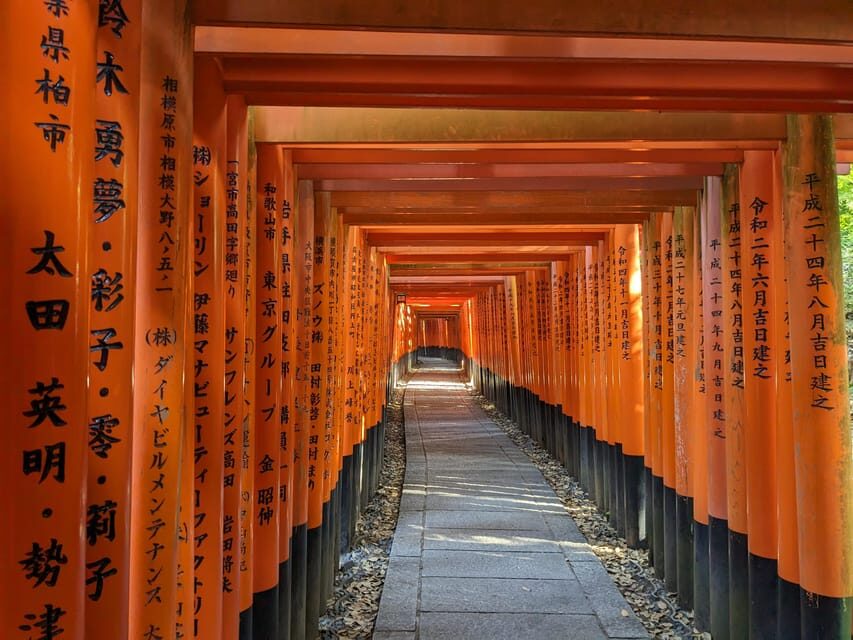
- Early start timing helps you enjoy the torii gates before the biggest crowd wave hits.
- Guided pace means you’ll understand what you’re seeing and where to focus your attention.
- Photo-friendly viewpoints reduce the need to edit crowds out of your shot.
- A second, quieter stop gives you more than the main torii route.
- Inari-specific souvenir is included and feels more personal than generic shopping.
- Small or private group options make the experience feel less like a conveyor belt.
Why this early start changes everything at Fushimi Inari
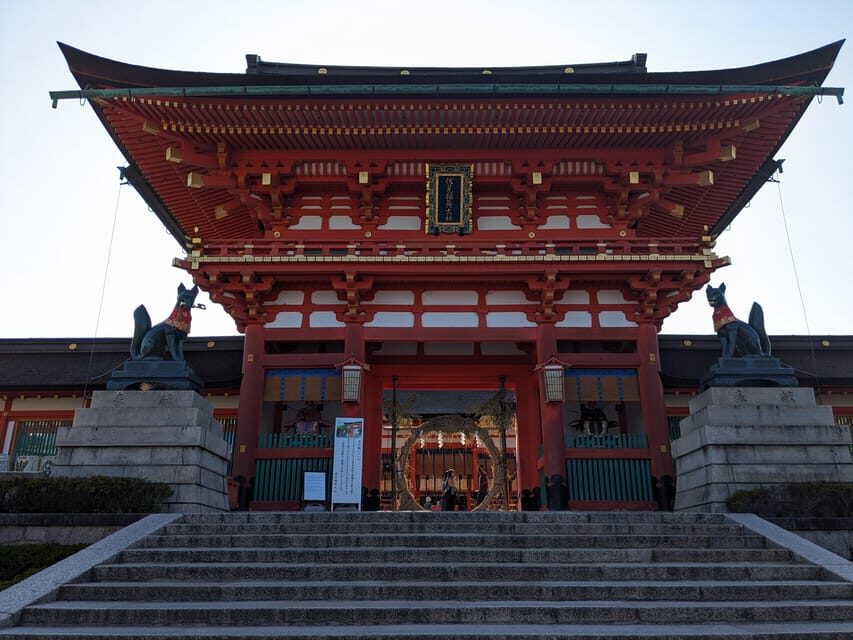
Kyoto’s most photographed shrine can also be its most exhausting. Fushimi Inari Taisha is so popular that it has attracted huge numbers for years, and the torii paths turn busy fast. The key idea here is simple: go early enough to slow down and still enjoy the place.
That means you’re not just chasing views. You’re walking through a holy mountain setting with better air, calmer energy, and fewer people blocking the sense of place. Even if you’ve seen photos of the orange gates, seeing them in person early in the day feels different. The shrine isn’t just scenery; it’s an active spiritual site for locals, and the early hours help you notice that.
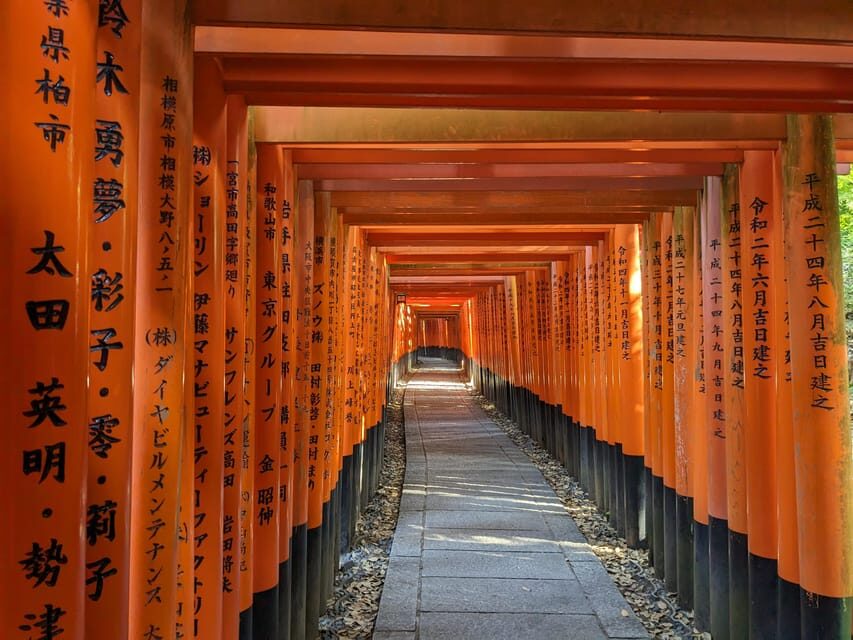
Also, timing matters for photos. The torii tunnel shots are iconic, but the daytime crush makes them frustrating. With this tour’s flow, you get the chance to frame the gates while the crowd density is lower, so your final photo looks clean without heavy editing.
A few more Kyoto tours and experiences worth a look


Meeting at Inari Station and the first steps
You meet outside JR Inari Station, across the main entrance, holding a bright yellow DeepExperience signboard. That’s a practical setup: you’re already at the right rail hub, and it’s easy to find your guide without playing guess-the-meeting-point.
Once you start, the tour doesn’t feel rushed. The guided portion is about 1.5 hours, and it’s structured to help you move with purpose rather than just wander. I like this approach because Fushimi Inari can feel like maze-like repetition if you’re doing it on your own—torii, torii, torii—and you wonder what matters most.
Your guide also helps with respectful awareness. Inари has specific ways locals approach the shrines, and a guide can point out how people show respect before key torii and shrine areas. That small shift makes the visit feel less like sightseeing and more like understanding.
Guides you might encounter include names such as Teppei, Akino, Hiro, Masa, Maru, and Yoshi. From the way they’re described, they tend to mix clear explanations with a friendly, personal style—so the walk feels like a conversation rather than a lecture.
The 90-minute shrine walk: torii tunnels with meaning
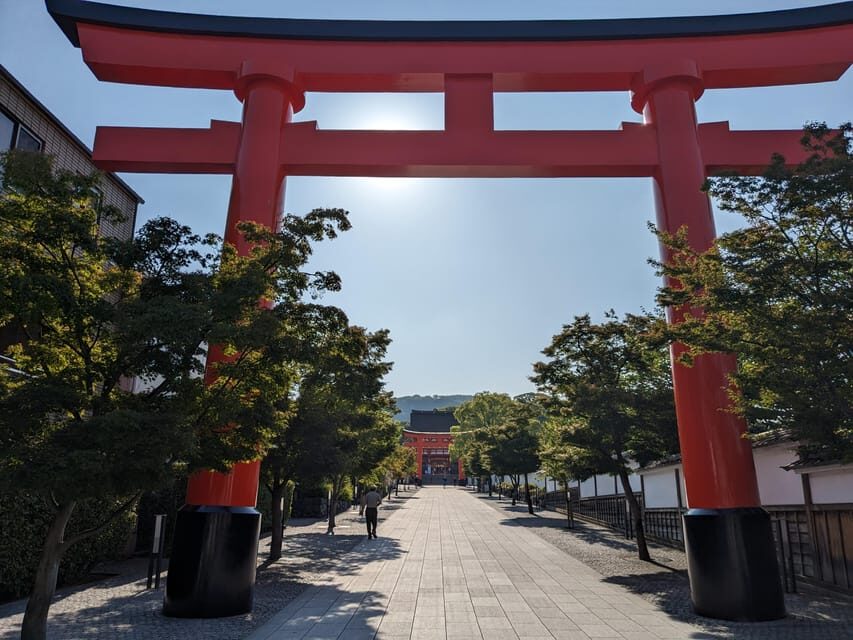
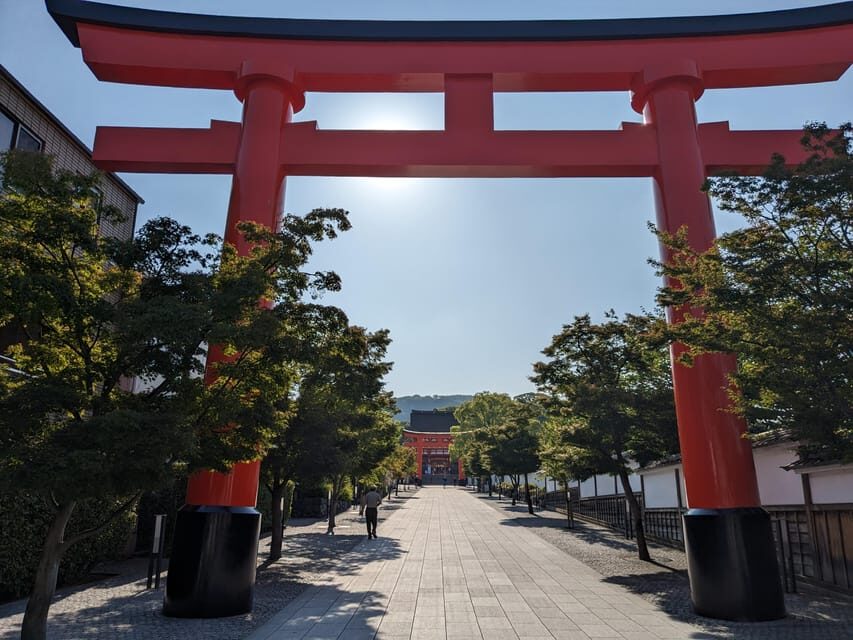
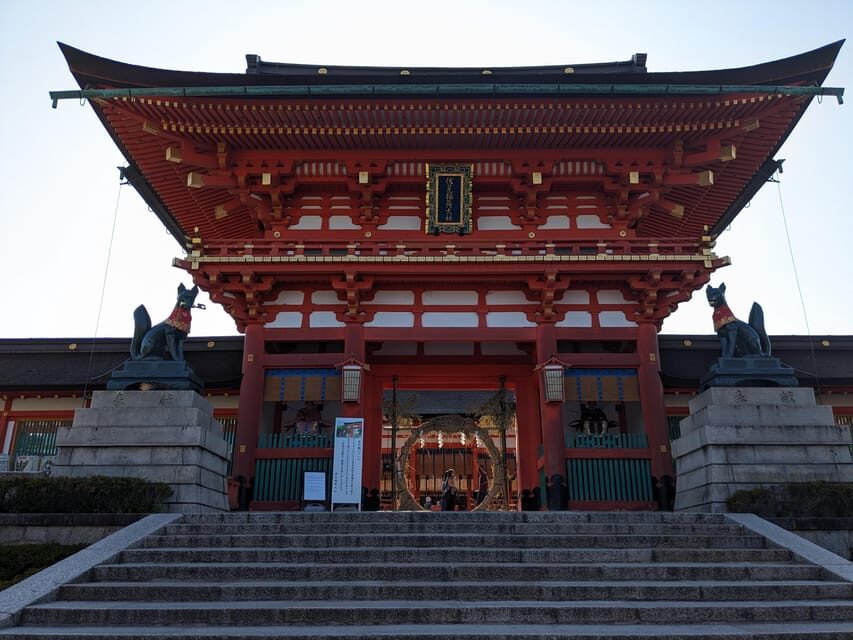
The main draw is the torii path into Fushimi Inari Taisha. These orange gates aren’t just pretty. They represent the shrine’s long relationship with Inari, and the constant succession of torii creates a visual rhythm that’s hard to capture in a single glance.
During the guided time, you’ll learn what most visitors miss. Instead of only “what this gate looks like,” you’ll get context on why it’s there, how Inari is important locally, and how the shrine fits into daily life. That’s the kind of knowledge that changes how you experience the site. You stop treating it as a photo spot and start treating it as a living place.
And yes, you’ll still chase the classic look. The tour is designed so you can get the iconic orange-torii tunnel photos without the crowd clutter that usually makes them a pain during the day. If you’ve ever tried to photograph torii gates and spent half your time waiting for gaps, you’ll understand why this is such a big deal.
Viewpoint time: where you can breathe
After the main guided shrine block, the tour includes a viewpoint stop (about 30 minutes). This part matters because it gives your eyes a break from the constant pattern of gates and lets you take in the broader sense of the area.
A viewpoint stop also helps with pacing. By this stage you’ve walked enough to warm up and feel oriented, but you still get a chance to pause and reset. If you’re traveling with someone who usually gets tired on long temple days, a fixed viewpoint break can be the difference between enjoying the morning and feeling worn out.
Expect this section to be mostly about stillness: look around, take photos when it makes sense, and soak up that early-day quiet you came for.
A hidden stop for a quieter kind of wow
The tour also includes a “hidden gem” segment (about 30 minutes). The point isn’t just to add another location. It’s to shift you away from the most over-sampled route and toward a spot that feels more personal.
Why this is valuable: Fushimi Inari can become repetitive if you only stick to the main line of torii. A quieter stop can reveal a different texture of the shrine world—small details, less friction, and more time to actually look. One of the guides’ styles that comes up in the experience descriptions is leading people step by step, with attention to specific shrine areas and legends tied to them. So this portion is where the tour tends to feel most “insider,” not just “more steps.”
If you love Japan for its small details—little structures, subtle symbols, respectful rituals—this is the part that can make the tour feel like more than a crowded highlight.
A few more Kyoto tours and experiences worth a look




The souvenir: a small buy that feels tied to Inari
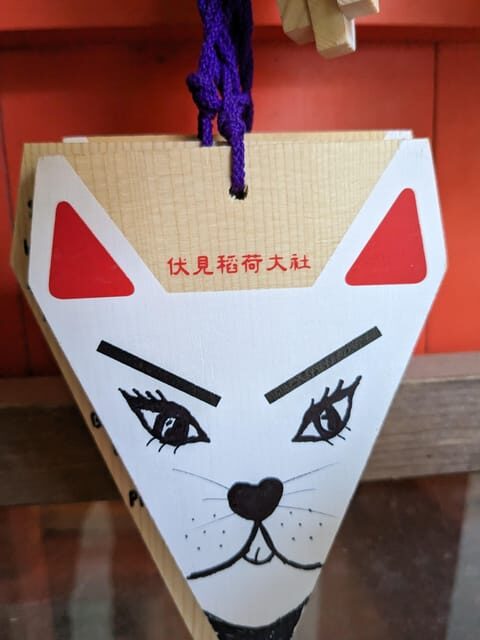
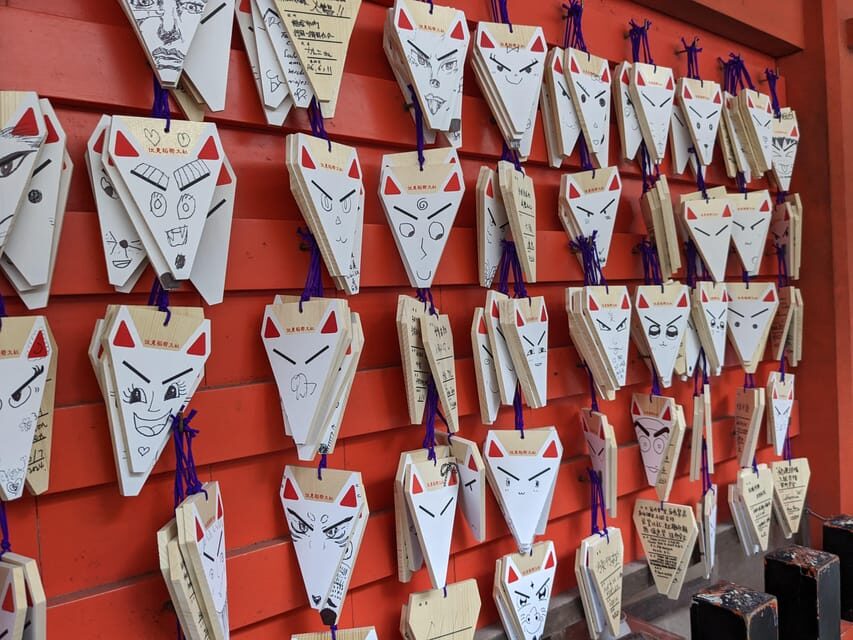
You’ll take home a special souvenir unique to Inari as part of the experience. This is a nice detail because it’s not just a generic Kyoto trinket. When a souvenir matches the theme of the place, it becomes a reminder you can actually connect to the experience you had that morning.
Even if you’re not a souvenir shopper, I like this inclusion because it gives you a “wrap-up moment.” After the walk, you have something specific from Inari, which is exactly what you want when you’re visiting a shrine that’s already highly symbolic.
Price and value: is $70 worth it?
At about $70 per person for around 150 minutes, this isn’t the cheapest way to see Fushimi Inari. But here’s the value logic I’d use:
You’re paying for three things that are hard to replicate on your own:
- Timing support to help you beat the crowd wave.
- Local guidance that explains what you’re looking at and how locals approach the shrine respectfully.
- A route structure that includes both the iconic parts and a quieter stop, plus viewpoint time.
If you go independently, you can absolutely visit Fushimi Inari for less. The question is whether you’ll get the same clean photo chances and the same sense of meaning. If you’re the type who wants the famous gates and wants to understand the shrine rather than just walk through it, the guided early-morning format tends to feel fair.
Also, the experience offers private or small groups. That can improve value for couples or friends who want a more relaxed pace and less waiting around.
Who this tour fits best (and who should skip it)
This is a good match for travelers who:
- Want a crowd-leaning morning at a top Kyoto sight
- Like guided context and better photo timing
- Are comfortable with walking on shrine paths
- Are visiting Kyoto and want one iconic experience done well
This is less ideal if you:
- Need wheelchair access or have significant mobility issues
- Have back problems, heart problems, respiratory issues, or mobility limitations
- Are traveling with kids under 10 (the tour isn’t suitable for children under 10)
- Rely on baby strollers (baby strollers aren’t allowed)
- Plan to bring large luggage (luggage or large bags aren’t allowed)
On top of that, the tour forbids intoxication, and it also bans baby carriages. So it’s aimed at a respectful walking experience rather than a casual stroll with gear.
Practical tips so your morning feels smooth
Bring comfortable shoes and comfortable clothes. The shrine walk is the whole point, and you’ll thank yourself for footwear with grip and support. Also, keep your load light. Luggage and large bags aren’t allowed, so you’ll want to travel like you’re doing a hike, not a day-trip picnic.
If you care about photos, treat this morning like a photography window: move when your guide suggests, pause when you’re in position, and don’t fight the timing. The tour is built around better spacing, so use it.
Should you book this early-morning Fushimi Inari tour?
If your goal is to see Fushimi Inari Taisha with calmer energy, better photo timing, and guided meaning, I think booking this makes sense. Early hours + local guidance is the winning combo here. You’ll still get the iconic orange-torii experience, but with less stress and more understanding.
If you’re a very slow walker, need step-free routes, or have health limitations listed as not suitable, skip it and consider a different plan that matches your physical needs.
FAQ
How long is the Kyoto early morning Fushimi Inari shrine tour?
The total duration is listed as 150 minutes.
Where do I meet my guide?
Meet outside JR Inari Station, across the main entrance, holding a bright yellow DeepExperience signboard.
What is included in the tour price?
An English-speaking local expert guide is included.
Is the tour in English?
Yes, the tour guide provides the experience in English.
Is this tour private or in a group?
It offers private or small groups available.
What should I bring?
Bring comfortable shoes and comfortable clothes.
What is not allowed during the tour?
Baby strollers, luggage or large bags, intoxication, and baby carriages are not allowed.
Is the tour suitable for children?
No, it isn’t suitable for children under 10.
Who should avoid this tour?
The tour data lists people with back problems, mobility impairments, wheelchair users, heart problems, respiratory issues, altitude sickness, low fitness levels, and people over 70 years as not suitable.
Is there free cancellation?
Yes. Free cancellation is available up to 24 hours in advance for a full refund.