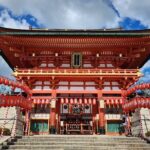
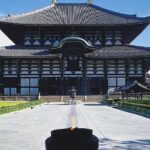
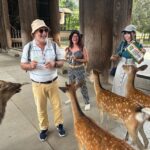
Seeing Nara this fast feels almost too easy. This half-day bus tour strings together three of Nara’s headline sights—Kasuga Taisha Shrine, Todaiji Temple, and Nara Park—then adds a Japanese-style lunch so your day doesn’t turn into snacks and regrets. It’s led by an English-speaking guide only, and you’ll start early right from Kyoto Station.
What I like most is how tightly the route is planned: you get real time at the big monuments, not just photo stops. I also love that Todaiji’s admission is included, so there’s less fuss mid-tour. One thing to keep in mind: it’s a group day trip with a fixed schedule, so if traffic or crowds hit, you may end up with slightly shortened moments at each stop.
In This Review
- Key Highlights (What You’ll Notice Right Away)
- A Fast, Focused Nara Day Trip From Kyoto
- Kyoto Station Start: 7:45am Means You’ll Beat Some Hassle
- Kasuga Taisha Shrine: Main Sanctuary and a Deer-Temple Atmosphere
- Todaiji Temple + the Great Buddha: Where Scale Really Lands
- Nara Park Lunch Time: Deer Encounters Plus a Real Meal
- Lunch tips (based on what the tour asks from you)
- Price and Value: What You’re Really Paying For
- Pace and Crowd Reality: A Group Tour Isn’t a Private Tour
- Best Fit: Who Should Book This Tour
- How to Prepare So the Day Feels Smooth
- Should You Book This Nara Half-Day Tour?
- FAQ
- How long is the Nara history guided half-day bus tour from Kyoto?
- Where do we meet, and what time does the tour start?
- What’s included in the itinerary?
- Is Kasugataisha Museum or the Botanical Garden included?
- Is the tour guided in English?
- What is the cancellation policy?
Key Highlights (What You’ll Notice Right Away)

- English-speaking guide, group-led format that keeps the story straight across multiple sites
- Kasuga Taisha main sanctuary visit (but not extra museum/garden add-ons)
- Todaiji Temple + Great Buddha scale with admission included for your time inside
- Nara Park deer time plus a traditional lunch break that actually sits you down
- Mobile ticket for smoother pickup, and a set 7:45am departure from Kyoto Station
A Fast, Focused Nara Day Trip From Kyoto
If you’re based in Kyoto and want Nara without losing half the day to trains and logistics, this tour does the math for you. The route is built around three places that each play a different role in Nara’s identity: shrine worship at Kasuga Taisha, Buddhist monument gravity at Todaiji, and the everyday spectacle of Nara Park.
The duration is about 5 hours 30 minutes, which is ideal when you want culture but also want to sleep in your own hotel bed in Kyoto. You’re not trying to “cover everything.” You’re hitting the core highlights and getting out.
And lunch is part of the plan, not something you have to scramble for. That matters in Japan, where peak timing can turn a simple meal into a line.
A few more Kyoto tours and experiences worth a look

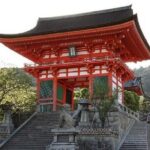
Kyoto Station Start: 7:45am Means You’ll Beat Some Hassle
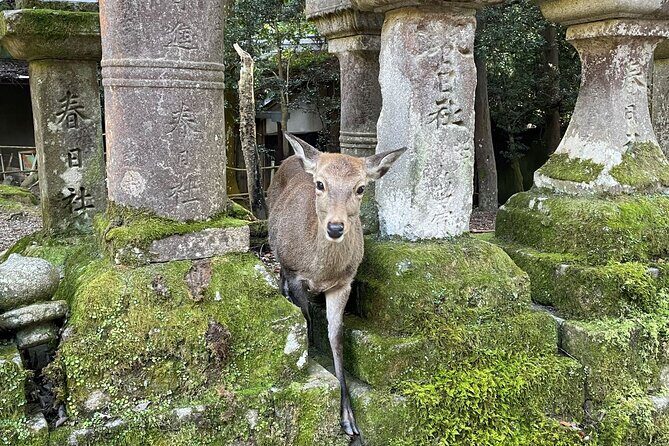
You meet at Kyoto Station Hachijo Entrance Square Sunken Garden at 7:45am, and you’re expected to arrive about 15 minutes early. The bus/train timing is firm—late arrivals don’t get waited for.
This early start is a plus for two reasons. First, it gives you a calmer run at the first shrine stop. Second, it reduces the chance that your whole itinerary compresses later if buses get delayed. Still, the schedule can change if traffic or other issues slow things down, and some views may be altered by construction.
One more logistics point: large luggage isn’t allowed. If you’re traveling light (typical Japan style), you’ll be fine. If you’ve got big bags, plan to keep them back at your hotel or use lockers before the tour.
Kasuga Taisha Shrine: Main Sanctuary and a Deer-Temple Atmosphere
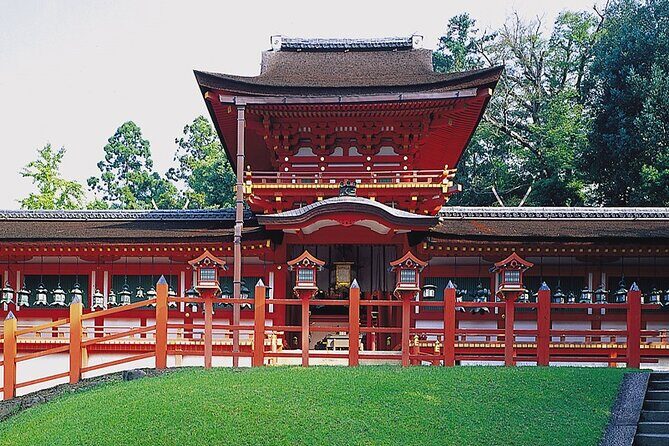
Your first stop is Kasuga Taisha Shrine, where you can visit the main sanctuary for general worship. Admission here is free, and the time on site is about 45 minutes.
Kasuga Taisha is famous for its spiritual setting and for feeling “lived in” by the rhythms of shrine life. Even when you’re traveling with a group, you’ll likely notice that the space has a different tempo than a temple you might power-walk through. This stop works well as a warm-up before Todaiji’s huge-scale Buddhist complex.
Important limitation: this tour does not include the special worship inside the main sanctuary, and it also leaves out the Kasugataisha Museum and the Botanical Garden. So if your main goal is museum-style exhibits, you’ll want to plan that separately. If your goal is worship space + landmark shrine atmosphere, this is a solid fit.
Also, remember that some buildings or statues may look different or be harder to see due to construction. That can’t be helped, but you can still enjoy the overall layout and key areas you’re allowed to enter.
Todaiji Temple + the Great Buddha: Where Scale Really Lands

Next is Todaiji Temple (Todai-ji), with about 1 hour 15 minutes on site. The admission is included, which is a real convenience because it keeps your time from getting chewed up at ticket steps.
This is the anchor stop. The Great Buddha is about 15 meters tall, and the temple is known for having the title of the world’s largest wooden structure. Even if you’ve seen photos, the scale tends to hit you in person. You’ll feel why this is one of Nara’s most historically significant landmarks.
Here’s what I think works especially well on a guided, group half-day: the guide helps you focus on what matters first, so you don’t spend your time hunting for viewpoints. On this route, English-speaking guides like Tammie, Mana, and Shelley have been praised for explaining what you’re looking at along the way—so your visit stops feeling like a checklist.
You’ll still want to pace yourself. Todaiji is impressive, but you’re also dealing with crowds, possible construction, and the simple physics of walking through a major complex. Use the time you’re given, and don’t try to sprint.
Nara Park Lunch Time: Deer Encounters Plus a Real Meal
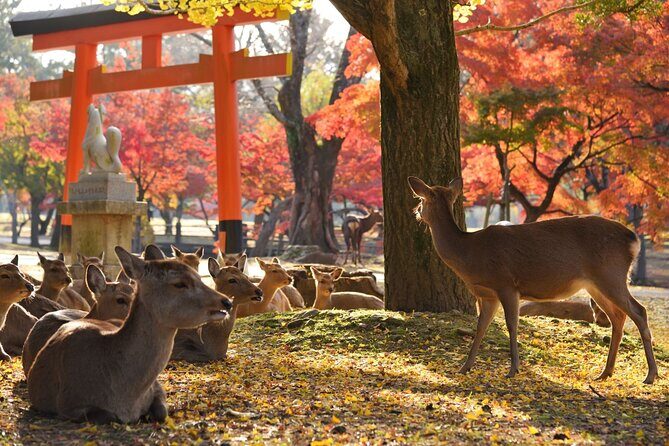
After Todaiji, you head to Nara Park for lunch at a local Japanese-style restaurant. The stop time is about 45 minutes. Admission for this portion is listed as free, but the real value is that lunch is scheduled and included (and you won’t be forced into vending-machine mode).
The tour setup also includes a small chance to do souvenir shopping after lunch. The restaurant has a shop where you can buy local souvenirs, which is helpful if you want gifts without adding another stop to your day.
Now, about the deer: Nara Park deer are part of the experience. If you like wildlife-in-the-city energy, you’ll probably enjoy how close they can feel while you’re walking and taking photos around the park area. Some people even have fun with deer feeding when the moment is right and local rules allow it—so keep your eyes on what’s permitted on the day.
If you’re sensitive to crowds, plan your expectations. Festivals or busy periods can make the park feel packed, and timing may be tight. But the tradeoff is that you’re seeing the Nara people actually come for: temples plus the park scene.
Other guided tours in Kyoto




Lunch tips (based on what the tour asks from you)
- If you have allergies or dietary restrictions, tell the operator when you book, especially because lunch is part of the plan.
- Menu changes on the day of the tour aren’t guaranteed, so it’s best to handle needs in advance.
Price and Value: What You’re Really Paying For

At $78.83 per person, this isn’t a “cheap and random” day trip. You’re paying for the guide-led structure, group transportation, included admission for Todaiji, and a scheduled Japanese-style lunch.
For value, I look at three things:
1) Time saved in getting from Kyoto to Nara
2) Avoided friction (ticket handling at major sites, figuring out meal logistics)
3) Guided focus so you don’t wander aimlessly in places that are visually similar but historically different
This tour scores well on 1 and 2. The lunch inclusion is also a big deal. In real life, meal hunting while sightseeing can eat 45 minutes fast, and that’s usually when plans fall apart.
The main value consideration is that you’re in a group of up to 40 travelers. That affects pacing and how much freedom you have to linger. If you’re the kind of traveler who wants to spend long stretches exactly where you feel like standing, you might find the rhythm a little tight.
Still, for many people doing a first Nara visit, this is a practical, high-impact option.
Pace and Crowd Reality: A Group Tour Isn’t a Private Tour

This is where you decide if the format matches your style. It’s a group tour, not private, and you can’t add custom itinerary requests. The guide’s job is to keep everyone aligned with the route and timing.
The schedule is also subject to change due to traffic or other reasons, and visits at each destination may be shortened. Construction can also alter what you can see. And because it’s an early start, if your day in Kyoto included late nights, you’ll feel that in your body.
The upside: the group format keeps the plan moving and reduces your decision fatigue. You show up, follow the guide, and you get the key experiences without turning Nara into a project.
Best Fit: Who Should Book This Tour
This tour fits best if you:
- Want a first-timer Nara overview without long planning
- Prefer guided interpretation over self-navigation
- Like the trio of shrine + temple + park in one connected day
- Value a scheduled lunch rather than hunting meals between sites
- Are comfortable with a moderate walking day and possible crowd levels
It’s less ideal if you want:
- A museum-heavy itinerary at Kasuga Taisha (the museum and botanical garden aren’t included)
- Extra time to wander independently at each site
- A slow, private pace where you linger for an hour in one spot
Also, because you’re dealing with group logistics and luggage restrictions, this works best for travelers who travel light and keep things simple.
How to Prepare So the Day Feels Smooth
A few practical moves can make your Nara day feel calmer:
Wear shoes you can walk in all morning. You’ll be moving between major sites, and even when the time blocks look short, walking and transitions add up.
Bring something for weather changes. The tour requires good weather, and in poor weather you’ll get a different date or a full refund.
If you’re bringing a day bag, keep it manageable. Large luggage isn’t allowed, and you don’t want to be stuck managing it during boarding.
And arrive early at the meeting point. The bus won’t wait for late arrivals, and missing the departure is the fastest way to lose your money and your day.
Should You Book This Nara Half-Day Tour?
I’d book this if you want a clean, efficient route to Nara’s most important stops from Kyoto, with an English-speaking guide, included admission for Todaiji, and lunch handled for you. The structure is strong, the route is classic, and the guide-led explanations from past guides like Tammie, Mana, and Shelley have clearly helped people get more meaning out of what they’re seeing.
I wouldn’t if your top priority is museum time at Kasuga Taisha, or if you hate group pacing and prefer total freedom to roam at your own speed. Also, if you’re very sensitive to crowds, be aware that festival conditions can make Nara Park feel packed.
If you want Nara in one go—and you want it organized—this tour is a very sensible choice.
FAQ
How long is the Nara history guided half-day bus tour from Kyoto?
The tour runs about 5 hours 30 minutes (approx.).
Where do we meet, and what time does the tour start?
You meet at Kyoto Station Hachijo Entrance Square Sunken Garden at 7:45am. Arrive about 15 minutes early.
What’s included in the itinerary?
Todaiji Temple admission is included, and lunch is included as a Japanese-style meal at a local restaurant. Kasuga Taisha main sanctuary entry is free for this stop.
Is Kasugataisha Museum or the Botanical Garden included?
No. The tour does not include the Kasugataisha Museum or the Botanical Garden, and it also specifies that special worship of the main sanctuary isn’t included.
Is the tour guided in English?
Yes. The tour is conducted with an English-speaking guide only.
What is the cancellation policy?
You can cancel for a full refund up to 24 hours before the experience’s start time. The tour also depends on good weather, and if canceled for poor weather you’ll be offered a different date or a full refund.