Cooking in a Kyoto home feels personal.
This Kyoto home cooking class near Fushimiinari mixes hands-on Japanese cooking with a real rhythm of eating and shopping, all in a traditional room with garden views. You start with the flavor backbone, dashi, then you cook several dishes yourself, sit down to enjoy what you made, and finish by touring a local supermarket to learn what to buy next time.
I love two things about this experience: the English instruction is direct and easy to follow (and the teachers are licensed guide interpreters), and you learn practical cooking skills you can repeat, not just a one-time meal.
One consideration: you’ll need to come prepared to move around in a traditional setting, including wearing socks during the class.
In This Review
- Key highlights worth aiming for
- Why this Kyoto class near Fushimiinari feels different
- Dashi: the small step that unlocks Japanese flavor
- Your 4-hour flow: cook, eat, then shop like you live there
- 1) Learn the base, then start cooking yourself
- 2) Lunch together in a traditional room
- 3) Supermarket tour: see your ingredients in real life
- What you’ll likely cook (and why the exact menu can change)
- The teacher matters: licensed guide interpreters, friendly coaching
- The value of $127 for 4 hours of cooking plus shopping
- Who this is perfect for (and who should think twice)
- This class suits you if…
- You might reconsider if…
- Practical notes: socks, age limits, and getting there
- Should you book this Kyoto home cooking class near Fushimiinari?
- FAQ
- How many people are in the class, and is it in English?
- What will I cook during the class?
- Are vegetarian or vegan options available?
- What should I bring?
- Is it suitable for children?
- What’s included in the price?
- Is hotel pickup included, and what if plans change?
Key highlights worth aiming for
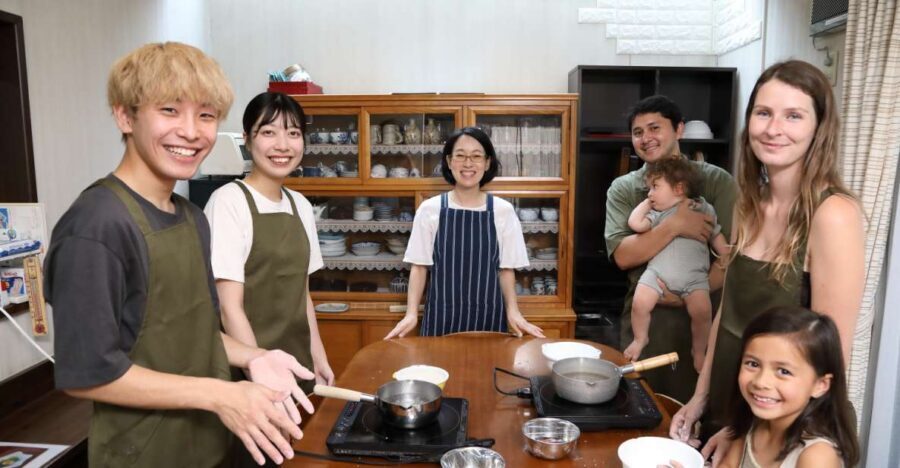
- Dashi first, so Japanese flavor makes sense from the start
- Cook about 5 dishes with your partner or solo
- Lunch in a traditional Japanese room with a garden view
- Supermarket tour included so you know what to buy at home
- Small group (max 6) for more help and a calmer pace
- Vegetarian-friendly approach using vegetarian dashi
Why this Kyoto class near Fushimiinari feels different
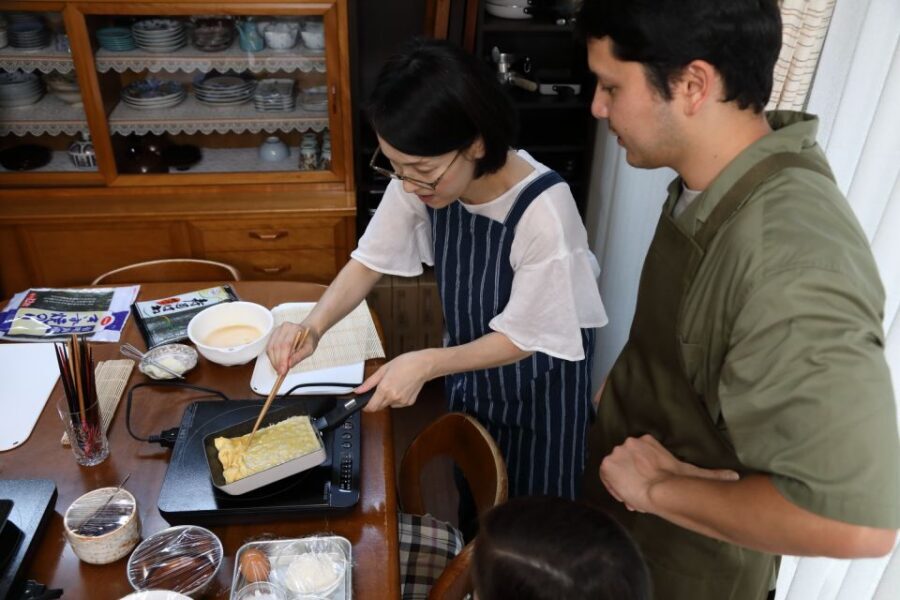
A lot of cooking classes teach you recipes. This one teaches you how to think like a home cook. The setting matters: you’re not crammed into a demo room. Instead, you work in an authentic Japanese home space, then you eat in the traditional style room with garden views. That shift from cooking to sitting down is part of the point. In Japanese food culture, it’s not just about technique; it’s also about timing, balance, and savoring simple ingredients in the right combination.
The other thing that keeps it from feeling touristy is the ending. After lunch, you don’t just wave goodbye. You walk through a local supermarket together, where the instructor helps you connect the ingredients from your dishes to what you’ll actually find in stores. That’s where the class becomes useful months later, when you want to recreate the flavors without guessing.
If you’re the type who likes learning why something tastes right, you’ll probably enjoy this more than a standard cooking workshop.
Other cooking classes in Kyoto


Dashi: the small step that unlocks Japanese flavor
Japanese food runs on a few core building blocks, and the class begins with the big one: dashi, the soup stock used in nearly all Japanese cuisine. Even if you’ve had miso soup or udon before, dashi can still feel mysterious. Here, it’s treated like the foundation it is. Once you understand how dashi supports seasoning, many dishes stop tasting like unrelated recipes and start tasting like variations on one theme.
You’ll also learn that the class can be done with vegetarian dashi, which matters if you eat plant-based. You’re not stuck with a compromise meal. The instruction is built to welcome vegetarian and vegan participants as long as you’re clear in advance.
In practical terms, this is what I like: dashi makes the flavors more predictable. You stop chasing an elusive taste and start building it intentionally.
Your 4-hour flow: cook, eat, then shop like you live there
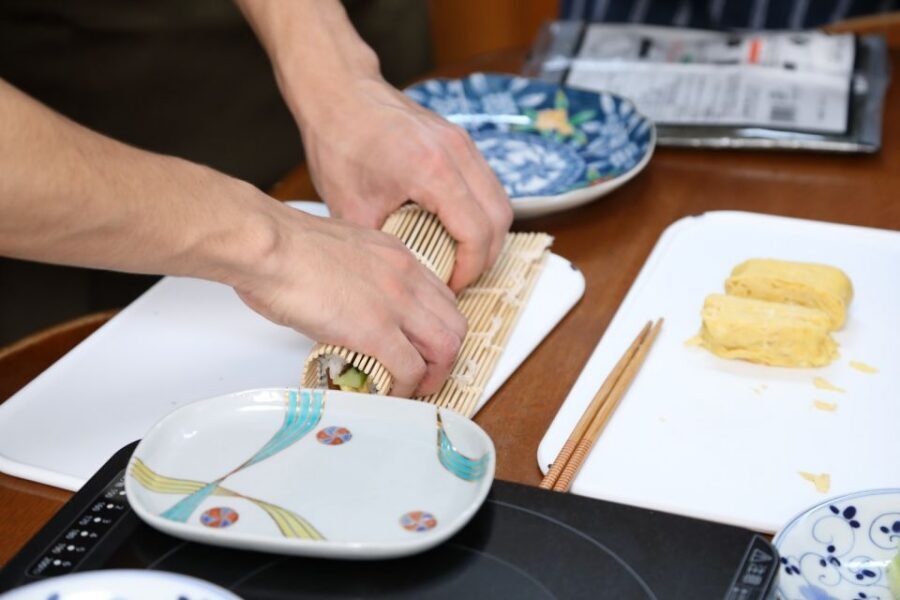
The full experience runs about 4 hours, with a small group capped at 6. It’s designed to keep you active, but not overwhelmed. The general rhythm goes like this:
1) Learn the base, then start cooking yourself
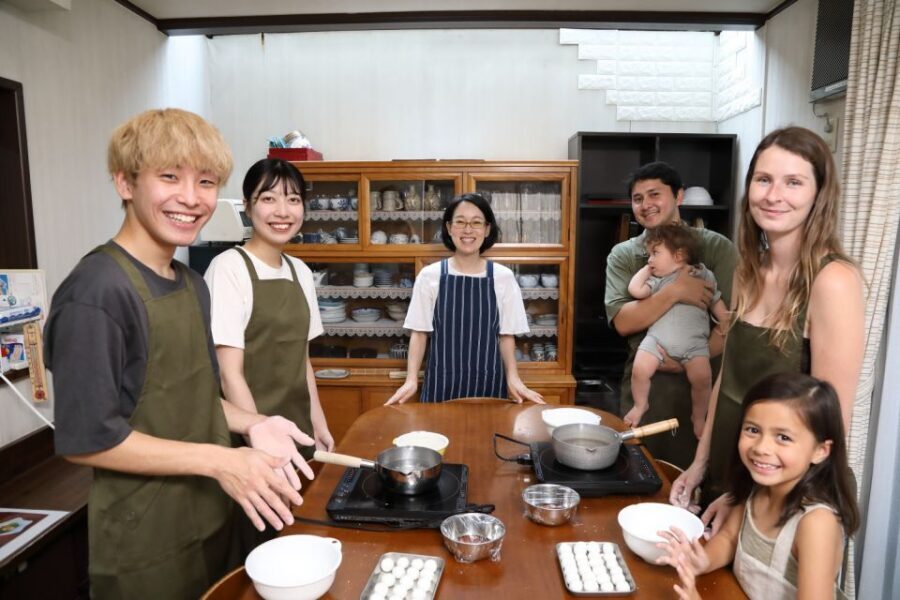
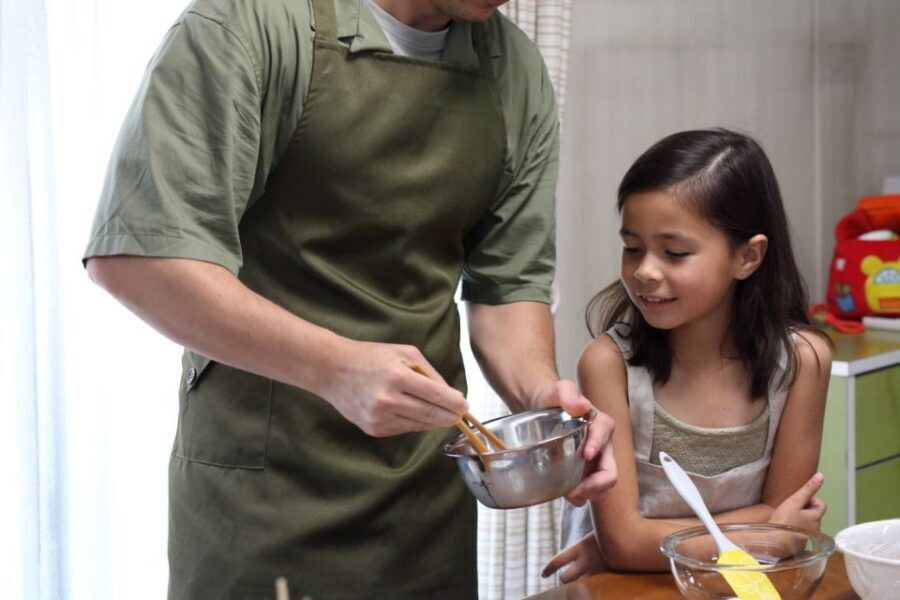
You’ll learn about dashi, then instructors demonstrate parts of the dishes first. After that, you take over and cook. The class aims for about five dishes total, with you preparing them either by yourself or with your partner (depending on group setup).
The teaching style is hands-on. Instead of you watching from across the room, you’re doing the tasks that usually feel hardest when you try at home: preparing ingredients, adjusting seasoning, and understanding when something is finished.
2) Lunch together in a traditional room
After you cook, the group sits down and eats the meal you made in a very traditional Japanese room. The garden view is part of the atmosphere, but the bigger value is that you get to taste your own work in a proper setting. In other words, you’re not just collecting dishes. You’re connecting technique to flavor, then enjoying the result immediately.
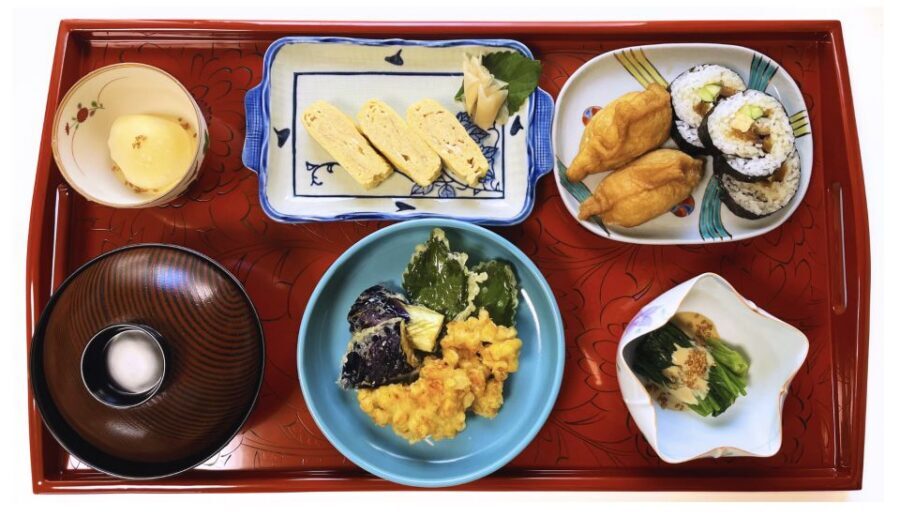
Some past menus have included items like Japanese omelet, tempura, sushi, rolled egg, soup, and sweets such as mochi. The menu can shift by season, but you can expect a mix of savory dishes and small extras that teach different skills.
A few more Kyoto tours and experiences worth a look



3) Supermarket tour: see your ingredients in real life
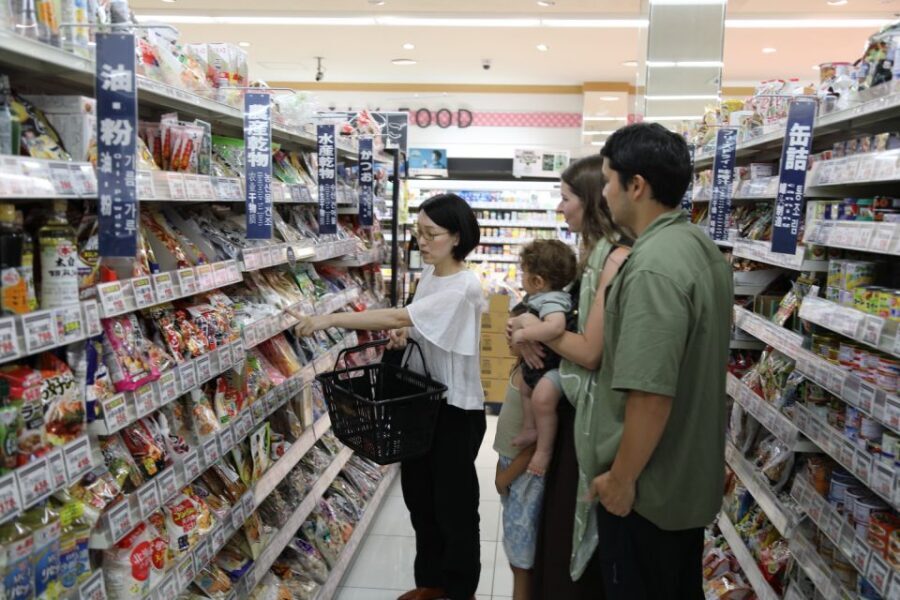
Then comes the part I think most people remember. You and the instructor explore a local supermarket to find the ingredients you used during class. If you like, you can buy them so you can recreate the meal for family and friends.
This stops you from leaving with a recipe list that only works if you know the right stores. The instructor translates and explains products, not just the ones directly used in your menu. That makes the tour feel educational, even if you cook “some” at home already.
What you’ll likely cook (and why the exact menu can change)
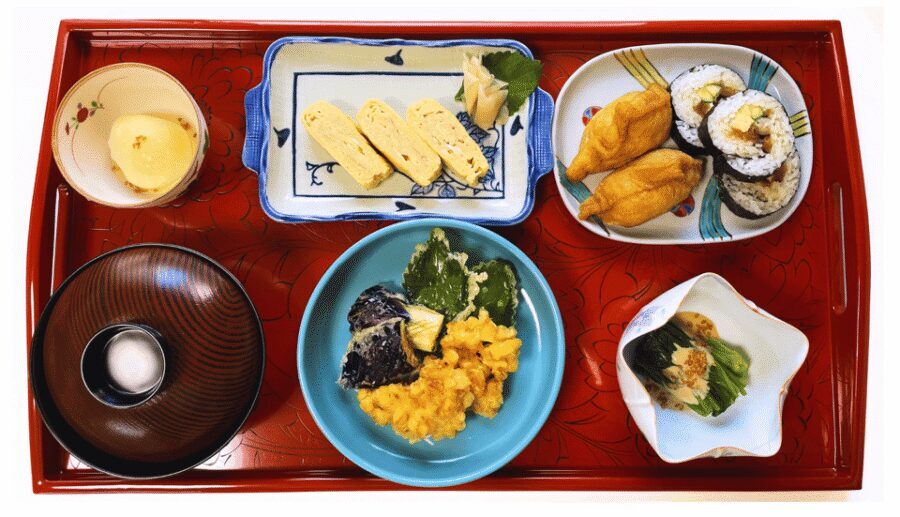
The class centers on about 5 dishes, and you’ll get recipes for everything you make. The menu may differ depending on season, so you shouldn’t expect the exact same set of dishes year-round.
That said, real menus have included training around:
- Dashi-based soup concepts
- Japanese omelet (rolled egg style guidance shows up in past experiences)
- Tempura technique
- Sushi making
- Mochi as a sweet option
- Simple sides like salads and other seasonal items
Why this matters for you: if you’re learning Japanese cooking, you want a spread of skills. Dashi teaches foundation. Tempura teaches texture and timing. Sushi teaches assembly and rice logic. Omelet/rolled egg teaches heat control and gentle handling. Even if you’re not aiming to cook all of it at home, you’re building a toolkit.
The teacher matters: licensed guide interpreters, friendly coaching
This class is taught in English and uses instructors who are licensed guide interpreters, so communication stays clear throughout. That’s a big deal because cooking isn’t the time for vague directions. When someone explains steps precisely, you can replicate them later without feeling lost.
From the way the experience is described, the instructor style is friendly and patient, including support for people cooking solo. There’s also evidence the menu can be adapted for younger children when they meet the age rules, with a calm approach during instruction.
If you’re nervous about Japanese cooking, this is the kind of class that can reduce that anxiety. The instruction is meant to be followed, not just admired.
The value of $127 for 4 hours of cooking plus shopping
At $127 per person for about 4 hours, this is not a budget snack. But it also isn’t a “pay for a demo” deal.
Here’s what you’re actually buying:
- Lunch included
- All seasonings and ingredients included
- Hands-on cooking instruction in a small group (max 6)
- Recipes for the dishes you cook
- A supermarket tour where you learn what to purchase
When you break it down, it’s closer to a guided cultural workshop than a simple class. You’re getting both the cooking skills and the ingredient strategy. That second part is what usually makes or breaks homemade Japanese meals. Many people can follow recipes. Fewer know what to buy, what to substitute, and how to locate the right items without wasting time.
If you enjoy cooking and want a repeatable result, this price starts to make sense. If you mostly want a quick food taste with zero follow-up at home, it might feel heavier than you want.
Who this is perfect for (and who should think twice)
This class suits you if…
- You want to learn foundational Japanese flavor like dashi
- You like hands-on cooking rather than watching demos
- You want the supermarket tour so you can rebuild the meal at home
- You prefer a small group setting (max 6)
- You’re comfortable in socks inside a traditional Japanese home space
You might reconsider if…
- You need wheelchair access. The class is not suitable for wheelchair users.
- You’re traveling with very young kids. It’s not suitable for children under 6.
- Your plan requires hotel pickup and drop-off. That service is not included.
Practical notes: socks, age limits, and getting there
Bring socks. That’s stated clearly, and in a traditional Japanese home setting it matters for comfort and floor safety.
For children: children aged 12 and below need a guardian. For anyone under 6, the class doesn’t meet the suitability requirement. If you’re traveling with kids who fit the age policy, the instructor’s style has shown patience and menu adjustment in at least one experience description.
On logistics: hotel pick-up and drop-off are not included, so you’ll want to plan your own way to the class location near the Fushimiinari area.
Should you book this Kyoto home cooking class near Fushimiinari?
I’d book it if you want more than a meal. This is for people who like learning how Japanese cuisine is built: start with dashi, cook several dishes yourself, eat in a traditional home-style room, then shop for the real ingredients you’ll need later.
Skip it if your goal is only to tick off a cooking class quickly, or if you need wheelchair accessibility, or if the socks-and-traditional-room setup doesn’t sound appealing.
If your schedule allows and you’re curious about repeating Japanese cooking at home, the combination of skills plus the supermarket tour makes this one stand out for practical value.
FAQ
How many people are in the class, and is it in English?
The class is a small group with a maximum of 6 participants, and it is conducted in English.
What will I cook during the class?
You’ll prepare about 5 dishes, and you’ll start by learning about dashi, a soup stock found in Japanese cooking. The exact menu can change by season.
Are vegetarian or vegan options available?
Yes. The class uses vegetarian dashi, so the experience is designed to welcome vegetarian and vegan participants.
What should I bring?
You should bring socks.
Is it suitable for children?
Children under 6 are not suitable. For children aged 12 and below, participation requires a guardian.
What’s included in the price?
The price includes lunch and all seasonings and ingredients. You’ll also receive the recipes for the dishes you prepare.
Is hotel pickup included, and what if plans change?
Hotel pick-up and drop-off are not included. You can cancel up to 24 hours in advance for a full refund.