Kyoto feels simpler when you steer. This private, flexible tour lets you pick 1 to 3 stops and get real storytelling from a local guide, so you’re not stuck on someone else’s schedule. I like that it’s just for your personal party, and I also like that the guide handles navigation so you don’t waste time wandering. A fair heads-up: entrance fees aren’t handled the same way for every stop, and food/transportation are on you, unless you arrange them yourself.
In practice, this works well when you’re short on time but still want the big Kyoto hits. The most common mix is Fushimi Inari Taisha, Kiyomizu-dera, and Gion, and you can swap in what fits your energy. One possible drawback is that the 2 to 3 hour window can feel packed if your route is long or your group moves slowly on stairs.
In This Review
- Key things that make this Kyoto tour work
- A private Kyoto day that’s actually customizable
- Price and logistics: when $131.38 per person is good value
- How the tour runs in 2 to 3 hours (and how to choose your best mix)
- Stop 1: Fushimi Inari Taisha and the red-gate climb
- Stop 2: Kiyomizu-dera Temple and Kyoto’s famous views
- Stop 3: Gion’s old streets, traditional buildings, and photo time
- What the guide adds: stories, pacing, and practical fixes
- Picking the right day: matching your energy to Kyoto’s effort
- Getting around: what’s included and what you’ll still handle
- Who should book this Kyoto private flexible tour?
- Should you book this private flexible Kyoto tour?
- FAQ
- How long is the Kyoto private flexible tour?
- Is this tour private?
- Can I customize which places we visit?
- What are the typical stops included?
- Are admission tickets included?
- Do I need to arrange transportation on my own?
- Is pickup offered?
- Are food and drinks included?
- Can I cancel for a refund?
Key things that make this Kyoto tour work
- Flexible route: choose 1 to 3 locations instead of a fixed checklist
- Private time: only your group, so you set the pace and ask more questions
- A guide who navigates: less stress, fewer wrong turns, better photo angles
- Kyoto classics, matched to timing: Inari gates, Kiyomizu views, then Gion streets
- Local help beyond sightseeing: support like booking a taxi or getting a SIM card
- Real-world adaptability: guides in past tours have adjusted for heat and family needs
A private Kyoto day that’s actually customizable
What I like about this kind of private tour is simple: Kyoto is too big to “wing it” well for only a few hours. With this setup, you control the stops, so your day reflects what you care about—shrines, temples, old streets, photos, or just a slower walk.
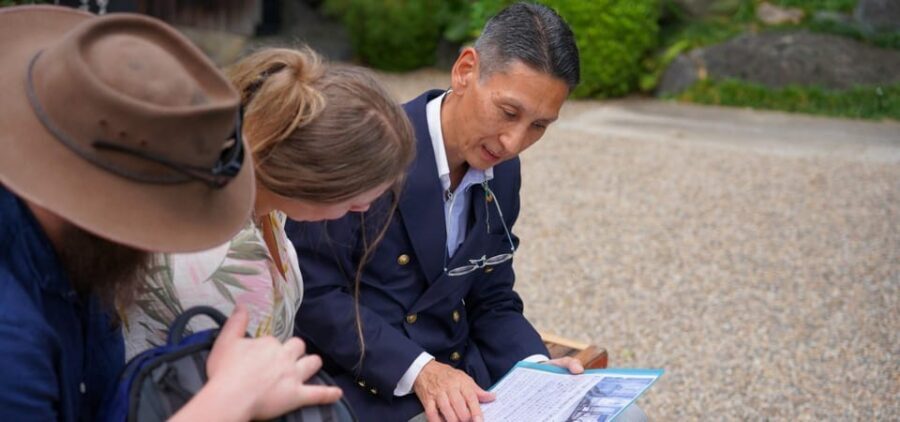
In other words, you’re not lining up behind a script. You’re with a local guide who can add context as you go, and you won’t be stuck sharing the experience with strangers. If your group wants more time at a specific spot, you can usually trade time with another stop because the tour is built around flexibility.
Other guided tours in Kyoto


Price and logistics: when $131.38 per person is good value
At $131.38 per person for about 2 to 3 hours, this is not a budget “jump-on-jump-off” deal. But for Kyoto, it can still feel like good value for the right group, because you’re paying for three things at once: local guidance, route planning, and on-the-ground navigation.
Here’s where the math gets interesting:
- Two of the three classic stops are free to enter in the usual plan: Fushimi Inari Taisha and Gion.
- One major stop, Kiyomizu-dera, has an admission fee that isn’t included.
- Transportation and food are not included, so you’ll want to plan for train/subway fares, buses, or taxis.
So the value depends on how you travel. If you’re traveling as a couple, family, or a small group that wants to hit a few “musts” without losing time, a guide can pay off fast. If you’re traveling solo and you already know the routes well, you might prefer something cheaper—because the cost is mostly for help and pacing, not for fixed tickets.
How the tour runs in 2 to 3 hours (and how to choose your best mix)
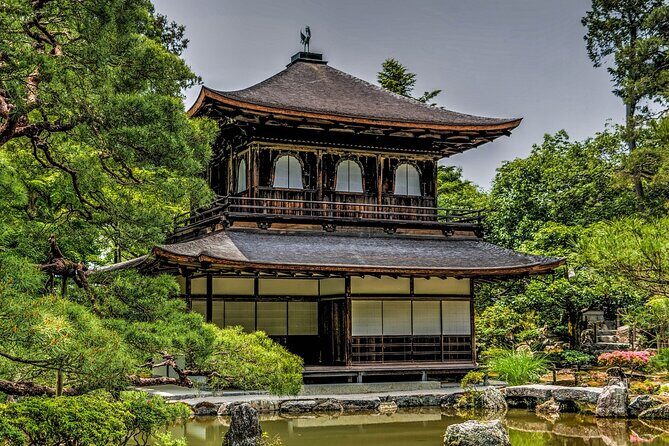
The tour is designed around picking one to three locations, with the guide adjusting the day around your choices. The typical plan fits like this:
- Fushimi Inari Taisha first (about 1 hour)
- Kiyomizu-dera next (about 1 hour, plus time walking around)
- Gion after (about 1 hour)
That adds up neatly to a 3-stop afternoon, with some time for moving between areas. If you only do one or two places, you’ll have more breathing room for slower walking, extra photos, or a quick break.
A practical tip: choose based on your group’s walking comfort. Fushimi Inari is on a mountain and involves going through lots of torii gates, which means stairs and uphill effort. Kiyomizu-dera is also a walking-and-view spot, and Gion is easier walking but still takes time if you want to wander the side streets.
Stop 1: Fushimi Inari Taisha and the red-gate climb
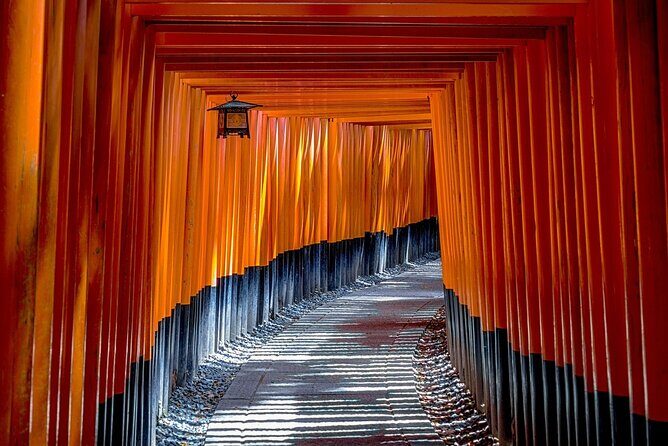
Fushimi Inari is the shrine you picture when someone says Kyoto shrines. Expect a climb on a mountain and a walk through thousands of red torii gates. It’s popular for a reason, but that popularity also means crowds can happen—so having a guide who helps you move efficiently makes a real difference.
In the usual timing, you spend about 1 hour here, and admission is free. The guide’s value is not just in getting you there—it’s in helping you experience it better: where to pause, what to look for beyond the obvious red gates, and how to pace the climb so you don’t feel rushed.
One drawback to plan for: the terrain. If your group has limited mobility or you’re traveling with kids or someone who tires quickly, ask the guide to tailor how far up you go. You still get the core experience without forcing it.
Stop 2: Kiyomizu-dera Temple and Kyoto’s famous views
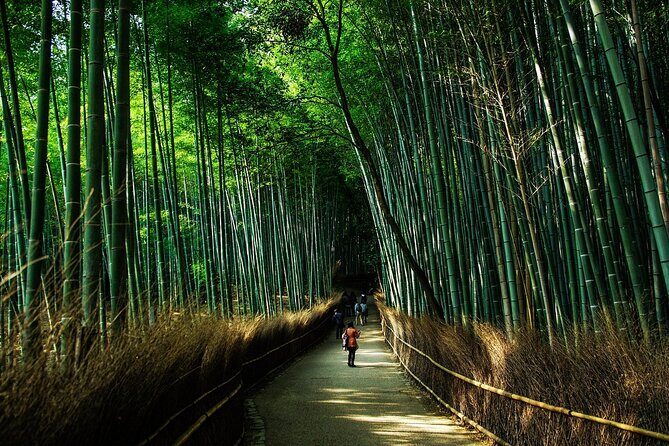
Kiyomizu-dera is one of the most recognizable temples in Kyoto. Here, the “wow” isn’t only the big temple building—it’s the view over Kyoto that comes with it. You’ll also have time for the area around the temple before and after you visit, which matters because Kyoto is often about the approach, not just the postcard moment.
The usual visit is about 1 hour, and admission is not included. That’s the main downside from a planning standpoint: your budget needs a little room for the ticket.
What you’ll feel here is why a guided day helps. Without guidance, you might rush straight to the most obvious viewpoint and miss small moments around the complex. A good guide can help you manage flow so the temple feels like a calm circuit instead of a checklist.
Other private tours in Kyoto



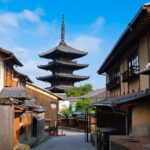
Stop 3: Gion’s old streets, traditional buildings, and photo time
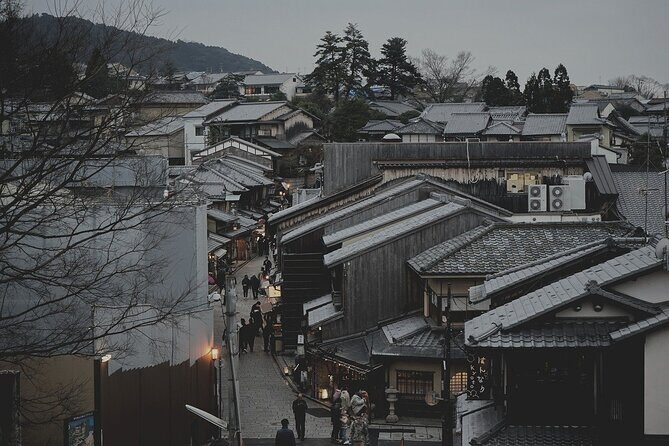
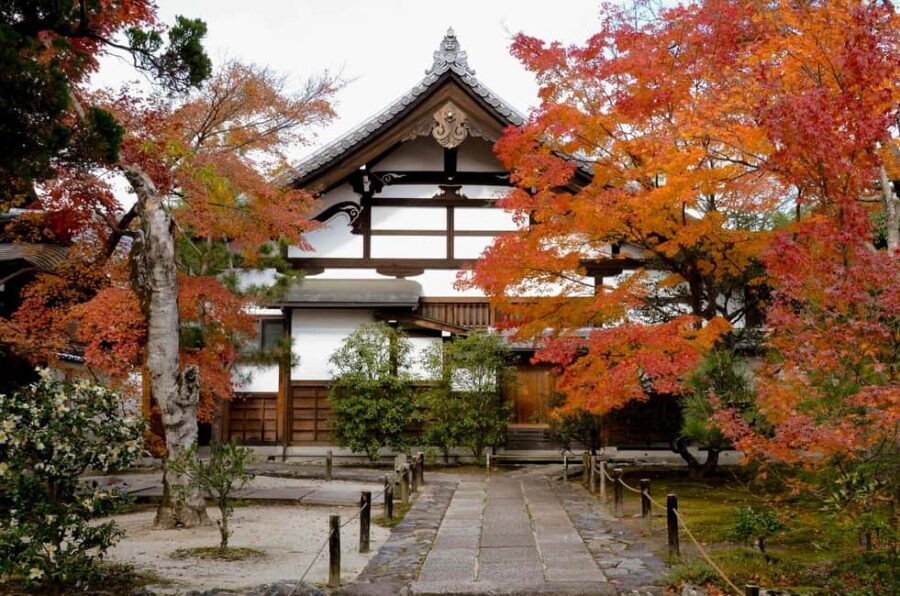
Gion is Kyoto’s old-district vibe—traditional buildings, side streets, and plenty of places to pause and take photos. In the typical plan, it’s about 1 hour and admission is free.
The payoff with Gion is that it shifts from shrine-and-temple rhythm to street wandering. You’ll spend time looking around, snapping pictures, and browsing local shops. If you like atmosphere, this stop is often where a short tour feels complete, because it puts Kyoto back into everyday life.
A consideration: Gion can be busy depending on the time of day. If your group wants photos without stress, ask your guide to adjust pacing and positioning. That’s exactly where local navigation and judgment help.
What the guide adds: stories, pacing, and practical fixes
The biggest theme from strong experiences is that the guide makes Kyoto feel personal, not generic. In past tours, guides have included names like Nanako, Steven, Toshiki, Teppei, and Kyoichi (Mark), and the common thread is adjusting to the people in front of them.
A few examples of guide-level value that you should expect to matter on the ground:
- Kid-friendly pacing and tailoring: one experience highlighted a family-friendly approach that still kept the day on track.
- Heat management: one guide even brought cooling wipes during extreme heat, which turned a rough day into something worth it.
- Easy communication and patience: multiple guides were described as friendly, responsive, and willing to answer questions as you walk.
- Help with photos and translation: some guides provided assistance for photos and explained local customs so you don’t feel like you’re just watching from the outside.
- Real customization beyond the default route: one account described a guide who adjusted around special requests, even pairing a service visit with the tour day.
This is what you’re paying for: judgment calls. The guide isn’t only a walking encyclopedia. They help you manage time, comfort, and meaning.
Picking the right day: matching your energy to Kyoto’s effort
Kyoto rewards patience, but your schedule is limited here. The tour’s structure helps, because you can choose fewer stops if you want a calmer walk. If you try to do all three with a group that tires easily, you may feel time pressure even with a private guide.
Here’s how I’d match stops to your group:
- If you want the iconic Kyoto shrine moment and don’t mind stairs: do Fushimi Inari.
- If you want the big temple architecture and city views: add Kiyomizu-dera.
- If you want wandering streets and a softer pace: cap the day in Gion.
If you’re traveling with kids, this tour can work well because it’s flexible and the guide can adjust pacing. One highlight from the experiences shared in the past was that the guide helped keep routes feasible, including for children around 8 and 11.
Getting around: what’s included and what you’ll still handle
It helps to know what’s not included, so you don’t get surprised. This tour includes:
- customization of the route
- a local tour guide
- support like helping book a taxi or buying a SIM card
But it does not include:
- a private car and driver
- transportation fees
- food and beverages
Also, the start is Kyoto, Japan, and it’s described as near public transportation. That means you’re likely to rely on walking plus trains/buses, unless you arrange taxis yourself. For many people, that’s normal Kyoto logistics. For others, it’s why booking a guide matters: the guide helps you navigate the route efficiently once you’re in the right area.
Who should book this Kyoto private flexible tour?
This tour is a strong fit if:
- You only have 2 to 3 hours and want a well-planned highlight route.
- You prefer privacy over sharing time with a bigger group.
- Your group has different interests, and you want flexibility to adjust.
- You’d rather have a guide explain what you’re looking at than just see it fast.
It may be less ideal if:
- You want a fully all-in-one day with transportation and meals included.
- You’re only interested in one tiny area and already know exactly how to get there.
- Your group requires a lot of accessibility accommodations and you need very specific route planning details (ask the guide early).
Should you book this private flexible Kyoto tour?
I think it’s worth booking if you want a Kyoto day that feels guided but not rigid. The best part is the combination of private time and choice—you can pick the spots that match your interests instead of accepting a fixed plan.
Book it if your priorities are:
- hitting major Kyoto sights in a short window
- having a local guide explain culture and help with navigation
- keeping the day flexible rather than frantic
Skip it (or choose another style) if you’re looking for a deal that includes all transportation and meals, or if you’re the type who only wants one stop and can handle logistics on your own.
If you’re aiming for a smooth, meaningful half-day in Kyoto—especially with family or mixed interests—this private flexible format is one of the smarter ways to spend a limited afternoon.
FAQ
How long is the Kyoto private flexible tour?
It runs about 2 to 3 hours, depending on the stops you choose and how you pace the day.
Is this tour private?
Yes. It’s a private tour/activity, and only your group will participate.
Can I customize which places we visit?
Yes. You can choose a route with one to three locations, such as Fushimi Inari Taisha, Kiyomizu-dera, and Gion.
What are the typical stops included?
The common plan includes Fushimi Inari-taisha Shrine, Kiyomizu-dera Temple, and Gion, with about 1 hour at each stop in the standard timing.
Are admission tickets included?
Not all of them. Fushimi Inari-taisha Shrine and Gion are listed as free admission, while Kiyomizu-dera Temple admission is not included.
Do I need to arrange transportation on my own?
Transportation fees are not included, and a private car with a driver is not included. The start point is near public transportation, so you’ll likely use trains/buses or taxis you arrange.
Is pickup offered?
Yes. Pickup is offered.
Are food and drinks included?
No. Food and beverages are not included.
Can I cancel for a refund?
Yes. You can cancel for free up to 24 hours before the experience start time for a full refund.