A day like this removes the guesswork. This private Kyoto tour is built around your answers, so you see the sights you care about, from a shrine stop to Kinkaku-ji and the hillside lanes of Higashiyama. It’s also a walking route, which matters in Kyoto where streets, stairs, and shortcuts beat waiting for buses.
I especially like the custom pacing. You share must-sees ahead of time, and your guide builds a plan that fits your speed. I also like the variety of stops, because you get both iconic monuments and slower neighborhood walking instead of one long lineup of entrances.
One thing to consider: it’s a walking day, and transfers between sites may use public transport or taxis with added costs. Also, if you’re relying on pickup, make sure any extra transport fees are clear before you start, since a past experience flagged surprises when expectations weren’t aligned.
In This Review
- Key points before you go
- How a Personalized Walking Day Changes Kyoto
- The Questionnaire + Messaging That Actually Tailors Your Day
- Meeting at Sanjo-Ohashi Bridge Starbucks and Getting Oriented
- The Modern Architecture Stop: Rooftop Gardens and City Views
- North to the Sugawara Shrine: Plum Blossoms and a Monthly Market
- Kinkaku-ji Temple: Gold Leaf, Zen Roots, and UNESCO Impact
- Higashiyama Lanes on Foot: Where Kyoto Feels Like Kyoto
- Kiyomizu-dera Finale: The Wooden Stage, Otowa, and Autumn Timing
- Price and Value: Is $253.22 Worth It
- Who Should Book This Kyoto Private Tour
- Should You Book This Kyoto Private Tour?
- FAQ
- How long is the Kyoto private tour?
- Is this tour private or shared with other people?
- Is the tour mostly walking?
- Where does the tour start and where does it end?
- What’s included in the price?
- Are food, drinks, and attraction tickets included?
- Is pickup available?
- What kind of ticket do I receive?
- Is free cancellation available?
Key points before you go
- Fully personalized route based on a pre-tour questionnaire, so you don’t waste time on mismatches
- Walking-focused day that reaches lanes and side streets you miss on bus loops
- Kinkaku-ji plus Higashiyama plus Kiyomizu-dera, all in one itinerary with a guide’s context
- Flexible start times so you can plan around your schedule
- Direct guide contact for tailoring, local recommendations, and adjustments on the fly
- Expect extra costs for transport and tickets, since those aren’t included
How a Personalized Walking Day Changes Kyoto
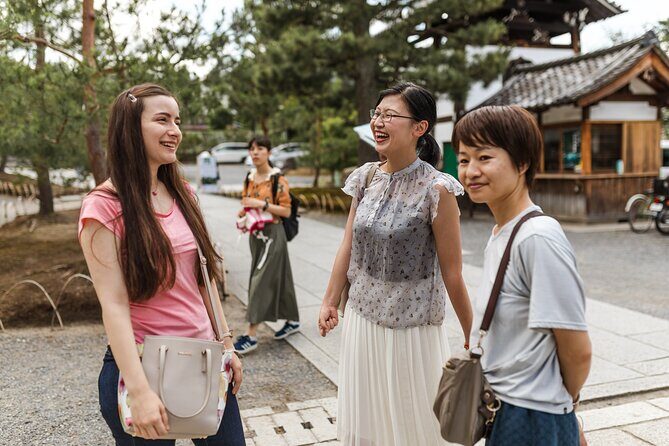
Kyoto is famous for temples, but it’s also famous for being easy to over-plan. One day can turn into a blur of gates, queues, and “wait, where are we going next?” This tour’s main strength is that the route is designed around you, not around a fixed script.
Because it’s private, you’re not stuck with a group pace that doesn’t match your energy. You can linger where you care most, and skip what doesn’t. That’s a big deal on an 8-hour day in a city where walking time can stretch if you stop often.
The walking format also gives you something bus tours can’t: street-level Kyoto. You’ll move through lanes, slopes, and traditional areas in a way that lets the city make sense as a connected place, not a checklist.
Other guided tours in Kyoto

The Questionnaire + Messaging That Actually Tailors Your Day
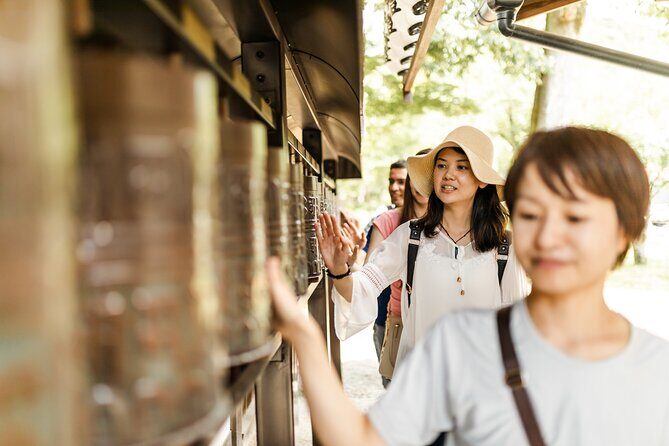
This experience starts before you arrive. After booking, you get a short questionnaire to share interests, preferences, and must-sees. Then your guide reaches out directly to craft your day around your style—history, food, cultural experiences, or even “show me things I wouldn’t find alone.”
You can also choose flexible start times when booking. That’s useful if you want to avoid the worst rush or if your hotel day starts later.
One practical upside: you’ll likely meet a guide who can steer your energy quickly. Past days on this tour have included guides such as Alex, Eko, Vanessa, Oussama, Taibi, Juraj, and Justus. The consistent theme is responsiveness—people report the guide adapting fast, adjusting what to emphasize, and even helping with practical things like photo stops.
If English matters a lot for you, it’s worth sending a note ahead asking the guide to match your pace and communication style. One experience flagged English difficulty for a guide, so this is a smart, low-effort precaution.
Meeting at Sanjo-Ohashi Bridge Starbucks and Getting Oriented
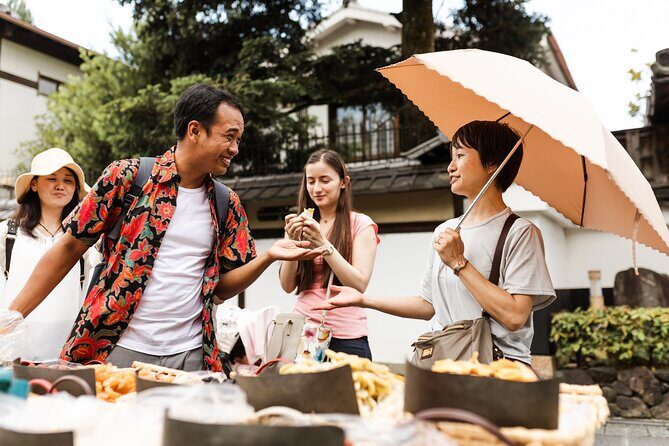
Your day starts at Starbucks Coffee – Kyoto Sanjo-ohashi Bridge, Kyoto (Nakagyo Ward). The tour ends back at the meeting point, so you’re not stuck figuring out your own route home at the end of a long walk.
Starting in this area is handy because it puts you close to a lot of movement corridors across Kyoto. Even if your guide uses public transport or taxis between sites, the plan is still designed around walking where it makes sense.
Expect the day to feel like a guided route through changing neighborhoods. You start with an orientation-style stop, then shift into shrine and temple areas, and end with a major temple highlight. That flow matters. Kyoto has hills and clusters of sites, so a good sequence saves energy and prevents backtracking.
The Modern Architecture Stop: Rooftop Gardens and City Views
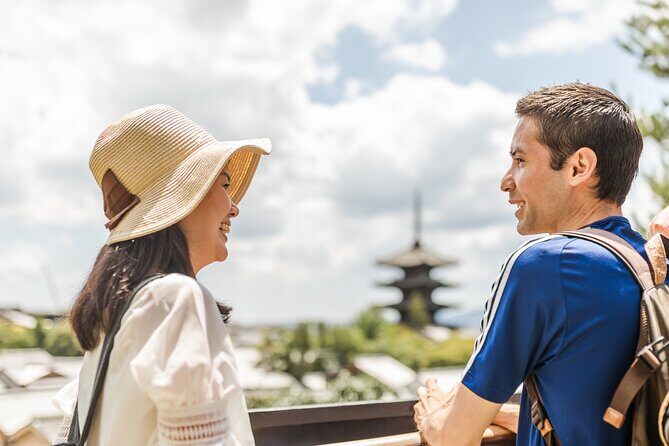
Your first major sightseeing beat is a modern landmark with dramatic architecture, rooftop gardens, and panoramic views. Think of this as your “map in real life” stop.
This kind of viewpoint is more useful than it sounds. From up high, you can connect later sights to the bigger geography. When you walk through Higashiyama’s lanes afterward, you’re not just moving through pretty streets—you’re moving through a part of Kyoto that has a direction and a reason.
The main practical perk here is momentum. It gets you out of the hotel mindset early and sets your eyes up for the day. If you’re sensitive to crowds, you can also use this stop as a timing anchor, since later temple sites can get busy depending on the season.
What to watch for: rooftop areas can be breezy, and you may want layers even in mild weather. Bring comfortable shoes anyway, because the rest of the day is still walking.
North to the Sugawara Shrine: Plum Blossoms and a Monthly Market
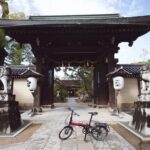
Then you head north to a revered shrine dedicated to Sugawara no Michizane. This spot is famous for its plum blossoms in late winter and for a lively monthly market.
Even if you’re not in plum-blossom season, this stop is still about Kyoto’s calendar. Kyoto temples and shrines aren’t only places you visit; they’re places you visit at specific times for specific reasons. Your guide can help connect what you see to those seasonal traditions.
The market angle is worth thinking about. Markets in Japan are often where you see everyday rituals—snacks, small crafts, and the local rhythm around a shrine. If your tour date lines up with market activity, you’ll get an added texture beyond temple photography.
Considerations:
- If you’re traveling outside late winter, you’ll still enjoy the shrine setting, but the plum focus may be less dramatic.
- If you love food browsing, ask your guide ahead of time whether there’s market timing around your date so you can build in browsing time.
Other private tours in Kyoto



Kinkaku-ji Temple: Gold Leaf, Zen Roots, and UNESCO Impact
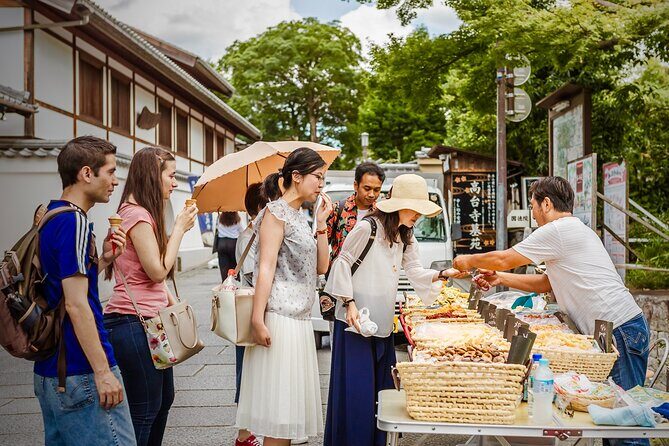
Next is one of Kyoto’s iconic sights: Kinkaku-ji, the Golden Pavilion. It’s a UNESCO World Heritage Site, and your guide will connect its origins to its later identity.
Here’s what makes Kinkaku-ji more than a pretty building: it started as a shogun’s villa and was transformed into a Zen temple in the 1400s. That shift from political residence to spiritual site is central to how you should read the whole place—this isn’t just gold leaf, it’s status, power, and then a turn toward religious practice.
Kinkaku-ji is usually a photo magnet. But a guide makes it more useful because you’ll learn what to look for and why those details mattered historically. You’ll also get help managing your walking and viewing time so you’re not stuck waiting in the least interesting spot.
What I’d plan for:
- Go in with comfortable expectations: it’s an iconic site, so it can be busy.
- Wear shoes with good grip. The ground near temple areas can be uneven, and you’ll be doing a lot of steps across the day.
Higashiyama Lanes on Foot: Where Kyoto Feels Like Kyoto
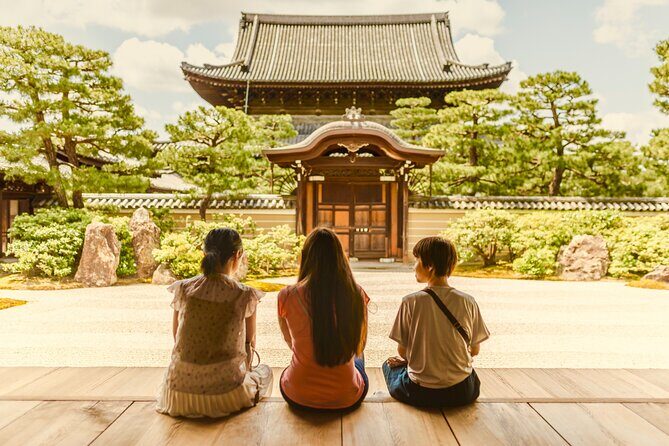
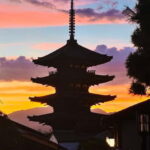
After Kinkaku-ji, you journey south into Higashiyama, known for its atmospheric, sloping lanes. This is where walking really pays off.
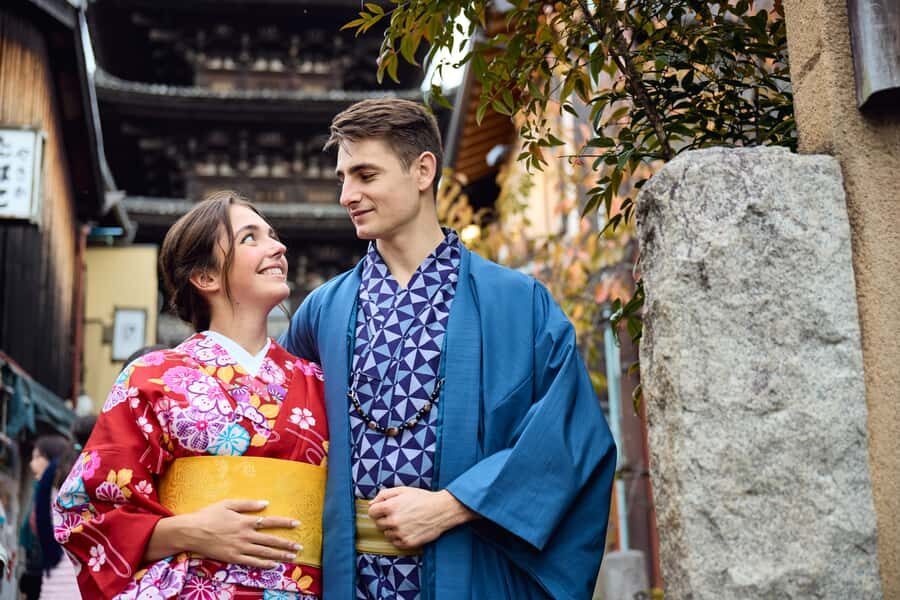
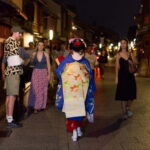
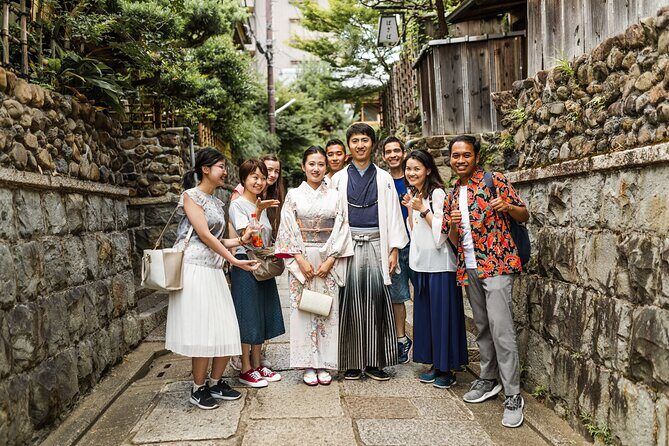
You’ll wander through beautifully preserved streets lined with wooden townhouses, traditional merchant shops, and cafes and restaurants serving Kyoto specialities. This section is less about one single monument and more about the flow of the neighborhood—the slow pace, the narrow lanes, and the feeling that you’re moving through a district built to be experienced on foot.
Why this matters: bus routes can deposit you at key corners, but they don’t give you the side views, the in-between moments, and the small shops you might otherwise never notice. A walking guide can also help you spot what’s worth stopping for and what’s better to skip so you don’t burn time.
Potential drawback: you may hit congestion in popular lane sections, and it can be tiring if you’re not used to hills. If you want this part but also want energy, tell your guide early that you prefer fewer long stops and more short “walk-and-look” pauses.
Kiyomizu-dera Finale: The Wooden Stage, Otowa, and Autumn Timing
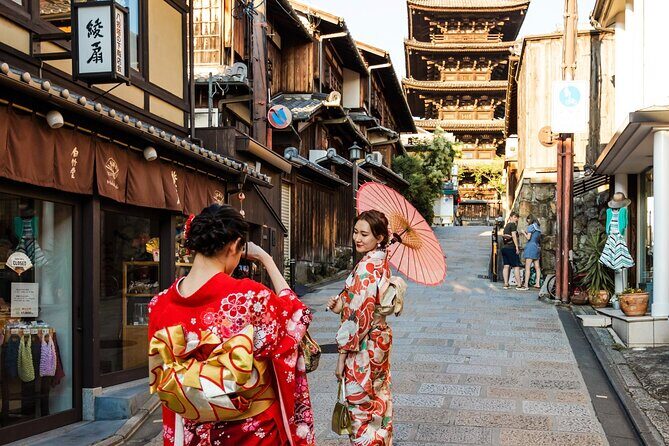
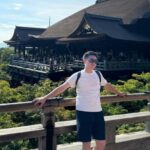
Your day ends at Kiyomizu-dera, one of Japan’s most celebrated temples. It’s known for its massive wooden stage with sweeping city views, and it’s especially beautiful during autumn foliage season.
This stop is a classic Kyoto closer for a reason. From the stage area, the views make you understand why people built sacred spaces where they could look out over the city. You get a sense of perspective: Kyoto isn’t only shrines and roofs; it’s a wider urban world that still contains deep layers of tradition.
Don’t miss Otowa while you’re here—your guide will point it out. Otowa matters because it ties the temple experience to a specific ritual detail, not just a general vibe.
Practical note: temples like this often involve lots of stairs and crowd movement. Keep your pace steady, and let your guide manage the viewing spots. If you’re sensitive to crowds, aim to time your visit within your day’s schedule rather than assuming you’ll always get the quietest angle.
And then you’re done back near your meeting point, ready for dinner without the chaos of figuring out last-mile transport.
Price and Value: Is $253.22 Worth It
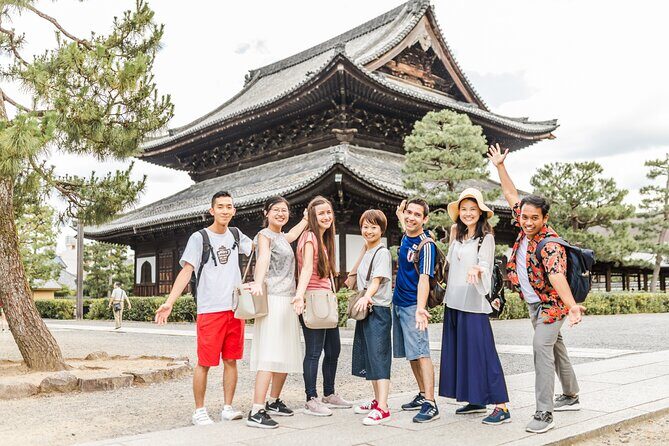
At $253.22 per person for an 8-hour tour, the price isn’t cheap. But the value comes from what you get: a private, personalized walking day with a local guide who adjusts your route to your interests and pacing.
Here’s where the math can work in your favor:
- You’re not buying time spent on the wrong stops. The questionnaire and guide planning aim to prevent wasted hours.
- You’re paying for local navigation and context across multiple major sights, not just a single temple entrance.
- You get flexibility with start times and direct communication with your host.
Here’s what can hurt value if you don’t plan:
- Food, drinks, and attraction tickets are not included.
- Transportation isn’t included. The tour is primarily walking, but public transport or local taxis may be used between sites with additional costs.
- Gratuities are optional, but you’ll still want to think about that budget.
My advice: treat this as a planning and guidance package, not an all-in day. Before you go, ask your host to clarify which parts might require paid transit, especially if pickup is involved. That one step can prevent the kind of “surprise cost” problem that has shown up in at least one past experience when transport expectations weren’t aligned.
Who Should Book This Kyoto Private Tour
This is a great match if you’re a first-time Kyoto visitor and you want a broad sweep without feeling rushed. It also fits you if you like meaningful guidance: learning stories behind sites like Kinkaku-ji, then switching tone to Higashiyama’s street-level atmosphere, and ending at Kiyomizu-dera with views.
It’s also ideal if you like choice. The tour can be tailored to your interests, and it’s private, so your route doesn’t have to satisfy everyone else’s list.
You should think twice if:
- You don’t enjoy long walking days.
- You need a fully ticket-and-transit-covered experience, since tickets and transportation are not included.
- You’re expecting a vehicle to take you point to point. This is a walking experience, and transfers may use public transport or taxis at extra cost.
On the plus side, service animals are allowed, and it’s near public transportation. And it states that most travelers can participate.
Should You Book This Kyoto Private Tour?
Yes, you should book it if you want a guided Kyoto day that feels personal rather than templated. The biggest reason: this tour doesn’t just take you to top sights, it adjusts the order and emphasis based on what you care about, at a pace your guide can manage.
Book it with two smart prep steps:
- Share your must-sees clearly in the questionnaire and mention what you want to skip.
- Ask your host to confirm how any pickup or between-site transport costs would work, so your budget stays calm.
If you want Kyoto in one solid day—Kinkaku-ji, Higashiyama, and Kiyomizu-dera—with a guide who can connect the dots, this is a strong pick.
FAQ
How long is the Kyoto private tour?
The tour is about 8 hours.
Is this tour private or shared with other people?
It’s private. Only your group participates.
Is the tour mostly walking?
Yes. It’s a walking experience, and a private vehicle is not included. Public transport or local taxis may be used to transfer between sites.
Where does the tour start and where does it end?
It starts at Starbucks Coffee – Kyoto Sanjo-ohashi Bridge in Nakagyo Ward. It ends back at the meeting point.
What’s included in the price?
Included items are the private 8-hour walking experience with a local guide, flexible start times, a pre-tour questionnaire, and direct communication with your host for planning and recommendations.
Are food, drinks, and attraction tickets included?
No. Food, drinks, and tickets to attractions are not included.
Is pickup available?
Pickup is offered. You’ll also have a listed meeting point at the Starbucks near Sanjo-ohashi Bridge.
What kind of ticket do I receive?
The tour offers a mobile ticket.
Is free cancellation available?
Yes. Free cancellation is available up to 24 hours in advance for a full refund.