Ramen is the star, and the spoon is the proof.
This small-group class in Kyoto turns ramen spoon painting into a souvenir and pairs it with hands-on cooking taught in a professional kitchen run by Musoshin Ramen Academy. You also visit three big Kyoto temple stops around Higashiyama—Kiyomizu-dera Temple, Kennin-ji Temple, and Sanjusangendo Temple—so the day mixes food craft with classic sightseeing.
I love the in-house ramen workflow—the noodles, soup, soy sauce, and pork are made on site or by their academy process, not assembled from packets. I also love the chef energy: Master Shin and his team teach step by step, with real patience and humor in the kitchen.
One drawback to plan for: the spoon goes into a kiln overnight, so this is not a quick paint-and-run craft. You’re working in a guided flow, and the pacing fits the class rhythm, not your own schedule.
In This Review
- Key highlights to decide fast
- Ramen spoon painting plus ramen cooking in Kyoto, all in 90 minutes
- Kiyomizu-dera, Kennin-ji, and Sanjusangendo: the Kyoto pairing that changes the vibe
- Painting your ramen spoon: the craft part that becomes your souvenir
- The Musoshin Academy kitchen: where Michelin-nominated ramen really gets taught
- Hands-on cooking: what you actually do in the class
- Vegetarian and allergy care: a real practical win
- What makes this more than a cooking demo: methodology and ramen components
- The food payoff: you eat what you made
- Price and value: is $65.89 worth it?
- Who should book this Kyoto ramen spoon class
- My final call: book it or pass
- FAQ
- How long is the Kyoto Ramen Spoon Painting and cooking class?
- How many people are in the group?
- Do I get to keep the ramen spoon I paint?
- Is there vegetarian or vegan ramen during the class?
- What’s included besides cooking?
- Can I cancel and get a full refund?
Key highlights to decide fast
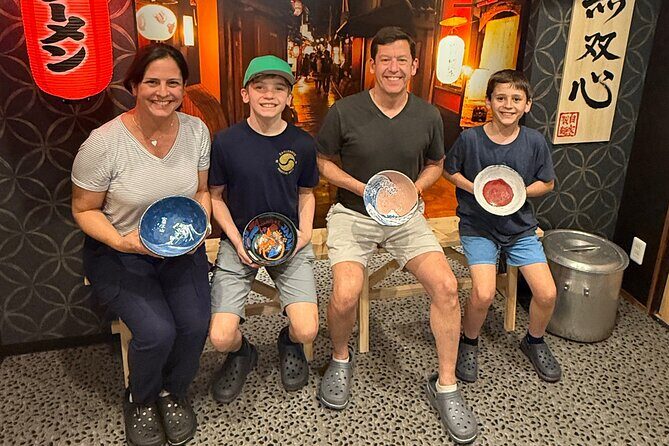
- Ceramic ramen spoon souvenir that’s baked in a kiln overnight
- Michelin-nominated Musoshin method, tied to their Toronto restaurant experience
- Real ramen restaurant kitchen, because Musoshin’s workshop is inside their ramen operation
- Serious ingredient timing: noodles made each morning, soup cooked 12 hours
- Vegetarian and vegan options, plus allergy handling during cooking time
- Max 12 people, so you get hands-on attention instead of watching from the back
Ramen spoon painting plus ramen cooking in Kyoto, all in 90 minutes
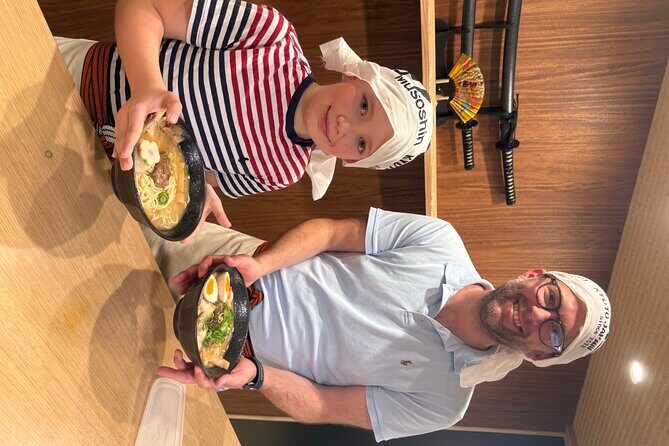
This is a 1 hour 30 minute experience built around one simple idea: make ramen in the same day you create your ramen spoon keepsake. The price is $65.89 per person, and for that you get more than a tasting. You get a craft activity, a chef-taught cooking class, and a meal at the end where you eat what you helped assemble.
The group size is capped at 12, which matters. Kitchen time goes by fast, and small groups help you stay close to the instructors instead of standing around. You’ll also want to note the format is practical: you get an apron and the parts you need to cook, plus your ramen spoon and bowl involvement as part of the lesson flow.
For logistics, it runs with a mobile ticket and starts at 440-5 Nishigomonchō, Higashiyama Ward, Kyoto, 605-0816. The activity ends back at the meeting point. That loop is helpful if you’re trying to keep the rest of your day flexible.
Other cooking classes in Kyoto


Kiyomizu-dera, Kennin-ji, and Sanjusangendo: the Kyoto pairing that changes the vibe

The experience uses temple time as a reset between the craft and the cooking. You visit three stops—Kiyomizu-dera Temple, Kennin-ji Temple, and Sanjusangendo Temple—so you don’t just jump from eating to making.
What I like about mixing these is that ramen day can otherwise feel like one long food errand. Here, the pacing gives your brain something else to focus on, and the setting adds context for why Kyoto food culture matters. You’re not only learning how to cook; you’re walking through the city’s historic rhythm before you return to a modern skill session.
Practical tip: wear comfortable shoes. Even if the walking isn’t extreme, temple areas usually mean stairs, uneven spots, and a bit of moving around while you meet your group and head to the next stop. Bring something light for your hands too, since you’ll switch from sightseeing to cooking later.
Painting your ramen spoon: the craft part that becomes your souvenir
The spoon painting is the easy-to-love moment. You paint your own ramen spoon as a ceramic souvenir, then it’s baked in a kiln overnight. The end result is not a temporary decoration. You’re making something you can use (or at least display) once you’re back home.
A detail I think is worth your attention: don’t treat the painting like a doodle project. The class is guided, and you’ll want to focus while the instructor checks what you’re doing. One review specifically called out how fun it was to paint the bowl and spoon, and that the spoon becomes a memorable piece to bring home.
Also, kiln timing changes how you should think about expectations. You aren’t getting a finished masterpiece the second you pick up the paintbrush. You’re creating the design now and trusting the workshop process to fire it properly overnight.
If you care about photos: this is a photogenic activity. People mention getting great photos at the place, and the workshop setup is built for the spoon-and-bowl visual part of the experience.
The Musoshin Academy kitchen: where Michelin-nominated ramen really gets taught
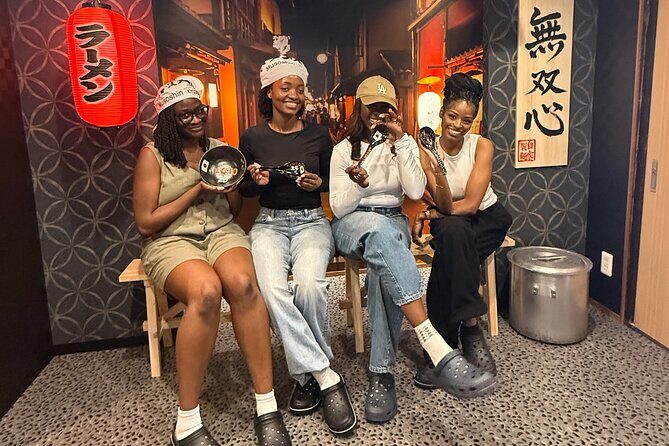
This class is run by 無双心ラーメンアカデミー, connected to Musoshin Ramen. Their story matters because it explains the cooking style: Musoshin started in Kyoto in 2022, and now operates multiple restaurants (including Toronto). Their Toronto location has been nominated for Michelin for three consecutive years, and the recipe approach is described as the same across locations.
In the kitchen, you learn ramen as components, not magic tricks. The academy’s goal is to spread the flavor of ramen around the world, and they emphasize that they make key ingredients in-house. They specifically note:
- Noodles made in their shop every morning, then rested overnight
- Ramen soup cooked for 12 hours
- Ramen soy sauce and roast pork made by hand
This is why the class feels different from the typical cooking lesson where you chop vegetables for ten minutes and then call it a day. You’re working with the backbone of ramen: noodles texture, soup depth, and the flavor layers that make the bowl taste like ramen instead of just noodles in broth.
Hands-on cooking: what you actually do in the class
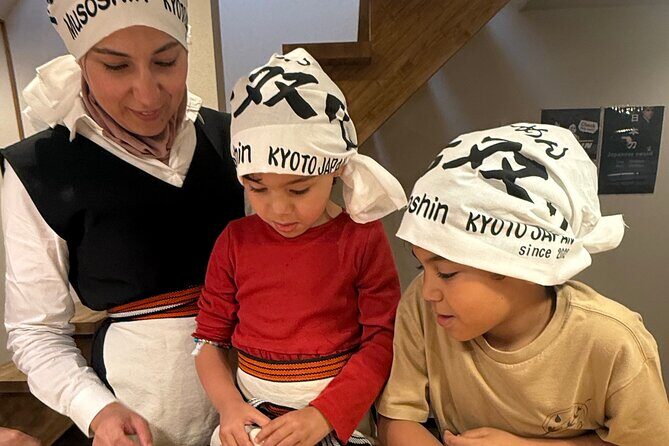
You don’t just watch. They bring ingredients from the restaurant and have customers cook them. That hands-on format is repeated again and again in the feedback: you get step-by-step teaching on methodology, components, and how ramen fits into a broader story.
Here’s what stands out in how the class is designed:
- You cook with the support of a chef in a professional kitchen setting.
- The lesson is structured, so you build confidence even if you’ve never made ramen before.
- You end with a meal you can taste right away.
Chef names show up in reviews, and that human detail matters. Master Shin is described as hardworking, gentle, and engaging, including patience with a child in one family review. Another review mentions chef Amiru, also energetic and welcoming. In other words, you’re not just getting a recipe sheet. You’re learning from people who run a ramen operation and teach like they mean it.
A few more Kyoto tours and experiences worth a look



Vegetarian and allergy care: a real practical win
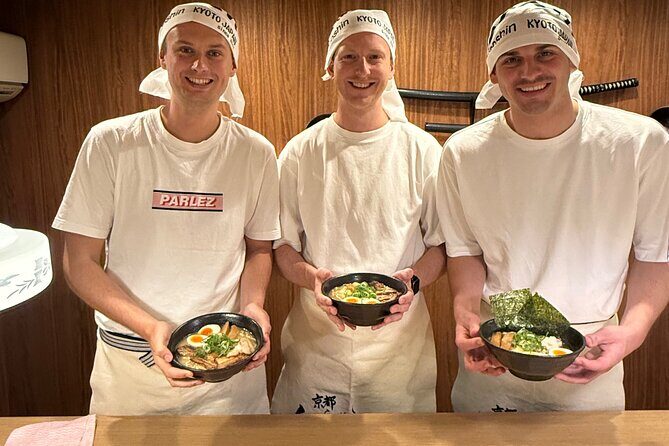
If you travel with dietary restrictions, this is one of the better signs in the data you provided. The class includes vegetarian and vegan options, and allergies are handled during the cooking portion.
In one review, a participant mentioned vegetarian and vegan/vegetarian options being accommodated. Another review specifically said they handled allergies really well. That doesn’t mean every allergy will be perfectly matched for everyone, but it does mean the academy is paying attention to real-world needs and not treating food restrictions as an afterthought.
So if you’re planning your Kyoto food day and you need ramen without compromise, this is a strong contender.
What makes this more than a cooking demo: methodology and ramen components
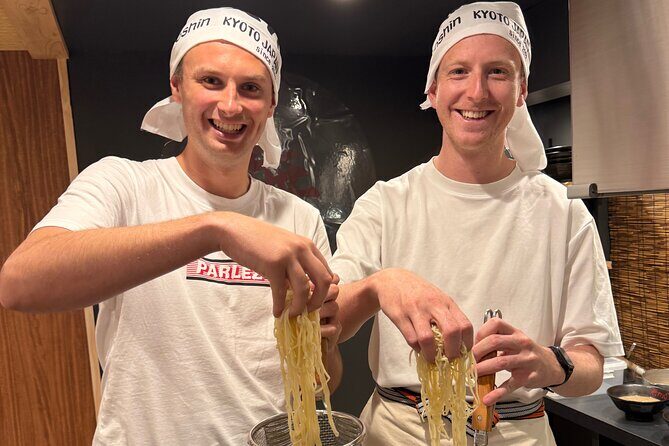
I like classes where you leave with a mental model. This one leans into ramen components and the method behind them, not just the final bowl.
From the teaching approach described, you’re walking through things like:
- how ramen soup is built and why it takes time
- what noodles need to become the right kind of chewy
- how soy sauce and roast pork create flavor structure
- how all parts connect into a bowl that tastes intentional
One review highlighted that the instructors taught methodology, components, and history. That matters because it helps you cook again later without copying blindly. You understand what to prioritize, and you understand why the steps exist.
Also, because their ingredients are handled with timing discipline—overnight noodle rest and a 12-hour soup schedule—you get a better sense of ramen as a craft. It’s not instant ramen energy. It’s slower, deeper cooking that’s worth the wait.
The food payoff: you eat what you made
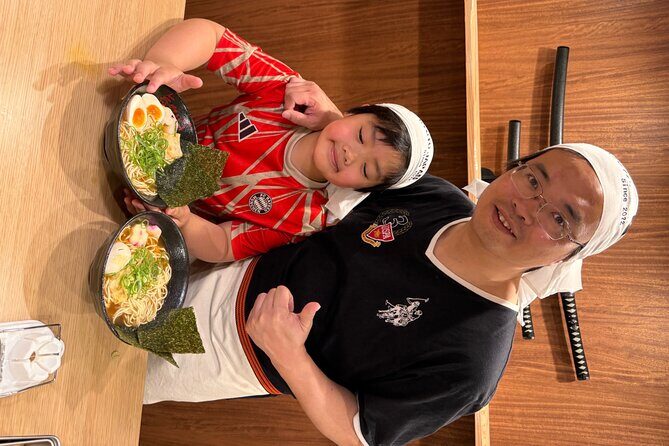
No one wants a class that ends with a plate of something you didn’t really contribute to. Here, you don’t leave hungry. There’s a “no hunger pangs” promise in the overview, and the whole structure supports it: you cook, then you feast at the end.
The meal is part of the experience, and it’s tied to the lesson so you can taste differences you learned to make. In practical terms, that means you can adjust your own ramen at home later because you actually remember the flavors you built in class.
And yes, the spoon adds to the payoff. You finish the class experience with both a souvenir and the bowl, so the day doesn’t feel like one-and-done. It’s a full cycle.
Price and value: is $65.89 worth it?
Let’s do the realistic math in your head.
For $65.89, you’re paying for:
- a small-group chef-taught cooking class in a professional kitchen
- in-house ingredient workflow (noodles, long-cooked soup, handmade soy sauce and roast pork)
- hands-on cooking where you contribute to the meal
- a ceramic souvenir spoon you paint, then bake
- temple sightseeing stops as part of the same day
Short cooking classes can be cheap because you do little. This isn’t that. Also, the spoon painting turns the lesson into a memory you keep. That alone makes it feel closer to a workshop than a food tour.
If you want maximum value, go in with the right mindset. You’ll get the best return if you enjoy process: asking questions, watching the small details, and taking the teaching seriously for your next bowl at home.
If you only want ramen tasting and zero cooking time, you might prefer a simpler food stop. But if you want skills, this price is easier to justify.
Who should book this Kyoto ramen spoon class
This experience fits best if you are:
- a ramen lover who wants more than a bite
- the type who enjoys hands-on food craft
- traveling with kids or mixed ages (reviews say it works for adults and kids, with patience from the chef)
- someone who wants vegetarian or vegan options, and who appreciates that allergies are handled during cooking time
- interested in a small-group format with real instructor attention
You might consider skipping it if:
- you hate kitchens and prefer to observe only
- you want a long, unhurried temple day, because the time is shared with cooking
- you’re expecting a free-form DIY workshop with no structure, since this is guided and paced
My final call: book it or pass
I’d book it if you want one of those rare Kyoto experiences where the souvenir and the skill come from the same theme: ramen. The small group cap and hands-on approach make it feel personal, and the in-house ingredient emphasis turns the cooking lesson into something you can actually translate later.
If you’re on the fence, I’d use this checklist: you like ramen, you’re willing to spend 90 minutes actively cooking, and you want a ceramic spoon souvenir. If those three are yes, this is a high-value way to spend part of your day in Kyoto.
FAQ
How long is the Kyoto Ramen Spoon Painting and cooking class?
The experience lasts about 1 hour 30 minutes.
How many people are in the group?
It’s a small-group experience with a maximum of 12 travelers.
Do I get to keep the ramen spoon I paint?
Yes. You paint your own ceramic ramen spoon, and it’s baked in a kiln overnight as part of the process so it can be kept as a souvenir.
Is there vegetarian or vegan ramen during the class?
Yes. Vegetarian and vegan/vegetarian options are available.
What’s included besides cooking?
You’ll have a ramen bowl, ramen spoon, and an apron as part of the class materials, and you’ll eat the ramen you help make at the end.
Can I cancel and get a full refund?
Yes. Free cancellation is available up to 24 hours in advance for a full refund.
If you want, tell me your travel dates and whether you’re bringing kids or have dietary needs. I can suggest how to fit this into a Kyoto day around temple time and where to grab nearby downtime afterward.