Kyoto feels easier when you skip the maze. This private day tour takes you around in a private vehicle with door-to-door pickup, so you spend less time figuring out buses and more time seeing the sights. With guides like Hamza, Malik, Shah, and Ali, you also get explanations that make the stops feel connected, not like a checklist.
I especially like the way the day stays flexible. When your group includes kids, or you want a quick food break, the pacing can adjust. I also like that your guide helps you move with less stress—and yes, Malik even took great pictures for families.
One thing to plan for: not every entry fee is included. Temple tickets for spots like Kinkaku-ji, Nijo Castle, and Kiyomizu-dera are extra, and the whole route runs about 8 to 10 hours, so it’s a long day.
In This Review
- Key highlights at a glance
- Why a private Kyoto day feels worth it
- Your 8–10 hour plan: what the flow is like
- Stop 1: Arashiyama Bamboo Forest with breathing room
- Stop 2: Kinkaku-ji (Golden Pavilion) in a tight 40 minutes
- Stop 3: Nijo Castle and its Tokugawa-era purpose
- Stop 4: Nishiki Market for Kyoto Kitchen shopping and snacks
- Stop 5: Gion alleyways with a guide who keeps you moving
- Stop 6: Kiyomizu-dera with explanations that make it click
- Stop 7: Fushimi Inari-taisha quick hits you won’t rush through
- How the guide actually improves the day (not just the narration)
- Price and value: $475 per group, and how to think about it
- What to watch for before you go
- Should you book this Kyoto private customized day tour?
- FAQ
- How many people are in a group?
- How long is the Kyoto private day tour?
- What time does the tour start?
- Is hotel pickup included?
- Is this tour private or shared with other groups?
- Which stops are part of the standard route?
- Are entry tickets included for temples and castles?
- Do I get a mobile ticket?
- Can I cancel for free?
- Can the guide adjust the day for your needs?
Key highlights at a glance

- Private door-to-door transport saves you from Kyoto’s bus and subway confusion
- Smart stop mix: Arashiyama bamboo, Golden Pavilion, Nijo Castle, Nishiki Market, Gion, Kiyomizu-dera, Fushimi Inari
- Guides tailor the pace for families and for real-life needs like snacks and quick breaks
- Photo help built in: you’re more likely to get clean group photos without rushing
- Most key sights are included, with entry fees only missing at specific temples/castles
- A mobile ticket means fewer last-minute hassles
Why a private Kyoto day feels worth it
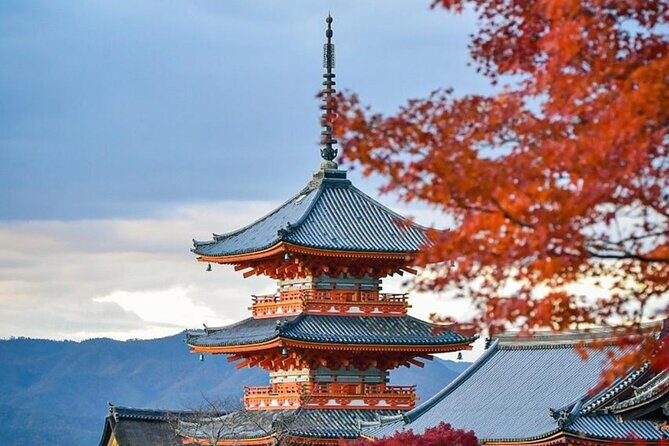
Kyoto is stunning, but getting around can feel like a math problem. Lines, transfers, and the right stop name on the right day can turn a relaxing trip into a scavenger hunt. This tour is built to reduce that friction by using a private car and starting from your hotel.
I like that the value isn’t only the sightseeing. You’re also buying time. Instead of spending chunks of your day wrestling with transit, you’re using that energy to actually see Arashiyama, Golden Pavilion, and the shrines and markets that make Kyoto Kyoto.
Other guided tours in Kyoto
Your 8–10 hour plan: what the flow is like
The day starts at 8:00 am, and the total time is about 8 to 10 hours. It’s designed as a full, highlights-heavy route with guided stops, plus car time between neighborhoods.
You’ll also be in a small setup: private tour for your group only, up to 6 people. That matters because it keeps the day practical. If you need a slower pace, a bathroom break, or time to snack, your guide can adapt without everyone waiting behind you.
If you’re staying centrally, the door-to-door pickup can be a big deal. If you’re not, it still helps because you’re spared the “how do we get there exactly” guessing game.
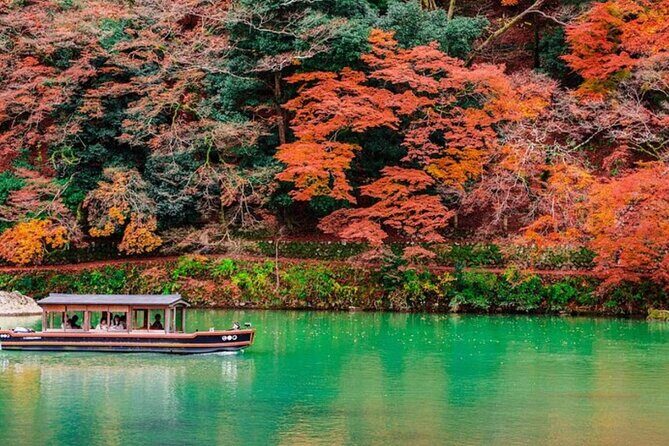
Stop 1: Arashiyama Bamboo Forest with breathing room
Arashiyama is a popular western Kyoto district, and the bamboo forest is one of its main pulls. You’ll spend about 2 hours here, and admission is listed as free.
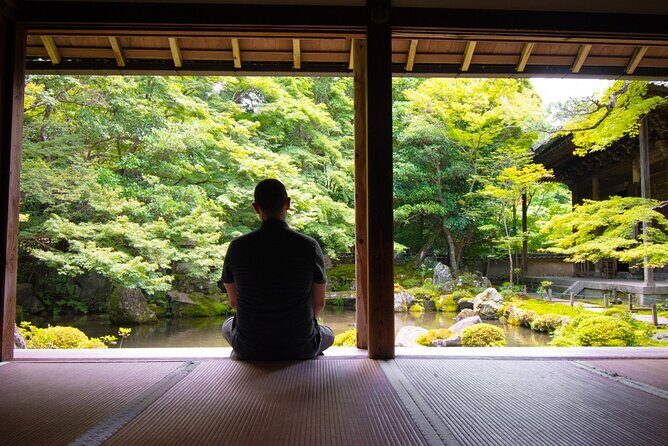
What I like about starting here is that it sets a calm tone early. This stop is also ideal for photos, since your guide can help your group find a smooth route through the busiest areas. Even when Arashiyama is busy, the two-hour window gives you enough time to pause without feeling behind.
The drawback: bamboo forests can get crowded fast. If you want the most relaxed photos, you’ll want to lean on your guide’s timing and movement plan rather than wander on your own.
Stop 2: Kinkaku-ji (Golden Pavilion) in a tight 40 minutes
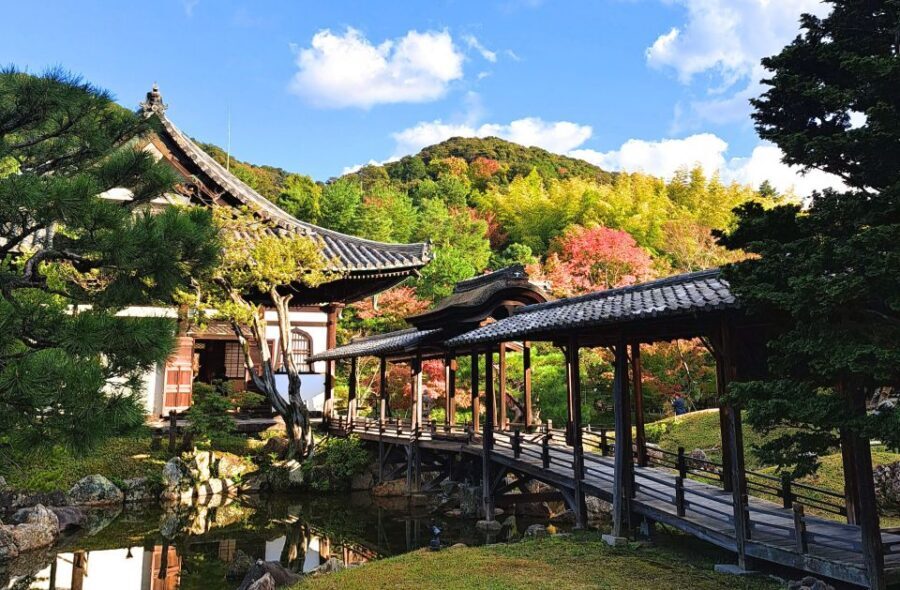
Kinkaku-ji, also called the Golden Pavilion (Rokuonji), is a Zen temple whose upper floors are covered in gold leaf. You’ll have about 40 minutes at this stop, and admission is not included.
Forty minutes is not a lot, so manage expectations. This is a “see it, understand it, take your photos, then move on” stop. That’s exactly why a guide helps here: you get the story and the context quickly, instead of reading everything at full speed while people line up behind you.
If you’re the type who could spend an hour in one place, you might feel slightly rushed. Still, 40 minutes is enough for the iconic views and a basic understanding of what you’re looking at.
Stop 3: Nijo Castle and its Tokugawa-era purpose
Next up is Nijo Castle, a UNESCO World Heritage site built in 1603. It was the Kyoto residence of Tokugawa Ieyasu, the first shogun of the Edo Period.
You’ll get about 1 hour here, and admission is not included. This stop works well because castles can feel abstract unless someone connects the dots. Your guide can frame it as more than a building—why it was built, who it served, and how it fits into the Edo timeline.
The consideration: since entry fees aren’t included, you’ll want to plan a little extra cash for tickets. Also, castles involve more walking than you might expect, so comfortable shoes matter.
Other private tours in Kyoto


Stop 4: Nishiki Market for Kyoto Kitchen shopping and snacks
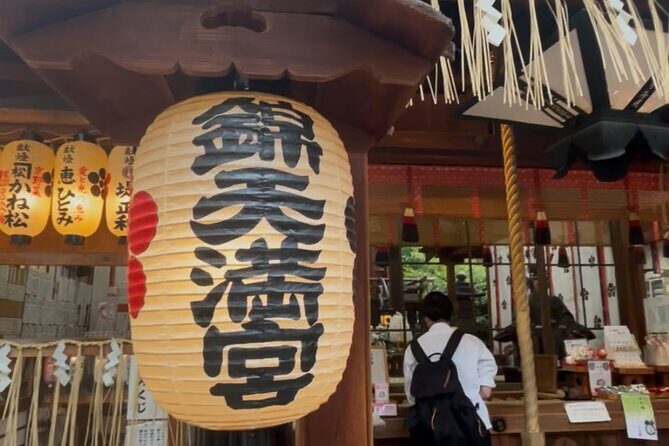
Nishiki Market is a narrow shopping street about five blocks long, packed with more than 100 shops and restaurants. It’s often nicknamed Kyoto’s Kitchen, and you’ll spend around 1 hour here. Admission is free.
This is where I think the “private” part earns extra points. Markets are messy in the best way, but they’re also easy to lose time in if you don’t know what you want. With a guide, you can focus on what’s worth sampling and what’s good for gifts, without backtracking.
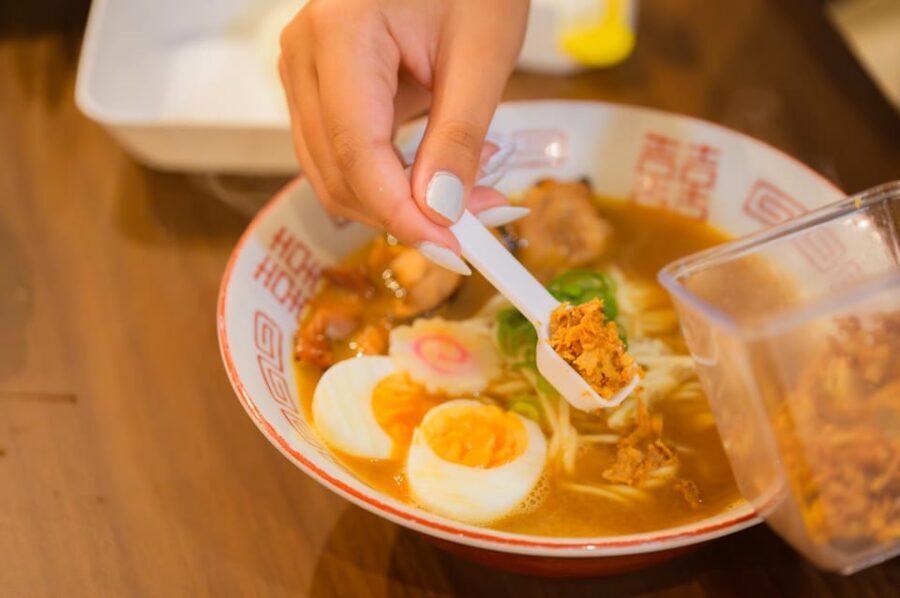
Keep in mind that the alley-like layout can feel tight. If your group includes kids or you’re with someone who gets tired, use your 1-hour window wisely—snack early, shop second.
Stop 5: Gion alleyways with a guide who keeps you moving
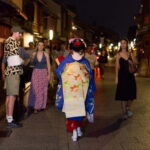
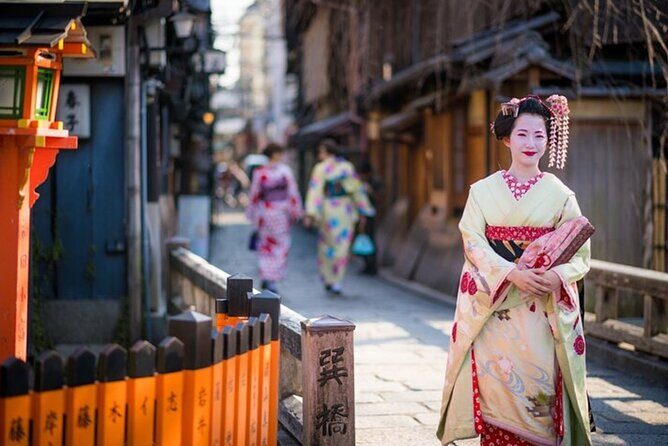
Gion is Kyoto’s famous geisha district, and exploring the narrow alleyways can be daunting on your first trip. This stop is about 1 hour, and admission is listed as free.
On your own, it’s easy to wander into the wrong streets or miss the best viewpoints for photos. With a guide, you’re more likely to get a sensible route that keeps your group together and reduces the whole “where are we now” moment.
What to watch for: Gion can be crowded, depending on the day and time. Your best move is to lean on your guide’s pacing so you’re not stuck waiting for space right where you want to stand.
Stop 6: Kiyomizu-dera with explanations that make it click
Kiyomizu-dera is one of Kyoto’s most popular temples, and you’ll have about 1 hour with a guided tour. Admission is not included.
The value here is the guide’s ability to add meaning to what you’re seeing. Temples can blur together if you only focus on the architecture. With this stop, you’re getting the human stories and cultural context that help you understand why the place matters.
The downside: because it’s popular, you can’t control crowd energy. Plan to move at the group pace and follow your guide’s suggestions for where to linger and where to step away.
Stop 7: Fushimi Inari-taisha quick hits you won’t rush through
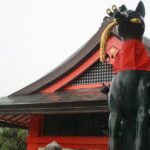
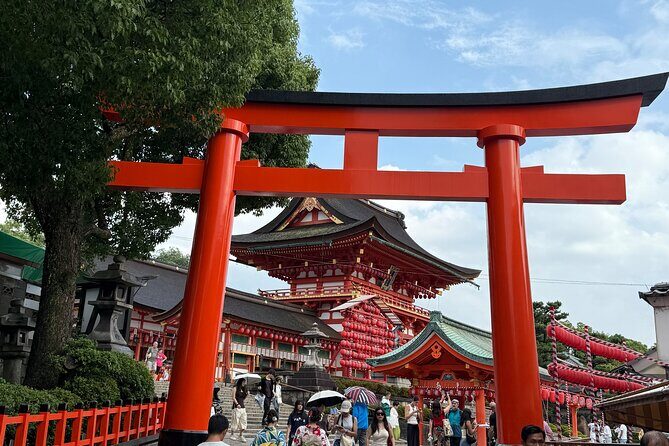
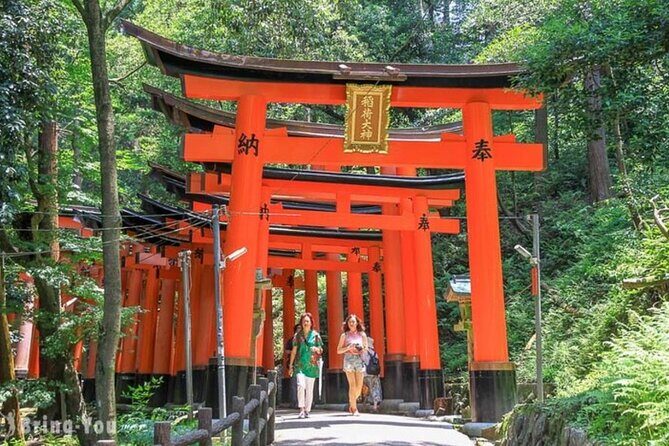
Fushimi Inari-taisha is a shrine that’s hard to forget, mainly because of its famous pathways of torii gates. This is another 1-hour stop, and admission is free.
This is a great “payoff stop” at the end of your day. By the time you get here, your brain is full of temples, castles, and old Kyoto streets. Fushimi Inari resets the mood—more dramatic, more photo-worthy, and easier to enjoy even if you’re tired.
I also like that the guide’s route is built around what you should see and how to see it without drifting into confusion. The shrine is big, so having a plan beats wandering for an hour and calling it a win.
How the guide actually improves the day (not just the narration)
The best part of this tour isn’t only the itinerary. It’s how the guide runs the day.
From the reviews you provided, several patterns come through:
- Hamza was described as kind and patient, with strong communication and the ability to adapt for family needs. One group specifically mentioned a vegetarian-friendly restaurant recommendation.
- Malik stood out for being flexible and patient, navigating traffic skillfully and taking good group photos.
- Nomi was praised for storytelling that worked well with kids, plus smooth handling of real-life requests.
- Ali arrived on time, drove safely, and adjusted for breakfast/snacks and even getting extra cash.
- Shah was highlighted for taking groups to key sights and keeping everything enjoyable.
So here’s my practical advice: tell your guide what matters to your group before you roll out. If anyone in your party has dietary needs, mobility concerns, or a hard stop time, say so early. Guides can’t read minds, but the ones you’ll get here clearly know how to adapt when you communicate.
Price and value: $475 per group, and how to think about it
At $475 per group (up to 6 people), this tour is priced like a private vehicle plus guided time. If you split it across 6, it can work out to a reasonable per-person day when you compare it to the cost of taxi rides and multiple paid entries—especially since door-to-door pickup is part of the deal.
If you’re a solo traveler, it costs more per person. In that case, the “value” is less about price and more about buying convenience: you avoid route-planning stress, you reduce wasted time, and you get a guided flow through far-apart areas.
Also remember admissions aren’t uniform. Some stops are listed with admission free (like Arashiyama Bamboo Forest, Nishiki Market, Gion, and Fushimi Inari), while others are not included (Kinkaku-ji, Nijo Castle, Kiyomizu-dera). Your final cost will depend on how many of the paid sites you visit and what tickets you choose.
What to watch for before you go
This is a full-day plan, not a slow stroll. The total time is about 8 to 10 hours, and Kyoto’s crowds can turn a “short stop” into a longer wait if you don’t keep moving with the group.
Also, some entry fees are not included. If you want to budget tightly, plan extra for Kinkaku-ji, Nijo Castle, and Kiyomizu-dera.
Finally, even with a private car, you’ll still do plenty of walking at each stop. Bring comfortable shoes and plan to use the guide’s pacing. A guide can’t prevent walking, but they can prevent you from wasting energy zigzagging.
Should you book this Kyoto private customized day tour?
Book it if you want to hit the big-name Kyoto highlights in one day without the bus/subway headache. It’s especially a good choice for families, multi-generation trips, or anyone who wants a clear route with room for small adjustments like snacks or breakfast breaks.
Skip it (or consider a different style of tour) if you prefer wandering on your own with no structure. Also, if you’re sensitive to a long day, realize the plan is intentionally packed from 8:00 am through roughly late afternoon/evening.
If your goal is a smooth, guided highlight tour where the logistics are handled and the day stays flexible, this one makes sense.
FAQ
How many people are in a group?
The tour is private and limited to up to 6 people per group.
How long is the Kyoto private day tour?
It runs about 8 to 10 hours.
What time does the tour start?
The start time is listed as 8:00 am.
Is hotel pickup included?
Yes. Pickup is offered, and door-to-door hotel transfers are included.
Is this tour private or shared with other groups?
It’s private. Only your group participates.
Which stops are part of the standard route?
The planned stops include Arashiyama Bamboo Forest, Kinkaku-ji Temple, Nijo Castle, Nishiki Market Shopping District, Gion, Kiyomizu-dera Temple, and Fushimi Inari-taisha Shrine.
Are entry tickets included for temples and castles?
Some are free and some are not included. Kinkaku-ji Temple, Nijo Castle, and Kiyomizu-dera Temple list admission as not included. Arashiyama Bamboo Forest, Nishiki Market, Gion, and Fushimi Inari-taisha list admission as free.
Do I get a mobile ticket?
Yes, the tour offers a mobile ticket.
Can I cancel for free?
Free cancellation is available. You can cancel up to 24 hours in advance for a full refund.
Can the guide adjust the day for your needs?
Yes. The tour is flexible and personalized, with the option to choose from a list of places to visit, and reviews also mention the guide adapting for needs like snacks and meals.