Two hours to feel like a samurai. This Kyoto experience is more than a theme photo: you get dressed up and learn katana basics before you pose in front of samurai-themed backgrounds. I also like the small group setup with an English instructor, which keeps the lesson practical instead of chaotic.
One consideration: kids under 3 can’t enter the samurai venue, and the session expects safe movement while you handle the sword, so it’s not ideal for very cautious tiny kids.
In This Review
- Key highlights I’d plan around
- What this Kyoto samurai sword lesson really feels like (2 hours, small class)
- Costume switch: hakama, helmet, armor, and photo backgrounds
- Katana lesson: demonstration, then kata sequences you can actually remember
- Ninja weapons trial: shuriken target practice after the sword work
- The Samurai and Ninja Museum visit: what adds value beyond the lesson
- Skip-the-line energy and small-group pacing that keeps it fun
- Price and value: is $66 fair for katana, costumes, photos, and ninja trial?
- Logistics you can plan for: transit, timing, and what you should bring
- Who this Kyoto experience suits best (and who should skip it)
- Should you book the Kyoto Samurai Ninja Museum sword lesson?
- FAQ
- How long is the Kyoto samurai sword lesson experience?
- How much does the experience cost?
- Is the instruction offered in English?
- What’s included in the experience?
- What’s not included?
- Can children participate?
- What are the group size limits?
- Is it wheelchair and stroller accessible, and is it near public transportation?
- What’s the cancellation policy?
Key highlights I’d plan around
- Wear the full samurai look: hakama, helmet, and armor for photos that actually feel like a costume change, not a quick prop.
- Hands-on katana time: you watch a proper swing demonstration, then practice yourself.
- Two kata sequences: your lesson includes set movement patterns (kata), so you’re not just waving a sword randomly.
- Ninja weapons target practice: a trial with shuriken-style throwing at a target is part of the fun.
- Photo moments with studio-style backdrops: you’ll pose in front of themed scenes during the costume portion.
- Personal touch from strong instructors: guides named Raito and Maestro Ken (plus others mentioned like Nobu and Jukia) show up in the feedback, and the vibe stays friendly and guided.
What this Kyoto samurai sword lesson really feels like (2 hours, small class)
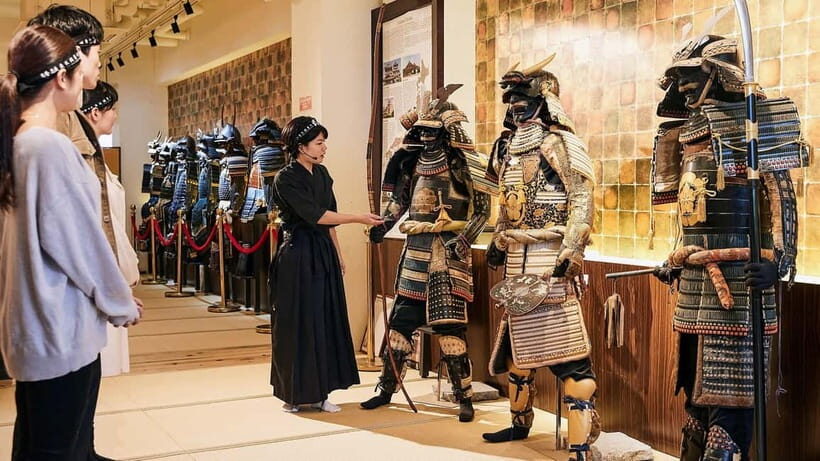
If you want Kyoto culture that you can actually do with your body, this is the type of activity to choose. In a short 2 hours, you’ll go from civilian clothes to a full samurai outfit, learn sword basics with instruction, then add a ninja-style challenge with weapons trial and target practice. The pacing is built for first-timers: you get shown what to do, then you try.
This is also set up for groups that stay manageable. The lesson class is limited to 10 participants, and the overall activity caps at 22 travelers, so you’re less likely to feel lost in a crowd. You’ll be working with an English-speaking instructor, so the movements and safety points make sense even if this is your first time with a katana.
A few more Kyoto tours and experiences worth a look

Costume switch: hakama, helmet, armor, and photo backgrounds
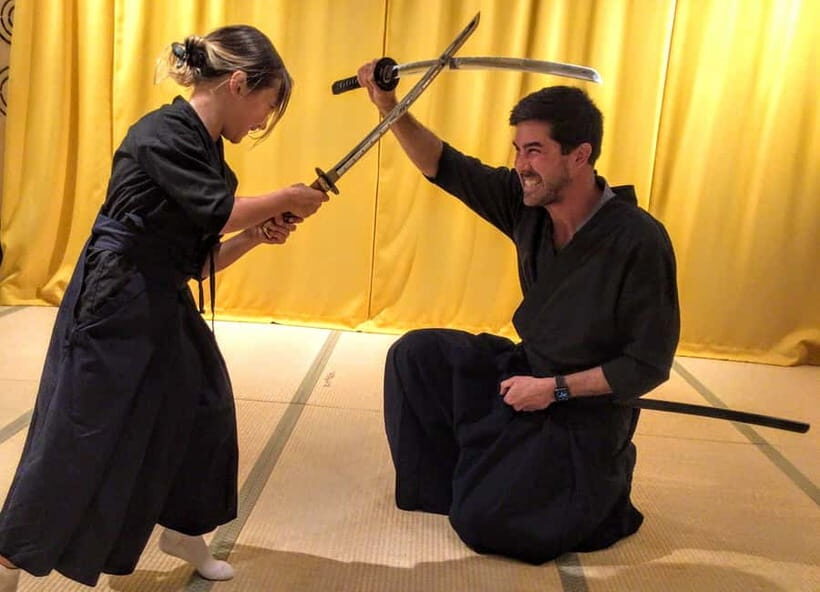
The most immediate wow-factor is how quickly the experience turns into transformation. You’ll be provided hakama, plus a samurai helmet and armor, and you’ll have time for themed photo opportunities. One of the best parts is that the photos aren’t just a quick snap with a sword held out front. The setups include samurai-themed backgrounds and studio-like posing moments.
In the feedback, the “transformation” part comes through again and again, and it makes sense. Photos are fun, sure. But the real value is that the costume helps you commit to the role for the lesson. When you’re dressed like a samurai, the movements and kata practice feel less like a workshop and more like a guided performance with skills you can repeat.
Practical note: you’re wearing costume pieces that may not feel like modern clothes, so plan to move carefully. If you’re with kids, this is one reason the activity works well: it’s structured, timed, and visually motivating.
Katana lesson: demonstration, then kata sequences you can actually remember
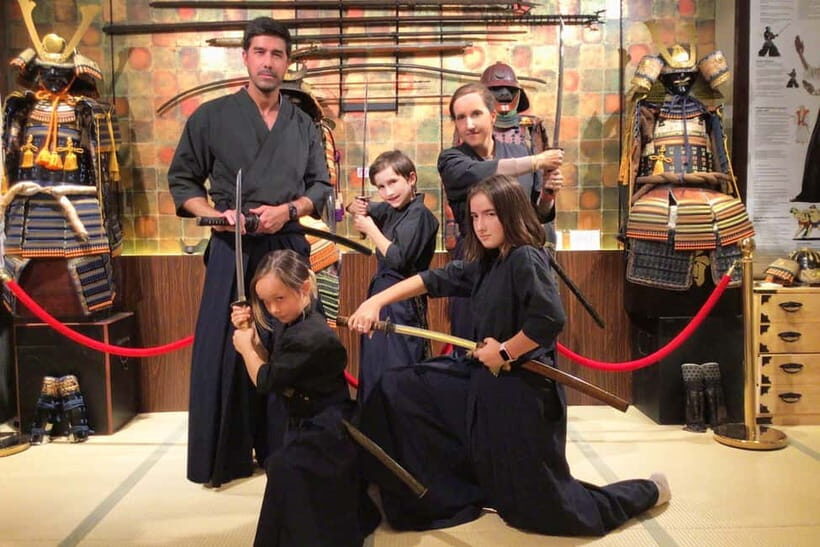
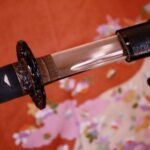
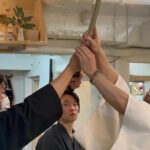
You’ll learn in a simple order: watch how to swing properly, then try it yourself. This matters because sword training is all about control, not speed. The instructor demonstrates correct form first, so you’re not guessing from instinct.
Then you move into kata—set movement sequences. In one account, the lesson included learning two kata sequences with the katana. That’s a smart structure for beginners. Kata gives you a script: you can focus on posture and motion without having to reinvent a “move” every time.
For families, this is also where the experience turns educational without becoming boring. You’re learning about samurai culture while you practice physical skills. And because the instructor is teaching the basics in English, you’re more likely to understand what you’re doing rather than just copying.
Ninja weapons trial: shuriken target practice after the sword work
Right after the sword portion, the experience shifts gears to ninja-style fun. Included in the package is a ninja weapons trial, and in the accounts you’ll see shuriken-style target practice mentioned as a highlight.
This is a great pairing with the katana lesson because it changes the challenge. With the katana, you’re working on controlled swings and kata sequences. With shuriken target practice, you’re testing accuracy and timing. Different skills, same theme: you’re living the samurai-and-ninja story instead of only reading about it.
If you’re traveling with kids, this target moment is often the payoff they remember. It’s interactive, it has an instant score like feedback, and it doesn’t require you to be physically strong. It’s also the part where you can expect plenty of smiles and re-tries as you line things up.
The Samurai and Ninja Museum visit: what adds value beyond the lesson
The experience is connected to the Samurai Ninja Museum, and after the hands-on session you’ll spend time there. The museum visit is described as guided and interesting, and it supports the reason the activity works as more than a costume-and-photo show.
Even without getting technical, the museum time helps you connect what you just practiced (samurai movement and ninja weapon concepts) to a bigger picture. You’ll leave with a stronger sense of why these skills and traditions matter, instead of only walking away with a sword pose and a few fun throws.
If you’re trying to get your Kyoto day to feel more meaningful, this “do then see” structure is a solid choice. You practice the basics, then you reinforce them with museum context.
Other ninja experiences in Kyoto



Skip-the-line energy and small-group pacing that keeps it fun
You’re told you can skip the ticket line, which is a big deal in Kyoto when you’re trying to keep your day flowing. Instead of losing time waiting, you’re more likely to start on schedule and finish with enough buffer for the rest of your itinerary.
The lesson is also built around a limited group size, and that shows in the tone of the experience. Several people singled out the teachers and the fact that the class stays friendly and fun. Names that come up include Raito and Maestro Ken, and other instructors are mentioned too (like Nobu and Jukia). That tells me the guiding style matters here: you’re not just getting a worksheet lesson, you’re getting coaching.
Price and value: is $66 fair for katana, costumes, photos, and ninja trial?
At $66 per person for 2 hours, this is positioned as a “hands-on experience package,” not a bare-bones class. Your included items are doing real work for the price:
- Samurai sword lesson (with demonstration and practice)
- Use of hakama
- Use of samurai helmet and armor
- Themed photo opportunities
- Ninja weapons trial
That combination is the value. If you tried to do this as separate activities, you’d likely pay for instruction and also pay for costume/gear and photo time separately. Here, the package bundles the parts that take effort and cost to arrange on your own.
It also helps that the instructor is teaching in English and the group stays small. That’s part of why first-timers can participate. One of the important lines about participation is that most people can join, with the main age restriction being children under 3 at the samurai venue.
Logistics you can plan for: transit, timing, and what you should bring
Transportation to and from the activity isn’t included, so you’ll want to plan your own route using nearby public transport. It’s described as near public transportation, which makes it easier to fit into a Kyoto day without adding a long detour.
The experience also runs for a total of 2 hours, with starting times based on availability. When you book, you’ll receive confirmation at booking time. And the cancellation terms are flexible: you can cancel up to 24 hours in advance for a full refund, which is useful if your Kyoto plans shift.
What to bring is mostly common sense for an activity with costume and movement:
- Wear comfortable clothes you can change out of easily
- Use footwear that’s stable for walking and stepping
- If you’re traveling with kids, plan for short attention spans during the changing and instruction phases
Who this Kyoto experience suits best (and who should skip it)
This is a strong fit if you want a family-friendly activity that mixes doing and learning. The costume portion makes it visually exciting, while the katana lesson keeps it grounded in skill-building. The ninja target trial is a second energy boost that doesn’t rely on “being brave” in the same way sword work might.
It’s also a good choice if you like guided experiences where someone handles the details. The group is small, the instructor is English-speaking, and the structure is clear: lesson first, then practice, then ninja trial and photos.
Who should think twice:
- Children under 3, since they can’t enter the samurai venue
- Anyone who can’t participate in safe movement or sword handling (the session expects you to engage with the activity)
Should you book the Kyoto Samurai Ninja Museum sword lesson?
I’d book this if your Kyoto trip has room for one activity that’s hands-on, photo-worthy, and still guided. The best reasons to choose it are the bundled costume gear, the instructor-led katana basics, and the included ninja target practice, all within a short 2-hour window.
Skip it if you’re looking for a museum-only visit, or if you want zero physical participation. This experience is built around doing, not just watching.
If you want a memorable, family-friendly Kyoto moment that feels like you stepped into the story for real, this one is easy to justify.
FAQ
How long is the Kyoto samurai sword lesson experience?
It lasts 2 hours.
How much does the experience cost?
The price is $66 per person.
Is the instruction offered in English?
Yes, the instructor is listed as English.
What’s included in the experience?
It includes the samurai sword lesson, use of hakama, use of a samurai helmet and armor, themed photo opportunities, and a ninja weapons trial.
What’s not included?
Transportation to and from the activity is not included.
Can children participate?
Children under 3 cannot enter the samurai venue. Other ages are stated as able to participate for most travelers.
What are the group size limits?
It’s a small group limited to 10 participants, and the overall activity maximum is 22 travelers.
Is it wheelchair and stroller accessible, and is it near public transportation?
Yes. It’s listed as wheelchair accessible and stroller accessible, and it’s near public transportation.
What’s the cancellation policy?
You can cancel up to 24 hours in advance for a full refund.